
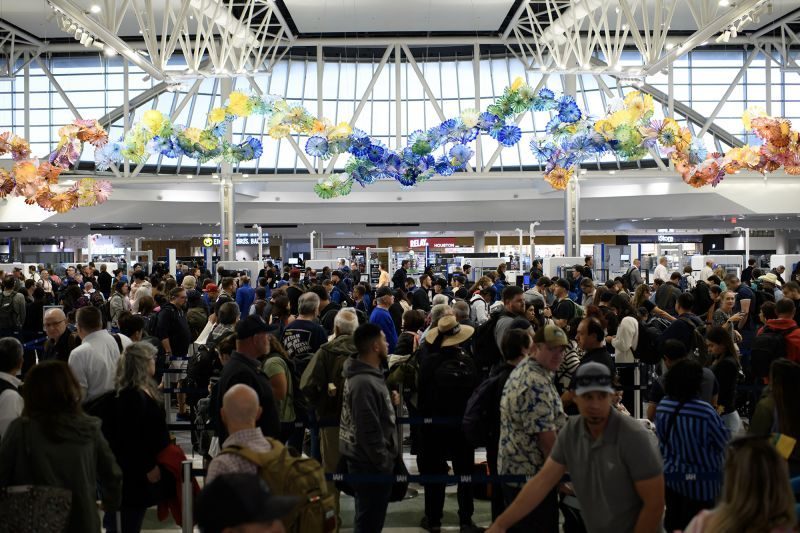
Airfare isn’t random, and it’s rarely “crazy” for no reason. When prices jump, there’s usually a simple story behind it: not enough seats for the number of people who want to fly.
Airlines don’t come out and say, “We’re cutting flights so we can charge more.” Instead, they talk about optimizing capacity
, network adjustments
, or operational constraints
. The language is soft. The impact on you isn’t: fuller planes, higher fares, and fewer options when plans fall apart.
Here’s how airline capacity cuts really affect ticket prices, why flights feel so expensive when there are fewer routes, and what you can still do to avoid overpaying for airfare.
1. Capacity Cuts 101: How Fewer Flights Turn Into Higher Fares
When airlines cut capacity, they’re usually doing one of three things:
- Removing entire routes
- Reducing how often a route operates (fewer daily or weekly flights)
- Swapping larger planes for smaller ones
On a schedule map, that looks like a minor tweak. In your wallet, it’s a quiet price hike.
Think of it this way: airfare is supply and demand with a lot of software layered on top. When demand stays strong but the number of seats drops, airlines don’t need to tempt you with deals. Their pricing systems simply keep nudging fares up until enough people say “no.” That’s how airline capacity management directly feeds into ticket cost.
Recent examples of how capacity affects airfare cost:
- During the U.S. government shutdown, the FAA ordered capacity cuts of up to 10–20% at 40 major airports, removing an estimated 4,000–5,000 flights and about 268,000 seats per day (source). Fewer seats meant higher fares on the flights that remained.
- Analysts estimate that recent fuel shocks alone could justify 10–11% fare increases on average, especially on long-haul routes (source).
So when a flight that used to be $350 is now $480, it’s often not just “greed.” It’s fewer seats, higher fuel costs, and algorithms doing exactly what they’re built to do. That’s the real airline seat reduction impact on fares.
What you can do:
- Assume capacity is tighter than it looks, especially around holidays, big events, and school breaks. If you find a reasonable fare on dates you can’t move, don’t sit around waiting for a miracle sale.
- On routes with only one or two airlines, treat any schedule reduction as a warning. When capacity shrinks, prices rarely drift down. Compare flight prices before and after capacity cuts if you can, and book before the new reality fully kicks in.
2. Government Shutdowns & Airspace Bottlenecks: The Hidden Squeeze
Sometimes airlines don’t cut flights because they want to. They cut because they have to.
During the recent U.S. government shutdown, the FAA didn’t just warn about delays. It mandated flight reductions at 40 major airports. That meant:
- Up to 10–20% fewer flights at key hubs
- Potential removal of 1,800–5,000 flights per day, depending on the estimate
- Staffing shortages among air traffic controllers and TSA agents, turning it into a safety issue, not just an inconvenience
When that happens, airlines do what they always do under pressure: they cut the flights that hurt them least financially. In practice, that usually means:
- Regional feeder routes from smaller cities into big hubs
- Off-peak frequencies (midday or midweek flights)
- Less-profitable routes where demand is softer
For travelers, the pattern is familiar: fewer cheap seats, fuller remaining flights, and almost no slack when something goes wrong. If you’ve ever tried to rebook during a disruption and found every later flight sold out, you’ve felt this firsthand.
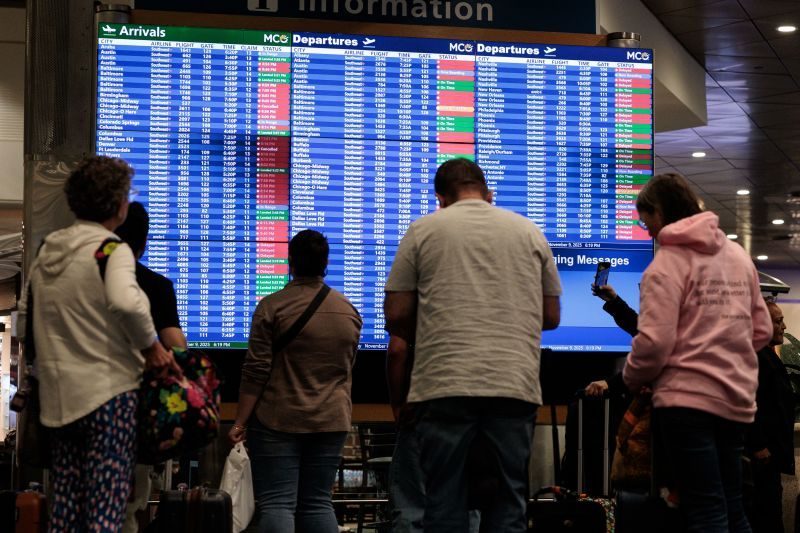
And here’s the part that’s easy to miss: when the shutdown ends, the system doesn’t just snap back to normal the next morning. Airlines have to:
- Reposition aircraft that ended up in the wrong cities
- Rebuild crew schedules and deal with pilots and cabin crew who timed out
- Catch up on maintenance that was pushed back during the chaos
That slow reset keeps capacity tight and flight prices elevated long after the headlines move on. If you’re wondering why flights are still expensive weeks after a disruption, this is often why.
What you can do:
- If a shutdown, strike, or major disruption is looming, avoid tight connections, especially through the most affected hubs. Give yourself breathing room.
- Know your rights. If your flight is canceled, you’re generally entitled to a cash refund, not just a credit. During the last shutdown, some major airlines even allowed refunds on non-refundable tickets if you chose to cancel early.
- For time-sensitive trips (visa appointments, job start dates, school check-ins), build in buffer days. It’s not overkill; it’s insurance against a system with no spare capacity.
3. Fuel Shocks: When Oil Prices Quietly Rewrite Your Fare
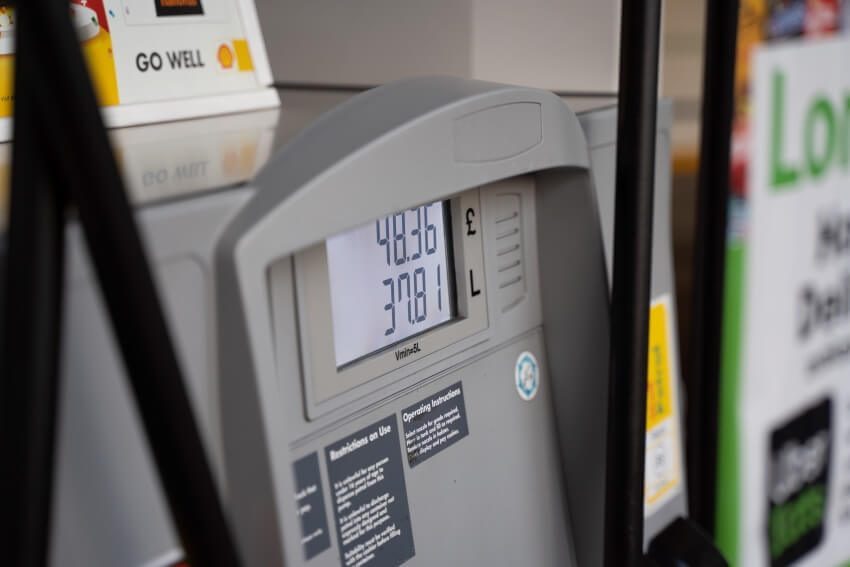
Capacity isn’t only about planes and people. It’s also about fuel. When jet fuel prices spike, airlines suddenly find that some flights only make sense at higher prices or with fewer frequencies.
Recent conflicts in the Middle East and attacks involving Iran have pushed jet fuel sharply higher. A few realities that matter for your ticket:
- Jet fuel is often 20–40% of an airline’s operating costs.
- Fuel prices have, at times, doubled in a matter of weeks, outpacing crude oil itself.
- Airlines can’t go back and reprice tickets they already sold, so they take a hit in the short term and then raise fares and add fuel surcharges going forward.
We’ve already seen concrete examples:
- Cathay Pacific roughly doubling fuel surcharges
- Qantas and Scandinavian Airlines raising fares
- Air New Zealand pulling its financial guidance because the numbers no longer made sense
When fuel stays high, airlines have two main levers:
- Charge more for each seat
- Fly less so they don’t burn expensive fuel on marginal routes
Both levers lead to the same place for travelers: higher prices and fewer options, especially on long-haul and ultra-long-haul flights where fuel is a huge share of the cost. If you’ve noticed flight prices after schedule reductions jumping fastest on long routes, fuel is a big part of that story.
What you can do:
- When fuel prices spike and you know you’ll need to travel, consider booking earlier than usual. Airlines often lag a bit before fully baking higher fuel into every future fare.
- Avoid the most restrictive basic economy fares. Paying a little more for a ticket that allows changes or credits gives you room to rebook if prices soften later.
- On long-haul routes, compare one-stop vs. nonstop. A one-stop itinerary on a carrier with lower surcharges can sometimes save hundreds of dollars.
4. Airline Strategy: Cutting at the Edges, Squeezing the Middle
Airlines don’t randomly slash flights. They cut where it hurts them least—and sometimes where it helps them most.
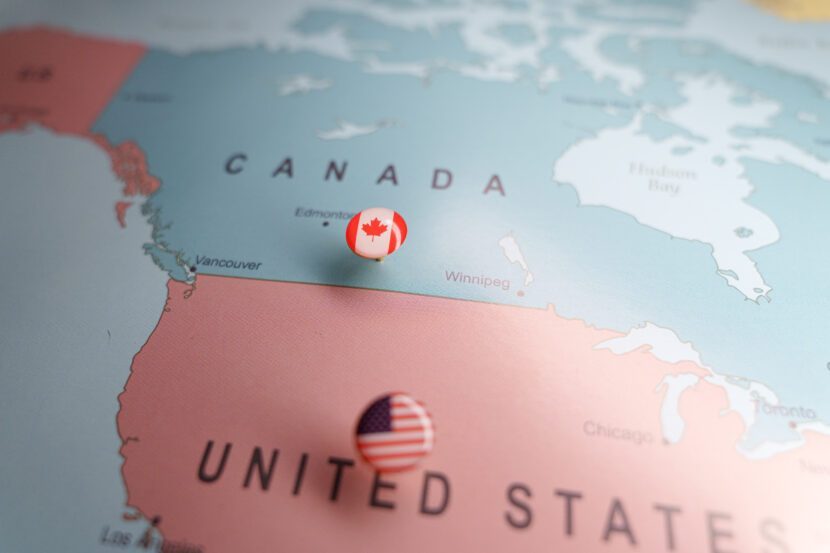
Take Canada as an example. A drop in demand for U.S. travel pushed airlines to:
- End some U.S. winter programs early
- Reduce frequencies on off-peak days
- Drop certain U.S. destinations entirely
Those planes didn’t vanish. They were redeployed into the domestic market, especially around big hubs like Toronto and Montreal. That creates an odd dynamic:
- Transborder routes (Canada–U.S.) get thinner and more expensive because there are fewer options.
- Domestic routes risk being oversupplied, which can trigger a price war and actually push fares down for a while.
Globally, a similar pattern is playing out:
- Aircraft delivery delays and engine issues mean airlines can’t grow capacity as planned.
- Order backlogs stretch a decade or more, so airlines fly older planes harder instead of adding lots of new ones.
- Load factors (how full planes are) sit in the mid-80% range worldwide, leaving very little slack.
When planes are already that full, airlines don’t need to chase you with deals. They can quietly trim a frequency here, add a surcharge there, and let the pricing systems do the rest. That’s why flights are expensive when there are fewer routes, even if demand doesn’t look “crazy” from the outside.
What you can do:
- Watch for capacity shifts on your usual routes. If you see more domestic options but fewer cross-border or long-haul flights, expect the latter to get pricier and more crowded.
- Be open to secondary airports. Sometimes the oversupplied, cheaper market is one city over, and a train or bus can bridge the gap.
- On routes with multiple carriers, sign up for fare alerts and newsletters. When a mini price war breaks out, it often shows up first as flash sales or targeted promos.
5. Algorithms, Peak Seasons & the Myth of the Last-Minute Deal
There’s another force amplifying the impact of capacity cuts: dynamic pricing.
Airlines now use AI-driven systems that constantly adjust fares based on:
- How many seats are left
- How fast they’re selling
- Competitor prices
- Fuel costs and broader demand trends
- Events, holidays, even weather disruptions
When capacity is tight, these systems get more aggressive. They see strong demand and limited seats and keep nudging prices up until the plane is just full enough. That’s why last-minute deals are increasingly rare, especially around:
- Christmas and New Year
- School summer holidays
- Spring break
- Local high seasons (cherry blossom in Japan, European summers, festival periods)
On top of that, you’re also paying for:
- Higher taxes and airport fees (London is a classic example, where fees can be half the ticket)
- Hidden costs like baggage, seat selection, and change fees
Suddenly that “cheap” fare doesn’t look so cheap. In tight capacity markets, the real flight booking mistakes are often about ignoring these add-ons and focusing only on the headline price.

What you can do:
- Stop counting on last-minute bargains for peak periods. For holidays and school breaks, you usually have two choices: book early or pay up.
- Use tools like Skyscanner, Google Flights, or Going to track prices over time and jump when they dip. This is one of the best ways to save money on flights during capacity cuts.
- Always compare the all-in cost (bags, seats, change flexibility) across airlines. A slightly higher base fare with fewer add-ons can be cheaper overall.
6. Practical Playbook: How to Travel Smart When Capacity Is Tight
Let’s pull this together into a simple, usable plan so you can avoid overpaying for airfare after route cuts and schedule changes.
1. Decide if your trip is flexible or fixed.
- If your dates are fixed (weddings, exams, visas, job start), treat airfare like rent: you pay what the market demands. Your main job is to reduce risk, not chase the absolute lowest fare.
- If your dates are flexible, your power is in shifting when and where you fly. Move your trip a few days, or fly into a different airport, and you can sidestep the worst of tight capacity pricing.
2. Book in the “reasonable” window, not the perfect one.
- For domestic trips: often 1–3 months out (longer for major holidays).
- For international trips: often 2–6 months out, depending on route and season.
- If you see a fare that feels fair for your route and dates, don’t over-optimise. With airline capacity cuts pushing up the floor price, waiting for a rock-bottom deal can backfire.
3. Buy flexibility where it matters.
- Avoid ultra-restrictive basic economy if you can. Paying a bit more for free changes or credits can save you if prices drop or plans shift.
- For complex trips (multi-city, tight connections, important events), consider booking direct with the airline. When things go wrong in a tight-capacity market, it’s easier to get help from the carrier you’re actually flying.
4. Build buffers into your itinerary.
- On high-risk days (holidays, big events, during shutdowns or strikes), avoid short connections. With fewer flights in the system, a missed leg can wreck the whole trip.
- For critical international appointments, arrive at least a day early. It’s cheaper than rebooking everything at last-minute prices.
5. Use alternative airports and routes intelligently.
- Check nearby airports where capacity might be looser and competition higher. This is one of the easiest ways to work around airfare pricing when airlines cut capacity at your main airport.
- Consider one-stop itineraries if nonstop prices are punishing and you can tolerate the extra time. Just be sure the layover is long enough to handle delays.
6. Don’t forget your rights.
- If your flight is canceled, you’re usually entitled to a refund, not just a voucher. Don’t let that money get trapped in airline credit if you’d rather have cash.
- In some regions (like the EU/UK), you may be owed compensation for certain delays and cancellations. Knowing the rules before you fly can make a bad day a little less expensive.
Airline capacity cuts aren’t a short-term blip. Between fuel shocks, aircraft shortages, staffing issues, and political drama, the default for the next few years is likely to be tight supply and strong demand.
You can’t control that. But you can control how you respond: understand what’s really driving your fare, avoid common flight booking mistakes in tight capacity markets, and design trips that work with the system instead of getting crushed by it.
In a world of fewer seats and higher prices, being intentional about when and how you book is the best way to keep your travel plans—and your budget—under your control.