I’m going to start with the one rule most airlines hope you quietly forget:
If you have a ticket, you have a seat. You might not love that seat. It might be in the last row, next to the lav. But you will not be forced to stand in the aisle because you didn’t pay a seat fee.
Once you really believe that, airline seat selection stops feeling like a panic decision and becomes what it actually is: a nice to have
that’s sometimes worth paying for, and often not.
1. The Big Question: What Are You Actually Buying?
When you pay for seat selection, you’re not buying a seat. You’re buying control.
- Control over where you sit (window, aisle, front, back).
- Control over who you sit with (or away from).
- Control over how you feel for the next 1–12 hours (cramped vs. comfortable).
Airlines know this, and they price that control dynamically. As KAYAK’s breakdown points out, seat fees move with route, date, demand, and fare type. That’s why the same aisle seat can be $9 on a Tuesday and $49 on a holiday weekend.
So before you click select seat
, pause for a second and ask yourself:
- What problem am I solving by paying?
- What happens if I don’t?
If you can’t answer those clearly, you probably don’t need to pay.
2. When Paying Is Absolutely Worth It
There are situations where I’ll almost always pay for a seat and don’t feel the slightest bit guilty. In these cases, the airline seat fee is buying real comfort or real risk reduction, not just vague peace of mind.
Long-haul and overnight flights
On a 9-hour red-eye, the difference between a random middle seat and a chosen aisle or window is huge. You’re not just buying a seat; you’re buying sleep, sanity, and how you feel the next day.
- If you’re tall, claustrophobic, or have circulation issues, an aisle or extra-legroom seat is often worth the premium.
- On overnight flights, treat a good seat like a budget upgrade: if the cost per hour of comfort feels reasonable, pay it and don’t look back.
For long-haul flight seat strategy, this is where a smart airline seat selection strategy really pays off.
Time-sensitive trips and tight connections
If you must arrive on time—wedding, cruise departure, important meeting—your seat choice can affect how quickly you get off the plane and how you handle delays.
- A seat near the front of the cabin can be the difference between making and missing a tight connection.
- Some experts argue that having a confirmed seat assignment can slightly reduce your risk of being bumped on oversold flights. Even if that effect is modest, on a critical trip I’d rather not gamble.
In these cases, the answer to “is seat selection worth the cost?” is usually yes.
When you absolutely need to sit together
Couples, friends, or family members who really want to sit together often face a choice:
- Buy a higher fare that includes seat selection, or
- Buy cheaper basic economy and pay separately for seats.
Surprisingly often, the second option is cheaper. Several consumer advocates and outlets like Elliott Advocacy have pointed this out: run the numbers before you assume the bundled fare is better.
If you’re weighing family seating airline fees against a more expensive fare, compare the total cost for everyone, not just the base ticket price.
Bottom line: If the flight is long, the trip is important, or sitting together really matters, paying for seats is usually money well spent.
3. When Paying Is Usually a Waste
Now for the part airlines don’t love: there are plenty of times when paying for a seat is just lighting money on fire.
Short, forgettable flights
On a 45–90 minute hop, your seat matters a lot less than you think. By the time you’ve climbed, had a drink, and scrolled your phone, you’re descending.
- If you’re traveling alone and reasonably flexible, skip the fee and let the system assign you whatever’s left.
- Use the money you saved on a decent coffee at the airport instead.
For short flights, paid seat selection vs check-in is almost never a good trade.
When you don’t care where you sit
If you’re the kind of traveler who can tolerate a middle seat and doesn’t mind the back of the plane, paying for seat selection is almost never worth it. You’ll get a seat at check-in. It may not be glamorous, but it will get you there.
Remember: airlines often block the best seats as paid options. If no one buys them, they’re released later—sometimes at check-in, sometimes at the gate. That means:
- Checking in right at the 24-hour mark can sometimes snag you a better free seat.
- Gate agents can occasionally move you to a better spot if the flight isn’t full.
This is one of the easiest ways to save on airline seat fees without doing anything fancy.
Families with young kids on major U.S. airlines
Regulators have pushed hard on family seating
, and most major U.S. airlines now guarantee that young children will be seated with at least one adult at no extra charge. Policies vary, but the trend is clear: charging parents just to sit next to their 5-year-old is becoming bad business.
So if you’re flying a big U.S. carrier with small kids, it’s often safe to skip the seat fee. You may not get your perfect row, but you shouldn’t be separated from your child.
Bottom line: If the flight is short, you’re flexible, or you’re covered by family seating rules, keep your wallet closed.
4. Decoding the Seat Map: What’s Worth Paying For?
Not all paid seats are created equal. Some are genuinely better. Some are just… closer to the front with a fancy label.
Seats that often are worth a premium
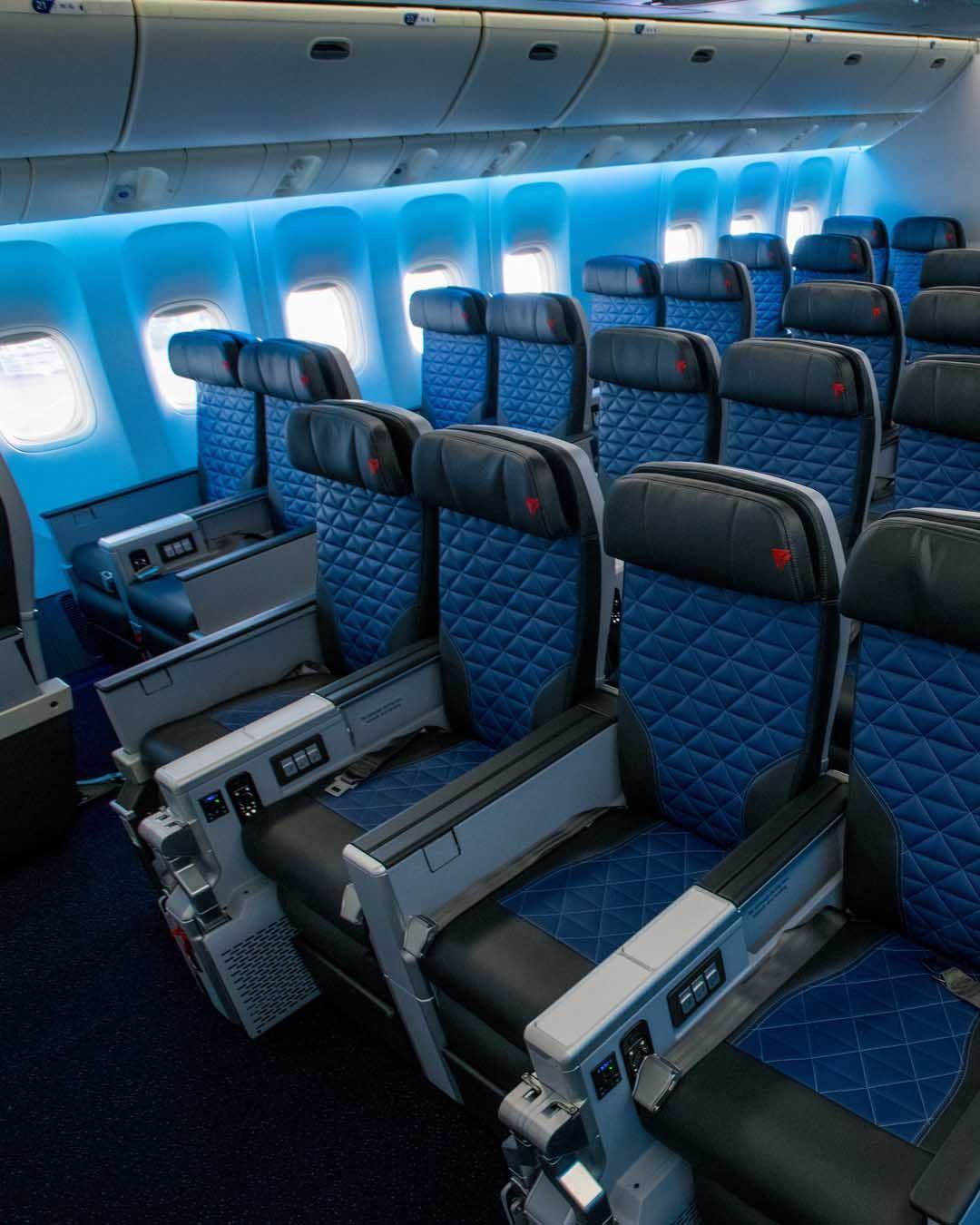
- Extra-legroom / exit row: Great for tall travelers or anyone who gets stiff. Just watch for trade-offs: fixed armrests, no under-seat storage, or being right by a busy lavatory.
- Bulkhead seats: No one reclining into you, often more legroom. But you may have to store bags overhead for takeoff/landing, and bassinets or families may be nearby.
- Front-of-cabin aisle: Faster off the plane, easier for bathroom breaks, especially valuable on tight connections or long flights.
These are the spots where extra legroom seat value is usually real, not just marketing.
Seats that are often overhyped
- “Preferred” seats with no extra legroom: Many airlines charge just because they’re a few rows closer to the front. If you don’t have a tight connection, these are often not worth the markup.
- Exit rows near lavatories: Extra legroom, yes. But also noise, lines, and people grabbing your seatback for balance.
- Window seats on short flights: Nice view, but if you’re paying just for that on a 1-hour hop, think twice.
My rule: pay for function, not labels. If a seat gives you real, tangible benefits—space, sleep, speed off the plane—it’s worth considering. If it just has a marketing name, be skeptical.
5. Beating the System (Legally): How to Avoid or Reduce Seat Fees
You don’t have to play the seat-fee game at full price. There are a few levers you can pull to make your airline seat selection strategy a lot cheaper.
1. Status and co-branded credit cards
Many airlines give free standard seat selection to:
- Elite status members, and/or
- Holders of their co-branded credit cards.
Sometimes this even extends to companions on the same reservation. You usually still pay for extra-legroom seats, but the basic aisle/window options may be free.
2. Check-in timing
Some airlines open up more free seats at online check-in (usually 24 hours before departure). If you skipped paying earlier, this is your second chance:
- Set a reminder for check-in time.
- Jump into the seat map as soon as it opens.
Often, the best time to choose airline seats for free is exactly at that 24-hour mark.
3. Ask—nicely—at the airport
If the flight isn’t full, gate agents and flight attendants sometimes have flexibility to move people around:
- Ask at the gate if there are any better seats available.
- Once on board, if you see empty rows after boarding is complete, politely ask a flight attendant if you can move.
None of this is guaranteed, but it costs nothing to try.
4. Compare fare types, not just seat fees
Before you pay $30–$60 per person for seats on a basic fare, check the price of the next fare up. Sometimes:
- Basic fare + seat fees + bag fees > Standard fare that includes seats and a bag.
Do the math. Don’t assume the cheapest-looking ticket will stay the cheapest once you add everything back in. This is where airline seat fees vs free seats and fare bundles can flip which option is actually cheaper.
6. How Much Is Too Much? A Simple Way to Decide
Staring at a seat map full of prices and not sure what to do? Here’s a quick framework I use to decide when to pay for airline seats and when to skip.
Step 1: Calculate cost per hour
Take the seat fee and divide it by the flight time.
- $25 for a 5-hour flight = $5/hour.
- $40 for a 1-hour flight = $40/hour.
That number is often clarifying. Paying $5/hour for real comfort on a long flight can feel reasonable. Paying $40/hour just to avoid a middle seat for 60 minutes? Maybe not.
Step 2: Ask what you’re protecting
What’s at stake if you don’t pay?
- Just comfort? Then it’s a personal budget call.
- Sleep before a big workday? That might be worth more.
- Making a once-a-year family event? I’d lean toward paying for a better, more reliable setup.
This is also a good moment to think about premium economy vs standard seat. If the upgrade cost per hour is reasonable and you really need rest, it might beat paying piecemeal for extra-legroom seats.
Step 3: Gut check
Numbers help, but your gut matters too. If the price feels outrageous, it probably is. Close the seat map, take a breath, and remember: you still have a seat.
7. Quick Cheat Sheet: Pay or Skip?
If you want a fast answer, here’s the distilled version of a smart airline seat selection strategy.
Pay for seat selection when:
- The flight is long-haul or overnight.
- You’re tall, claustrophobic, or have mobility/circulation issues.
- You have a tight connection and want to sit near the front.
- You must sit with someone and the math still beats a higher fare.
- The trip is time-sensitive (wedding, cruise, program start, big meeting).
Skip seat selection when:
- You’re traveling solo and flexible about where you sit.
- The flight is short and you’ll forget it by next week.
- You’re on a tight budget and the fee feels painful.
- You’re a family with young kids on a major U.S. airline that guarantees family seating.
In other words: use seat fees like you’d use upgrades—strategically, not automatically. The goal isn’t to beat the airlines at their own game. It’s to stop overpaying for comfort you don’t really need, and to confidently spend when it genuinely improves your trip.
Once you start thinking in terms of value per hour and what you’re actually protecting, airline seat upgrade cost comparison gets a lot easier—and you’ll save on airline seat fees without feeling like you’re missing out.