I’ve lost count of how many times the ride to the airport cost more than the flight. The annoying part? It’s rarely the same answer twice. Sometimes Uber wins. Sometimes the old-school taxi is cheaper. Sometimes the train wipes the floor with both.
This guide is my attempt to decode that chaos. I’ll walk through the real trade-offs between taxis, rideshares, and public transit by time of day, so you can stop guessing and start planning the cheapest way to get to the airport without nasty surprises.
1. Morning Rush (6–10 a.m.): When Time Fights Your Budget
Morning airport runs are where money and stress collide. You’re fighting traffic, commuter crowds, and the fear of missing your flight.
What usually happens:
- Rideshare: Demand is high and surge pricing is common. That supposedly cheap UberX can quietly double in price. Apps like Uber and Lyft stack a base fare, per-mile and per-minute charges, plus dynamic multipliers when everyone is heading to work or the airport at once (source). If you’ve ever checked the app and thought, “Wait, how is it that much?”—that’s surge.
- Taxi: Regulated meter, no surge. The meter keeps running in traffic, but the rate itself doesn’t spike just because it’s busy. Many airports and cities offer flat fares on popular routes (think JFK–Manhattan), which can be a lifesaver when roads are jammed and you want predictable airport taxi cost by time of day.
- Public transit: Often the cheapest option by far, but also the most crowded. Trains and airport buses are full of commuters. You’re trading money for comfort, personal space, and sometimes sanity.
Cost pattern for a typical 15-mile trip:
- Public transit: About $5–$10, 45–75 minutes with transfers.
- Taxi: Roughly $40–$80, 25–45 minutes depending on traffic.
- Rideshare: Off-peak maybe $30–$50, but with surge it can jump into taxi territory or higher.
My rule of thumb for morning flights:
- If surge is active and there’s a known flat taxi rate, I lean taxi. Price certainty beats a spinning surge wheel.
- If I’m solo and near a good train or airport bus, I seriously consider public transit and just leave earlier. It’s usually the best public transport to airport cost you’ll find.
- If I’m carrying heavy luggage or traveling with kids, I pay for door-to-door (taxi or rideshare) and cut stress. Missing a flight because I wanted to save $15 is not a story I want to tell.
Ask yourself: is saving $20 worth the risk of missing your flight?
That answer usually decides whether I tap the app or head for the taxi stand.
2. Midday & Afternoon (10 a.m.–4 p.m.): The Sweet Spot for Deals
Midday is when the airport transfer game calms down. Commuters are at work, nightlife hasn’t started, and demand is often lower. This is where the taxi vs rideshare to airport comparison gets interesting.
What usually happens:
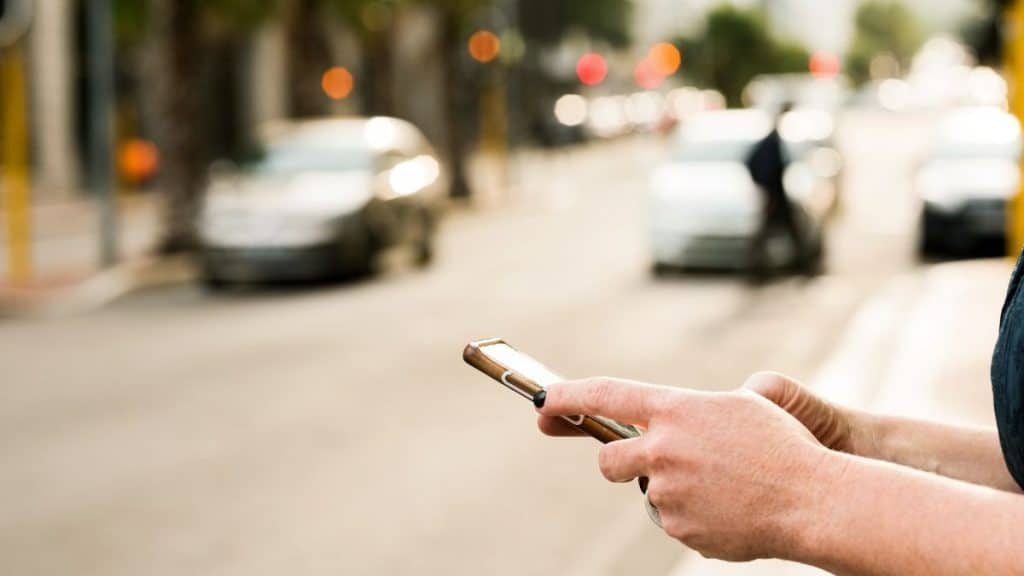
- Rideshare: This is when Uber and Lyft often shine. No surge, lighter traffic, and shorter trips (under ~5 miles) can be noticeably cheaper than taxis (source). For many routes, rideshare wins the airport transport cost comparison in this window.
- Taxi: Still predictable, but sometimes slightly more expensive than rideshare for short, off-peak rides because of higher base and per-mile rates.
- Public transit: Still the budget king. Trains and buses are less crowded than during rush hour, and schedules are usually reliable.
Where the hidden costs creep in:
- Airport fees: Many airports charge extra for rideshare pickups. Those fees are baked into the app fare, but they’re easy to forget when you’re comparing to a taxi or shuttle. That’s one of the hidden costs of airport transfers people overlook.
- Last-mile problem: Public transit might get you close, but not to your door. That final taxi or rideshare from the station can erase some of your savings.
- Waiting time: Rideshares can charge waiting fees if you’re slow to reach the pickup zone. Taxis charge while the meter runs. Public transit doesn’t care if you’re late; it just leaves.
My midday strategy:
- Check both: I open a rideshare app and a taxi fare estimator like taxis-fare.com and compare. It takes under a minute and gives a quick airport transfer price comparison.
- If the price difference is under $5, I choose based on convenience, not cost. Who’s closer? Who can pick me up faster?
- If public transit is direct (no messy transfers), I often take it and spend the savings at the airport instead. Coffee tastes better when you know you saved $30 on the ride.

3. Evening Rush & Early Night (4–9 p.m.): Surge vs. Flat Fares
Evening is where things get tricky again. You’ve got commuters heading home, people going out, and a wave of flights landing. Demand spikes, and so do prices.
What usually happens:
- Rideshare: Surge pricing is back. Bad weather, events, or holidays can push multipliers to 2x or 3x. That “cheap” ride suddenly isn’t. This is when rideshare surge pricing to airport can wreck your budget.
- Taxi: No surge. The meter is the meter. In some cities, this is exactly when taxis become the cheaper option, especially for airport trips with flat rates.
- Public transit: Still cheap, but you’re now dealing with crowded trains and buses again. If you’re tired after a long day or flight, that can be a deal-breaker.
Real-world pattern:
- In many major cities, rideshares that were once cheaper have crept up in price and can now cost more than taxis during busy periods (source). The old taxi vs Uber airport early evening debate doesn’t always go the way you’d expect.
- Taxi queues at airports can be long (15–30 minutes), but once you’re in, you know the pricing rules and there’s no surprise surge.
- Public transit fares stay fixed. No one surges the subway.
My evening rule of thumb:
- If the rideshare app shows a surge icon or a suspiciously high fare, I walk to the taxi stand. Flat fares and meters feel a lot friendlier at that point.
- If I’m landing and staying near a train line (like London’s Tube or New York’s AirTrain + subway), I seriously consider public transit and accept the extra time.
- If I’m in an unfamiliar city with weak transit, I pay for the most predictable option—often a taxi or pre-booked transfer. In the evening, predictability is worth a lot.
Ask yourself: do you want price certainty or app convenience tonight?
Your answer will usually point you to the right option.

4. Late Night & Red-Eye Hours (9 p.m.–5 a.m.): When Safety and Availability Matter More
Late-night airport trips are a different game. Public transit thins out. Safety and availability start to matter as much as price. This is where late night airport transport options can make or break your trip.
What usually happens:
- Public transit: Reduced frequency, fewer routes, sometimes no service at all. That cheap $3 train might not exist at 2 a.m.
- Rideshare: Often available 24/7, but prices can be unpredictable. If there are fewer drivers, surge can still kick in.
- Taxi: Airport taxi ranks usually operate around the clock, especially at major hubs. In some places, taxis are actually easier to find than rideshares at odd hours.
Hidden costs at night:
- Time risk: Missing the last train or bus can force you into a last-minute taxi or rideshare at premium prices. That’s one of the classic airport transport mistakes to avoid.
- Safety premium: You might pay more for a door-to-door ride, but you’re also avoiding deserted platforms and long walks with luggage.
- Hotel shuttles: These are often overlooked. Many hotels run free or cheap shuttles late into the night. That can cut your cost to zero and beat both taxi vs rideshare to airport.
My late-night hierarchy:
- If there’s a reliable hotel or airport shuttle, I use it.
- If public transit is still running and feels safe, I might combine it with a short taxi or rideshare for the last mile.
- Otherwise, I choose between taxi and rideshare based on real-time price and how quickly I can get a car.
At 3 a.m., I’m willing to pay more for simplicity. The cheapest
option on paper isn’t always the smartest one in real life, especially for late night airport transport options.

5. Solo vs Group Travel: When Public Transit Stops Being Cheaper
We talk a lot about cheap
vs expensive
, but we rarely ask for how many people? That changes everything in any airport transport cost comparison.
For solo travelers:
- Public transit almost always wins on price. A $5–$10 ticket vs a $40–$80 taxi is a no-brainer if you’re alone and traveling light.
- Rideshares can be competitive off-peak, especially for short distances.
For couples or groups:
- Two or three transit tickets can quickly add up. Suddenly, a shared taxi or rideshare split between you looks reasonable.
- Private transfers, which seem expensive upfront, can become cost-effective per person for families or groups with lots of luggage.
Example for a 15-mile trip:
- Public transit: $8 per person x 3 people = $24 total.
- Taxi: $60 total, or $20 per person.
- Rideshare: $45 total off-peak, or $15 per person.
Suddenly, the expensive
taxi isn’t so crazy. Especially if it saves you 30–40 minutes and a couple of transfers with bags.
My group rule:
- Solo and light luggage? I default to public transit unless it’s late or unsafe.
- Two or more people? I always calculate the per-person cost of taxi vs rideshare vs transit. The answer often flips, and the cheapest way to get to the airport might not be what you expect.
6. How to Compare Costs in 60 Seconds (Without Getting Tricked)
Most of us don’t want to spend 20 minutes doing math in the arrivals hall. So here’s a quick, practical way to compare options without overthinking it—a simple cost guide for getting to the airport.
Step 1: Check rideshare apps.
- Open Uber/Lyft and note the total fare shown (it usually includes airport fees).
- Watch for surge indicators or messages like
fares are higher due to increased demand
.
Step 2: Check taxi estimates.
- Use a taxi fare calculator like taxis-fare.com or ask the dispatcher if there’s a flat airport rate.
- Remember: taxis don’t surge, but the meter runs in traffic.
Step 3: Consider public transit.
- Look up the airport’s official site or a transit app for fares and travel time.
- Check if you’ll need multiple tickets or transfers, especially with a group.
Step 4: Ask three questions:
- What’s my real budget? Not the ideal number, the actual ceiling.
- How much time do I truly have? Be honest about delays and security lines.
- What’s my tolerance for hassle right now? After a red-eye, my tolerance is near zero.
Once you answer those, the right
option usually becomes obvious. You’ll see quickly whether taxi vs rideshare to airport or public transit makes the most sense.
7. Simple Rules by Time of Day (Cheat Sheet)
If you remember nothing else, remember this simple airport transfer price comparison by time of day:
Morning (6–10 a.m.)
- Best for price: Public transit, if direct and reliable.
- Best for predictability: Taxi, especially with flat airport rates.
- Rideshare: Only if there’s no surge or you’re in a low-demand area.
Midday (10 a.m.–4 p.m.)
- Best for price/convenience balance: Rideshare, especially for short trips.
- Best for rock-bottom cost: Public transit.
- Taxi: Solid backup when you want no surprises.
Evening (4–9 p.m.)
- Best when surge is high: Taxi or public transit.
- Best for comfort with luggage: Taxi or rideshare, depending on real-time price.
Late night (9 p.m.–5 a.m.)
- Best for safety and simplicity: Taxi or pre-booked transfer.
- Best for cost (if available): Hotel shuttles or limited late-night transit.
- Rideshare: Great when drivers are available and prices aren’t surging.
The hidden cost of getting to the airport isn’t just dollars. It’s stress, time, and uncertainty. Once you factor those in—and match your choice to the time of day—you’ll stop being surprised by your airport ride and start actually choosing it.