
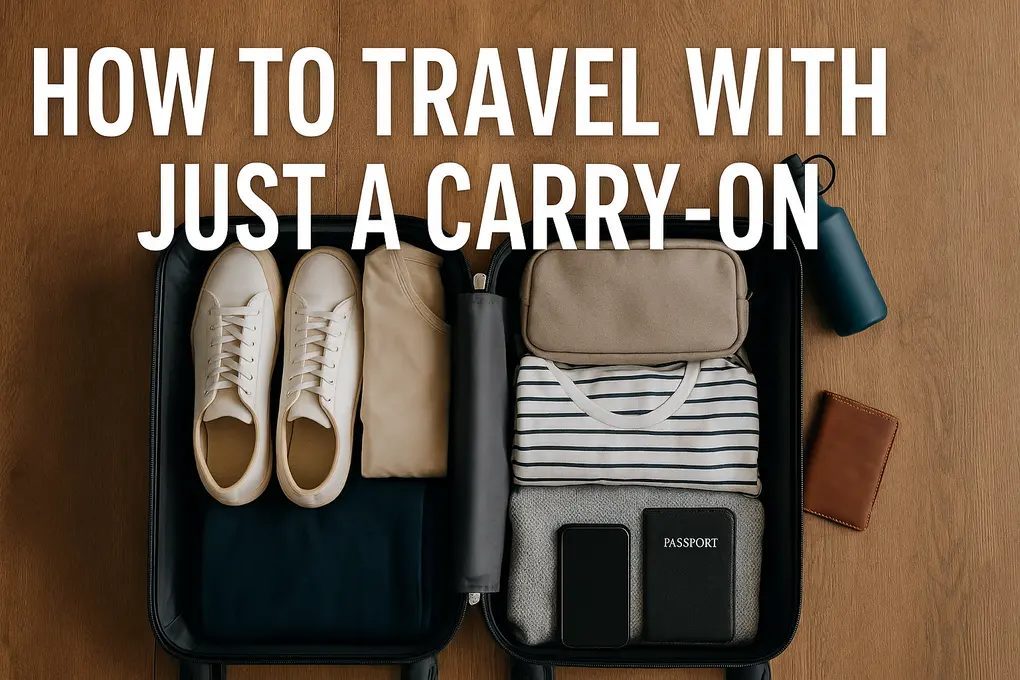
I hate paying more in baggage fees than I did for the ticket. I’m guessing you do too. The upside: with a bit of planning, you can pack lighter, do laundry on the road, and keep airline baggage fees close to zero.
This isn’t about suffering through a trip with one T-shirt and a toothbrush. It’s about using airline rules, smart packing, and on-the-road laundry to your advantage so you actually travel comfortably and cheaply.
1. First Decision: Is This Trip Actually Carry-On Only Material?
Before you even pull a suitcase out of the closet, ask yourself: Can this trip realistically be done with carry-on only?
Not every trip can. A surprising number can.
- Great for carry-on only: solo or couple trips, business travel, city breaks, 7–10 day trips where laundry is easy, warm-weather destinations.
- Harder to pull off: trips with kids, winter sports, weddings or events with formal wear, photography or sports gear–heavy trips.
If you’re in the “harder” category, you can still cut costs. Maybe you go from two checked bags to one, or share a single checked bag instead of each paying for one. That’s still real savings on luggage costs.
Here’s the mental model I use to avoid unnecessary airline baggage fees:
- Under 10 days + laundry available: I aim for personal item + carry-on, no checked bag.
- Over 10–14 days or special gear: I compare the cost of one checked bag vs overweight fee cost and whether it’s cheaper than buying or renting gear at the destination.
One more wrinkle: some basic fares now charge even for overhead carry-ons. On those tickets, the real question becomes, Can I live out of a personal item?
More often than you’d think, the answer is yes—especially if you’re willing to do a bit of laundry on the road.
2. Decode the Airline’s Rules Before You Pack a Single Thing
Most baggage “surprises” at the airport aren’t surprises. They’re just rules we didn’t read closely enough.
Here’s how to strip the mystery out of any airline baggage fee cost:
- Run a mock booking. Go all the way to the payment page. Watch how the price changes when you add a carry-on or checked bag. That’s the real cost of that cheap fare.
- Check the baggage policy page. Look for four things: personal item size, carry-on size, checked bag size, and weight limits for each.
- Note the traps. Some airlines only allow a carry-on on higher fare classes. Others charge more if you pay for bags at the airport or at the gate instead of online.
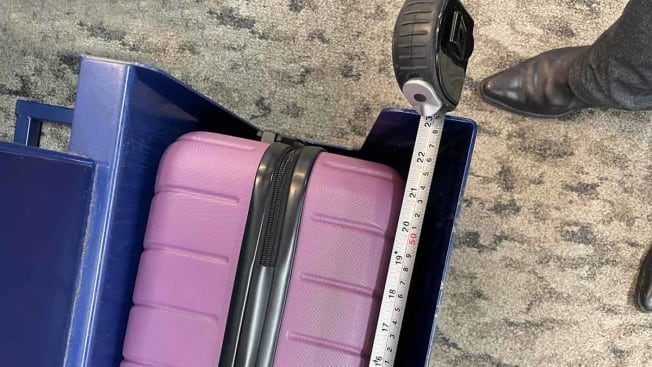
On many major U.S. airlines, a typical carry-on limit is around 22 x 14 x 9 inches. Budget carriers often charge for that same bag and enforce the rules more aggressively. Southwest is the outlier with two free checked bags, which can completely change your packing strategy.
My rule: never assume your usual bag is fine on a new airline. Check the numbers, then measure your bag. If it’s close, it’s a gamble—and mistakes like that are exactly what lead to extra baggage charges.
3. Build a Capsule Travel Wardrobe That Can Survive Laundry
Once you know your limits, the next question is: What’s the smallest set of clothes that still feels like enough?
That’s where a simple travel capsule wardrobe comes in, and it’s the backbone of any carry-on only packing strategy.
For a week-long trip (with laundry), I aim for something like this:
- 3–4 tops (all mix-and-match, quick-dry if possible)
- 2 bottoms (pants/shorts/skirt) that go with everything
- 1 extra layer (light sweater or fleece)
- 5–6 pairs of underwear, 3–4 pairs of socks
- 1–2 pairs of shoes (wear the bulkiest on the plane)
- Sleepwear that can double as loungewear
The key is re-wearability and smart fabric choices:
- Dark colors hide stains and still look good in photos.
- Quick-dry fabrics survive sink washing and overnight drying.
- Every piece should work with most of the others. If something only matches one outfit, it’s on the chopping block.
For each item, ask: Will I definitely wear this at least twice?
If the answer is maybe
, it stays home. That one question alone can dramatically reduce luggage costs on flights.
4. Pack Like a Strategist, Not Like a Victim of Baggage Fees
Now for the tactics. The goal is simple: fit more into less without crossing weight or size limits. This is where packing strategies for budget travelers really pay off.
Here’s the system I use:
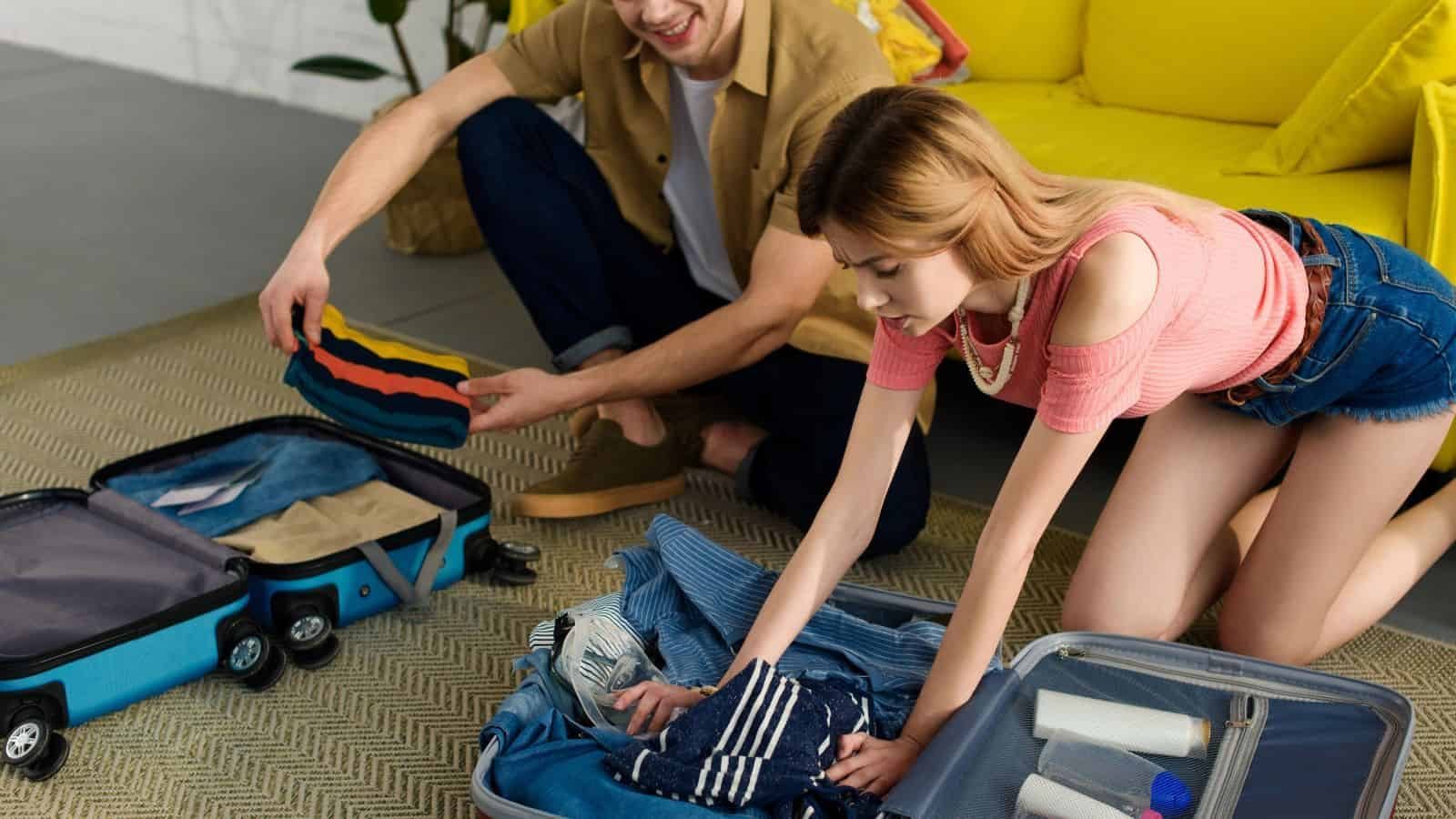
- Use packing cubes. One for tops, one for bottoms, one for underwear and socks. They compress a bit, keep things organized, and make it obvious when you’re overpacking.
- Roll, don’t fold. Rolled clothes pack tighter and wrinkle less. Fill gaps with socks and underwear.
- Wear your heaviest items. Boots, jeans, thick sweaters, and jackets go on your body, not in your bag.
- Shift weight to your personal item. Many airlines don’t weigh personal items. Put dense things there: electronics, chargers, books, and other heavy essentials.
- Use solid toiletries. Shampoo bars, toothpaste tablets, and bar soap save space and help you stay within liquid limits.
One more thing: weigh your bag at home. A cheap luggage scale can save you from the most annoying fee of all—the last-minute overweight charge at the counter.
Compression bags can be helpful for volume, but they’re dangerous for weight. They let you pack more than you should. Use them with discipline, or you’ll trade space for an overweight fee.

5. Turn Laundry into Your Secret Weapon
This is where a lot of people hesitate: I don’t want to do laundry on vacation.
Fair. But think of it this way: one laundry session can save you from paying for a checked bag both ways.
Let’s do some rough travel laundry vs baggage fee comparison. If a checked bag is $35 each way, that’s $70. A laundromat load might cost $5–10. Even a hotel laundry service at $20–30 once per trip can still be cheaper than a bag fee, especially on longer trips.
Here’s how I make laundry on the road painless:
- Pack a tiny laundry kit. A flat bar of laundry soap or a small bottle of concentrated detergent, plus a sink stopper and a travel clothesline.
- Choose quick-dry fabrics. Synthetic blends and merino wool usually dry overnight. Heavy cotton tends to stay damp.
- Do micro-laundry. Wash underwear, socks, and one T-shirt in the sink every couple of days instead of letting it pile up.
- Use local laundromats smartly. Drop off a wash-and-fold load in the morning, pick it up in the evening. You’ve traded 10 minutes for a fresh wardrobe.
The mindset shift is this: you’re not underpacking. You’re reusing. Laundry is what turns a 5-day carry-on packing list for long trips into a 3-week packing list.

6. Exploit the Gray Areas (Without Being That Person)
Airline rules have gray areas. You can use them without turning into the passenger everyone side-eyes at the gate.
- Max out your personal item. A well-designed backpack or camera bag that fits under the seat can hold a surprising amount of clothing plus electronics.
- Use your clothing as storage. Travel vests and jackets with multiple pockets can carry heavy items like power banks, cables, and even a small tablet.
- Wear the bulky stuff. If you’re carrying a big coat or boots, wear them through boarding. You can always take them off once you’re seated.
- Digitize paper. Boarding passes, hotel confirmations, guidebook pages—keep them on your phone or offline instead of in a heavy folder.
There are more aggressive hacks—like stuffing clothes into a neck pillow or using duty-free bags as extra carry space. They can work, but use them sparingly. The goal is to travel smarter and avoid baggage fees, not to start an argument at the gate.
7. When Paying a Baggage Fee Is Actually the Smart Move
Sometimes the smartest budget travel move is to pay for a bag—just not blindly.
Here’s when I seriously consider a paid bag instead of forcing carry-on only at all costs:
- Basic fare vs higher fare. If a basic ticket plus bag fee costs more than a standard fare that includes a bag, I upgrade the fare instead. The airline baggage fee cost guide is simple here: pay once, not twice.
- Credit card perks. Some airline or travel cards include a free checked bag or annual travel credits that effectively erase the fee.
- Shared luggage. Two people checking one large bag can be cheaper than each paying for a carry-on on a strict low-cost carrier.
- Souvenir-heavy return. I’ll often fly out carry-on only, then check a bag on the way back if I’ve bought more than expected.
The key is to decide before you get to the airport. Buying a bag at booking or during online check-in is almost always cheaper than paying at the counter or gate.
8. A Simple Checklist Before You Leave Home
To pull this all together, here’s the quick pre-trip checklist I run through to avoid airline baggage fees and common packing mistakes:
- Did I check the airline’s baggage policy for this exact fare?
- Have I measured and weighed my carry-on and personal item?
- Can every clothing item be mixed and matched and worn at least twice?
- Do I have a tiny laundry kit and at least a couple of quick-dry pieces?
- Am I wearing my bulkiest items on the plane?
- Have I decided in advance whether I’ll pay for a bag—and done it online if needed?
If you can say yes to those, you’re in good shape. You’ll walk past the baggage counter, skip the carousel, and keep that money for something more interesting than a suitcase riding in the belly of a plane.
Next time you book a flight, don’t just ask, What’s the cheapest ticket?
Ask: What’s the cheapest way to travel with the stuff I actually need?
That’s where the real savings are—smart packing, a bit of laundry, and no surprise baggage fees.