I don’t mind paying for good food, a better seat, or a last‑minute detour. But paying 3% to a bank for pressing a few buttons? That’s where I draw the line.
Think of this as a practical playbook for avoiding foreign transaction fees and surprise charges. We’ll walk through the traps, the fine print, and the moves that keep almost every dollar you spend overseas going to your trip, not your bank.
1. Decide: Are You Letting “Invisible” Foreign Transaction Fees Eat Your Budget?
First question: do you actually know what your cards charge abroad? Most people don’t. That’s exactly how banks like it.
On many cards, every time you tap or click with a foreign merchant, you quietly pay an extra 1–3%. Studies put the average around 1.5–3% per transaction. That’s on:
- In‑person purchases abroad (hotels, restaurants, trains)
- Online bookings with foreign companies (even on English websites)
- Sometimes ATM withdrawals in another currency
Run the numbers on a typical trip:
- $2,000 in card spend × 3% = $60 gone
- Longer trips or multiple countries? You’re easily in the hundreds per year
Here’s the mindset shift: foreign transaction fees are optional for most travelers
. With the right cards and a simple low‑fee travel money strategy, you can avoid most of them.
Quick audit (do this before you read further):
- Grab your main credit and debit cards.
- Search each card’s name +
foreign transaction fee
or log in and check theRates and Fees
orPricing
section. - Write down the percentage for each card (0%, 1%, 3%, etc.).
If any card is above 0%, that card is guilty until proven useful. You’ll either replace it or relegate it to domestic use only.
2. Choose the Right Cards: Your First Line of Defense
The easiest way to avoid foreign card charges when traveling is simple: use cards that don’t charge them.
Most travel rewards cards and many modern online banks now offer 0% foreign transaction fees. Some issuers (for example, Capital One or certain fintech banks) have removed these fees on many or all of their cards. Others still quietly charge ~3% on everything abroad.
Here’s how I decide what to carry for international trips.
For credit cards (for purchases)
- Must-have: 0% foreign transaction fee clearly stated in the terms.
- Nice-to-have: travel rewards (points, miles, cashback) and solid fraud protection.
- Bonus: travel perks like insurance, trip delay coverage, or lounge access.
A good travel debit card with no foreign fees or a solid travel credit card is usually the cheapest way to pay abroad for hotels, flights, and big purchases.
For debit cards (for cash withdrawals)
- Prefer: 0% foreign transaction fee on ATM withdrawals.
- Even better: banks that refund ATM fees worldwide or belong to a low‑fee ATM alliance.
- Check: daily withdrawal limits and any extra
international ATM
charges.
One important nuance: fees are usually a mix of a network fee (Visa/Mastercard) + an issuer fee (your bank). Some banks eat the network fee and advertise no foreign transaction fees
. Others pass everything on to you. That’s why two Visa cards can behave completely differently abroad.
My rule: if a card doesn’t clearly say no foreign transaction fees
, I assume it has them and I don’t use it overseas.
3. Crack the ATM Game: Withdraw Cash Without Bleeding Fees
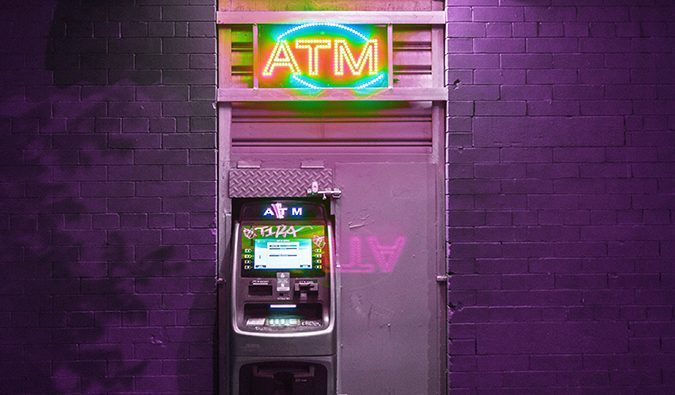
Card fees are annoying. ATM fees can be brutal.
When you withdraw cash abroad, you can get hit by up to three different charges:
- Local ATM fee – a flat fee from the machine owner (e.g., €3 per withdrawal).
- Your bank’s out‑of‑network fee – another flat fee or percentage.
- Foreign transaction / currency conversion fee – often 1–3% of the amount.
Do that three times a week on a long trip and you’re handing over a small hotel night every month to banks.
How I minimize ATM damage (and avoid international ATM withdrawal fees):
- Use the right bank
Some banks refund all ATM fees worldwide or belong to alliances (like the Global ATM Alliance) where partner ATMs abroad are free or cheaper. Before you travel, check your bank’s website forinternational ATM partners
orfee reimbursements
. This one step can dramatically cut the cost of withdrawing cash abroad. - Withdraw fewer, larger amounts
Flat fees hurt most on small withdrawals. I’d rather pay one €3 fee on €300 than three €3 fees on €100 each. Balance this with safety: don’t carry more cash than you’re comfortable with. - Use bank‑branded ATMs
I look for machines attached to actual bank branches. They’re usually more trustworthy, less likely to have crazy surcharges, and easier to dispute if something goes wrong. - Avoid airport and tourist‑trap ATMs
These often have the worst combination: high fees, bad exchange rates, and aggressive prompts to use dynamic currency conversion. If you can, wait until you’re in town and use a bank ATM instead.
One more thing: your debit card might also charge a foreign transaction fee on ATM withdrawals. That’s buried in the fine print. If it does, consider a different card for travel.
4. Beat Dynamic Currency Conversion: Always Say No to the “Helpful” Option
If you remember only one rule from this article, make it this:
When a foreign terminal or ATM asks, “Pay in your home currency or local currency?” always choose local currency.
This little choice is called Dynamic Currency Conversion (DCC). It’s marketed as a convenience: We’ll show you the amount in dollars so you know exactly what you’re paying.
In reality, it’s usually a way to sneak in a terrible exchange rate and extra margin for the merchant or ATM operator.
What actually happens with DCC:
- The terminal converts the price using its own inflated rate.
- You lose the fair, mid‑market rate your card network would have used.
- You may still pay your bank’s foreign transaction fee on top.
So you get the worst of both worlds: bad rate + possible fee.
How I handle it in real life:
- At shops and restaurants, I say:
Local currency, please.
If they’ve already selected my home currency, I politely ask them to cancel and redo it. - At ATMs, I ignore any
conversion
orguaranteed rate
screens and look for aContinue without conversion
orCharge in local currency
option.
It feels like a small decision in the moment. Over a multi‑country trip, it can easily be the difference between paying for a nice dinner or tipping an ATM network instead.
5. Cash vs Card: When Each One Actually Makes Sense
There’s no single best way to access money abroad. The trick is knowing when to use what so you minimize fees and maximize safety.
When I prefer credit card
- Hotels, flights, trains, car rentals.
- Restaurants and larger shops in cities.
- Online bookings and tickets.
Why? A good travel credit card with 0% foreign transaction fees gives me:
- Strong fraud protection and chargeback rights.
- Rewards (points, miles, cashback).
- Sometimes built‑in travel insurance.
For most bigger purchases, credit card vs cash abroad isn’t a close contest. A no‑FX‑fee credit card usually wins on both safety and cost.
When I prefer cash
- Street food, markets, small local businesses.
- Tips, taxis, and places that add surcharges for cards.
- Rural areas or countries where card acceptance is patchy.
Cash is where ATM strategy matters. I use a fee‑friendly debit card, withdraw in larger chunks from bank ATMs, and keep most of it locked in my accommodation, carrying only what I need for the day.
What I avoid:
- Pre‑loading lots of foreign cash at home (airport exchange rates are usually awful).
- Using credit cards for cash advances (interest starts immediately and fees are high).
- Letting a single card do everything (if it’s lost or frozen, I’m stuck).
The sweet spot for most trips: one or two no‑FX‑fee credit cards for spending + one smart debit card for ATMs. That simple setup covers most budget travel money tips you actually need.
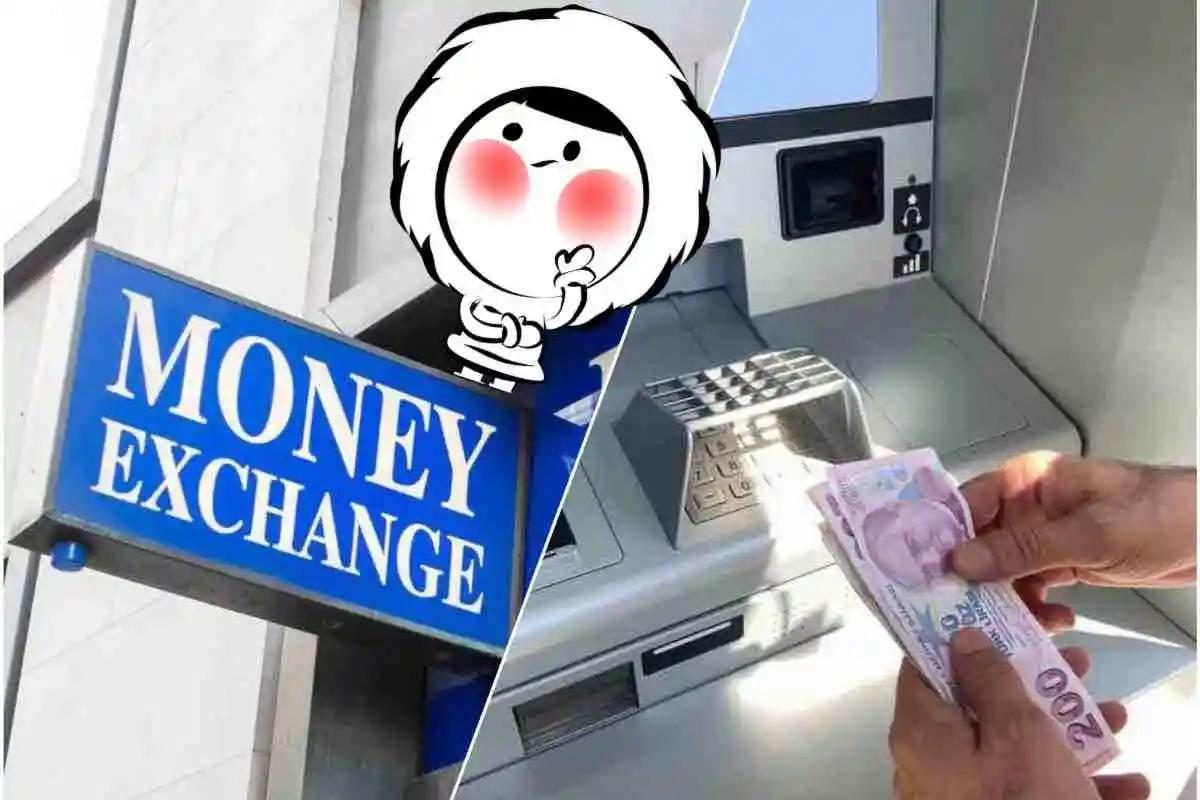
6. Exchange Rates: Where You Swap Money Matters More Than You Think
Even if you dodge explicit fees, you can still lose money through bad exchange rates. That’s the quiet leak most travelers never see.
Here’s how I think about it:
Worst places to exchange money
- Airport kiosks.
- Hotel front desks.
- Tourist‑zone exchange booths with flashing
0% commission
signs (the margin is hidden in the rate).
These places rely on convenience and confusion. You’re tired, you just landed, and you want cash now. They know it.
Better options
- Bank‑branded ATMs using a good debit card.
- Reputable exchange offices in city centers (where competition keeps rates honest).
- For frequent travelers or expats, multi‑currency accounts that let you hold and spend in different currencies with low conversion spreads.
I like to check the real mid‑market rate on an app (like XE or OANDA) and compare it to what I’m being offered. If the spread is huge, I walk away.
Practical approach I use:
- Arrive with a tiny amount of local cash (or use an ATM at the airport if fees are reasonable) just to get into the city.
- Once in town, find a major bank ATM and do my first proper withdrawal.
- If I need to exchange physical cash, I shop around a bit in the city center and always check the effective rate, not just the
no commission
sign.
Handled well, the best way to access money abroad is usually a mix of fair‑rate ATMs and the right cards, not airport kiosks.
7. Before You Fly: A 20‑Minute Pre‑Trip Money Checklist
Most of the savings happen before you leave. Here’s the checklist I run through for every international trip:
- Audit your cards
List your credit and debit cards. Note which ones have 0% foreign transaction fees. Those are your starters. The rest stay home or become backups. This one step alone can wipe out a lot of overseas card fees. - Pick your ATM strategy
Check if your bank refunds ATM fees or has foreign partners. If not, consider opening a travel‑friendly account for future trips so you’re not paying international ATM withdrawal fees every time you need cash. - Set alerts and limits
Turn on transaction alerts in your banking apps. Know your daily ATM limit so you don’t get stuck when you need a larger withdrawal. - Notify your banks (if needed)
Some issuers still like travel notices; others rely on real‑time fraud systems. Check their policy so your card doesn’t get frozen on day one. - Save emergency numbers
Store your card’s international support numbers somewhere offline. If your wallet disappears, you don’t want to be hunting through old emails on hotel Wi‑Fi. - Plan your mix
Decide roughly how much you’ll put on card vs cash. In card‑friendly countries, I lean heavily on my no‑FX‑fee credit card and keep cash for small stuff. In more cash‑based places, I adjust and rely more on my low‑fee travel debit card.
Twenty minutes of prep can easily save you more than the cost of a nice dinner or two on your trip—and help you avoid the most common international travel banking mistakes.

8. The Big Picture: Build a “Travel Wallet” That Works Everywhere
Once you’ve done this a couple of times, you stop thinking about fees on every trip. You just build a travel wallet that works almost anywhere:
- 1–2 credit cards with no foreign transaction fees for everyday spending.
- 1 debit card that’s ATM‑friendly abroad (low or refunded fees, no FX surcharge).
- A clear habit: always pay in local currency, never accept dynamic currency conversion.
- A simple ATM strategy: bank ATMs, fewer withdrawals, avoid airports and tourist traps.
This is your low fee travel money strategy. The goal isn’t to obsess over every cent. It’s to stop paying for things that add zero value to your trip.
Once the right cards are in your pocket and the habits are automatic, you can focus on what you actually flew there for. So the next time a bank wants 3% just because you crossed a border, ask yourself: Is this really worth it?
Then quietly, confidently, say no—and keep that money for yourself.