

I’ve lost more money than I’d like to admit to what I now call the “gap day trap” – that awkward stretch between hotel checkout and a late-night international flight. You’re packed, you’re checked out, and suddenly you’re doing the math: Do I pay for another night I barely use, or do I wander around for 10 hours with my bags?
This isn’t just about comfort. It’s about real money and real opportunity cost. Plan badly and you can burn an extra $100–$300 on dead time. Plan well and that same gap day becomes one of the best, most relaxed parts of your trip.
Let’s walk through the decisions that create those gap day travel costs – and how to flip them in your favor.
1. The Core Problem: One Flight, Two Hotel Nights?
Here’s the classic setup: hotel checkout at 11 a.m., long-haul flight at 11 p.m. That’s a 12-hour gap. You basically have three choices:
- Pay for an extra night just to keep the room until evening.
- Check out on time and spend the day in transit mode – lobby, cafés, airport benches.
- Mix and match: late checkout, luggage storage, lounges, or a day-use hotel.
The costly mistake is treating this as an afterthought. I try to think about the cost of early checkout with a late flight before I book anything and ask myself:
- What is my time worth on departure day? Am I working, sightseeing, or just trying to stay upright?
- How wrecked will I be when I land? Will a shower and a nap before the flight save my first day back home?
- What’s the price difference between an extra night, a paid late checkout, and a day-use room?
Once you treat gap day as a budget line item – not just an annoying in-between – your choices get sharper, cheaper, and a lot less stressful.
2. Late Checkout: Free, Paid, or Fantasy?
Most people treat late checkout like a wish. I treat it like a negotiation with limits. Hotels aren’t being difficult for fun; they need time to clean rooms and flip them for new guests. That’s why standard checkout is 10–11 a.m. and check-in is 2–4 p.m.
Here’s how I handle late checkout in real life, based on what actually works across different hotels and what I’ve seen echoed in guides like TripVerified and SmarterTravel:
- Plant the seed early. At check-in, I mention my late flight and ask,
If occupancy allows, could I get as late a checkout as possible on my last day?
- Make the real ask 12–24 hours before departure. That’s when they actually know next-day occupancy and room assignments.
- Stay flexible. Instead of demanding 6 p.m., I say,
Even an extra hour or two would help a lot.
It’s easier for them to say yes to something. - Know the tiers. Many hotels quietly work in levels: 1–2 hours free, 3–4 hours for a fee, beyond that you’re paying close to another night.
- Use status and booking channels. Loyalty programs and premium cards often include late checkout. Booking direct or via a good travel agent can also help.
My rule of thumb: if a paid late checkout costs under about 30–40% of the nightly rate and gives me a proper afternoon in the room (shower, nap, work), I seriously consider it. For many trips, that’s the smartest late departure flight hotel strategy and cheaper than a separate day-use hotel plus extra transfers.

3. When an Extra Night Actually Makes Sense
Paying for a full extra night you’ll only use until 7–8 p.m. sounds wasteful. Sometimes it is. Sometimes it’s the cheapest way to buy sanity and avoid paying for two hotel nights in more complicated ways.
Before I dismiss the idea, I run through three quick questions:
- What’s the actual cost per hour?
If the room is $120 and I’ll realistically use it from 11 a.m. to 8 p.m., that’s 9 hours. Roughly $13/hour for a private base, shower, nap, Wi‑Fi, and storage. Then I compare that to airport food, lounge passes, or a day-use room. - How brutal is the flight + arrival?
If I’m facing a red-eye plus a time-zone jump, being able to shower and lie flat before the flight can make the next day functional instead of wasted. That’s worth real money. - What’s the alternative cost?
I add up airport transfers, lounge access, meals, paid luggage storage, and the value of lost work or rest. The “cheap” option often isn’t actually cheap once you factor in all those gap day expenses on long haul trips.
There’s also a mental side to this. Keeping the room until you leave means you’re not in departure mode
all day. You still have a home base instead of a 12-hour countdown to the airport.
That said, I don’t automatically book the extra night. I only do it when:
- Late checkout is limited, unavailable, or overpriced.
- The flight is very late and long-haul – classic red eye flight accommodation territory.
- The hotel rate is reasonable compared to lounges or day-use options.
4. Luggage: The Hidden Cost of Freedom (and How to Dodge It)
Most gap day stress comes from one simple problem: you and your bags are stuck together. Once you separate the two, your options open up fast.
Here’s how I handle luggage so I can actually enjoy those hours, using tactics similar to those in TravelMustDos:
- Hotel luggage storage. Almost every hotel will store your bags after checkout for free or a small tip. I confirm this at check-in so I can plan my last day around it.
- Dedicated luggage storage services. In many cities, there are lockers or staffed storage spots near train stations and tourist areas. Perfect when you’ve moved on from your hotel but still have time before the airport.
- Rental car trunk. If I have a car, I keep bags in the trunk, out of sight, and avoid leaving valuables. This works best in lower-theft areas and secure parking.
- Tours that handle luggage. Some tours, transfers, or day trips explicitly allow luggage. I look for this in the description or ask directly. It’s a smart way to turn dead time into a final mini‑adventure.
Once the bags are handled, you’re free to do what you actually wanted: enjoy your last day instead of orbiting the hotel lobby and racking up hidden gap day travel costs.

5. Airport Lounges vs. Day-Use Hotels: Which Buys the Better Day?
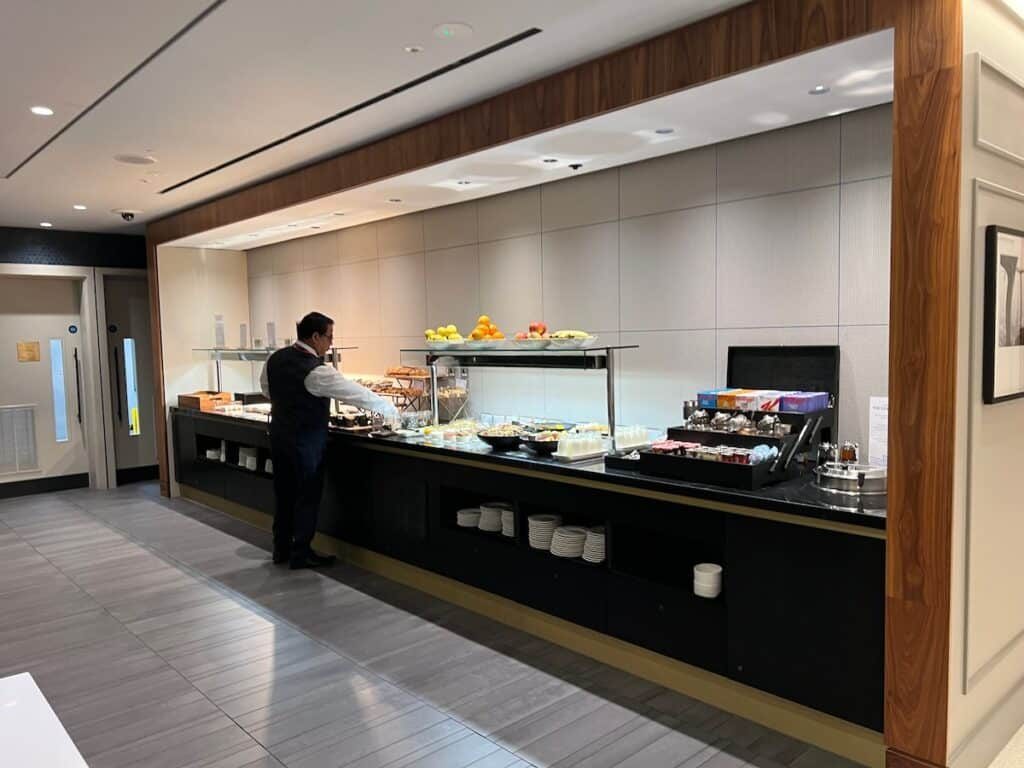
With a late departure, I usually end up choosing between two main comfort upgrades: airport lounges and day-use hotels. Both can be great. Both can also be a waste if you pick the wrong one for your situation.
Airport lounges
Lounges are ideal when:
- You’ll be at the airport for 3–6 hours, not 10.
- You have free or discounted access via airline status, Priority Pass, or a premium credit card.
- You mainly need Wi‑Fi, food, and a quiet seat, not a bed.
With tools like LoungeReview or your card’s app, you can check what’s actually available before you commit. Some lounges are fantastic; some are just crowded rooms with chips and lukewarm coffee.
Day-use hotels
Day-use rooms (booked directly or via platforms like ResortPass or day-use hotel sites) often make more sense when you’re trying to avoid extra hotel night charges but still want comfort:
- You have a very long gap (6–10+ hours).
- You want a proper shower, nap, and privacy.
- You’re traveling with kids or a group and need space to spread out.
My personal rule: if I’m going to be in one place for more than 5–6 hours and I’m already exhausted, a day room usually beats a lounge, even if it costs a bit more. The quality of rest is just different, and the hotel day use vs extra night cost comparison often comes out in favor of a day room for long gaps.
6. Early Checkouts and Early Departures: The Fees You Don’t See Coming
Gap day expenses aren’t only about late flights and long layovers. Sometimes your plans change and you need to leave the hotel earlier than expected. That’s when early departure fees quietly appear on your bill.
Many travelers mix these up with cancellation policies. They’re different. As explained in resources like Peery Hotel’s guide:
- Cancellation policy = what happens if you cancel before arrival.
- Early departure policy = what happens if you leave before your booked end date.
Typical early departure fees can be a flat amount (say $50–$100) or the cost of one extra night. On an international trip, that can sting almost as much as paying for two hotel nights by accident.
Here’s how I avoid or soften those international trip hidden gap day fees:
- Read the fine print before booking. I specifically look for
early departure
orshortened stay
language. - Ask at check-in. I’ll say,
If my plans change and I need to leave a day early, what’s the fee?
Better to know upfront. - Tell them as soon as plans shift. The more notice the hotel has, the more likely they are to waive or reduce fees.
- Explain genuine emergencies. For medical issues, family emergencies, or major disruptions, many hotels will quietly bend the rules if you’re honest and polite.
My default assumption: if I don’t ask, I pay. So I always ask.

7. Turning Gap Day into a Bonus Day (Not a Holding Pattern)
Once the logistics are sorted – late checkout, luggage, lounges, policies – the real question is: What do you actually do with this day? Because sitting in an airport for 8 hours is a choice, not destiny.
Here are a few ways I turn that awkward last day into a bonus instead of a drag:
- One last neighborhood walk. With bags stored at the hotel, I pick one area I haven’t explored and give it 2–3 focused hours.
- Food mission. I use the last day to hit a final café, bakery, or restaurant I missed earlier. No luggage, no rush, just one more good meal.
- Low-key self-care. If I don’t have a room, I might book a spa, massage, or even a barber/salon appointment near the hotel or airport. It’s a surprisingly good reset before a long flight.
- Work block. If I need to catch up on work, I plan a solid 3–4 hour session in a quiet café, coworking space, or lounge instead of half-working all day.
The key is to decide in advance what this day is for. Rest? Work? One last hit of the city? Once you decide, you can design your planning hotel checkout around flight time instead of drifting from lobby to gate.
8. A Simple Framework to Avoid Gap Day Regret
When I’m planning an international trip, I run a quick mental checklist to avoid those sneaky late flight early checkout costs:
- Map the times. What are my actual check-in, checkout, and flight times? Where are the gaps?
- Price the options. Compare an extra night, paid late checkout, a day-use hotel, lounge access, and doing nothing. Look at the real late flight vs extra hotel night comparison, not just sticker prices.
- Handle luggage. Confirm hotel storage and look up lockers or storage services if needed.
- Ask early, confirm later. Flag late checkout at check-in, then confirm 12–24 hours before departure.
- Check policies. Know early departure fees and any late checkout charges before you’re locked in.
- Give the day a purpose. Decide how you want to feel when you board that plane – rested, productive, or satisfied you squeezed the most out of the city.
Gap days aren’t going anywhere. Airlines will keep scheduling late flights, and hotels will keep needing rooms back by late morning. But with a bit of planning, some honest math, and a few well-timed questions, you can stop paying for dead time and start treating that last day as part of the trip – not the penalty for it.