
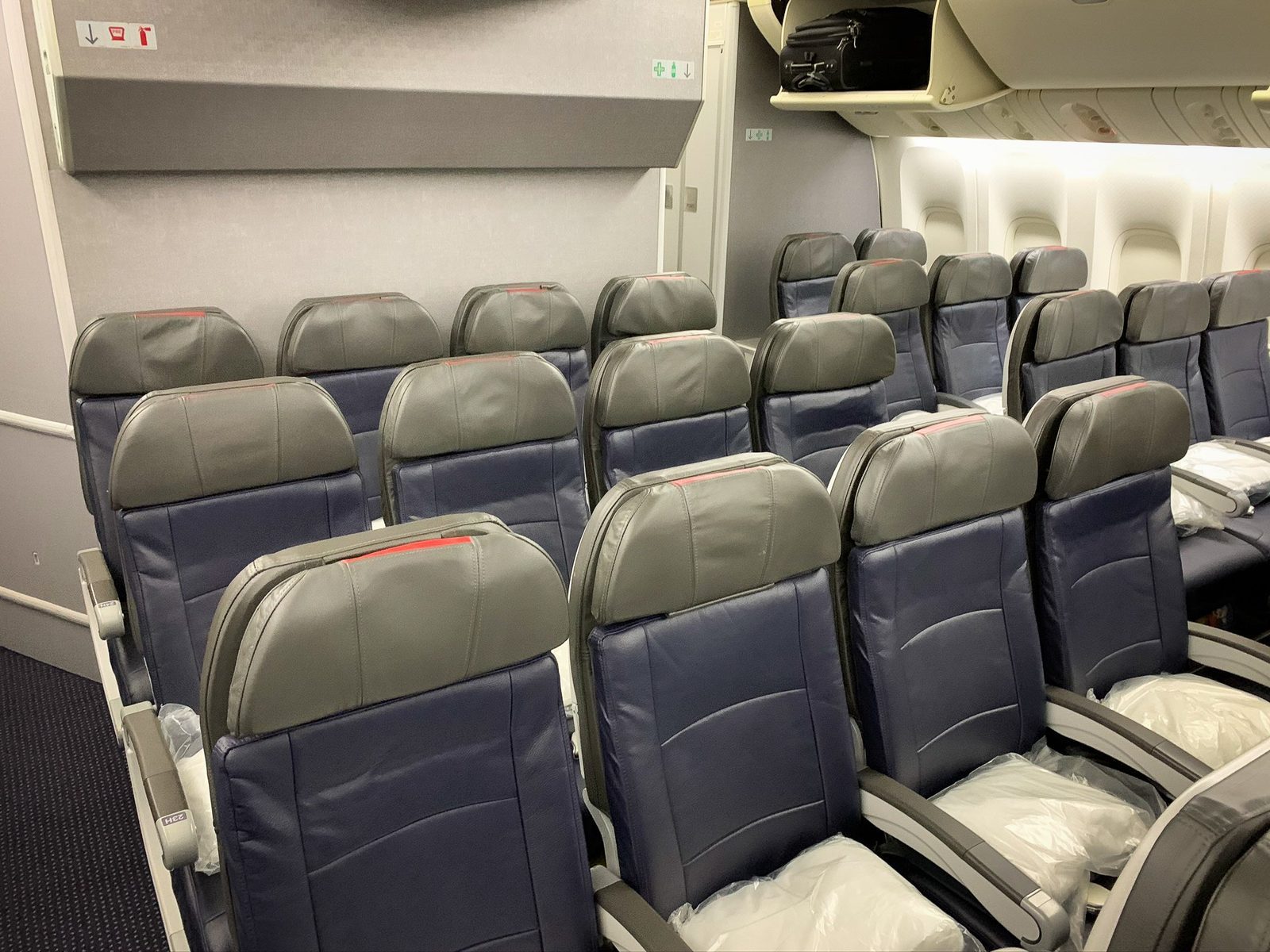
I love a good deal. But every time I see a rock-bottom airfare, a little alarm goes off in my head. If you’ve ever clicked on a “$79 flight!” only to check out at $220, you know the feeling. That’s the world of Basic Economy — where the headline price is cheap, and everything else is quietly for sale.
In this guide, I’ll walk you through the true cost of basic economy flights, how airlines design these fares to squeeze more money out of us, and how to tell when that cheap ticket is actually a trap.
1. The Basic Economy Trap: Why That Cheap Fare Exists
Here’s the uncomfortable truth: Basic Economy isn’t really about helping you save money. It’s about helping airlines segment you.
Carriers like American, Delta, and United created Basic Economy as a stripped-down version of regular economy. Same seat, same cabin, but with fewer rights: limited or no seat selection, harsh change rules, and baggage policies that feel like a pop quiz.
Economists call this versioning
— a form of price discrimination. Airlines deliberately create a worse version of economy so that:
- Ultra price-sensitive travelers tolerate the pain and buy Basic Economy.
- Everyone else looks at the restrictions, gets nervous, and pays more for regular economy.
So that $89 fare you see? It’s often there to make the $129 fare look reasonable. As one analysis of Basic Economy put it, these fares are intentionally designed to be somewhat painful
so you’ll upgrade.
Here’s the mindset shift that helps: Basic Economy is a marketing tool first, a bargain second. Once you see it that way, the whole basic economy vs regular economy cost comparison starts to look very different.
2. Baggage Rules: The Fastest Way a Cheap Ticket Gets Expensive
If there’s one place Basic Economy quietly drains your wallet, it’s bags. This is where many people lose the savings they thought they had.
On paper, most Basic Economy fares still include a personal item. Beyond that, the rules get messy and airline-specific, and this is where the cost of basic economy baggage really bites.
- United Basic Economy: On many U.S. domestic routes, you’re allowed only a personal item. Bring a full-size carry-on to the gate and you may pay around $75 to check it there. On some international routes (like transatlantic or many Pacific flights), a carry-on and sometimes a checked bag are included — but you have to read the fine print.
- American & Delta Basic Economy: Usually include a carry-on plus personal item, but checked bags are extra unless you’re on certain international routes or have elite status or co-branded credit card perks.
Now picture this:
- Basic Economy is $40 cheaper than main cabin.
- You need one checked bag each way at $35 per direction.
You’ve just paid $70 in bag fees to save $40 on the fare. You’re down $30, stuck with more restrictions, and you’ve just experienced the classic basic economy hidden costs problem.
My rule of thumb before I click on a “deal” fare:
- Can I realistically travel with just a personal item (and maybe a carry-on, if allowed)?
- Am I sure I won’t need to check a bag on the way back — souvenirs, work gear, kids’ stuff?
If the honest answer is “probably not,” Basic Economy is already losing its edge. This is often when basic economy is more expensive than it looks.
3. Seat Selection: The Hidden Fee Almost Everyone Forgets
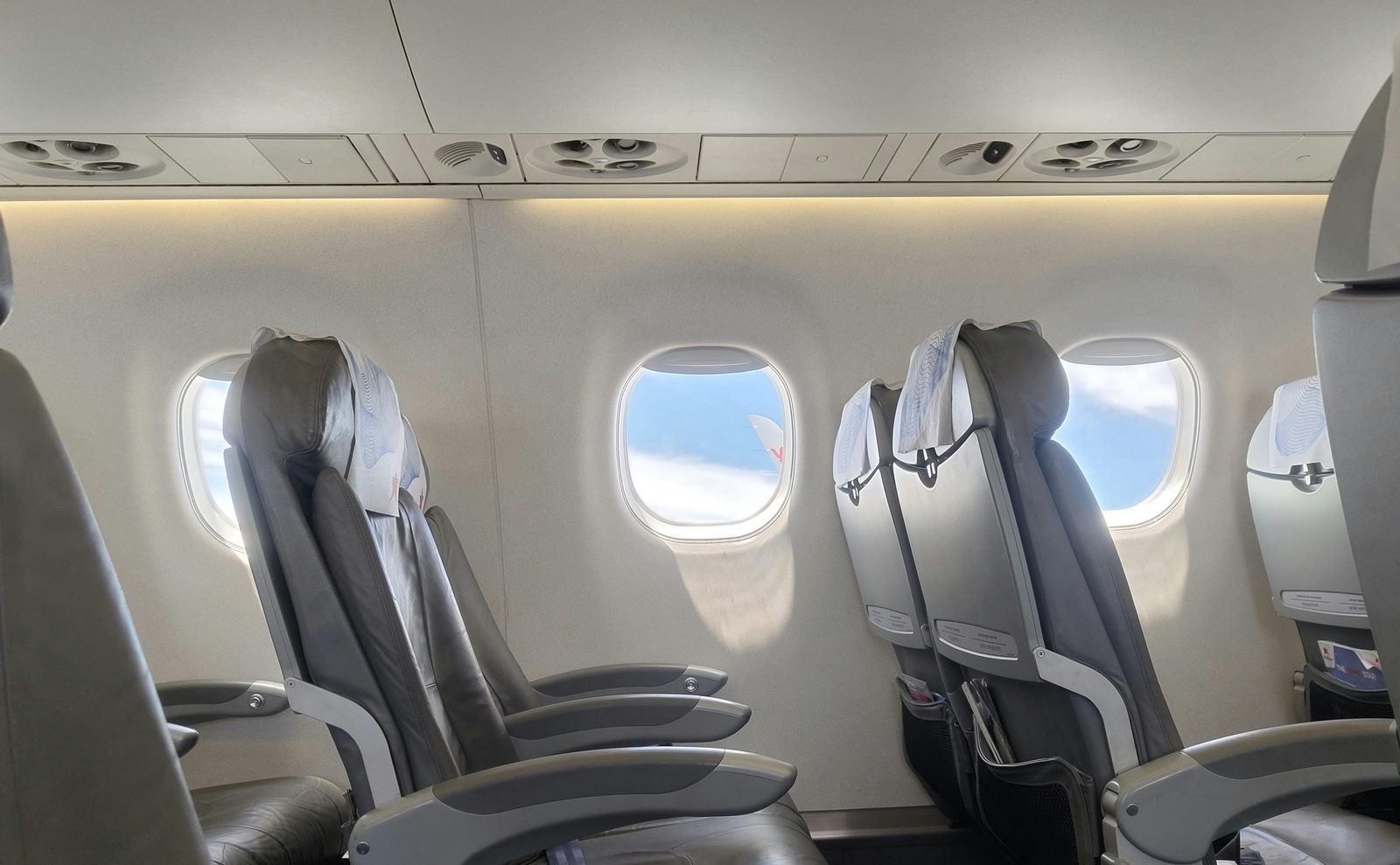
Seat selection is where a lot of “cheap” tickets quietly double in price — especially for families and couples. It’s one of the biggest basic economy ticket mistakes to avoid.
Here’s how airlines usually play it:
- Basic Economy: Often no free advance seat selection. Your seat is assigned at check-in or at the gate. If you want to choose a seat in advance, you pay — sometimes $10–$50+ per person, per segment.
- Standard/Regular Economy: Usually includes free selection of standard seats, but charges extra for preferred or extra-legroom seats.
On paper, that doesn’t sound terrible. In practice, it can be brutal:
- Families may be scattered across the cabin unless they pay.
- Couples end up in middle seats in different rows.
- Groups on multi-leg trips pay seat fees on every segment.
Let’s say you’re a family of four on a round-trip with one connection each way (that’s 4 segments):
- Seat fee: $20 per person, per segment.
- 4 people × 4 segments × $20 = $320 in seat fees.
Suddenly that $40-per-ticket Basic Economy discount looks ridiculous. This is the kind of basic economy seat selection fee that turns “cheap airfare” into a budget airline fare trap.
Two habits that actually save money:
- Always open the seat map before you book. Don’t just look at the fare. Look at what seats are available and what they cost for each leg.
- Price out seats for every traveler and every segment. If the total seat cost + Basic Economy fare is higher than regular economy, the decision is easy.
Most people never do this math. Airlines are counting on that.
4. Changes, Cancellations, and the Cost of Being Wrong
Basic Economy is built on one assumption: your plans will not change. If that’s not true, the fare can turn into a financial trap fast.
On many airlines, Basic Economy tickets are:
- Non-changeable or changeable only with heavy restrictions.
- Non-refundable beyond the 24-hour U.S. risk-free cancellation window.
United, for example, generally doesn’t allow changes on Basic Economy. You can cancel, but you may only get a partial travel credit, and you’ll still pay the difference for a new ticket. Other airlines have similar rules, often with enough friction that you’re effectively locked in. That’s the harsh side of basic economy change and cancellation fees.
Before you book, ask yourself:
- Is this trip tied to work, kids’ schedules, or events that might move?
- Is there any chance I’ll need to leave a day earlier or later?
- Am I booking far in advance, when life is more likely to change?
If the answer is “yes” to any of those, the flexibility of regular economy has real value. Paying $40–$80 more up front can be cheaper than eating a $200+ Basic Economy ticket later.
Basic Economy works best when:
- Your dates are fixed.
- The trip is short and simple (ideally nonstop).
- You’re okay with the idea that if something goes wrong, you might just not go.
If that last line makes you uncomfortable, that’s your answer.
5. Families, Groups, and the “Sitting Together” Problem
Airlines love to say they try
to seat families together. The key word is try
.
With Basic Economy, you’re often at the mercy of the seat assignment algorithm. Some airlines have specific policies:
- United says it will seat children under 12 next to at least one adult on the reservation when possible, but the rest of the group may be scattered.
- Other carriers make similar promises, but none guarantee that your whole group will sit together without paying.
So you end up with two choices:
- Roll the dice and hope the system (or gate agent) is kind.
- Pay for seats — often enough to erase any Basic Economy savings.
For couples or solo travelers who don’t care where they sit, this might be fine. For parents, it’s a different story. I’ve seen families at the gate begging other passengers to swap seats because they didn’t realize Basic Economy meant no guaranteed seating together.
My personal rule: if I’m traveling with kids or on a special trip (honeymoon, once-in-a-lifetime vacation, important event), I treat Basic Economy as off-limits unless the savings are huge and I’ve fully priced out seat fees. In those cases, the basic economy vs main cabin price difference has to be big enough to justify the stress.
6. Boarding Order, Overhead Bins, and the Stress Tax
Basic Economy doesn’t just cost money. It costs mental energy.
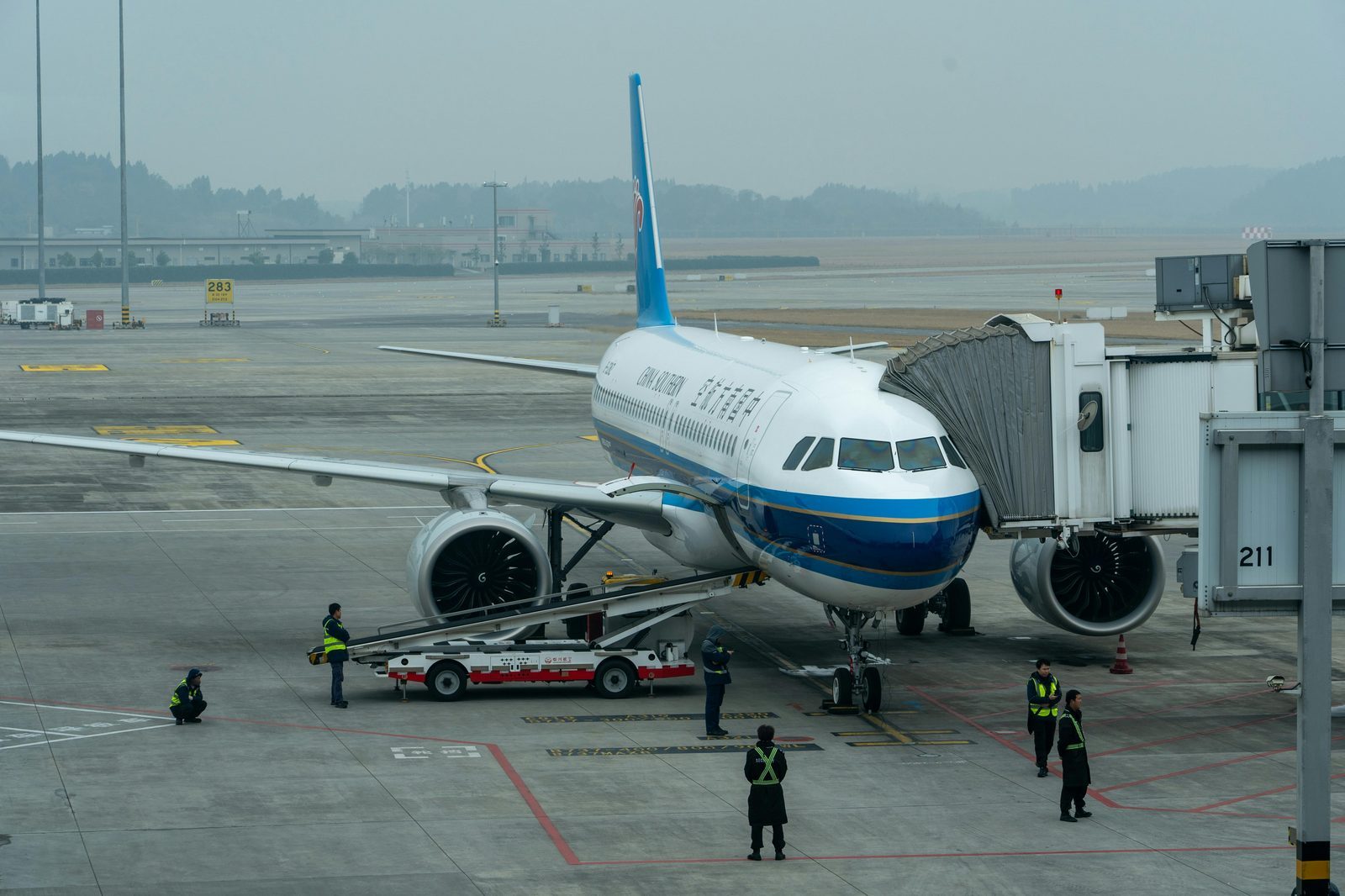
Most airlines board Basic Economy passengers last. That means:
- Overhead bin space may be gone by the time you board.
- You’re more likely to have your bag gate-checked (sometimes with a fee, depending on the airline and route).
- The whole boarding process feels more rushed and stressful.
On United, Basic Economy passengers usually board in Group 6 — behind almost everyone else. On American and Delta, Basic Economy is also at the back of the line.
Is that the end of the world? No. But it’s part of the experience cost
that doesn’t show up in the fare. If you’re already paying for a trip, it’s worth asking: How much is a calmer, smoother experience worth to me?
For some travelers, the answer is not much
, and Basic Economy is fine. For others, especially on longer or more important trips, that stress tax is real — another reason basic economy isn’t always really cheaper.
7. Airline-by-Airline: Why the “Same” Basic Economy Isn’t Actually the Same
Here’s where it gets even trickier: Basic Economy isn’t standardized. Each airline tweaks the rules just enough to keep you guessing.
A few examples that matter when you’re doing an airline basic economy cost comparison:
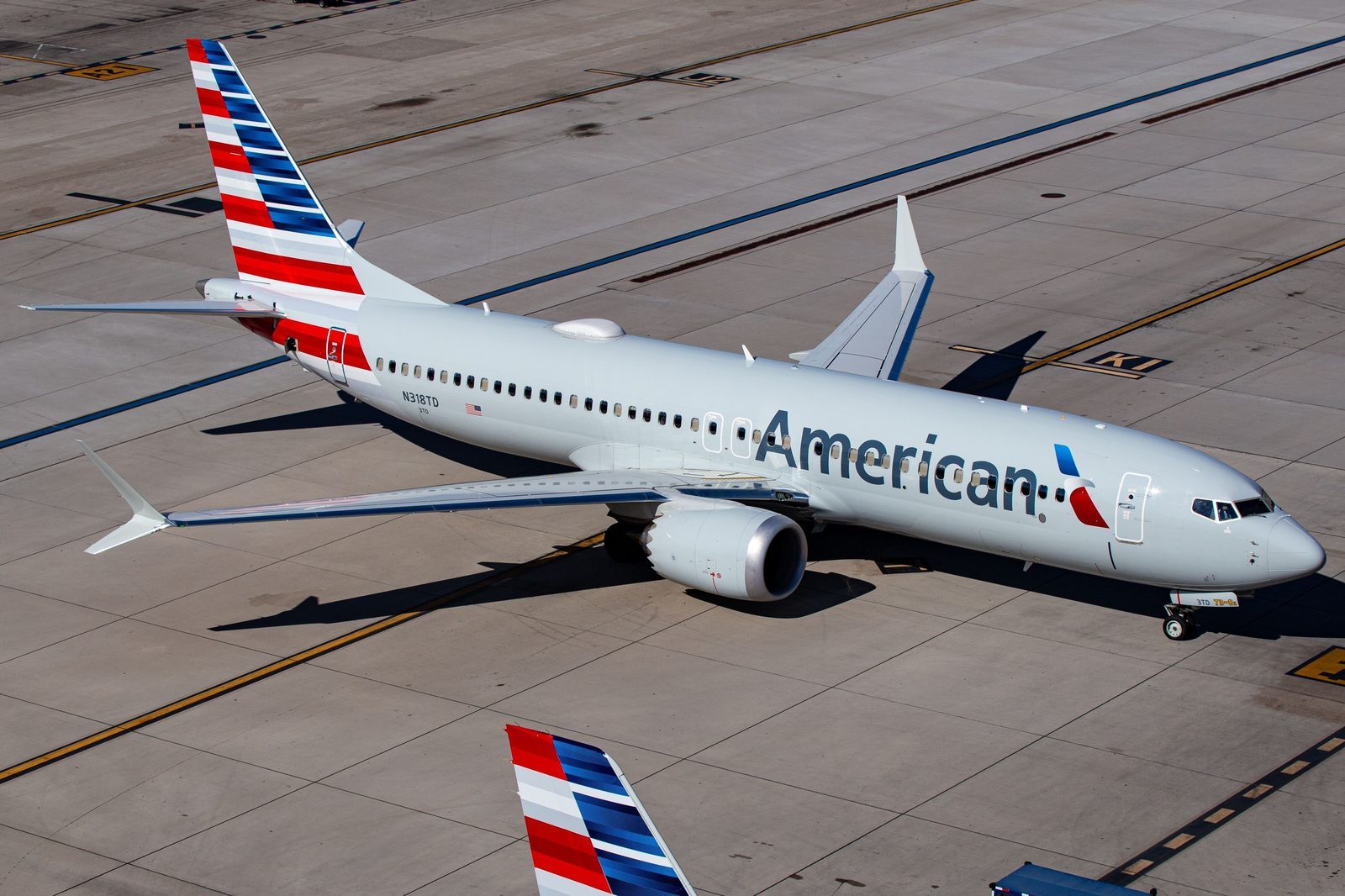
- American Airlines Basic Economy: Often includes a full-size carry-on, but you’ll board last, pay for checked bags, and face restrictions on changes and upgrades. It earns reduced miles compared to regular economy.
- Delta Basic (Delta Main Basic): Includes a carry-on, but you board last and can’t upgrade. In some cases, you may earn reduced or no miles, depending on the specific fare rules and program changes.
- United Basic Economy: The strictest on many domestic routes, with personal-item-only rules and limited flexibility. Some international routes are more generous with bags, but you must read the route-specific details on United’s Basic Economy page.
Even within one airline, Basic Economy isn’t offered on every route, and the price gap to regular economy can swing from $10 to hundreds of dollars. Sometimes the upsell is a no-brainer. Sometimes it’s pure profit for the airline.
This is why I always do two things:
- Check the airline’s official Basic Economy page for the exact route I’m flying. Policies change, and third-party sites are often outdated.
- Compare total trip cost, not just fare cost. Bags, seats, change flexibility, and even mileage earning all matter when you’re weighing basic economy vs main cabin price.
8. A Simple Framework: When Basic Economy Is Worth It (and When It’s a Scam)
Let’s pull this together into something you can actually use when you’re staring at two fares and a countdown timer. This is the quick way to see the basic economy fees breakdown and decide if that cheap fare is real or just another cheap airfare hidden fee situation.
Basic Economy can make sense when:
- The trip is short, simple, and likely to happen exactly as planned.
- You can travel with just a personal item (and maybe a carry-on, if allowed).
- You’re traveling solo or don’t care where you sit.
- The price gap to regular economy is large (think 25–30%+ cheaper).
- You’ve checked seat maps and bag fees and still come out ahead.
Regular Economy is usually smarter when:
- You’re traveling with kids, a partner, or a group and want to sit together.
- You need a checked bag or a guaranteed carry-on.
- Your plans might change, or you’re booking far in advance.
- The trip is important (weddings, big vacations, work events).
- The price difference is small (often under $40–$60 each way).
Before you decide, run this quick checklist to avoid the classic budget airline fare traps:
- List your real needs: bags, seat preferences, flexibility, sitting together.
- Open the seat map and price seats for every traveler and segment.
- Add bag fees based on what you’ll actually bring, not what you wish you could bring.
- Compare total cost of Basic Economy + extras vs. regular economy.
- Factor in risk: what happens if your plans change?
If Basic Economy is still clearly cheaper after all that, and you’re comfortable with the restrictions, go for it. You’ve beaten the system on that flight.
If not, remember this: airlines designed Basic Economy to look cheap and feel expensive. Your job is to flip that script — and pay for the ticket that’s actually the better value, not just the lowest number on the screen.