I’ve lost count of how many times I’ve clicked on a rock-bottom fare, felt that little rush of victory, and then watched the total quietly double by the time I reached the payment screen. If you’ve ever thought, Wait, how did my $129 flight become $260?
you’re not alone.
On most airlines, basic economy vs regular economy is a game of perception. Basic economy is designed to look cheap. Regular economy is designed to look expensive next to it. The real cost usually sits somewhere in the middle – and that’s where a lot of travelers overpay.
Let’s walk through the real trade-offs so you can decide, before you book, whether that basic economy deal is a smart move or a trap that leads to cheap airfare that ends up costing more.
1. Are You Really Saving Money – Or Just Delaying the Pain?
When I compare basic economy vs regular economy, I don’t start with the fare on the screen. I start with a different question: What will this trip actually cost me, door to door?
Basic economy is usually about 15–30% cheaper than regular economy. On many U.S. routes, that’s roughly $20–$100 less each way. Looks like a win, right? But here’s what often gets added back in:
- Seat selection fees (especially if you want to avoid a middle seat or sit with someone)
- Carry-on or checked bag fees (varies by airline and route)
- Change or cancellation fees if your plans shift
- Lost value from reduced or no miles and elite credit on some basic fares
On paper, basic economy looks like a bargain. In practice, the moment you need anything beyond a seat and a personal item, the math can flip fast. Those hidden costs of basic economy are where people get burned.
Here’s the rule of thumb I use: if the difference between basic and regular economy is under about $40–$60 each way, I assume regular economy will be the better value for most trips. Once you factor in even one bag or a seat choice, that small gap usually disappears.
If you want to see how airlines frame this, it’s worth skimming a few official pages, like American’s Basic Economy vs. Main Cabin comparison, or independent breakdowns such as Travel + Leisure’s guide on when basic economy isn’t worth it.
2. How Much Is Your Seat (and Your Neighbor) Worth to You?
Here’s something many people miss in the airline fare class comparison: basic vs economy. Basic economy and regular economy usually put you in the same physical seat in the same cabin. Same legroom, same snacks, same air.
The difference is control.
With basic economy, you’re essentially saying: Put me wherever you want, and I’ll live with it.
That usually means:
- Seat assigned at check-in or at the gate
- High chance of a middle seat, often toward the back
- No guarantee you’ll sit with your partner, friends, or even your kids
Regular economy (or Main Cabin on some airlines) usually gives you back:
- Advance seat selection (sometimes including preferred seats for a fee)
- Better odds of aisle or window seats
- Much higher chance of sitting together if you’re traveling as a group
On a 45-minute hop, you might shrug and roll the dice. On a 6-hour cross-country or an overnight international flight, that gamble can feel very long.
Here’s how I decide:
- Solo, short flight, not picky? Basic economy can be fine.
- Couple or family who really wants to sit together? I almost always pay for regular economy or at least factor in seat selection fees.
- Long-haul or special trip? I treat seat choice as part of the base cost, not an optional extra.

If you’re traveling with kids, pay close attention: some airlines explicitly say they do not guarantee that children will be seated with parents on basic economy. They’ll try, but that’s not the same as a promise. For family travel, basic economy vs economy can be the difference between a manageable flight and a stressful one.
3. Bags, Boarding, and the Overhead Bin Hunger Games
Most travelers underestimate how much baggage rules change the value of a fare. This is where basic economy can quietly become more expensive than regular economy – or even pricier than another airline entirely.
Typical basic economy baggage fees and rules look like this:
- Personal item is usually included (must fit under the seat).
- Carry-on may or may not be included, depending on the airline and route.
- Checked bags are almost always extra.
- You often board last, so overhead bin space is scarce.
Regular economy usually gives you:
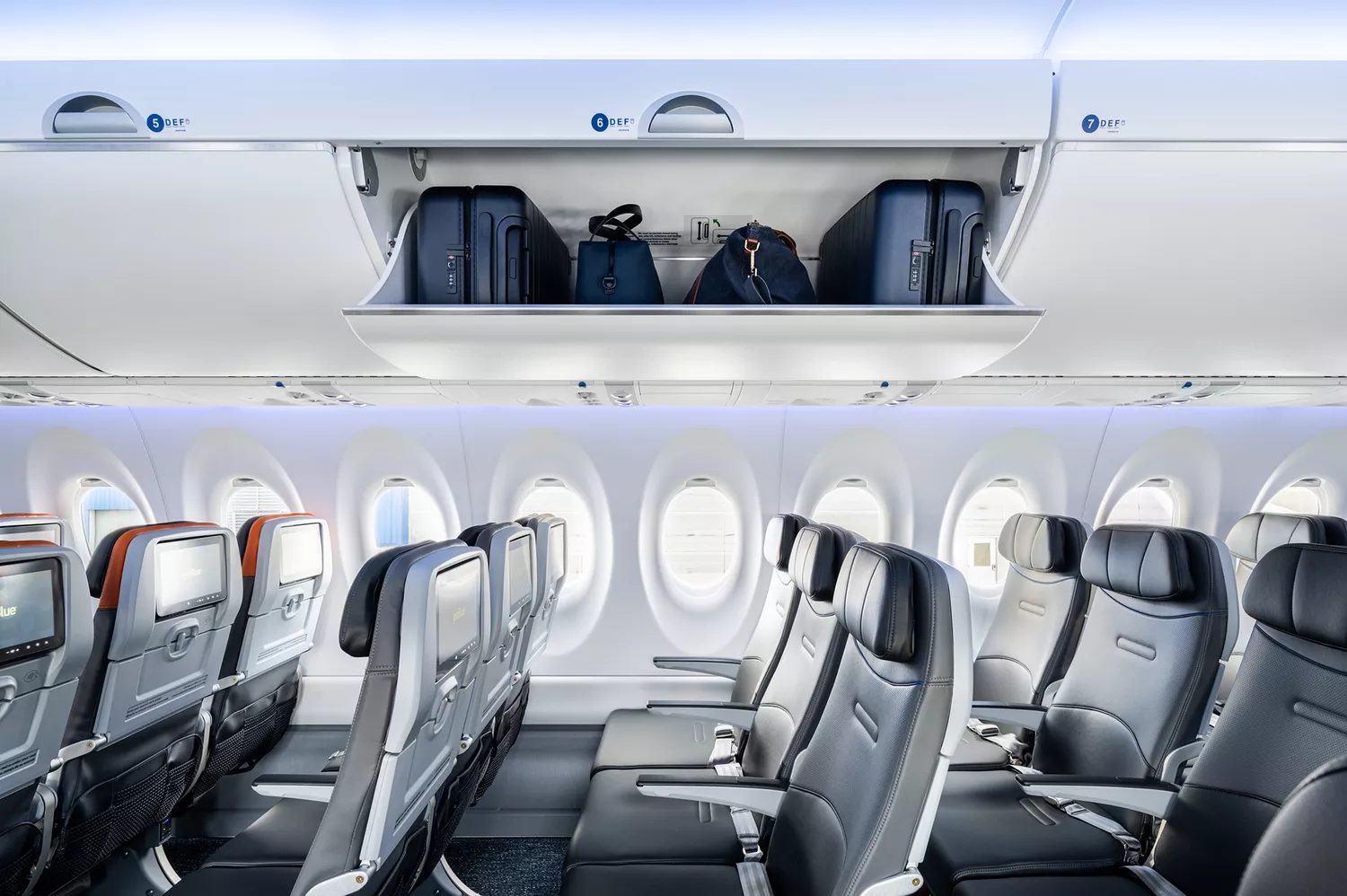
- Personal item + full-size carry-on included on most major U.S. airlines
- Earlier boarding group, so you actually find bin space
- Sometimes a checked bag included on international or certain routes
Now picture this:
- You book basic economy because it’s $40 cheaper.
- You show up with a carry-on that your fare doesn’t technically allow.
- At the gate, you’re forced to check it and pay a high last-minute bag fee.
That one moment can wipe out your savings and then some. And because basic economy boards last, even when a carry-on is allowed, you’re more likely to have it gate-checked anyway.
My approach:
- If I’m traveling with only a personal item and I don’t care about overhead space, basic economy can work.
- If I need a carry-on or I’m on a tight connection where I can’t risk waiting at baggage claim, I strongly prefer regular economy.
Before you book, always check the specific basic economy restrictions for bags on that airline and route. The fine print matters here.
4. How Risky Are Your Plans? (Changes, Cancellations, and Chaos)
Basic economy is built for one type of traveler: the person whose plans are set in stone. No changes, no cancellations, no drama.
Real life doesn’t always work that way. Work trips move. Kids get sick. Weather melts the schedule. When that happens, basic economy can go from cheap
to painful
very quickly.
Common basic economy change and cancellation rules include:
- Little or no ability to change your ticket without heavy fees
- Often no refunds, even as credits, on many routes
- Limited or no eligibility for same-day changes or standby
Regular economy usually offers:
- More flexible change policies (sometimes change fees, sometimes fare difference only)
- Better access to same-day changes or standby options
- More protection and options when flights are disrupted
If there’s even a moderate chance I’ll need to move the flight, I treat basic economy as a non-starter. The cost of one change can easily exceed the original savings. This is one of the most common basic economy ticket mistakes people make.
Think about your situation:
- Business travel? Meetings move. Clients reschedule. Pay for flexibility.
- Traveling in winter? Weather delays are common. Flexibility matters.
- Big life events? Weddings, graduations, family emergencies – I avoid basic economy here.
On the other hand, if I’m flying a short, cheap route for a quick weekend with fixed dates and no moving parts, I’m more willing to lock in a basic fare.
5. Are You Traveling Solo, as a Couple, or With a Family?
Basic economy is not neutral. It favors certain types of travelers and punishes others. This is where the basic economy vs main cabin comparison really depends on who you are and how you travel.
Who basic economy works best for:
- Solo travelers who don’t care where they sit
- People with no checked bags and maybe no carry-on
- Trips that are short, simple, and fixed
Who usually loses with basic economy:
- Families who need to sit together
- Couples who care about sitting side by side
- Business travelers who often need to adjust schedules
- Anyone on a long-haul flight where seat comfort and location matter more

For families, the risk isn’t just discomfort. On some airlines, basic economy passengers are also more likely to be bumped on oversold flights. If I’m traveling with kids, I treat basic economy as a last resort, not a default. For family travel, basic economy vs economy is almost always an easy call: pay for regular economy.
For couples, I ask one simple question: Is it worth $40–$80 total to guarantee we sit together and have some control?
On a long flight, the answer is almost always yes.
6. Loyalty, Miles, and the Hidden Cost of Earning Less
Here’s the part many people ignore when they ask, Is basic economy worth it?
Basic economy can quietly slow down your progress toward status and free flights.
Depending on the airline, basic economy may mean:
- Reduced miles or points earned
- No elite-qualifying credit on some carriers
- No upgrade eligibility, even if you have status
Regular economy usually restores:
- Full mileage earning
- Elite-qualifying credit
- Access to complimentary or paid upgrades where applicable
If you fly only once or twice a year, this might not matter much. But if you’re chasing status or rely on miles for future trips, those basic economy savings can cost you in the long run.
When I’m close to a status tier, I treat basic economy as almost off-limits. The lost miles and benefits are worth far more than the $30–$50 I’d save today. In that context, the regular economy benefits over basic economy are pretty clear.
7. A Simple Checklist: When Basic Economy Is (and Isn’t) Worth It
To make this practical, here’s the quick filter I use before I click buy
. It’s the shortcut I wish I’d had before learning the hard way when to avoid basic economy fares.
Basic Economy might be worth it if:
- You’re traveling solo.
- The flight is short (under ~3 hours).
- Your plans are very unlikely to change.
- You’re bringing only a personal item (or you’ve confirmed a carry-on is included).
- You truly don’t care where you sit.
- The price difference vs. regular economy is large (around $70+ each way).
Regular Economy is usually the smarter choice if:
- You’re traveling with family, kids, or a partner.
- The flight is long or overnight.
- You need flexibility for changes or cancellations.
- You’re checking bags or relying on a full-size carry-on.
- You care about earning miles or maintaining status.
- The price difference is modest (under ~$50 each way).
Before you book, try this: open a note on your phone and write down what you actually need for this trip – seat choice, bags, flexibility, miles. Then compare the total cost of basic economy (with all the add-ons you’ll realistically pay for) against regular economy.
Often, you’ll find that the cheap
fare isn’t really cheap at all. Once you see that clearly, you stop falling for the headline price and start buying the ticket that actually fits the way you travel.