

I plan my Europe trips around one question: How do I get the best experience with the fewest people and the lowest bill?
Not the sunniest day. Not the most Instagrammable month. The best trade-off.
If that sounds like you, this guide is for you. I’ll walk through Europe region by region, show you when crowds thin out, when prices drop, and when the weather is still good enough that you don’t feel like you’ve been tricked by a cheap flight.
1. Start With Your Priorities, Not the Calendar
Before I even look at flight prices, I force myself to answer four blunt questions:
- Weather: Do I need warm & sunny, or just
not miserable
? - Crowds: Am I okay with some lines, or do I shut down in packed streets?
- Budget: Is this a splurge trip or a
find the cheapest shoulder season flight
trip? - Activities: Beaches, museums, hiking, Christmas markets, wine, festivals?
Most of Europe follows the same basic pattern, whether you’re planning a first trip or trying to avoid classic Europe travel mistakes when picking dates:
- Peak season: late June–August (plus Christmas/New Year in some cities) = best weather, worst prices and crowds.
- Shoulder season: roughly April–early June and September–October = the sweet spot for most travelers.
- Off-season: November–March (excluding holidays) = cheapest, quietest, but shorter days and more closures.
The trick is that each region shifts this pattern slightly. Southern Europe stays warm longer. Northern Europe shuts down earlier. Central Europe has sharp shoulder seasons that are gold if you time them right.
If you want a deeper seasonal overview, I like how this guide breaks down Europe by season rather than destination. It’s handy if you’re comparing spring vs fall or off season vs peak season at a glance.

2. Southern Europe (Spain, Portugal, Italy, Greece): Chase the Shoulder Seasons
Southern Europe is where people most often get the timing wrong. They chase summer in Europe
and end up paying triple to stand in 38°C heat with half of the planet.
If you’re trying to figure out the best time to visit Europe without crowds, this is the region where shoulder season really saves you.
- Best balance (my pick): late April–early June & mid-September–late October
- Cheapest with decent weather: March & November (especially in southern Spain, Portugal, southern Italy, Greek islands)
- Avoid if you hate crowds & heat: late June–August, especially coastal hotspots (Amalfi, Santorini, Barcelona, Mykonos)
Why shoulder season wins here:
- Weather: Still warm enough for beaches into October in Greece, Spain, and southern Italy. You can swim without melting.
- Prices: Flights and hotels drop sharply compared to August. In places like the Amalfi Coast, I’ve seen October hotel rates less than half of July’s, which matches what others have reported in guides like this shoulder-season breakdown.
- Crowds: You still won’t be alone in Santorini or Cinque Terre, but you can actually walk, eat, and breathe.
Some specific timing sweet spots if you’re planning low season Europe travel deals:
- Andalusia (Seville, Granada, Córdoba): November–March is surprisingly pleasant. Seville is one of continental Europe’s warmest winter cities, and winter trips avoid the brutal summer heat while keeping prices low.
- Greek Islands (especially Ionian islands like Corfu, Kefalonia): Late May–mid June and mid-September–early October. Ferries run, water is swimmable, and you’re not fighting for a sunbed.
- Rome, Florence, Venice: March–May and late September–November. Florence in low season is especially good because its main draws—art and architecture—don’t depend on perfect weather.
If your dates are fixed in July or August, I’d either:
- Shift away from the most famous coasts (skip Santorini for a quieter island, or Amalfi for Puglia), or
- Base in cities that handle heat better (Lisbon, Porto, or northern Spain) and plan around midday heat.
That way you still get a taste of summer without the worst of the crowds or prices.
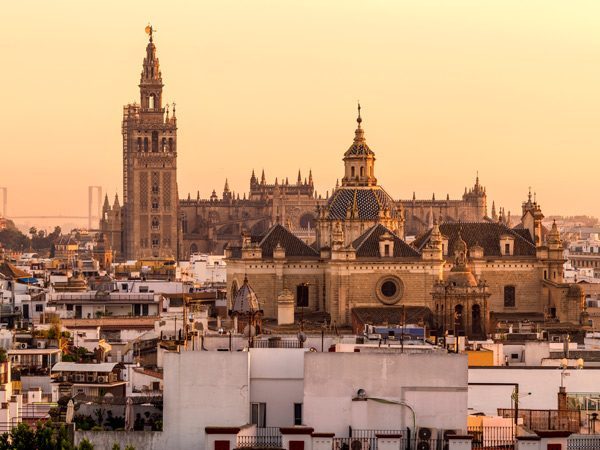
3. Western Europe (France, UK, Ireland, Benelux): Spring & Fall for Cities, Winter for Deals
Western Europe is where shoulder season really shines. Paris, London, Amsterdam, Brussels, Dublin—they’re all built for year-round life, not just summer tourism. That gives you more flexibility when you’re trying to avoid tourist crowds in Europe.
My rule of thumb:
- Best overall: May–June and September–October
- Cheapest: January–March (except around Valentine’s Day in Paris and school holidays)
- Most overrated: August in Paris, London, Amsterdam (crowds + some local closures)
Why I like shoulder season here:
- Weather: You get long enough days and mild temperatures for walking-heavy city trips.
- Crowds: You still need to book big-ticket sights, but you’re not stuck in peak-summer queues.
- Prices: Airfare and hotels are often 20–30% lower than peak summer if you’re flexible, which lines up with what many shoulder-season airfare analyses show.
Some timing ideas by place, if you’re comparing Europe off season vs peak season:
- Paris: March–May and late September–early November. March gives you fewer crowds and early blossoms; October gives you that moody, golden light and lower prices. A crowd-averse month-by-month guide I like even calls out March in Paris as a sweet spot for fewer lines and romantic side trips to Rouen or Reims.
- Amsterdam & the Netherlands: Mid-April–early May for tulips, but avoid Easter weekends if you hate crowds. For cheaper, quieter trips, late May or late September are better.
- UK & Ireland: May–June and September. July–August can be crowded and expensive, especially in London and Edinburgh. April can be lovely but is more of a weather gamble.
If you’re very budget-focused and don’t mind gray skies, January and February can be excellent for Paris, London, and Amsterdam. You’ll trade some charm for low prices and short lines, but for museum-heavy trips, that’s often worth it.
For many budget travelers, these months are the cheapest time to travel to Europe for big-name cities.

4. Central Europe (Germany, Austria, Switzerland, Czechia): Shoulder Seasons + Winter Magic
Central Europe is where timing matters most. The difference between a packed, sweaty August in Prague and a quiet, atmospheric January is huge.
Here’s the pattern I use:
- Best balance for cities & countryside: May–June and September–early October
- Best for Christmas markets: late November–mid December
- Cheapest & quietest: January–early March (outside ski resorts)
Why this region is special:
- Seasonality is sharp: Summer can be hot and crowded; winter can be cold but magical and cheap.
- City vs. ski split: Ski areas peak in winter; cities often empty out and discount.
Some specific timing wins if you’re watching Europe travel prices by season:
- Prague & Czech towns: January is fantastic if you like moody winter vibes and low prices. A crowd-averse guide I trust actually recommends Prague in January specifically for this reason.
- Austria (Vienna, Salzburg, Innsbruck): February is busy in the mountains but calmer in the cities. You get winter charm without summer crowds, plus local Fasnacht carnival events.
- Germany (Munich, Bavaria): May–June and September–October. Spring gives you beer gardens and parks; fall gives you foliage and post-Oktoberfest calm. Late November–December is great if you’re there for Christmas markets and don’t mind higher seasonal prices.
- Switzerland: For non-skiers, June and September are ideal—hiking trails are open, but you avoid peak August crowds and prices.
If you’re flexible and want both low prices and atmosphere, I’d seriously consider:
- Late November: Christmas markets are starting, but flights and hotels haven’t hit full December pricing yet.
- Early March: Winter is fading, crowds are minimal, and you can still get some snow in the mountains.
For crowd-averse travelers, this is one of the quietest times to visit popular European cities like Vienna or Prague without feeling like everything is shut.
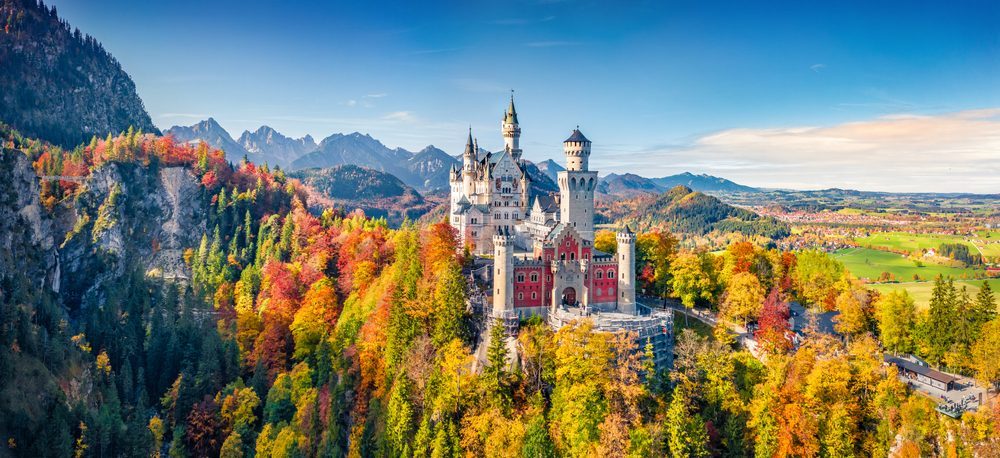
5. Northern Europe & Scandinavia: Light vs. Crowds vs. Cost
Northern Europe is where you really have to decide what you care about most: daylight, warmth, or solitude. You can’t have all three.
My rough framework:
- Best for city breaks with fewer crowds: May–June and September
- Best for nature & long days: late June–July (especially Norway, Sweden, Finland)
- Best for Northern Lights & low prices: November–March (outside Christmas/New Year)
Some trade-offs by experience:
- Norway’s fjords & Lofoten: July is peak for scenery and midnight sun. It’s not empty, but because it’s remote, you can still find solitude if you get off the main routes. Prices are high, though.
- Stockholm, Copenhagen, Helsinki: May–June and September are ideal. You get long days, café culture, and fewer cruise-ship crowds than in July–August.
- Reykjavik & Iceland: For road trips, late May–June and September are the sweet spots. For Northern Lights and lower prices, aim for November–March, but expect short days and winter driving conditions.
If you’re very crowd-averse and don’t mind cold, winter in Scandinavia can be surprisingly peaceful and rewarding. Just be honest with yourself about how you handle darkness and weather. A cheap flight isn’t worth it if you’re miserable by 3 p.m. sunset.
When you look at Europe crowd levels by month, this region has some of the biggest swings between July and January—use that to your advantage.
6. Eastern & Southeastern Europe: Value in the Edges of the Season
Eastern and Southeastern Europe (think Slovenia, Croatia, Hungary, the Balkans, parts of Turkey) are where you can still find Europe in summer
without the worst of Western Europe’s prices—if you time it right.
My timing rules:
- Best balance: May–June and September–early October
- Cheapest with decent weather: April & October–November (for cities)
- Avoid if you hate crowds: late July–August on the Adriatic coast (Dubrovnik, Split, some Greek and Croatian islands)
Some specific sweet spots for budget-conscious travelers:
- Slovenia (Ljubljana, Lake Bled, Julian Alps, Piran): Early June is almost perfect—pleasant weather, manageable crowds, and both coast and mountains accessible. A crowd-focused month-by-month guide I like calls out early June in Slovenia as a prime time for slow travel.
- Croatia (Dubrovnik, Split, islands): Late May–mid June and mid-September–early October. You still get beach weather, but cruise crowds and prices are lower.
- Budapest, Belgrade, Sofia, Bucharest: April–June and September–October. Summer can be hot and busy; winter is cheap but gray.
- Istanbul: April is a standout month thanks to the Tulip Festival and pre-peak-season prices. May–October is high season; I’d personally aim for April or October.
If you’re trying to stretch your budget, this region is where shoulder season really pays off. You get lower baseline prices plus the usual shoulder-season discounts on flights and hotels.
For many budget travelers, these are some of the most affordable months to visit Europe without sacrificing too much on weather.
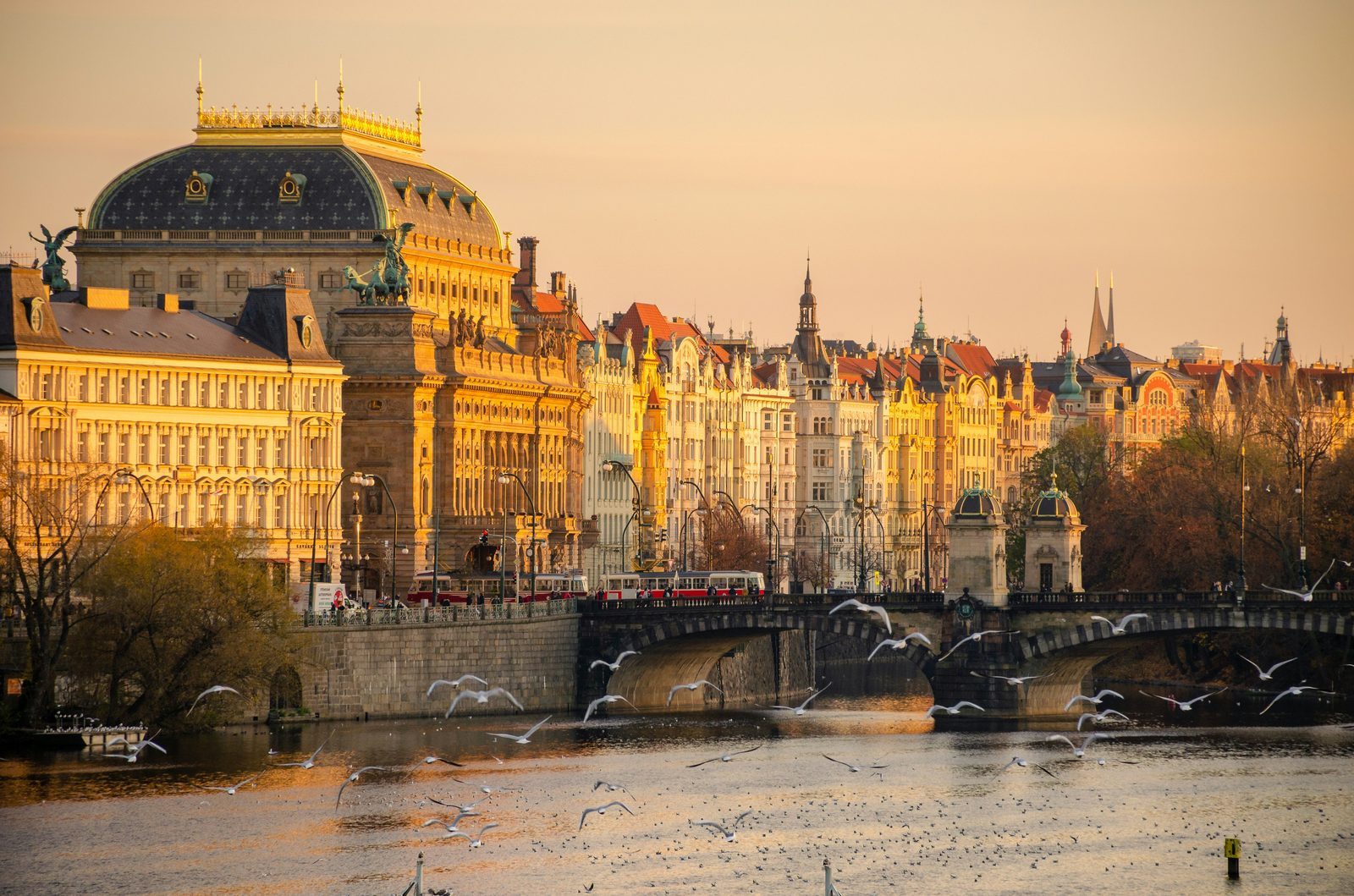
7. How to Pick Your Month If You Hate Crowds (But Still Want Good Weather)
When I help friends plan trips, I usually start with this simple decision tree. It’s a quick way to narrow down Europe travel dates to avoid crowds without getting lost in the details.
- Do you need warm weather and beaches?
- Yes → Aim for late May–mid June or mid-September–early October in Southern or Southeastern Europe.
- No → Go to step 2.
- Are you okay with some rain and cooler temps to save money?
- Yes → Look at March, April, October, or November for city-heavy trips.
- No → Stick to May–June or September.
- Do you actively enjoy winter vibes? (Christmas markets, snow, cozy cafés)
- Yes → Consider late November–mid December for markets, or January–February for the cheapest winter city breaks.
- No → Avoid November–February outside of ski trips.
Some underrated months if you want fewer people and lower prices without totally sacrificing weather:
- March: Great for southern city breaks (Seville, Lisbon, Rome, Athens). Early blooms, lower prices, and fewer crowds.
- May: Often the best overall month for Europe—especially for first-timers. Good weather, not yet peak crowds.
- September: My personal favorite. Warm seas in the south, comfortable cities in the north, and a noticeable drop in prices after August.
- January–February: If you’re very budget-driven and crowd-averse, these are gold for big cities and some lesser-known destinations.
If you’re planning a Europe trip timing for budget travelers, these months are usually where you’ll find the best balance between cost, comfort, and crowd levels.

8. Quick Regional Cheat Sheet (If You’re Still Deciding)
If you’ve read this far and still feel overwhelmed, here’s the blunt, region-by-region summary I’d actually use to plan my own trips. Think of it as your quick cheat sheet for when Europe is least crowded but still enjoyable.
- Southern Europe (Spain, Portugal, Italy, Greece):
Go in late April–early June or mid-September–late October. Avoid August unless you’re prepared for heat, crowds, and higher prices. - Western Europe (France, UK, Ireland, Benelux):
Go in May–June or September–October. For cheap city breaks, consider January–March. - Central Europe (Germany, Austria, Switzerland, Czechia):
Go in May–June or September–early October. For Christmas markets, late November–mid December. For low prices and moody winter charm, January–March. - Northern Europe & Scandinavia:
For cities and comfort, May–June or September. For fjords and midnight sun, late June–July. For Northern Lights and low prices, November–March. - Eastern & Southeastern Europe:
For coasts and islands, May–June or September–early October. For cheap city trips, April and October–November.
The main mindset shift? Stop asking When is Europe best?
and start asking When is this region best for my priorities?
Once you do that, the calendar stops feeling like a constraint and starts feeling like a tool.
And when you use it well, you get what everyone secretly wants: quieter streets, better prices, and a Europe trip that actually feels like yours.