I love a cheap fare as much as anyone. I’ve also watched a “$39 deal” quietly turn into a $180 headache once bags and extras pile on. If you’ve ever stood at the gate while an agent measures your bag and quotes a fee higher than your ticket, you know the sting.
This is the baggage strategy I use for budget airlines. No arguing at the counter, no drama at the gate—just understanding the rules well enough to avoid the traps and keep those “cheap” flights actually cheap.
1. First Decision: Is This Budget Fare Actually Cheaper?
Before I even think about packing, I ask a blunt question: Is this budget airline still cheaper once I add the bags I’ll realistically bring?
Low-cost carriers live on drip pricing. The base fare looks amazing, but everything else is unbundled: carry-ons, checked bags, seat selection, priority boarding, sometimes even printing a boarding pass. A full-service airline might look pricier at first, but often includes at least a carry-on and sometimes a checked bag.
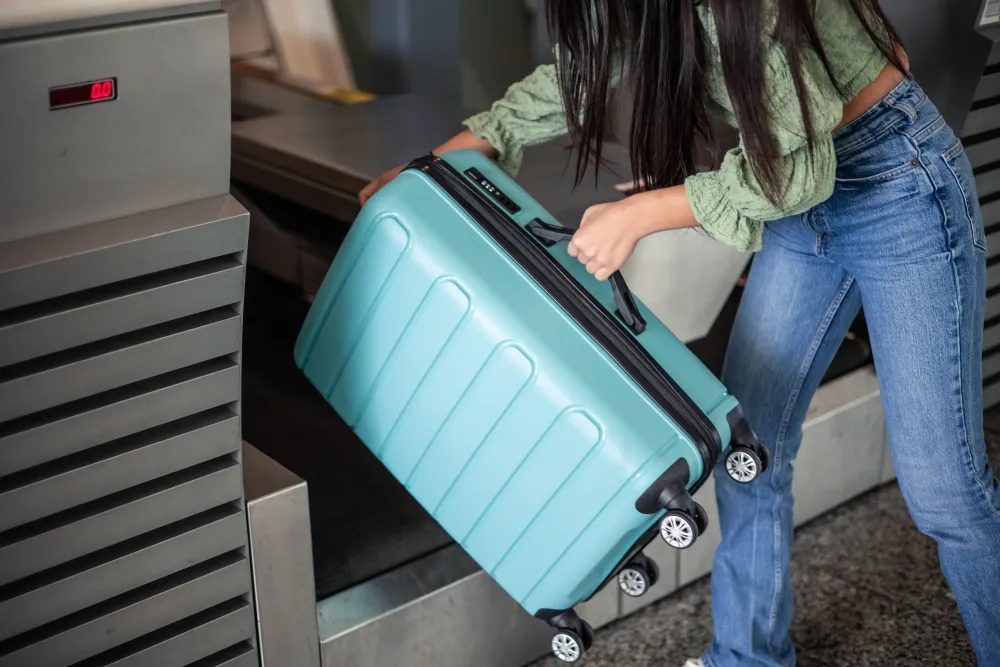
To compare fairly and avoid hidden baggage fees on low cost carriers, I do this:
- Simulate the full booking on each airline right up to the payment page. I add the bags I’ll actually bring, not the fantasy version of my packing list.
- Check both directions. Some budget airlines charge luggage per segment, so a “round-trip bag fee” is really two separate charges.
- Use the airline’s bag-fee calculator for ultra-low-cost carriers (Spirit, Frontier, Ryanair, etc.). Prices can change by route, date, and how early you pay.
My rule of thumb: if the final price on a budget airline is within 10–15% of a full-service carrier after adding bags and seat fees, I seriously consider the full-service option. When the total cost of carry-on vs checked bag, seat, and extras is similar, the more traditional airline usually wins on comfort and predictability.
2. The Big Fork in the Road: Personal Item Only or Pay for Bags?
The biggest money decision is simple: Can I travel with just a personal item? If the answer is yes, most baggage fees disappear.
On many budget airlines, the only truly free bag is a small under-seat personal item. Not a standard roll-aboard. Not a big duffel. Think compact backpack, slim tote, or laptop bag that fits under the seat in front of you.
Here’s how I decide my budget airline baggage strategy:
- Trip length & purpose: For 2–4 days, I push myself to go personal-item only. For longer trips, I decide whether one shared checked bag (for a couple or family) is cheaper than multiple paid carry-ons.
- Exact airline dimensions: I don’t guess. I look up the personal-item size for that specific airline. Spirit, Frontier, Ryanair, and similar carriers are strict and love their metal sizers.
- Soft-sided bag advantage: I use a soft backpack or duffel that can squish into the sizer. Hard-shell bags are much riskier with tight budget airline cabin bag size limits.
If I commit to personal-item only, I also commit to:
- Wearing my bulkiest clothes (jacket, hoodie, heavy shoes) on the plane.
- Travel-size toiletries or buying basics at my destination.
- A capsule wardrobe: 2–3 tops, 2 bottoms, 1 pair of shoes (plus the pair I wear), and layers that mix and match.
Is it glamorous? Not really. But skipping both checked and carry-on fees can easily save $60–$150 on a round trip. That’s a hotel night, a rental car day, or a seriously good meal.
3. When Paying for Bags Makes Sense (and How to Do It Cheaply)
Sometimes, personal-item only just isn’t realistic. Winter trips, long stays, kids, special gear—life happens. When that’s the case, the goal shifts from no fees
to minimum necessary fees.
Here’s how I keep paid bags from blowing up the budget and how I think about carry on vs checked bag cost:
Buy Bags at the Right Time
- Cheapest: during initial booking. Many budget airlines offer the lowest bag prices when you first buy the ticket. Wait until check-in or the airport and the price can double or triple.
- Next best: online before check-in closes. If I skipped it at booking, I add bags online as soon as I know I need them.
- Most expensive: airport or gate. This is where the horror stories come from. A bag that was $30 online can be $80+ at the airport.
Choose the Right Type of Bag
- Sometimes checked is cheaper than carry-on on ultra-low-cost airlines. Spirit and Frontier are classic examples. I always compare both before assuming a carry-on is the better deal.
- Share bags when possible. Two people sharing one 20–23 kg checked bag is often cheaper than each paying for a carry-on.
- Watch weight limits. Budget airlines often have lower limits (e.g., 15–20 kg) and painful per-kilo overweight fees. A slightly overweight bag can cost more than the original bag fee.
Consider Bundles and Fare Upgrades
- Bundles (like “Plus”, “Value”, or “Priority & 2 Cabin Bags”) can be cheaper than buying a seat, carry-on, and checked bag separately. This is where a quick budget airline baggage fee comparison pays off.
- Higher fare class on a regular airline can sometimes be cheaper overall than a rock-bottom fare plus à la carte bags.
Before I click “pay”, I always ask: If I add the bags I need, is there a bundle or higher fare that’s actually cheaper?
More often than you’d expect, the answer is yes.
4. Beating the Size & Weight Traps
This is where budget airlines quietly make a fortune. The bag technically “comes with” your ticket, but the size or weight rules are so tight that lots of people end up paying penalties.
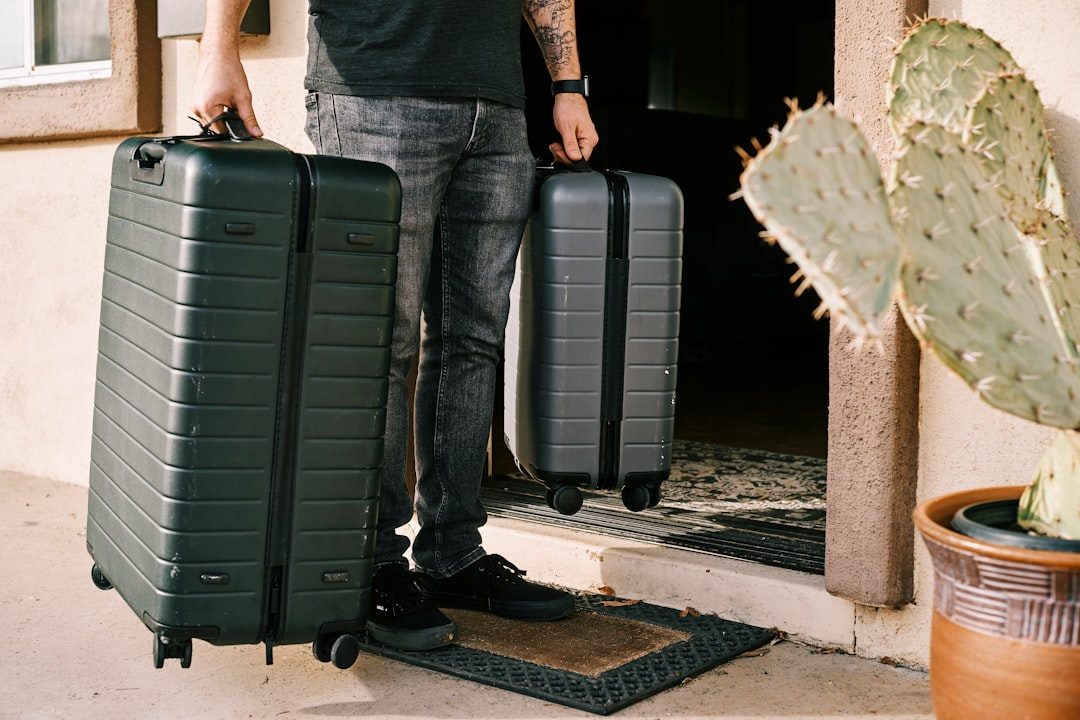
My approach is simple: know the limits and measure at home. It’s boring. It also works.
Size: Don’t Trust Your Eyes
- I check the exact dimensions for personal item, cabin bag, and checked bag on the airline’s site. They vary more than you’d think.
- I measure my bag—including wheels and handles. Airlines count everything.
- I assume they will use the metal sizer, especially on ultra-low-cost carriers and busy routes.
Weight: The Portable Scale Is Non-Negotiable
- I use a cheap luggage scale at home. Overweight fees can be $10–$15 per kilo. One surprise at the airport can wipe out any savings from a cheap ticket.
- If I’m close to the limit, I move heavy items (chargers, books, toiletries) into my personal item or pockets.
- I remember that many full-service airlines allow 23 kg/50 lbs for checked bags, but budget airlines often allow less. I never assume the limit is standard.
One more tactic: I pack a lightweight foldable tote. If my bag is overweight at the airport, I can move a few kilos into the tote as a personal item instead of paying a painful overweight fee. It’s a small travel hack that has saved me more than once.
5. Using Credit Cards and Status Without Falling for the Trap
Airlines and banks love to pitch baggage solutions as, Just get our card.
Sometimes that’s true. Sometimes it’s an expensive illusion dressed up as a perk.
Here’s how I think about cards and status in my overall budget airline baggage strategy:
When a Co-Branded Airline Card Makes Sense
- The card offers at least one free checked bag for me (and ideally my companions on the same reservation).
- I fly that airline multiple times per year and usually check bags.
- The annual fee is lower than what I’d otherwise spend on bag fees.
In that scenario, the card can easily pay for itself. But only if I pay the balance in full every month. Carrying a balance turns “free bags” into very expensive bags.
General Travel Cards with Flexible Credits
Some premium travel cards offer annual travel credits that can cover baggage fees, seat selection, or other travel purchases. I treat these credits as a partial refund on my travel budget, not a reason to spend more than I normally would.
Elite Status and Loyalty Programs
- Basic loyalty program membership is free and can unlock small perks like better seat selection or priority boarding.
- Real baggage benefits usually start at elite status, which requires frequent flying. If I’m nowhere near that level, I don’t chase it just for bags.
- If someone in my group has status, we make sure everyone is on the same reservation so the free bag benefits apply to all of us.
The mindset: cards and status are tools, not magic. I run the math. If the savings on bags and other perks don’t clearly beat the annual fee, I skip it.
6. Check-In, Boarding Passes, and Other Sneaky Fees
Baggage fees aren’t just about the bag itself. Budget airlines also monetize how you check in and when you show up. Miss a step, and you pay for it.
Here are the patterns I watch for when flying low cost carriers:
- Online check-in windows can be strict. Miss them, and you might pay a hefty airport check-in fee.
- Boarding pass printing can cost money. On some routes, digital passes aren’t accepted, so I print a paper copy in advance.
- Late arrival at the airport can mean both a missed flight and expensive rebooking fees. Check-in desks often close 40 minutes before departure, sometimes earlier.
My routine to avoid these baggage mistakes that cost money:
- I set a reminder on my phone for the start of the online check-in window.
- I check in as soon as it opens (or exactly 24 hours before, if that’s the rule) to grab a free seat assignment when possible.
- I save the boarding pass in the airline app and as a screenshot. If the route requires paper, I print it the day before.
None of this takes long, but it keeps me out of the fee traps that turn cheap flights into expensive ones.
7. Packing Tactics That Actually Work at the Airport
You can know every rule and still get burned if your bag looks obviously oversized or overweight. Here’s what I actually do on travel day—real-world packing tactics for cheap flights, not theory.

Before Leaving Home
- Weigh and measure every bag. If it’s close to the limit, I fix it at home, not at the check-in counter.
- Pre-pay for any bags I know I need. I never assume I can “just add it later” for the same price.
- Pack smart: heavy items near the wheels in checked bags, essentials and one change of clothes in my personal item.
At the Airport
- I wear my heaviest shoes and layers. If I’m really tight on space, I’ll even put small items in my coat pockets.
- I avoid drawing attention to borderline bags. No struggling, no overstuffed zippers, no bag that looks like it’s about to explode.
- If I’m flying an ultra-low-cost carrier, I assume they will check sizes at the gate and pack accordingly.
With Friends or Family
- We share one or two checked bags instead of everyone paying for their own.
- We make sure any status or credit card benefits apply to the whole reservation.
- We agree on a packing list so no one shows up with a giant extra suitcase that wrecks the budget.
The goal isn’t to “beat” the airline with tricks. It’s to understand the low cost airline luggage rules so well that there’s nothing left for them to charge us extra for.
8. The Mindset Shift: From Victim of Fees to Informed Player
Budget airlines aren’t going anywhere. If anything, the fees are getting more creative. But that doesn’t mean you’re stuck paying them.
When I book a cheap fare now, I assume:
- The base price is only half the story.
- Every bag decision is a money decision.
- The airline is counting on me to be disorganized. I choose not to be.
If you remember nothing else from this travel hacking budget airline baggage guide, remember this sequence:
- Compare total trip cost, not just the headline fare.
- Decide early: personal item only, or which bags you’ll pay for.
- Pre-pay online and avoid airport surprises.
- Measure and weigh at home so you never argue at the counter.
Do that, and budget airlines become what they were supposed to be in the first place: a way to travel more for less, not a trap you only see clearly at the gate.