I love a good deal. I also hate feeling tricked. Budget airlines sit right in the middle of those two feelings.
You see a $29 fare and think, How is this even possible?
Then you add a bag, pick a seat, and suddenly you’re staring at a total that looks suspiciously like a regular airline. So what’s really going on with the true cost of low cost carriers?
In this guide, I’ll walk through how budget airlines price their tickets, where the real costs hide, and when those ultra-low fares genuinely save you money (and when they absolutely don’t). If you’ve ever wondered, Are budget airlines really cheaper?
this is for you.
1. The Big Illusion: Base Fare vs. Real Trip Cost
Budget airlines are built on one simple idea: advertise the lowest possible number.
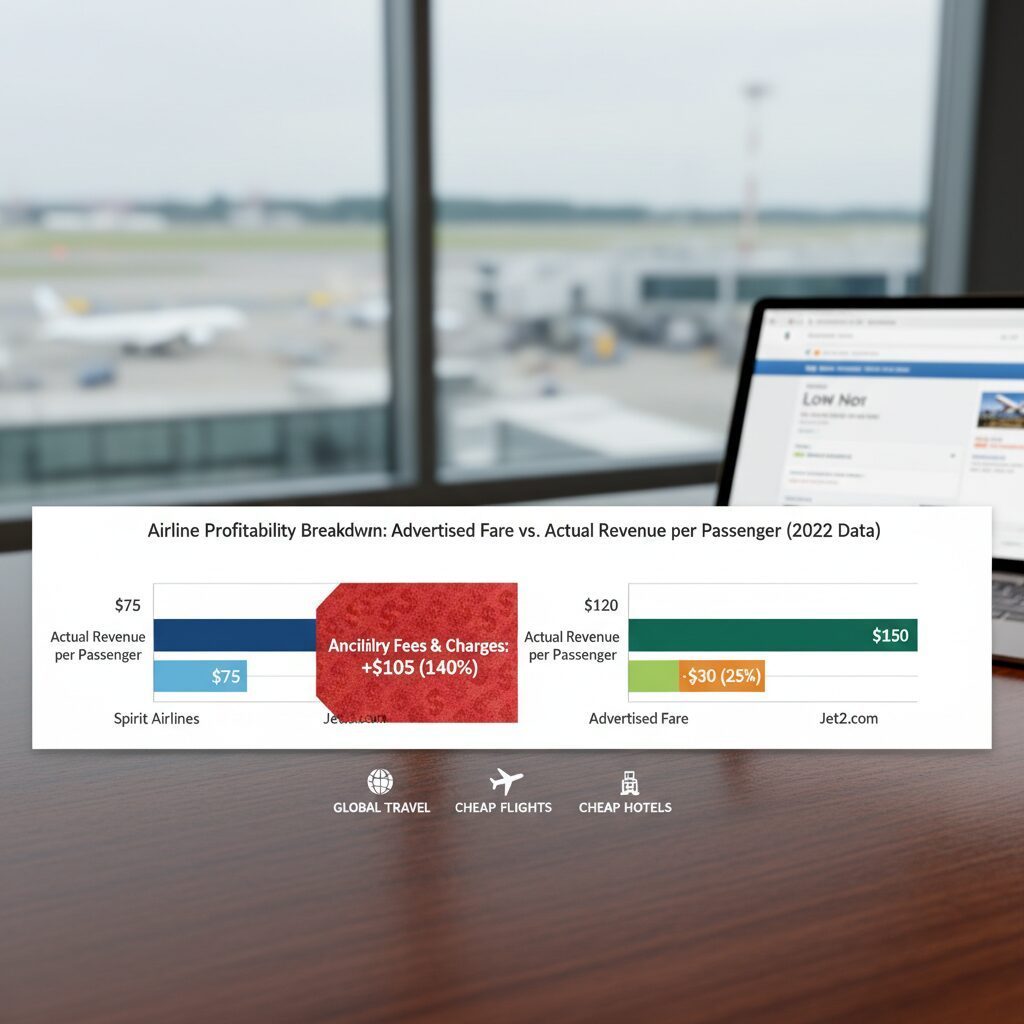
On paper, it works. Spirit’s 2024 data shows something wild: they earn about $45 per ticket in fare, but over $63 per ticket in non-ticket revenue—that’s bags, seats, and all the extras you click through. In other words, the ticket
is often the smaller part of what you actually pay.
It’s the same story across many low-cost carriers. A 2024 report projects global airline ancillary revenue at about $148.4 billion, driven heavily by budget airlines. Jet2.com, for example, earns roughly $95.83 per passenger just in extras. The cheap fare is the hook; the fees are the business model.
So when you see a $29 or $39 fare, your first question shouldn’t be Is this cheap?
but What does this actually include?
That’s the heart of any honest budget airline cost breakdown.

Quick rule: Never compare fares. Compare total trip cost for what you realistically need: bags, seat, airport, and flexibility.
2. Baggage: The Fee That Quietly Destroys Your Savings
If there’s one thing that flips a budget ticket from steal
to scam (for you)
, it’s baggage.
Most ultra-low-cost carriers now include only a small under-seat personal item in the base fare. Not a normal carry-on. Not a weekend bag. Think: laptop bag or tiny backpack. Anything bigger? That’s a fee.
On routes like Atlanta–Chicago, you might see something like:
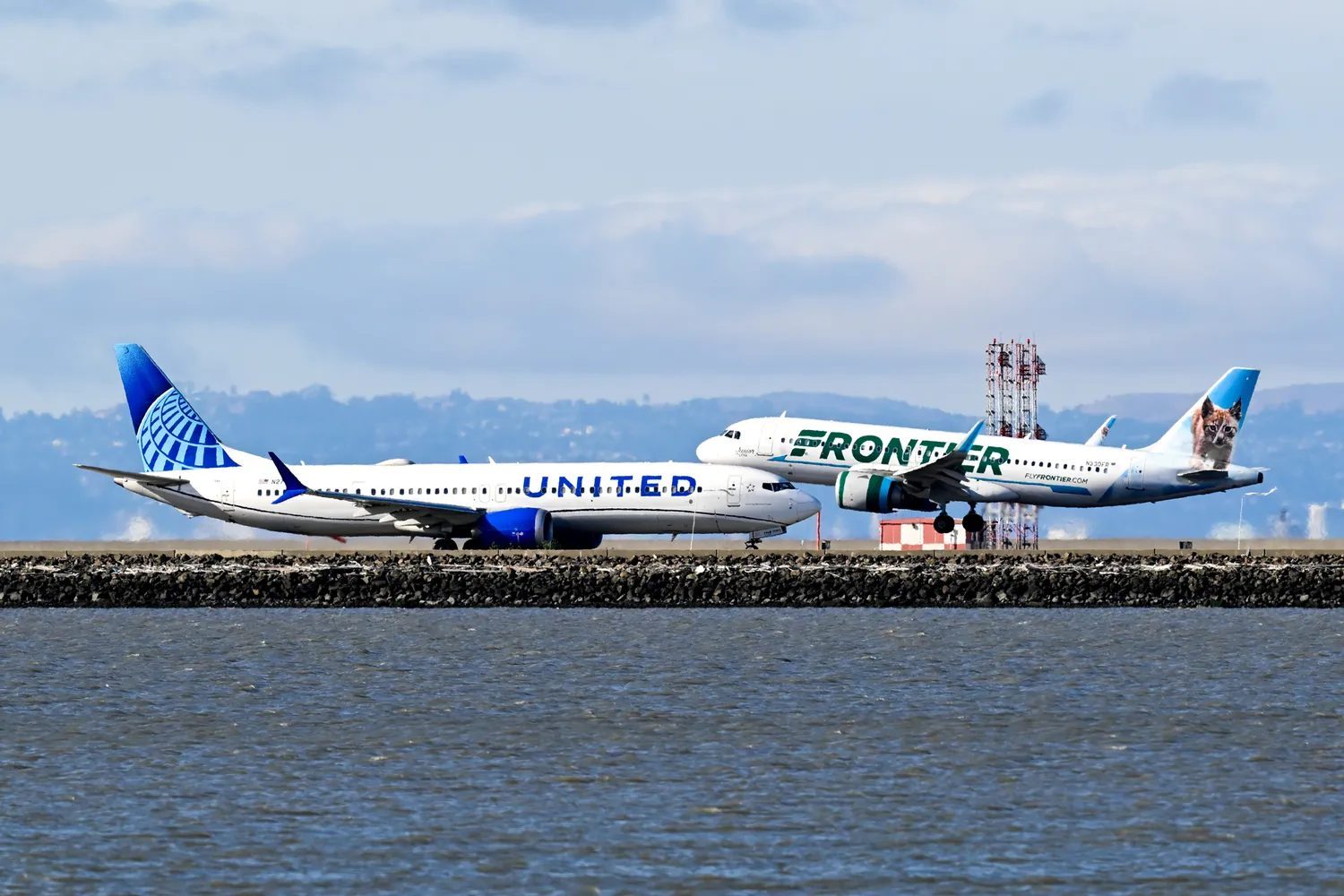
- Frontier: $28 base fare (no carry-on, no checked bag)
- Spirit: $48 base fare (same deal)
- Legacy carriers (American, Delta, United): around $79 including a carry-on and personal item
Once you add a carry-on or checked bag to the budget fare, that $28–$48 can easily jump past $100. Suddenly, the expensive
legacy airline is actually cheaper for a normal traveler with a normal bag.
The same pattern shows up in Europe. On a London–Tirana route, Wizz Air advertises £39.99 each way. Looks great—until you add a standard carry-on or checked bag. The return jumps to over £200. A comparable British Airways return, including a 23kg checked bag, comes in around £172.86. The full-service airline wins on price and comfort once you factor in realistic luggage.
That’s the hidden fees on budget airlines in action: the fare looks low, but the baggage charges quietly wreck the savings.
Ask yourself honestly:
- Can I really travel with just a small under-seat bag?
- Is this a weekend with minimal clothes, or a longer trip?
- Do I need space for souvenirs or work gear?
If the answer is I need at least one real bag,
you have to price that in from the start. Don’t wait until the checkout screen to find out. That’s where so many budget airline booking mistakes happen.
3. Seats, Airports, and Schedules: The Hidden Value You Forget to Price
Even if the total price looks similar, budget and traditional airlines are not offering the same product. You’re not just buying a seat; you’re buying where you fly from, when you fly, and how painful the experience is if something goes wrong.

Here’s what I always look at beyond the fare when I compare budget and regular airline prices:
1. Airport choice
- Budget airlines often use secondary airports—cheaper for them, not always for you.
- That
Paris
flight might land in Beauvais, not CDG or Orly. ThatLondon
flight might be Stansted, not Heathrow. - Extra train, bus, or taxi costs can easily wipe out a $30–$50 saving.
2. Schedule quality
- Budget carriers tend to run fewer frequencies on each route.
- If your flight is canceled, your rebooking options may be limited to
tomorrow
ornext week
, notin two hours
. - Legacy airlines (American, Delta, United, BA, etc.) usually have more daily flights and better re-routing options.
3. Seat comfort and onboard experience
- Budget airlines often have tighter seat pitch, less legroom, and limited or no recline.
- No free snacks or drinks. No free entertainment. Sometimes no power outlets.
- You can often pay for extra-legroom seats, but that’s another fee to add to your total.
When I compare flights, I don’t just ask, Which is cheaper?
I ask, What am I giving up for that $20–$40 difference?
Sometimes the answer is, Not much, I’ll take the deal.
Other times it’s, My sanity, my sleep, and my backup options.
That’s the real price of budget flights that doesn’t show up in the search results.
4. The Fine Print: Rules, Changes, and Gotchas
Budget airlines don’t just unbundle bags and snacks. They also unbundle flexibility.
Here’s where people get burned:
Strict change and cancellation rules
- Many low-cost carriers charge high fees for changes, or simply don’t allow them on the cheapest fares.
- Miss your flight by 10 minutes? On some carriers, that’s it. No rebooking, no credit, just a new ticket at today’s price.
- Some, like Spirit and Frontier, have specific windows where changes are cheaper or free—but you have to know those rules and act fast.
Per-leg pricing tricks
- Showing each way separately makes fares look cheaper than the real round-trip cost.
- That £39.99
from
price? It’s often for one leg, on the least popular date and time, with no bags.
Boarding pass and airport fees
- Some carriers charge if you don’t check in online or if you need an agent to print your boarding pass.
- Others charge more for bags at the airport than online, punishing last-minute decisions.
Traditional airlines aren’t saints, but their basic economy or standard economy fares usually come with fewer gotcha
fees. You still need to read the rules, but the risk of a single mistake costing you the entire ticket is often lower.
My rule: If your plans are even slightly uncertain—tight connections, work schedule, family issues—price in the cost of flexibility. A more expensive
ticket that lets you change or cancel can be the cheapest option in real life.
5. When Budget Airlines Are Genuinely a Great Deal
After all this, you might think I’m anti-budget-airline. I’m not. I just like using them strategically.
There are situations where low-cost carriers absolutely shine and the budget airline vs full service cost comparison tilts in their favor:
1. You pack extremely light
- You can live out of a small under-seat backpack.
- No checked bag, no overhead carry-on, no need for extra stuff.
- In this case, that $29–$49 fare can actually be close to your final price.
2. You’re flexible on time and comfort
- You don’t mind flying at odd hours.
- You’re okay with tighter seats and no free snacks.
- If something goes wrong, you have time and patience to deal with it.
3. You live near a secondary airport
- If a budget carrier uses your local airport, you might save on time, parking, and transfers.
- Smaller airports can mean shorter lines and less stress.
4. You catch a real sale
- Ryanair flash sales, AirAsia promos, or domestic deals on carriers like Breeze or PLAY can be genuinely unbeatable.
- Even after adding a bag, you might still come out far ahead of legacy airlines.
Some low-cost carriers also offer bundled fares that include bags, seats, and flexibility at a reasonable price. When you compare those bundles to a legacy airline’s basic economy, the budget option can still win—especially on certain long-haul routes where traditional carriers are expensive.
6. How to Compare Flights the Smart Way (Step-by-Step)
Here’s the process I use before I ever click Book
. It takes a few extra minutes, but it can save you a lot of money—and frustration.
- List your non-negotiables
How many bags? Do you care where you sit? Do you need flexibility? Write it down. This is your personal budget airline cost breakdown. - Check at least one budget and one legacy airline
Don’t assume one category is always cheaper. Look at both so you can fairly compare budget and regular airline prices. - Build your
real
price on each airline’s site
Add your bags, seat choice (if you care), and any needed flexibility. Go all the way to the final price screen to see the total trip cost with budget airlines and with full-service carriers. - Factor in airport and transfer costs
Is thatcheap
airport actually an hour away with a $30 bus ride? Add it. The real price of budget flights includes how you get to and from the airport. - Compare schedules and backup options
If your flight is canceled, how many alternative flights exist that same day? - Put it all in a simple table
Airline A vs Airline B vs Airline C, with columns for: total price, bags included, airport, schedule, flexibility, comfort.
Once you see everything side by side, the cheapest
option often changes. Sometimes the budget airline still wins. Sometimes the legacy carrier is clearly better value. The key is that you’re deciding with eyes open, not just chasing the smallest number.
7. So… Are Budget Airlines Really Cheaper?
Here’s the honest answer:
- Yes — if you travel very light, don’t need flexibility, and are happy to trade comfort and convenience for a lower price.
- Often no — once you add a normal amount of luggage, a decent schedule, and a bit of flexibility, traditional airlines are frequently the same price or cheaper.
The mistake is treating the advertised fare as the price.
It’s not. It’s just the starting point of a long, carefully designed upsell funnel full of budget airline extra charges.
If you remember nothing else, remember this:
Don’t chase the lowest fare. Chase the best value for the way you actually travel.
Next time you see that $29 ticket, pause. Ask yourself what you’ll really pay, what you’ll really get, and what you’re really giving up. Then book the flight that makes sense—not just the one that shouts the smallest number.