I don’t care what the ad says. A “$19 flight” is almost never a $19 trip.
If you’ve ever clicked on a crazy-cheap fare, added a bag, picked a seat, and watched the total quietly double, this guide is for you. In 2026, the gap in the budget airlines vs full service debate is less about the headline price and more about how each airline charges you.
Let’s break down what you really pay per trip – and when that budget ticket actually costs more than flying full-service.
1. The Real Question: What Does Your Trip Actually Look Like?
Before comparing any airline, I start with one simple question:
If I’m honest about how I travel, what will I actually use on this trip?
Because the right choice in a low cost carrier vs full service airline has less to do with the logo and more to do with your habits:
- Trip length: One-hour hop or 10-hour red-eye?
- Luggage: Personal item only, or two checked bags and shopping on the way back?
- Who’s traveling: Solo, couple, kids, elderly parents, business trip?
- Flexibility: Fixed dates, or likely to change plans?
- Comfort tolerance: Can you handle tight seats and no free food?
Budget airlines win when you travel light, short, and simple. Full-service airlines win when you add time, bags, and risk into the equation.
Keep your next trip in mind as you read. You’ll probably realise pretty quickly which side you’re really on.
2. Base Fare vs Total Cost: Why That $39 Ticket Becomes $210
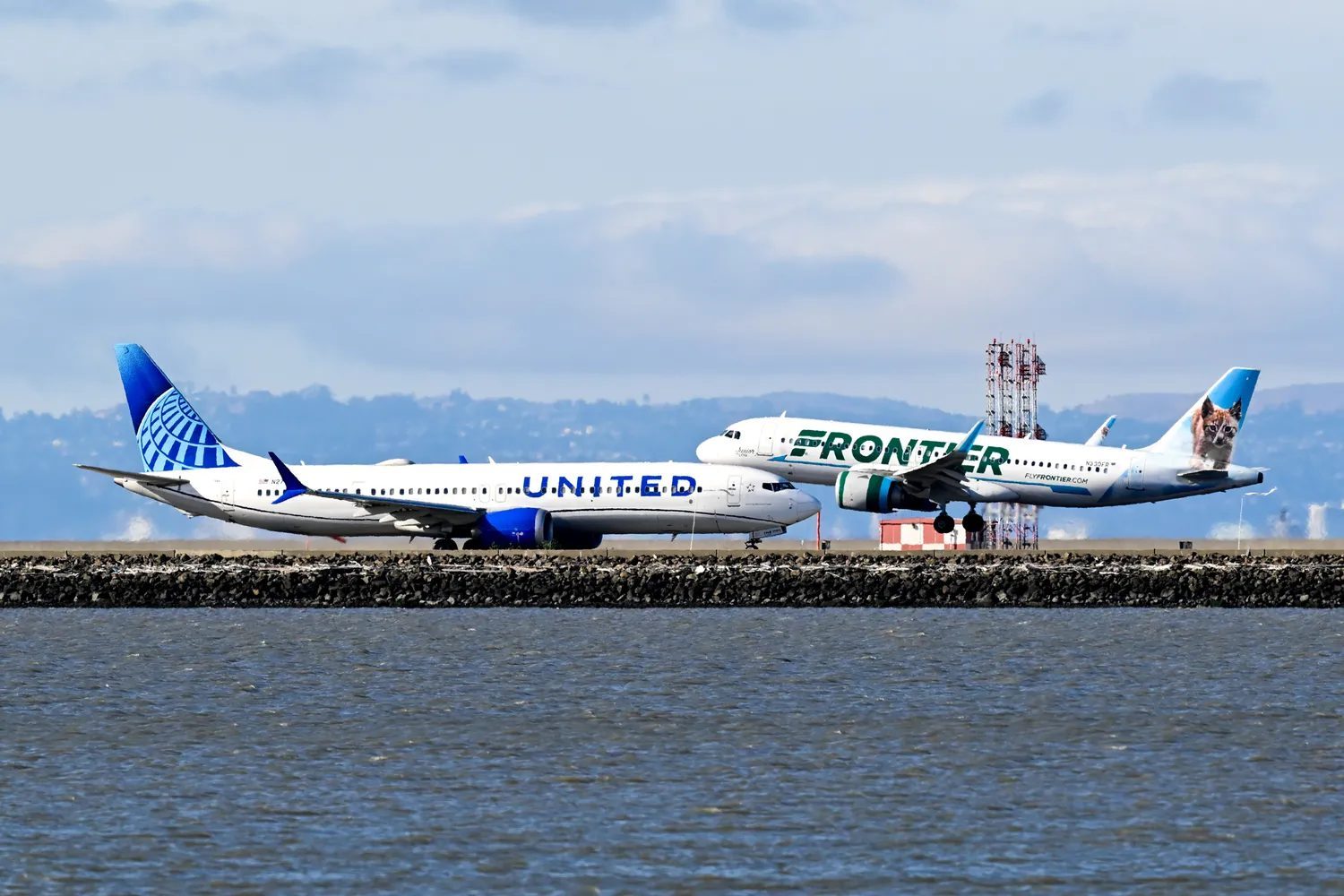
Budget airlines are masters of psychology. They sell you a seat
. Everything else is extra.
Full-service airlines sell you a journey
– bags, food, and a bit of comfort bundled in. That’s where the real airfare pricing breakdown starts to matter.
Here’s how the money usually breaks down in 2026:
Budget airline (typical ranges, one-way):
- Base fare: $19–$79 (looks amazing)
- Carry-on bag: $30–$89 (sometimes more than the ticket itself)
- Checked bag: $30–$70
- Seat selection: $5–$100+ (front row, exit row, or just to sit together)
- Snacks / drinks: $5–$20
- Booking / payment / “usage” fees: $10–$25
Full-service airline (typical ranges, one-way):
- Base fare: $120–$260 (looks expensive)
- Carry-on: usually included
- Checked bag: often 1 included on many international and some regional routes
- Seat selection: basic seats often free, better seats extra
- Meals / drinks: included on long-haul, often on regional too
- Booking fees: usually minimal or baked into the fare
On paper, the budget ticket looks cheaper. But once you add what you’ll realistically use, the gap shrinks fast. On some routes, especially in the US and Europe, a budget fare with one carry-on can end up more expensive than a legacy carrier that includes that bag.
My rule for any real cost per trip flight comparison: I never compare base fares. I compare my total trip cost for each airline, line by line.
3. Baggage: The Single Biggest Trap in “Cheap” Fares
If you only remember one thing, make it this:
Your bag choice often decides whether budget or full-service is cheaper.
Budget airlines typically:
- Include only a small personal item in the base fare.
- Charge for carry-on and checked bags separately – and heavily.
- Have strict weight limits (7 kg is common in Asia) and will happily charge you at the gate.
Full-service airlines typically:
- Include a carry-on + personal item as standard.
- Often include at least one checked bag on international routes and many regional ones.
- Are more lenient on slightly overweight cabin bags (not always, but often).
Let’s run a simple 2026-style example for a return trip and do a quick total flight cost breakdown:
- Budget airline: $59 base each way = $118
- Carry-on bag each way: $45 x 2 = $90
- One checked bag each way: $50 x 2 = $100
Total: $308
Full-service option on the same route:
- Return fare: $260
- Carry-on + 1 checked bag: included
Total: $260
On paper, $59 vs $260 looks like a no-brainer. In reality, once you add bags, the budget option is more expensive and less comfortable.
So I always ask before booking: Can I truly travel with just a personal item?
If the answer is no, I immediately re-check full-service options and rethink the budget airline baggage and seat fees I’m about to pay.
4. Comfort & Time: What Is Your Back (and Sanity) Worth?
Money isn’t the only cost. There’s also your body, your sleep, and your stress level.
On budget airlines, you’re usually trading:
- Tighter seats: Less legroom, less recline, more people per cabin.
- No free food: Everything is buy-on-board, often at premium prices.
- No built-in entertainment: Bring your own or pay extra.
- More noise and movement: High-density cabins feel busier.
On full-service airlines, you’re usually getting:
- More legroom and better seat padding (not luxury, but noticeably better).
- Meals and drinks included on most longer routes.
- In-flight entertainment, blankets, pillows on many flights.
- Better schedules and main airports with lounges and easier connections.
On a 1–2 hour hop, I’m often fine with a budget seat and no food. On a 6–10 hour flight, that same decision can feel brutal. The hidden cost is arriving exhausted, hungry, and annoyed – especially if you still have to work or explore when you land.
Ask yourself honestly: If this flight is delayed, cramped, and dry (no free water), will I still feel the savings were worth it?
5. Flexibility, Delays & Risk: Who Has Your Back When Things Go Wrong?

In 2026, disruptions are normal: weather, strikes, air-traffic issues, overbooked flights. This is where the difference between a cheap flights true cost ticket and a more expensive one really shows.
Budget airlines often mean:
- Non-refundable, non-changeable tickets (or very high change fees).
- Fewer flights per day on each route – miss one, and you might be stuck.
- Limited customer service, long queues, and fewer rebooking options.
- Strict check-in and boarding cut-offs; being 5 minutes late can mean buying a new ticket.
Full-service airlines usually offer:
- More flexible fare types (even basic economy is slowly softening in some markets).
- More daily flights and partner airlines for rebooking.
- Better support during cancellations and missed connections.
- Stronger protections on long-haul and international itineraries.
If your trip is time-sensitive – weddings, cruises, business meetings, tight connections – the risk cost of a budget airline can be huge. A missed connection that forces you to buy a last-minute replacement ticket can wipe out years of “savings” in one day.
So I ask: If this flight gets cancelled, how painful will it be to fix?
If the answer is “very”, I lean full-service or at least a more established carrier.
6. Airport Choice & Route: The Hidden Hours You Don’t See on the Ticket

Budget airlines often use secondary airports and point-to-point routes. That can be brilliant – or a time sink.
Budget airline airports can mean:
- Cheaper fares, but longer transfers to the city.
- Fewer public transport options, more reliance on taxis or rideshares.
- Less choice if your flight is cancelled – fewer airlines, fewer alternatives.
Full-service hubs usually offer:
- Better connectivity (trains, buses, airport express).
- More lounges, services, and backup flights.
- Shorter total travel time, even if the flight itself is similar.
Here’s the trap: a budget ticket might save you $40 but require a $30 taxi each way from a remote airport. That’s $60 gone, plus an extra hour or two of travel. Suddenly, the “cheap” option is more expensive and more tiring.
When I compare flights, I don’t just look at departure and arrival times. I calculate door-to-door time and cost – including airport transfers. That’s where full-service carriers from main airports often quietly win in any honest economy flight price comparison guide.
7. How to Compare Two Fares in Under 5 Minutes (Without Being Tricked)
Here’s the simple method I use every time I’m torn between a budget and a full-service option. It takes five minutes and saves a lot of regret.
Step 1: Write down your real needs for this trip
- How many bags? (be honest)
- Do you need to sit together with someone?
- Is a meal important (time of day, length of flight)?
- How flexible do your dates need to be?
Step 2: For each airline, build a mini “receipt”
For Airline A (budget):
- Base fare: $___
- Carry-on: $___
- Checked bag(s): $___
- Seat selection: $___
- Payment / booking fees: $___
- Airport transfer cost: $___
Total: $___
For Airline B (full-service):
- Base fare: $___
- Any extra bags beyond what’s included: $___
- Seat upgrade (if you care): $___
- Airport transfer cost: $___
Total: $___
This is your quick, DIY flight cost per trip calculator. It’s not fancy, but it’s honest.
Step 3: Add the “soft costs” in your head
- Comfort on this specific route (1 hour vs 8 hours).
- Risk of delays and how much that would hurt you.
- Value of loyalty points or status, if you collect them.
Only after this do I decide. Often, the “cheap” option is only $20–$40 less than full-service once everything is added. At that point, I ask myself: Is that small saving worth the extra hassle and risk?
8. So, Which Should You Book in 2026?
There’s no universal winner in the budget airlines vs full service debate. But there are clear patterns.
Budget airlines usually make sense when:
- You’re on a short-haul trip (1–3 hours).
- You can travel with just a personal item or very light luggage.
- Your dates are fixed and you can handle disruptions.
- You’re price-sensitive and okay with basic comfort.
Full-service airlines usually win when:
- You’re flying medium- or long-haul.
- You’re checking bags or planning to shop.
- You’re traveling with family, kids, or on business.
- Timing, reliability, and support matter more than shaving off $30.
If you’re planning a long route, especially international, pay close attention to the cost of budget vs full service long haul. Those extra hours in a tight seat can make a “deal” feel very expensive.
Next time you see a too-good-to-be-true fare, don’t just ask, How cheap is this ticket?
Ask:
What will this trip really cost me – in money, time, and stress – from my front door to my destination?
Answer that honestly, and you’ll avoid the classic budget airline booking mistakes, see through the budget airline hidden fees, and know whether to click on the budget deal… or quietly book the full-service flight and arrive with your wallet – and your sanity – intact.