I love traveling light. I hate paying to move my own stuff through the sky. But over the last few years, I’ve noticed something uncomfortable: “carry-on only” can quietly become the expensive option if you don’t read the fine print.
If you’ve ever booked a “too good to be true” fare and then been ambushed by bag fees at check-in or the gate, this is for you. Let’s walk through the traps, the math, and the moments when checking a bag (or even choosing a different airline) is actually the smarter, cheaper move.
1. The Illusion of the Cheap Fare
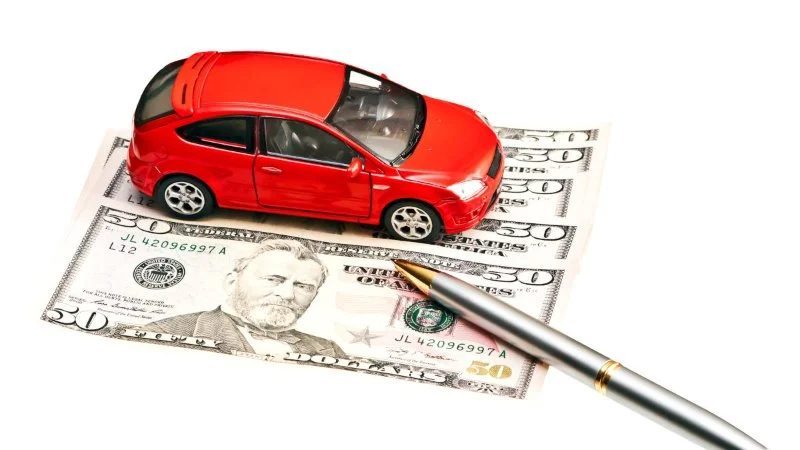
Airlines know exactly what they’re doing. They show you a rock-bottom base fare, then quietly stack on fees for bags, seats, and anything that makes the flight tolerable. You feel like you’re winning because you picked the cheapest ticket. They’re winning because you’re about to pay for everything else.
On many low-cost carriers, the headline price assumes you bring almost nothing. Sometimes not even a standard carry-on is included. A personal item only travel fare might look $40–$80 cheaper than a regular economy ticket, but once you add a cabin bag, the price jumps into the same range as a full-service airline that would have given you a free carry-on from the start.
Here’s the mental trap:
- You see:
$129 to Europe, what a steal!
- The airline sees:
$129 + $40 carry-on + $40 return + maybe seat fees + maybe priority boarding.
By the time you’re done, that “budget” ticket can cost as much as, or more than, a traditional carrier that includes a carry-on and sometimes even a checked bag. Articles like Consumer Reports’ breakdown of carry-on rules show just how fragmented these policies have become.
If you’re comparing carry on vs checked bag cost, this is where people get burned. The cheap fare isn’t really cheap once you add the bag you were always going to bring.
Takeaway: Don’t compare fares. Compare total trip cost with your real luggage needs. If you know you’ll bring a carry-on, price it in from the start.
2. When “Carry-On Only” Is Actually a Paid Upgrade
On many airlines now, a standard cabin bag is no longer a default right. It’s a perk tied to your fare type.
Some basic economy baggage rules on big U.S. airlines only allow a small personal item. Budget carriers go further: they often charge for any bag that goes in the overhead bin and enforce those rules with almost theatrical intensity. That’s not an accident. Ancillary fees are a core profit engine, so they’re motivated to catch you.
Here’s where it gets sneaky:
- Buying a carry-on allowance at booking might cost $30–$35 each way.
- Buying the same allowance at check-in or later can jump dramatically.
- Paying at the gate can hit you with punitive fees around $75–$99 on some low-cost airlines.
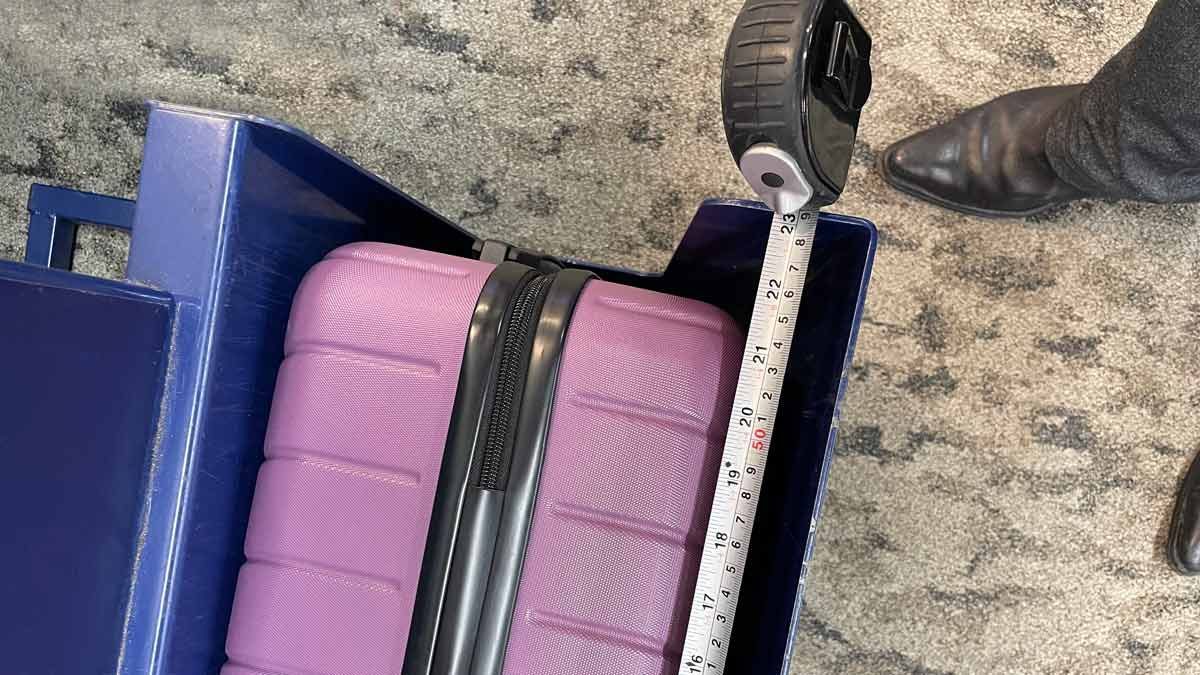
So that “I’ll just wing it with my carry-on” mindset? It’s exactly what they’re banking on. You show up with a slightly too-big bag, they drop it in the sizer, and suddenly your light trip is $99 heavier.
This is where budget airline cabin bag charges really sting. What looks like a simple cabin bag can quietly turn into a paid upgrade you never planned for.
Takeaway: On many airlines, carry-on only
is no longer the free, default option. It’s a paid feature. Treat it like one when you compare fares.
3. The Gate-Ambush Problem: Size, Weight, and Last-Minute Fees
Most of us think in terms of size: Does my bag fit in the overhead?
Airlines think in terms of size, weight, and timing.
Policies vary wildly:
- Many full-service U.S. airlines allow around 22" x 14" x 9" and don’t weigh carry-ons routinely.
- Some budget carriers allow slightly larger dimensions but strictly enforce weight limits.
- Basic economy fares may allow only a small personal item, not a full carry-on at all.
The real sting comes from when you pay:
- Pre-booked carry-on: often the cheapest.
- Added at check-in: more expensive.
- Discovered at the gate: maximum pain.
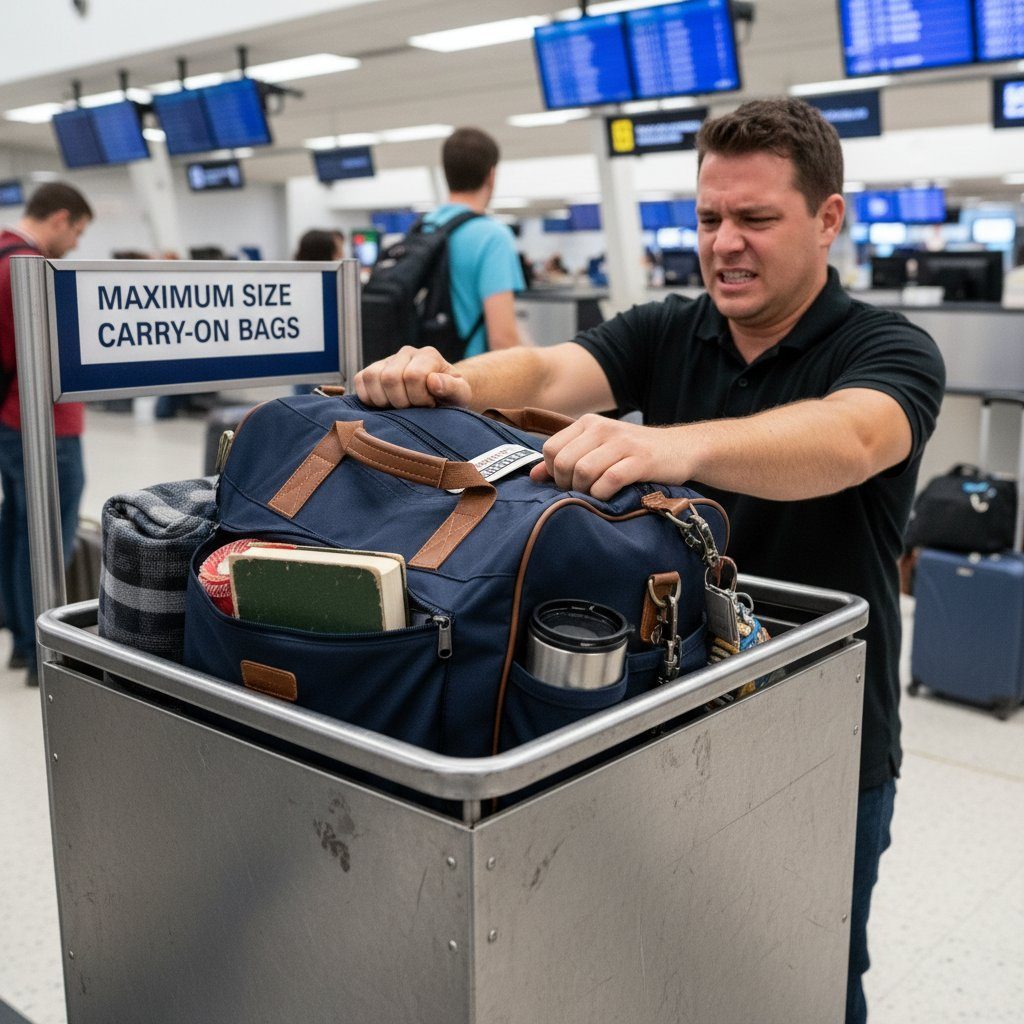
I’ve seen people charged hefty hidden airline baggage fees because their bag was a couple of pounds over the limit, even though it fit perfectly in the sizer. One traveler in a recent article was hit with a $65 fee for a slightly overweight carry-on. That’s not a mistake; it’s a business model.
This is the classic gate check baggage fee trap: you think you’re fine, then your bag gets weighed or sized at the last minute and you’re forced to pay whatever the screen says.
Takeaway: If you’re going carry-on only, measure and weigh your bag at home. And if your airline charges for cabin bags, buy that allowance when you book. The gate is the most expensive place to discover the rules.
4. When a Checked Bag Is Actually Cheaper (or Just Smarter)
There’s a point where forcing everything into a carry-on stops being clever and starts being costly. Financially and mentally.
Here’s where a checked bag can win:
- Round-trip math for couples and families. On some budget airlines, checked bag fees can add $200–$320 per couple round-trip. If you’re already paying for one or two carry-ons, upgrading to a fare that includes a checked bag—or switching to a full-service airline—can be cheaper overall.
- Bulky gear and special equipment. Winter clothes, hiking gear, formal wear, kids’ stuff. Trying to cram all that into a single carry-on can push you into overweight or oversize territory, where fees spike.
- Souvenirs and shopping. If you know you’ll shop, planning for a checked bag from the start is often cheaper than paying surprise fees on the way home.
There’s also the time vs. money trade-off. Carry-on only can save 35–70 minutes at baggage claim on busy routes. But if you’re already facing a long layover, late arrival, or traveling with kids, that time savings might not be worth the stress of ultra-minimal packing.
Sometimes the carry on only travel costs more than simply checking a bag and relaxing. When you factor in stress, repacking at the gate, and surprise fees, the “cheap” option doesn’t feel so cheap.
Takeaway: Don’t treat checked bags as a moral failure. Sometimes they’re the rational, cheaper choice once you factor in all the fees and your actual needs.
5. The Social Pressure to Be a “Carry-On Only” Person
There’s a weird cultural layer to all this. Somewhere along the way, carry-on only
stopped being just a practical choice and became a kind of identity. Minimalist. Efficient. Smart. Instagrammable.
Brands and influencers have turned the small, sleek suitcase into a status symbol. You’re not just packing light; you’re signaling that you’re the kind of traveler who knows how to hack the system
. Meanwhile, airlines quietly profit from the very system you think you’re hacking.
The result? Many of us feel low-key guilty for checking a bag, even when it would clearly make more sense. We over-optimize for the image of being light and agile, and under-optimize for comfort, cost, and sanity.
When you zoom out and look at the airline luggage pricing breakdown, that pressure looks a lot less cool and a lot more like free marketing for the airlines.
Takeaway: Ignore the performative minimalism. Your goal isn’t to impress the internet. It’s to arrive with what you need, at a fair price, without being shaken down at the gate.

6. The Math You Should Do Before You Click “Book”
Here’s the simple decision framework I use now before I buy any ticket. It takes a few minutes, but it can save you a lot of money on carry on baggage mistakes and surprise fees.
- Define your real luggage. Be honest. Are you bringing just a personal item? A carry-on? A checked bag? Both ways?
- Check the airline’s exact rules. Go to the airline’s site, not a third-party. Look for:
- What’s included for your fare type (especially basic economy).
- Carry-on size and weight limits.
- Fees for pre-booked vs. airport vs. gate payment.
- Price the trip, not the ticket. Add:
- Base fare.
- Bag fees (both directions).
- Seat selection if you care where you sit.
- Compare across airlines. That “cheap” low-cost fare might be more expensive than a full-service airline once you add a carry-on or checked bag. A quick carry on luggage fee comparison can flip which airline is actually cheaper.
- Factor in time and stress. Is saving $30 worth 45 minutes at baggage claim? Sometimes yes. Sometimes absolutely not.
Once you do this a few times, patterns emerge. You’ll start to see which airlines are genuinely cheaper for your style of travel, and which ones are just playing shell games with the price.
Takeaway: The cheapest ticket is rarely the cheapest trip. Do the math with your actual bags, not your fantasy of packing less.
7. How to Pack Light Without Paying More
Traveling light still has huge advantages: faster exits, less risk of lost luggage, more flexibility with tight connections. The trick is to get those benefits without walking into fee traps.
Here’s how I balance it now:
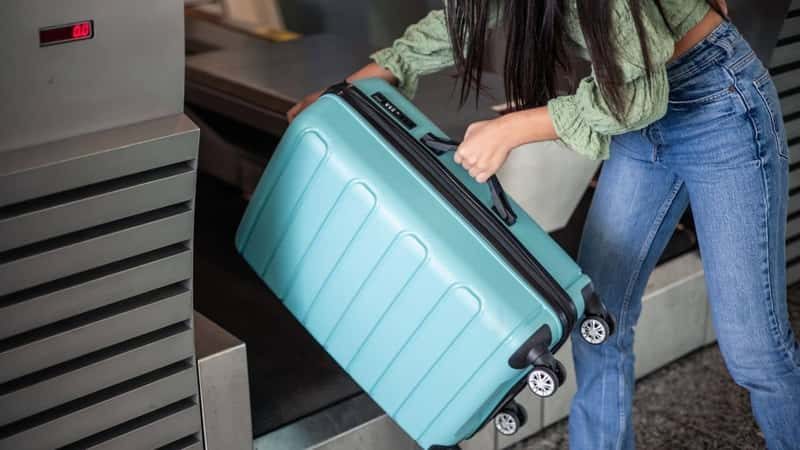
- Use a truly regulation-size bag. A hard-shell 21–22" suitcase that fits the common 22" x 14" x 9" standard gives you the best odds across airlines and reduces the risk of paying for the cost of oversized carry on.
- Weigh your bag. A cheap luggage scale at home is worth far more than one surprise overweight fee.
- Pack for 5 days, not 15. The 5-day rule works: pack a small, mix-and-match wardrobe, plan to do laundry, and repeat. Your packing list barely changes between a 5-day and a 2-week trip.
- Be strategic with toiletries. Travel-size liquids, hotel samples, and one mid-trip top-up are usually enough. Don’t let a full-size shampoo be the reason you get forced to check a bag.
- Pre-book what you know you’ll need. If you’re definitely bringing a carry-on or checked bag on a fee-happy airline, pay for it at booking. It’s almost always cheaper and fits into a smarter, cheap flight baggage strategy.
Done right, light travel hidden costs don’t have to be part of your trip. You still get the freedom of carry-on only, just without feeding the airline’s fee machine.
Takeaway: Light travel is still powerful. Just make sure it’s saving you money and stress, not feeding an airline’s fee machine.

8. The Bottom Line: Don’t Let the Airline Design Your Trip
Airlines design their pricing to nudge you into certain behaviors. Basic economy to upsell you. Bag fees to push you toward carry-on only. Strict carry-on rules to monetize the overhead bin. Social media does the rest, turning minimal packing into a personality trait.
You don’t have to play along.
Decide first how you want to travel: what you need, how much hassle you’re willing to tolerate, how much time you want to spend in airports. Then pick the airline, fare, and bag strategy that fits your trip—not their revenue plan.
Sometimes that will be a tiny backpack and a smug stroll past baggage claim. Sometimes it will be a checked suitcase and a calm walk to the carousel. Both can be smart. Both can be cheap.
The key is knowing when carry-on only
is a genuine win—and when it’s just another expensive illusion created by overhead bin bag fees, fine print, and clever marketing.
Once you start looking at the whole picture—fare, bags, time, stress—you’ll see exactly how to avoid extra baggage charges and choose the option that actually works for you.