
I love a good flight deal. I also hate realizing, halfway through a sleepless layover, that my “bargain” ticket is quietly draining my time, energy, and money.
This is about that gap: the difference between the headline price you see on the screen and the real cost of getting from your front door to your destination in one piece.
If you’ve ever booked the cheapest option and later thought, Why did I do this to myself?
— this is for you.
1. The Cheapest Fare on the Screen vs. the Cheapest Trip in Real Life
When you search flights, booking sites push one thing hard: the lowest number in bold. That number is almost never the full story, especially when you compare a cheap flight vs direct flight cost in real life.
Here’s what that “cheap” fare usually ignores:
- Airport transfers (especially to distant, secondary airports)
- Meals and coffee during long layovers
- Hotel nights you lose or add because of bad timing
- Lost productivity or vacation time from exhaustion
- All the little fees: bags, seats, changes, payment charges
Airlines and booking sites know we anchor on that first price. They unbundle everything else into add-ons and inconveniences that show up later. As fee breakdowns show, snacks, seat selection, carry-ons, and even boarding passes can all be extra.
So instead of asking, What’s the lowest fare I can click right now?
I try a different question: What’s the cheapest way to arrive rested enough to enjoy this trip?
That’s where the true price of low cost flights starts to show.
2. Layovers: Smart Stop or Expensive Time Sink?
Layovers are where a lot of “cheap” itineraries fall apart. A long connection can look harmless on paper, but in real life it often turns into a slow leak of cash and energy.
Think about a 6–8 hour layover in a mediocre airport. On the screen, you saved $70. In reality, you might spend:
- $20–$40 on airport food and drinks (because you’re bored and captive)
- $10–$20 on random extras: Wi‑Fi, snacks, impulse buys
- Half a day of your trip sitting in plastic chairs
Suddenly that $70 saving doesn’t look so clever. This is how layovers drain your travel budget without you really noticing.
On the other hand, some layovers are genuinely worth it. A few airlines offer stopover programs with free or discounted hotels, city tours, or easy transit into town. If you can turn a layover into a mini‑trip — and you actually want to visit that city — then the “cheap” flight can become a two‑for‑one experience instead of a hidden cost.
My rule of thumb for the layover flights total trip cost:
- Under 2 hours: Fine if the airport is efficient and the connection is protected on one ticket.
- 3–5 hours: Only worth it if the savings are solid and you’re okay with some boredom.
- 6+ hours: Only acceptable if there’s a real benefit: a stopover perk, a city you want to see, or a huge price difference.
If the layover doesn’t clearly serve you — more money saved, more experience gained, or much lower risk — treat it as a hidden cost, not a bonus.
3. Early Flights, Red-Eyes, and the Myth of “Cheaper at Any Cost”
You’ve probably heard it: Just take the earliest flight or a red-eye, they’re always cheaper.
These days, that’s only sometimes true.
Recent analyses show early-morning and late-night flights are often only about 12–16% cheaper than peak times on average, and sometimes they’re not cheaper at all on busy routes or peak dates. Meanwhile, the hidden costs stack up and quietly change the flight time impact on travel budget:
- Ground transport: No cheap trains or buses at 4 a.m.? There goes $60 on a taxi.
- Extra meals: Airport breakfast, extra coffee, late-night snacks — they add up fast.
- Sleep loss: You might “gain” a day by arriving early, but if you’re a zombie, how much of that day is actually usable?
As one TripSense breakdown points out, the real cost of a red-eye can be an entire wasted day at your destination. That’s not a bargain if you only have a few days off.
Here’s how I decide between a normal departure and an early or overnight option:
- If the early/red-eye flight saves less than the cost of a taxi + extra meals, I skip it.
- If I need to be functional on arrival (work trip, short city break), I pay more for a humane time.
- If I can sleep anywhere and have flexible plans, I’m more willing to trade comfort for savings.
The best value flight is often the one that protects your energy, not the one that shaves $30 off the fare. Early morning flight hidden costs and overnight layover extra costs are real — they just don’t show up on the booking page.
4. Secondary Airports: Cheap Ticket, Expensive Ground Transport
Budget airlines love secondary airports. They’re cheaper for the airline. They’re often more expensive for you.
On the booking screen, you see a tempting fare to “London” or “Paris” — but the airport code is nowhere near the city center. That’s where the alternative airport hidden expenses sneak in:
- Longer, pricier transfers (special buses, regional trains, or taxis)
- More time lost in transit, often at awkward hours
- Higher stress if connections are tight or services are infrequent
Sometimes the math still works. If the fare is dramatically lower and the transfer is cheap and simple, secondary airports can be a smart play. But I always calculate the door-to-door cost instead of just the ticket price:
- Fare difference between main and secondary airport
- + round-trip transfer cost
- + time value (what are 1–2 extra hours each way worth to you?)
If the total saving is small, I’d rather fly into the main airport, avoid surprise airport transfer and baggage fees, and start my trip sooner with less hassle.
5. Budget Airlines: When Ultra-Low Fares Actually Make Sense
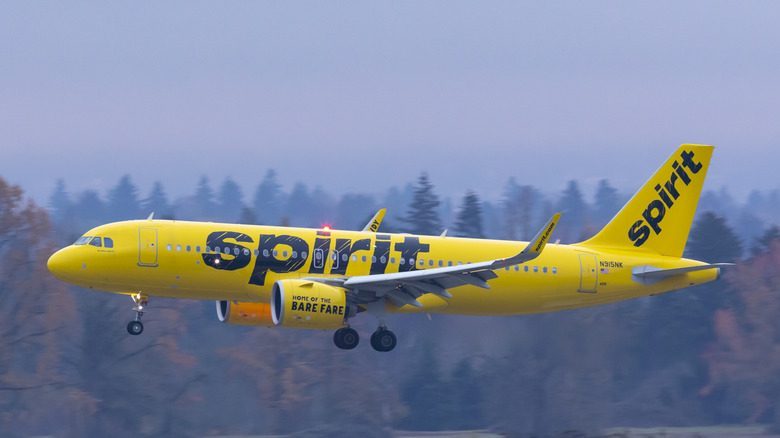
Ultra-low-cost carriers are masters of the looks cheap, ends up expensive
game. The base fare is tiny because it includes almost nothing beyond the right to sit somewhere on the plane.
Common extras on these airlines include:
- Carry-on bags (yes, even those)
- Checked bags
- Seat selection (including sitting with your own family)
- Snacks, drinks, sometimes even water
- Airport check-in or printed boarding passes
As fee-focused guides and budget airline breakdowns show, these add-ons can easily double or triple the initial price. That’s the real cost of budget airlines that people forget to factor in.
On top of that, you often get:
- Less legroom and tighter seats
- Stricter baggage enforcement (a slightly oversized bag can cost a lot at the gate)
- Leaner customer service, which really hurts when flights are delayed or cancelled
So when do these airlines actually make sense?
For me, they work when:
- I can travel with just a small personal item or one light bag.
- I don’t care where I sit and I’m okay with basic comfort.
- The total price after adding the bags and seats I need is still clearly cheaper than a full-service airline.
And they don’t work when:
- I’m carrying sports gear, work equipment, or multiple bags.
- I’m traveling with kids or a group that needs to sit together.
- I’m on a tight schedule and can’t afford chaos if something goes wrong.
If you go budget, go in with eyes open. Read the baggage rules carefully, measure your bags, and add up all the fees before you click buy. That’s how you avoid the classic cheap airfare mistakes to avoid, where a cheap ticket vs total travel cost ends up being a nasty surprise.
6. Timing Your Booking: Why “Last-Minute Deals” Are Mostly a Mirage
There’s a persistent fantasy that if you just wait long enough, airlines will panic and slash prices. Modern pricing doesn’t really work like that.
Airlines use dynamic pricing and fare buckets. As cheaper seats sell, prices climb. As departure gets closer, they know business travelers and desperate last-minute bookers will pay more. So they usually raise prices, not cut them.
Recent data from sources like Expedia, Skyscanner, Hopper, and the U.S. Department of Transportation (summarized in places like this analysis) suggests:
- For many domestic routes, the best window is roughly 21–60 days before departure.
- For many international routes, it’s around 40–60 days out.
- Prices often rise 3–4 weeks before departure and spike in the last 7–10 days.
Yes, true last-minute deals exist — usually on off-peak, less popular routes with lots of empty seats. But they’re the exception, not a strategy you can rely on, especially around holidays, school breaks, or big events.
What I do instead:
- Set price alerts a few months out for important trips.
- Stay flexible with dates and sometimes airports.
- Watch for patterns over a week or two, then book when the price is in a reasonable range — not necessarily the absolute rock bottom.
Waiting for a miracle fare can easily turn into paying a premium because you ran out of time. A calm flight schedule and travel cost comparison usually beats gambling on a last-minute miracle.
7. A Simple Door-to-Door Cost Checklist (So You Don’t Get Tricked)
When I’m comparing flights now, I don’t just look at the fare. I run a quick mental checklist for each option to get past the hidden costs of cheap flights and see the real picture.
- Base fare: What’s the actual ticket price?
- Bags: How many do I realistically need, and what will they cost on this airline?
- Seats: Do I care where I sit or who I sit with? What’s that going to cost?
- Airports: How much and how long are the transfers on each end?
- Timing: Will I need taxis, extra meals, or a hotel night because of early/late flights?
- Layovers: Are they short and efficient, or long and expensive?
- Energy: Will this itinerary leave me functional, or will I lose a day recovering?
Then I ask one final question: If I add all of that up, which option is truly cheaper for the trip I want to have?
Sometimes the answer is still the rock-bottom fare. Often, it’s a slightly more expensive flight that leaves at a sane hour, uses a main airport, and doesn’t trap you in a terminal for half a day.
That’s the real trick: stop chasing the lowest number on the screen, and start optimizing for the lowest total cost of a trip you’ll actually enjoy. When you look at the whole journey — not just the ticket — the “cheapest” option often changes.