I’ve lost count of how many times I’ve clicked the cheapest
flight on a search screen and then regretted it somewhere around hour five of a grim airport layover. On paper, the ticket was a bargain. In real life, it cost more in food, taxis, sleep, and sanity than a slightly pricier nonstop would have.
This guide unpacks that gap between a cheap fare
and a genuinely cheap trip. We’ll look at the hidden costs of cheap flights: long layovers, red-eye arrivals, secondary airports, and all the extra transfers and fees that quietly pile up. The goal? Help you decide, with clear eyes, whether that bargain flight is actually worth it.
1. The Big Question: Are You Pricing the Flight or the Trip?
Most booking sites train us to chase the lowest number in bold. But that number is only the airfare. It’s not the cost of the journey you’re actually taking: from your front door to the bed where you finally crash at your destination.
Now, when I compare options, I force myself to price the door-to-door trip, not just the ticket. That means adding things most people ignore when they’re focused on cheap vs direct flight cost comparison:
- Ground transport to and from each airport (including surge pricing, night rates, or long suburban transfers to secondary airports).
- Food and drinks during layovers and at awkward mealtimes.
- Hotels if a connection or red-eye forces an overnight stay.
- Ancillary fees: bags, seat selection, priority boarding, printing boarding passes, carry-on fees on budget airlines, etc.
- Time and energy: lost work hours, extra vacation days, and recovery time from brutal schedules.
Once you do this, a pattern appears: the cheapest
flight is often a false economy. A nonstop that costs 20–30% more can easily be cheaper overall once you factor in airport transfer costs, extra meals, and recovery time. This matches what door-to-door comparisons on sites like PassingThru keep pointing out.
Quick rule I use: if the cheaper itinerary saves less than about $80–$100 but adds 5+ hours of travel or a painful schedule, I treat it as more expensive and move on.
2. Long Layovers: Money-Saver, Time-Waster, or Bonus City?
Long layovers are where the hidden costs of cheap flights really show up. A 7–10 hour connection looks like a minor inconvenience on a search screen. In reality, it’s basically an extra travel day.
Here’s how I think about them now.
When long layovers quietly cost more
A long layover usually means a lot more than just sitting around:
- Multiple airport meals at inflated prices (easily $30–$60 per person, sometimes more in big hubs).
- Boredom spending: coffee, snacks, magazines, lounge passes, random gadgets you don’t need.
- Energy drain: you arrive wrecked, lose your first day, and sometimes need an extra night of accommodation just to recover.
Once I started adding those into the total trip cost of budget airline tickets, I realized many long-layover deals
were actually more expensive than a shorter, slightly pricier itinerary.
When long layovers are actually smart
Long layovers can be brilliant if they’re intentional. Instead of a dead 9-hour wait, you turn it into a mini stopover and get an extra city out of the same ticket. Guides like Going’s long layover guide and AirGlitch show how this can even lower your fare on some routes.
What I look for:
- 9+ hours in a city worth seeing (Seoul, Singapore, Istanbul, Doha, etc.).
- Daytime layover so I can actually explore, not just sit in a terminal at 3am.
- Airport transit tours or stopover programs – some hubs offer free or cheap city tours or even hotel nights if your layover is long enough.
In those cases, the layover isn’t a hidden cost. It’s a bonus destination that might even make the overall ticket cheaper.
Single ticket vs DIY layover
There are two main ways to get a long layover:
- On a single ticket (airline-imposed or chosen via multi-city search). This is safer: if something goes wrong, the airline usually has to get you to your final destination.
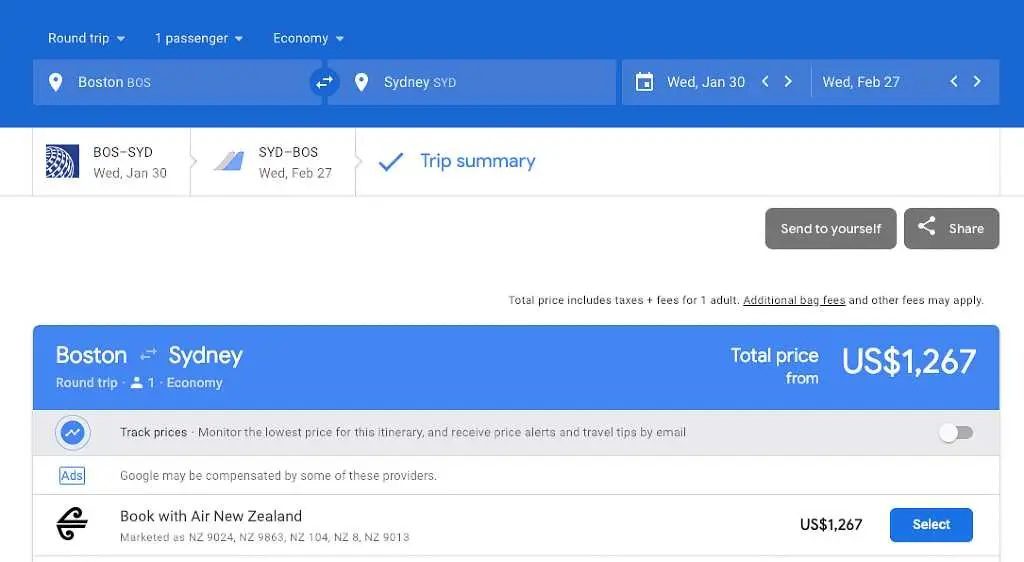
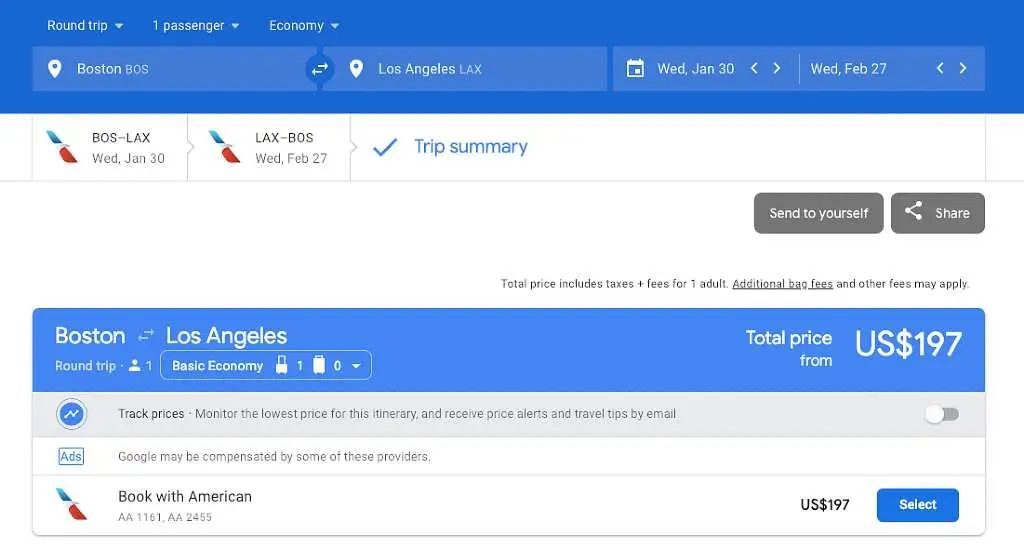
- By booking separate tickets (e.g., Boston–LAX, then LAX–Sydney). This can be cheaper and more flexible, but if your first flight is delayed, the second airline doesn’t have to help you.
I only book separate tickets when:
- I have a very generous buffer (often overnight).
- I’m okay with the risk and have travel insurance that covers missed connections on separate tickets.
- I’m traveling light or can handle re-checking bags.
Takeaway: Long layovers are either the worst part of your trip or the best. They’re worth it only if they clearly save serious money and give you something valuable (a city, a hotel, a real rest) in return. Otherwise, they’re just one of the classic mistakes booking cheap flights with layovers.
3. Red-Eyes and Awkward Flight Times: The Hidden Taxi and Hotel Trap
Red-eyes and very early/late flights are classic cheap
options. Airlines discount them because most people don’t want them. The question is: should you?

What those times really cost
Here’s what I now add to the price of any red-eye or awkwardly timed flight when I’m calculating the real cost of cheap flights:
- Late-night or pre-dawn transport: public transit may not run, so you’re stuck with taxis or rideshares at night rates.
- Airport hotel: if you land at 1am or have a 6am departure, you may need a hotel near the airport on one side of the trip.
- Lost sleep: you often lose the next day to exhaustion. That’s a wasted vacation day or a foggy workday.
- Extra meals: weird times mean you end up buying extra food at airports or on the road.
Once I priced those in, I realized that a $60–$100 cheaper red-eye often cost me more than a daytime flight. Red eye flight hidden costs are real; they just don’t show up on the booking screen.
When red-eyes make sense
I still take red-eyes, but only when:
- I can sleep reasonably well on planes (window seat, neck pillow, eye mask).
- I’m landing somewhere where public transit runs all night or early (e.g., some major European or Asian cities).
- I’m not expected to be sharp the next morning (no big meeting, no long drive).
Otherwise, I treat red-eyes and 6am departures as premium pain and price them accordingly.
Takeaway: If a flight time forces you into taxis, airport hotels, or a lost day of productivity, it’s not cheap. It’s just moving the cost off the ticket and into your life.
4. Secondary Airports and Transfers: The Cheap
Airport That Isn’t
Budget airlines love secondary airports. They’re cheaper for the airline to use, and the savings show up in the fare. But once you factor in time and transfers, that bargain can disappear fast.

Why secondary airports often cost more overall
Before I book a flight to a secondary airport, I always check:
- Distance to the actual city: Is it 20 minutes away or 90?
- Transfer options: Is there a cheap, frequent train or bus, or are you stuck with taxis?
- Arrival time: Will public transport even be running when I land?
- Return timing: How early do I need to leave to get back for my flight?
Once you add a 60–90 minute transfer each way, plus higher transport costs, that cheap
airport can easily erase the savings of the lower fare. This is exactly the kind of secondary airport transfer cost that door-to-door analyses on sites like TripSense warn about.
When secondary airports are worth it
I’ll still use them when:
- The transfer is fast, cheap, and simple (e.g., a direct express train).
- The fare difference is substantial (not $30, more like $150+).
- The timing works with public transport, so I’m not paying for taxis.
Takeaway: Always add the cost and time of getting to and from the airport. If the secondary airport adds more than about an hour each way or forces you into expensive transfers, it’s usually not a deal.
5. Layovers vs Nonstops: How Much Is Your Time Actually Worth?
Nonstop flights are usually more expensive. On average, they can run around 20–30% more than connecting options, though it varies by route and season. The question isn’t Is the nonstop cheaper?
It’s Is my time and sanity worth the difference?
How I compare them now
When I’m staring at a nonstop vs a one-stop, I do a quick mental calculation to compare the real cost of cheap flights with layovers:
- Calculate total travel time for each option (door to door, including airport arrival time).
- Note the schedule quality: Will I arrive rested and usable, or destroyed?
- List extra costs the layover might trigger: meals, lounges, hotels, missed work hours.
- Put a rough value on my time (even a conservative $15–$25/hour).
Then I ask: Is saving $X worth adding Y hours and Z hassle?
Often, the answer is no. A nonstop that costs $120 more but saves 6 hours and a miserable connection is, in real terms, the cheaper option once you factor in hidden layover costs and your own energy.
When layovers are genuinely worth it
I lean toward layovers when:
- The savings are significant (think $200+ per person, not $40).
- The layover is in a good airport with lounges, showers, and decent food.
- The schedule is humane (no 3am connections, no 10-hour overnight in a dead terminal).
- I can turn it into a mini stopover and actually enjoy the extra time.
Takeaway: Don’t treat nonstops as a luxury by default. In many cases, they’re the value option once you price your time and energy honestly and look beyond the headline fare.
6. Hidden-City Tickets and AI Flight Hacks: Smart or Too Clever?
If you’ve ever seen a flight with a layover in your target city that’s cheaper than flying there directly, you’ve brushed up against hidden-city ticketing. Tools like Skiplagged and various AI-powered search engines surface these oddities.
How hidden-city works (and why it’s risky)
The idea is simple: you book a ticket from A to C via B, but you get off at B and skip the final leg. Because of airline pricing quirks, that can be cheaper than booking A to B directly.
But there are catches:
- You can’t check bags (they’ll go to the final destination).
- You shouldn’t do it on a roundtrip – skipping a leg can cancel the rest of your ticket.
- Airlines dislike it and may penalize frequent, obvious use (in theory, even banning accounts or revoking miles).
I treat hidden-city tickets as a niche tool: useful in specific cases, but not a default strategy for saving on budget flight extra fees and transfers.
Where AI tools actually help
AI-powered tools and alerts can be genuinely useful for:
- Price prediction: telling you whether to buy now or wait.
- Finding long-layover itineraries that double as mini stopovers.
- Spotting mistake fares or unusual discounts you’d never find manually.
But even with AI, the same rule applies: a cheap
fare is only good if the whole trip still makes sense once you add transfers, timing, and your own limits. Clever routing doesn’t fix a miserable 3am connection.
Takeaway: Use AI and hidden-city tricks as tools, not as excuses to ignore the real-world cost of awkward routes and schedules.
7. A Simple Checklist to Decide If a Cheap Flight Is Actually Cheap
When I’m about to book, I run through a quick checklist. You can copy this straight into your notes app and use it on your next search to avoid the hidden costs of cheap flights.
Door-to-door cost checklist
- Ground transport
- How much to get to the departure airport at that time of day?
- How much from the arrival airport to where I’m staying?
- Is public transit running, or will I need taxis or rideshares?
- Am I flying into a secondary airport with higher airport transfer costs?
- Layovers
- How many hours total?
- How many meals or snacks will I likely buy?
- Is there any real benefit (city visit, rest, hotel) or just dead time?
- Will I need an overnight layover hotel, and what will that cost?
- Timing
- Will I lose a day to exhaustion or jet lag because of red-eyes or 3am connections?
- Will I need an extra hotel night at either end because of late arrivals or early departures?
- Does the cheap flight arrival time create problems for check-in or onward travel?
- Airline and airport fees
- What are the baggage and seat fees on this airline?
- Are there extra charges for check-in, printing boarding passes, or carry-ons?
- Are there any other budget flight extra fees and transfers I’m ignoring?
- My time and energy
- How many extra hours does the cheaper option add?
- Is the savings worth that time at a rate I’d accept for work or life?
- Will I need extra recovery time, and does that eat into my trip or workdays?
If, after all that, the cheap
flight still comes out clearly ahead, then it’s a real deal. If not, I give myself permission to pay more for the option that actually makes my trip better.
Bottom line: The cheapest flight on the screen is rarely the cheapest way to travel. Once you start pricing the whole journey – layovers, red-eyes, transfers, overnight layover hotel cost, and all – you’ll book fewer miserable bargains
and more trips that feel like they were worth every dollar.