

I don’t trust any price I see on a travel site until I’ve taken it apart. If you’ve ever booked an “all-inclusive” or “package deal” and then been ambushed by surprise charges, you know the feeling. In this guide, I’ll show you how I actually compare all-in trip costs step by step, and how I track down hidden travel fees before you hit “Book now.”
1. Start With Your Real Trip, Not Their Marketing
Most people start with a price. I start with a picture in my head.
Before I open a single tab, I write down what I actually want from this trip. That way I’m comparing the true cost of an all-inclusive vacation that fits me, not whatever the site is pushing.
- Room: Standard vs suite? Ocean view or garden? Balcony? Quiet area?
- Food: Happy with buffets, or do I want à la carte and specialty restaurants?
- Drinks: Is premium alcohol important, or will house wine and basic cocktails do?
- Activities: Water sports, kids’ club, nightlife, spa, excursions – what are my must-haves?
- Convenience: Airport transfers included? Late checkout? Small group tours vs big buses?
Why this matters: if you don’t define your must-haves, you’ll compare a basic buffet-only package to a premium, activity-heavy one and think the cheaper option is a “deal” when it’s actually a totally different product.
I also decide my deal-breakers upfront so I don’t get seduced by a low price that doesn’t fit how I travel:
- Maximum group size (for tours)
- Minimum number of nights in each place (no one-night city sprints)
- Earliest acceptable flight time and maximum layover length
Once I know what I want, I can force every package to compete on the same terms. That’s the only way an all-inclusive trip price comparison is actually fair.
2. Make Every Package Comparable: Same Dates, Same Room, Same Rules
Travel sites love to nudge you into apples-to-oranges comparisons. One tab shows a garden-view room, another shows an oceanfront suite, a third includes breakfast only. Of course the prices don’t match.
Here’s how I level the playing field so I don’t make basic mistakes comparing vacation packages:
- Lock in the basics: same check-in/check-out dates, same number of travelers, same departure airport.
- Match the room type: pick a specific room category (e.g., “Junior Suite Ocean View”) and make sure every site is quoting that exact room.
- Match the board basis: all-inclusive vs half-board vs breakfast-only. A lot of “all-inclusive” offers are actually just meal plans.
- Match the cancellation policy: nonrefundable will always look cheaper. Compare flexible vs flexible, nonrefundable vs nonrefundable.
I usually check 3–5 reputable sites plus the hotel or tour operator’s own website. For all-inclusive resorts and beach packages, I’ll often include tools like CheapCaribbean’s filters or Apple Vacations’ bundles, because they clearly show what’s included and sometimes throw in transfers or resort credits that change the math.
Only when all these variables match do I start caring about the price.
3. Ignore the Sticker Price – Go All the Way to Checkout
This is where most “deals” fall apart.
I never compare prices on the search results page. I click through to the final checkout screen on each site and write down the true total for the same package. That’s where the travel package hidden charges usually show up:
- Room or tour price
- Taxes and service charges
- Resort fees or “destination fees”
- Mandatory gratuities or service fees
- Fuel surcharges (for cruises or some tours)
Some sites bury these in expandable sections or tiny gray text. I open every dropdown. If I still can’t see a clear breakdown, that’s a red flag.
For flight + hotel packages, I also check for unexpected airline and hotel fees:
- Baggage fees: Is this a basic economy fare with no checked bag? I look up the airline’s baggage chart and add realistic costs.
- Seat selection: If I care about sitting together or avoiding middle seats, I assume I’ll pay something and add a rough estimate.
Only then do I compare the totals. Sometimes the “cheapest” package on the search page ends up being more expensive than a competitor once all the fees are exposed.
4. Break It Down Per Day – And Per Person
A $3,000 trip might be a rip-off or a steal. It depends on per what?
To really calculate total trip cost before booking, I always convert everything to:
- Cost per person
- Cost per person per day
Here’s a simple way to do it:
- Add up the real total (including taxes, fees, and mandatory tips).
- Divide by the number of travelers.
- Divide again by the number of nights.
Now I can compare a 5-night “cheap” package to a 7-night “expensive” one on equal footing. I also look at what that daily rate actually buys me:
- How many meals are included?
- Are airport transfers covered?
- Are key activities included or all à la carte?
- Is this peak season (e.g., cherry blossoms in Japan) or off-season?
Sometimes a higher daily rate is justified by smaller group sizes, better pacing (no city-a-day madness), or more meaningful inclusions like curated dining experiences or internal transportation. I’d rather pay more for a trip that doesn’t feel like a race.
This is also where you can start to see the real difference between an all-inclusive vs pay-as-you-go cost for the same style of trip.
5. Audit the “All-Inclusive” Label: What’s Actually Included?
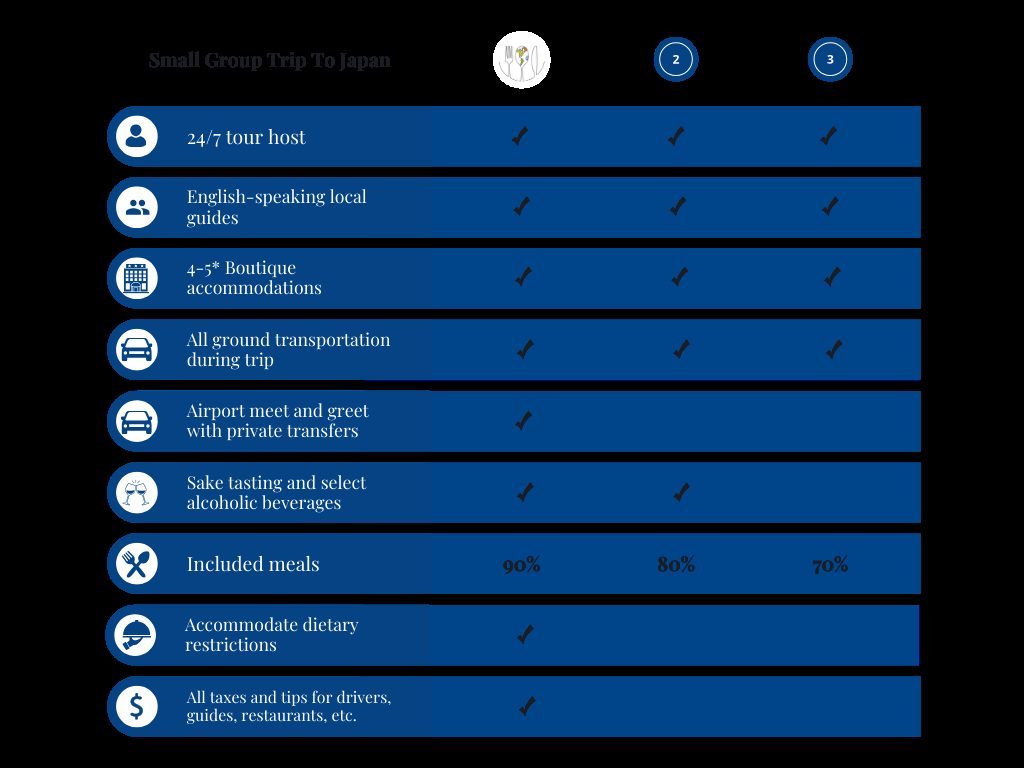
“All-inclusive” is not a regulated term. It can mean almost everything
or just the basics.
I never assume. I verify.
Here’s the checklist I use to decode what’s really included and avoid being surprised by the full cost breakdown of vacation packages later.
Food
- Are all meals included, or just breakfast and dinner?
- Buffet only, or are à la carte and specialty restaurants included?
- Do specialty restaurants require extra fees or per-person supplements?
- Any limits on how many times I can visit certain restaurants?
Drinks
- Are alcoholic drinks included, or just soft drinks?
- Is it only domestic brands, or are premium spirits and good wine included?
- Are specialty coffees, fresh juices, or cocktails extra?
Activities & Entertainment
- Which water sports are included? Non-motorized only?
- Are things like scuba, jet skis, or golf extra?
- Is the kids’ club included or charged per session?
- Are evening shows and basic entertainment free?
Transfers & Extras
- Is airport–hotel transportation included both ways?
- Any resort credits, spa credits, or late checkout perks?
- Are taxes and tips included, or will I see a “service charge” at checkout?
I also pay attention to the tier of all-inclusive:
- Basic: Buffets, domestic drinks, limited activities.
- Premium: Some specialty dining, better drinks, more activities.
- Ultra/luxury: Almost everything included, but spa and off-property excursions usually still cost extra.
Misunderstanding your tier is one of the fastest ways to blow your budget when you thought you were budgeting for all-in travel deals.

6. Hunt Down the Usual Suspects: Common Hidden Fees
Once I know what’s included, I go looking for what’s not. This is the heart of any hidden travel fees guide. These are the usual budget killers I watch for:
- Resort fees / destination fees: Often mandatory and not shown in the initial price.
- Automatic gratuities: Daily per-person charges or percentage-based service fees.
- Premium dining: Chef’s tables, wine pairings, specialty restaurants with surcharges.
- Spa & salon: Treatments, upgrades (hot stones, premium oils), and extra tips.
- Excursions: Off-resort tours, park fees, equipment rentals, and transportation.
- Transportation: Airport transfers, shuttles to town, or taxis if the resort is isolated.
- Flight extras: Checked bags, carry-on fees on low-cost carriers, seat selection.
- Payment fees: Credit card surcharges or foreign transaction fees.
When something is vague, I don’t guess. I either:
- Check the resort’s or operator’s official “What’s Included” page, or
- Contact them and ask for a written estimate or price list for spa, excursions, and add-ons.
Then I add a realistic line item in my own budget for each category I know I’ll use. That’s how I spot resort fees and taxes early instead of at checkout.

7. Build a Simple Comparison Sheet (This Is Where the Winner Emerges)
At this point, I usually have 3–6 serious contenders. They all look good. They all claim to be a deal. So I put them in a simple spreadsheet or table to really compare all-in trip costs side by side.
My columns look something like this:
- Site / Provider
- Total cost (with taxes & mandatory fees)
- Cost per person per day
- Room type & view
- Board basis (true all-inclusive vs meal plan)
- Airport transfers (Y/N)
- Included activities
- Notable extras (resort credits, spa credits, late checkout)
- Cancellation policy
Then I ask myself:
- Which option gives me the best experience per dollar, not just the lowest price?
- Which one will feel good while I’m there, not just when I’m booking?
- Where am I likely to overspend once I arrive?
Often, the “cheapest” package loses once I factor in transfers, realistic food and drink habits, and the cost of the activities I actually care about.
8. Sanity-Check Packages Against DIY Booking
Finally, I like to test whether the package is truly a deal or just convenient marketing.
I do a quick DIY comparison to see if the “all-in” offer really beats booking everything separately:
- Price the same flights separately on the airline’s site.
- Price the same room type on the hotel or resort’s own site.
- Add a realistic estimate for transfers and any extras the package includes (like resort credits).
Sometimes the package wins by a lot. Sometimes booking separately is cheaper, especially if I can stack a flight deal from a service like Going with a hotel promo or loyalty points.
If the package is slightly more expensive but includes better cancellation terms, loyalty rewards, or extras like Costco Shop Cards or airport transfers, I might still choose it. I just want to know why I’m paying more.
Key Takeaways Before You Book
If you remember nothing else, remember this:
- Define your ideal trip first, then make packages compete to match it.
- Match dates, room type, board basis, and cancellation policy before comparing prices.
- Ignore headline prices; compare only the final checkout totals.
- Convert everything to cost per person per day and weigh that against what’s truly included.
- Assume “all-inclusive” is a marketing term until you’ve read the fine print.
- Actively hunt for hidden fees and budget for the ones you’ll actually use.
- Use a simple comparison sheet to see which option is genuinely the best value.
Do this once or twice and you’ll start to see patterns. The “too good to be true” deals will jump out at you, and the genuinely smart buys will be much easier to spot. That’s when all-in trips stop being a gamble and start being a tool you can actually trust.