
I’ve watched very smart people run out of money halfway through a trip because they felt
like they were spending roughly the right amount. Feelings don’t convert well into foreign currencies.
This guide is about building a daily travel budget in foreign currency that actually works on the ground, with real prices, real exchange rates, and real fees. I’ll walk through how I do it, step by step, so you can stop guessing and start knowing how much daily spending money you really have for an overseas trip.
1. Start With the Trip You Can Actually Afford (Not the One on Instagram)
Before you touch a currency converter, you need one number: your total trip budget in your home currency.
I start with two questions:
- What’s the absolute max I’m willing to spend on this trip? (Including everything.)
- How much of that can I comfortably pay off within 1–3 months if I use a card?
If those two answers don’t match, I adjust the trip, not my optimism.
Then I use a simple formula:
Total Trip Budget = (What I can truly afford) + 15–20% buffer
That buffer is not optional. Every serious travel calculator I’ve seen, like the ones on MyTimeCalculator and MiniWebTool, bakes in a 10–20% contingency. Real life is messy. Flights change. You get sick. You discover a once-in-a-lifetime tour that wasn’t in your spreadsheet.
Once I have that total number, I split it into two buckets:
- Fixed costs: flights, visas, insurance, big tours, long-distance trains.
- Daily costs: accommodation, food, local transport, activities, small extras.
Why bother? Because your daily travel budget lives in that second bucket. If you don’t separate them, you’ll think you’re spending only
$80/day while ignoring the $1,200 flight you already paid for.
2. Turn Your Total Into a Daily Number (That You Can Actually Stick To)
Now we turn that total into a daily budget that makes sense in real life.
Here’s the basic structure I use, inspired by tools like the MiniWebTool Travel Budget Calculator:
- Subtract fixed costs from your total budget.
- Divide what’s left by the number of days on the ground.
- Add a small daily buffer on top (5–10%).
In formula form:
Daily Budget (home currency) = (Total Budget − Fixed Costs) ÷ Trip Days × 1.05–1.10
Example:
- Total budget: $3,500
- Fixed costs (flights, insurance, visas): $1,200
- Days on the ground: 14
Step-by-step:
- Variable pot = $3,500 − $1,200 = $2,300
- Base daily = $2,300 ÷ 14 ≈ $164
- With 5% buffer = $164 × 1.05 ≈ $172/day
That $172/day is your all-in daily budget for accommodation, food, local transport, activities, and small extras. It’s the number that keeps you from running out of cash while traveling.
To make this more realistic, I break that daily number into categories, similar to how the Topologica daily budget calculator thinks about it:
- Accommodation: 35–45%
- Food & drinks: 25–35%
- Local transport: 10–15%
- Activities & attractions: 10–20%
- Misc / buffer: 5–10%
On $172/day, a realistic split might be:
- Accommodation: ~$70
- Food: ~$50
- Transport: ~$20
- Activities: ~$20
- Misc: ~$12
Already, you can see if your expectations match reality. If you’re dreaming of boutique hotels and tasting menus on $70 accommodation and $50 food per day, something has to give.
This is the moment to adjust your plan, not when your card gets declined.
3. Translate That Daily Budget Into Foreign Currency (Without Lying to Yourself)
Now comes the part where most people quietly lose 5–10% of their budget: currency conversion.
When you’re planning a foreign currency travel budget, it’s tempting to plug numbers into a converter and call it done. I don’t. I assume the real-world rate I’ll get will be slightly worse than the mid-market rate you see on XE or Google.
Here’s how I convert my daily budget into local currency without self-delusion:
- Check the real mid-market rate on a site like XE or OANDA.
- Apply a conservative haircut of 2–4% to account for card spreads and minor fees.
- Use that slightly worse rate for all my planning.
Let’s say your daily budget is $172 and you’re going to the eurozone.
- Mid-market rate: 1 USD = 0.92 EUR (example)
- Conservative planning rate: 1 USD = 0.90 EUR
So your planning daily budget is:
$172 × 0.90 ≈ €155/day
That’s the number I write down and use on the ground. Not the prettier one.
Tools like the MyTimeCalculator Travel Budget Calculator and MoneyConverter’s travel budget guide are useful here because they let you plan in your home currency and see the destination currency side by side. Just remember: they don’t pull live prices. You still need to research real costs for accommodation, food, and activities.
To sanity-check your daily number, I compare it with regional benchmarks like those from Topologica:
- Ultra-budget: $20–40/day
- Budget: $40–80/day
- Mid-budget: $80–150/day
If your plan says you’ll live comfortably in Japan on $40/day, the problem isn’t the exchange rate. It’s the fantasy.

4. Decide How Much Cash You Actually Need (Hint: Less Than You Think)
This is where people either overdo it (carrying a brick of cash) or underdo it (arriving with nothing and paying airport exchange rates).
I aim for a middle ground:
- 1–2 days of basic spending in local cash for arrival.
- Cards for almost everything else.
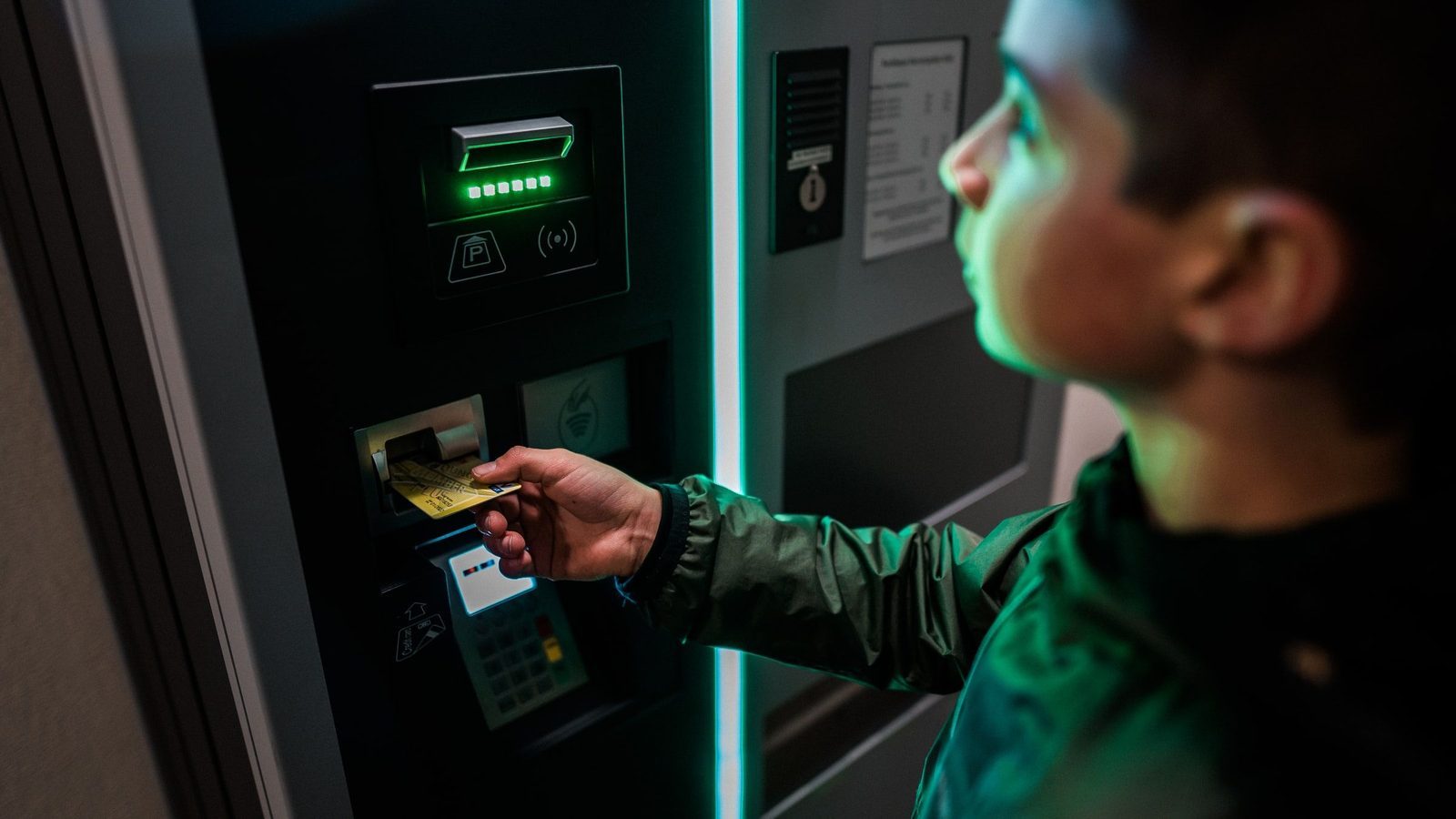
For Europe, for example, Monito suggests around €300 for the first 7–10 days and €500–700 for two weeks if accommodation is prepaid. That matches my experience: cards cover most things, cash is for tips, small shops, and the occasional stubborn taxi driver.
My rule of thumb for how to budget travel cash abroad:
- Urban, card-friendly countries (Europe, US, much of East Asia): 5–10% of your total budget in cash, spread across the trip.
- Cash-heavy countries (parts of Africa, South Asia, rural areas): 15–25%, but withdrawn in chunks from ATMs, not exchanged all at once.
I also keep a small emergency stash in my home currency (around $100) hidden separately. I treat it as break glass in case of emergency
money, not daily spending.
And I never forget the boring but important rule: in the EU, bringing more than €10,000 in cash requires a customs declaration. More importantly, it’s just not smart to carry that much.
This balance of cash vs card travel expenses keeps you flexible without walking around with a mini bank in your backpack.
5. Kill Hidden Currency Fees Before They Kill Your Budget
You can build the perfect daily budget and still overspend by 5–10% without buying anything extra. How? By leaking money through bad exchange rates and fees.
Here’s what I actively avoid, based on the warnings from MoneyConverter and others:
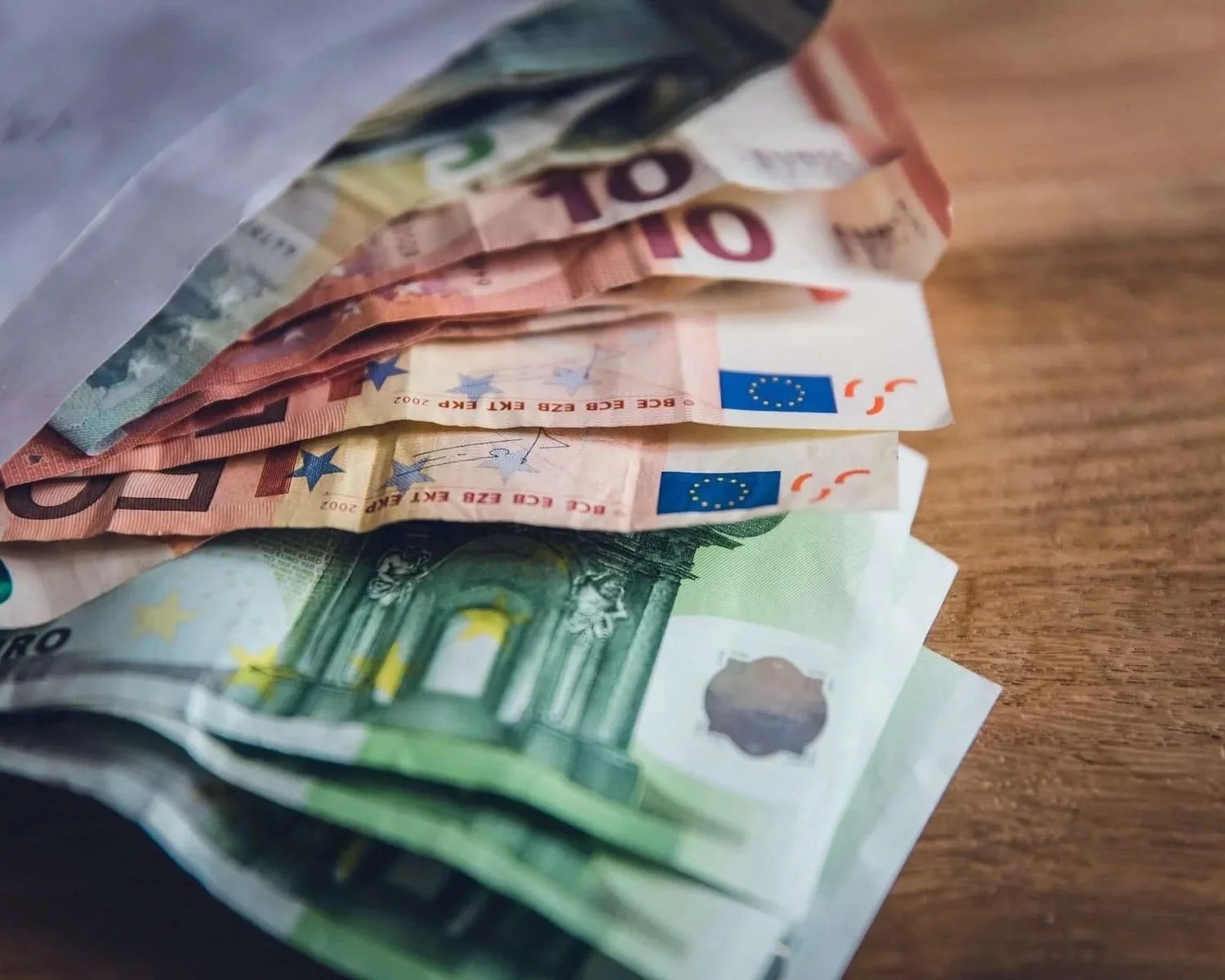
- Airport exchange counters: often 8–12% above the real rate, plus fees.
- Standard credit cards with 3% foreign transaction fees: that’s $150 on a $5,000 trip.
- Dynamic Currency Conversion (DCC): when a terminal offers to charge you in your home currency instead of local. I always say no and pay in local currency.
Instead, I do this:
- Use a no-foreign-transaction-fee credit card for most purchases.
- Use a debit card that refunds ATM fees (or at least doesn’t add its own).
- Withdraw from bank-owned ATMs, not random standalone machines in tourist zones.
Hidden costs add up. MoneyConverter estimates that using bad cards and airport exchanges can effectively turn a $5,000 trip into a $5,500 one for the same experience. That’s an extra $500 you could have spent on better food, a nicer room, or another trip.
So when I build my budget, I assume:
- 0–1% loss if I use good cards and ATMs.
- 5–10% loss if I’m lazy and use whatever is easiest.
I’d rather do a bit of homework and keep that 5–10% for myself. This is one of the easiest travel budget mistakes with foreign money to avoid, and it has a big impact on your overall cost.
6. Adjust Your Daily Budget for Each Country (Especially on Multi-Country Trips)
One of the biggest mistakes I see: people set a single daily budget for a multi-country trip and expect it to work everywhere. It won’t.
Costs vary wildly. Southeast Asia can be $25–35/day for budget travel. Western Europe can easily be $80–150/day for the same comfort level. If you average those into one number, you’ll overspend in expensive countries and underspend in cheap ones.
Here’s how I handle it:
- Start with regional benchmarks from tools like Topologica’s country cost calculator.
- Assign a daily budget per country based on my travel style (ultra-budget, budget, mid-budget).
- Weight those by days to see if the total still fits my overall budget.
Example: 30-day trip.
- 10 days in Vietnam (budget: $40/day)
- 10 days in Eastern Europe (budget: $70/day)
- 10 days in Western Europe (budget: $110/day)
Total variable costs:
- Vietnam: 10 × $40 = $400
- Eastern Europe: 10 × $70 = $700
- Western Europe: 10 × $110 = $1,100
- Total = $2,200
Average daily = $2,200 ÷ 30 ≈ $73/day. But notice how misleading that average is. If you try to live on $73/day in Western Europe, you’ll feel broke. If you spend $110/day in Vietnam, you’ll be living very well.
So I don’t use one daily number. I use a different daily budget per country, and I track them separately. Tools with custom categories and multi-country support, like the MyTimeCalculator Custom Category Budget, are handy for this.
Then I add a 20% buffer for long trips, as Topologica suggests, to cover visa runs, rest days, and random surprises. It’s a simple way to keep your international trip budget breakdown by day realistic instead of optimistic.

7. Track Planned vs Actual (Without Ruining Your Trip)
All of this planning is useless if you never check how you’re actually spending.
I’m not a fan of obsessively logging every coffee, but I do like a simple planned vs actual check-in. The idea is similar to the Planned vs Actual
tab and Spending Efficiency Score
in the MyTimeCalculator tool: not to judge you, but to keep you aware.
Here’s my low-effort system:
- Each morning, I note how much I spent the previous day (rounded).
- Every 3–4 days, I compare my average to my planned daily budget.
- If I’m consistently over by 10–15%, I adjust something: cheaper accommodation, more street food, fewer paid attractions.
I also separate:
- On-the-ground daily costs (food, local transport, activities).
- Big one-off costs (long-distance trains, flights, special tours).
This mirrors what the MiniWebTool calculator does when it shows daily spending pressure excluding flights
. It’s psychologically easier to stay on track when you see that your daily life is under control, even if you had one big splurge.
The goal isn’t perfection. It’s awareness. If you know you’re overspending, you can decide whether it’s worth it. If you don’t know, you just hope.
8. Build a Simple, Repeatable System (So Every Trip Gets Easier)
Once you’ve done this once, you don’t need to reinvent the wheel for every trip. I keep a simple template for travel money management abroad:
- Set total budget in home currency + 15–20% buffer.
- List fixed costs (flights, visas, insurance, big tours).
- Calculate daily budget for variable costs.
- Convert daily budget into local currency using a conservative rate.
- Set per-country daily budgets for multi-country trips.
- Decide cash strategy: how much to withdraw, how often, and from where.
- Choose the right cards: no-foreign-fee credit card + ATM-friendly debit card.
- Track planned vs actual every few days and adjust.
Alongside that, I keep a few tools bookmarked:
- A currency converter (XE, OANDA).
- A travel budget calculator (like MyTimeCalculator or MiniWebTool).
- A country cost guide (like Topologica’s daily budgets).
Do the math once, before you leave. Convert your home budget to local currency using realistic rates. Build a daily spending limit that respects both your bank account and the real cost of the place you’re visiting.
Then, when you’re actually on the trip, you can relax a bit. You’ll know how much cash per day in euros (or any other currency) you can spend without that nagging fear of running out halfway through.
Because nothing kills a great trip faster than realizing your last three days are going to be instant noodles and regret.