
I like spontaneous trips as much as anyone. But let's just wing it
is also how people end up eating instant noodles in a $300-a-night hotel room they never meant to book.
The sweet spot is this: a flexible plan inside a firm budget. You know your numbers, you know your non‑negotiables, and you leave enough space to say yes when something unexpected and amazing shows up.
What follows is how to plan a flexible travel itinerary, step by step, so you can stay open to change without wrecking your bank account.
1. Start With a Number, Not a Destination
Most people start with Where do I want to go?
I start with a different question: How much can I spend without stressing later?
Before I even open a flight search, I set a total trip budget I can pay in full, in cash or from savings. Then I break it into rough buckets so I’m not guessing as I go:
- Transport: 30–40% (flights, trains, buses, local transit)
- Accommodation: 25–35%
- Food & drinks: 15–25%
- Activities & experiences: 10–20%
- Misc & buffer: 5–10% (emergencies, random stuff)
This isn’t about perfection. It’s about giving yourself guardrails. If you overspend on flights, you already know something else has to give. That’s the core of budget friendly trip planning.
Then I ask two questions:
- What’s the main point of this trip? Culture? Food? Nature? Rest? Visiting friends?
- What’s non‑negotiable? Maybe it’s one big tour, a nicer hotel for two nights, or a specific restaurant.
Those answers shape everything that follows. If food is the priority, I’ll protect the restaurant budget and be more ruthless with accommodation. If nature and hiking are the focus, I’ll lean into destinations where the best stuff is free.
Once I have a number and a purpose, then I look at destinations that actually fit that budget instead of forcing an expensive place to work. That’s the foundation of any step by step flexible travel plan.
2. Let Prices Choose Your Destination (Not Instagram)
Here’s where flexibility starts paying off. Instead of saying I’m going to Paris in July
, I say things like:
I want 7–10 days somewhere with good food and walkable neighborhoods.
I’m free in May or October.
My total budget is $X.
Then I let prices guide me.
I’ll open tools like Google Flights or Skyscanner and search from my home airport to Everywhere
with flexible dates. For flexible travel on a budget, I’m looking for:
- Cheaper regions (parts of Southeast Asia, Eastern Europe, Latin America) where my daily costs will be lower.
- Shoulder seasons (spring and fall) where flights and hotels drop but the weather is still decent.
- Midweek flights that are often cheaper than weekend departures.
Once I see a few affordable options, I sanity‑check them:
- What’s the average nightly rate for a basic but decent room?
- What does a normal meal cost away from tourist traps?
- Are there free or low‑cost things I actually want to do there?
If the numbers look good, that becomes my destination. Not the place that looked good in someone else’s reel.
Key idea: the more flexible you are on where and when, the less rigid you have to be with every tiny expense later. This is where a dynamic travel itinerary on a budget really starts.
3. Build a Daily Money Plan (That Can Bend Without Breaking)
Now I translate that total budget into something I can actually use on the ground: a daily money plan.
I take my total budget (minus flights and any prepaid costs) and divide it by the number of days. That gives me a daily target. Then I break that daily number into:
- Bed: max I’ll spend per night
- Food: rough amount for meals, snacks, drinks
- Local transport: buses, metro, occasional rideshare
- Activities: museums, tours, etc.
But here’s the flexible part: I don’t treat that daily number as a prison. I treat it as a moving average.
If I have a cheap day (street food, free walking tour, public transit), I mentally (or in an app) move the savings into a fun bucket
for later. If I blow the budget one day, I know I need a cheaper day soon to balance it out.
To keep myself honest, I track spending in a simple way:
- Notes app or a budget app (like Trail Wallet, TravelSpend, or just a spreadsheet)
- Quick entries:
Lunch 8
,Metro 3
,Museum 12
- End of day: 30 seconds to see if I’m above or below target
Why this matters: flexibility without tracking is just wishful thinking. Tracking without flexibility is misery. You want both if you care about the cost of flexible travel plans.
4. Lock In the Big Stuff, Leave the Rest Open
Not everything should be flexible. Some things are cheaper and less stressful when you commit early.
Here’s what I usually lock in ahead of time when I’m doing budget travel planning:
- Flights or main long‑distance transport (buses, trains between cities)
- First 1–3 nights of accommodation so I’m not wandering around jet‑lagged
- Any must‑do, limited‑capacity experiences (popular museums, special tours, time‑entry attractions)
When I book, I look for:
- Free or low‑cost changes on flights and trains where possible
- Accommodation with free cancellation up to a few days before arrival
- Refundable or reschedulable tickets for big attractions
Then I deliberately leave gaps in the itinerary:
- Unplanned afternoons or full days with no fixed activity
- Open nights where I can decide later whether to stay longer or move on
- At least one
buffer day
in case of weather, delays, or something unexpectedly great
This structure gives me a skeleton: I know where I’ll be and roughly what I’ll spend on the big pieces. But I still have room to follow recommendations from locals, new friends, or my own mood.
Rule of thumb: lock in what can sell out or spike in price; keep everything else loose. That balance is the heart of flexible booking vs fixed booking costs.
5. Design a Flexible Daily Itinerary (With Built‑In Cheap Days)
Once I know my route and a few key bookings, I sketch out days in a way that protects both my time and my wallet.
I don’t script every hour. Instead, I plan in blocks:
- Morning: one main activity (museum, hike, walking tour)
- Afternoon: one optional activity + wandering time
- Evening: either a nicer meal or a low‑key night
Then I deliberately mix in low‑cost days to balance out the spendy ones:
- Day with a paid tour? Next day is parks, markets, and self‑guided exploring.
- Fancy dinner one night? Street food or groceries the next.
- Big intercity travel day? Keep activities simple and free.
Some of my favorite cheap‑but‑great options:
- Free walking tours (tip‑based, so you control the cost)
- City viewpoints, riversides, and public parks
- Neighborhood wandering with a coffee instead of a ticket
- Museums on free or discounted days
When something unexpected pops up—a local festival, a new friend’s invite, a last‑minute tour deal—I look at my plan and ask:
- What can I swap or drop that costs money?
- Can I turn tomorrow into a low‑spend day to compensate?
That way, saying yes to something new doesn’t automatically mean saying yes to overspending. It’s a simple travel planning framework for budget trips that still feels spontaneous.
6. Use Transport and Accommodation to Create Flexibility (and Savings)
Transport and accommodation are where you can quietly save hundreds without feeling deprived—if you’re strategic.
Transport tricks that keep things flexible:
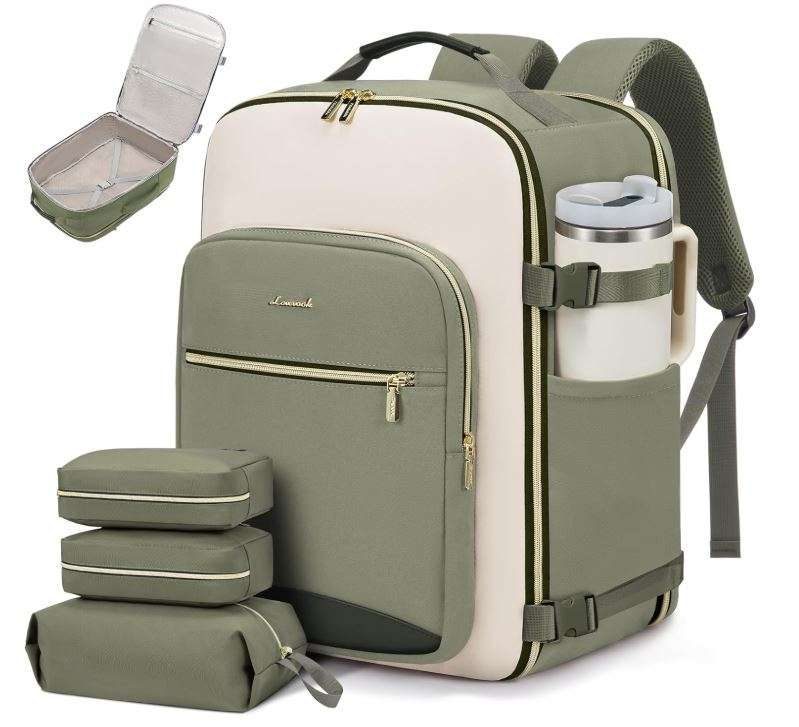
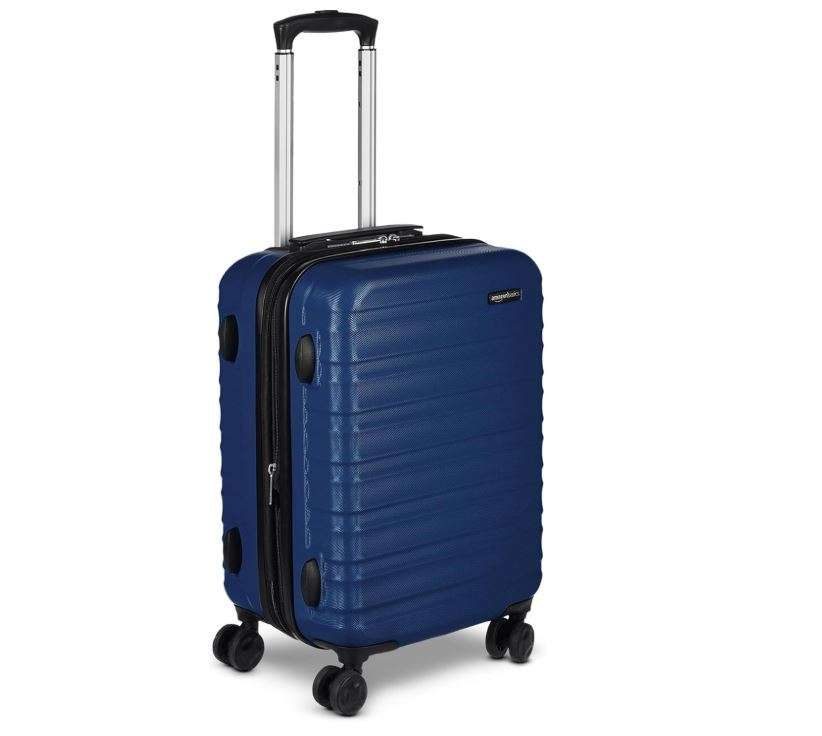
- Travel light: carry‑on only when possible. No checked bag fees, easier to change plans, less stress.
- Public transit over taxis: metros, buses, trams. Cheaper, more predictable, and you see real life.
- Night buses or trains: in some regions, they can replace a night of accommodation and a daytime travel block.
- Walk more: it’s free, and you discover things you’d never see from a car.
These choices are the backbone of cheap flexible flight options and low‑cost transport in general.
Accommodation choices that keep options open:
- Hostels or guesthouses if you’re social and want flexibility—easy to extend or move on.
- Vacation rentals with kitchens if you want to cook and stay longer; weekly discounts can be huge.
- Free cancellation as a default, even if it’s a bit more expensive. That flexibility often pays for itself.
I also like to vary my stays:
- Several nights in budget places + one or two
nicer
nights - Longer stays in cheaper cities, shorter in expensive ones
This lets me keep the average nightly cost under control while still having a few memorable splurges. It’s one of the easiest low cost flexible accommodation strategies you can use.
7. Eat Well Without Letting Food Hijack Your Budget
Food is where a lot of people quietly blow their budget. It’s also one of the best parts of travel. The goal isn’t to eat sad meals; it’s to be intentional.
Here’s how I keep it flexible and affordable:
- Pick your heroes: choose a few
must‑try
restaurants or food experiences and plan around them. - One big meal, two simple ones: if dinner is the splurge, breakfast and lunch are cheap and local.
- Use markets and street food: often more authentic and far cheaper than sit‑down tourist spots.
- Cook occasionally: if you have a kitchen, even making breakfast and one dinner every few days saves a lot.
I also avoid the classic budget killers:
- Eating right next to major attractions
- Ordering like I’m at home (imported wine, familiar chains, etc.)
- Constant snacks and coffees in touristy areas
Instead, I’ll walk a few blocks away, check what locals are actually eating, and let that guide me. It’s cheaper, and usually better.
Simple rule: plan your special meals; let the rest be flexible, cheap, and local. That’s how you enjoy a place’s food scene without letting it hijack your budget friendly trip planning.
8. Protect Yourself From the Stuff You Can’t Plan
Even the best flexible itinerary can get wrecked by things you don’t control: delays, illness, strikes, weather, closures.
I can’t predict those, but I can blunt the financial damage and budget for last minute travel changes:
- Emergency buffer: I keep a small chunk of my budget (or a separate fund) for true surprises.
- Payment strategy: at least one card with no foreign transaction fees, plus a backup.
- Cancellation policies: I actually read them before booking, especially for transport and tours.
- Travel insurance: for bigger trips or expensive bookings, I seriously consider it—especially for medical coverage abroad. (You can compare policies from providers like Travel Insured and others.)
Then, if something goes wrong, I’m not forced into terrible, expensive decisions. I can adjust the plan, use my buffer, and keep the trip going without panic.
This is also where backup plans for cancelled flights matter: knowing your options, having flexible tickets where it counts, and not tying every part of your trip to one fragile connection.
Bottom line: flexibility isn’t just about saying yes to fun things. It’s also about being able to pivot when things go sideways—without blowing your budget.
Putting It All Together
If you want a flexible trip that doesn’t wreck your finances, build it like this:
- Start with a total budget and a clear purpose, not a fixed destination.
- Let prices and seasons guide where and when you go.
- Turn your budget into a daily money plan you actually track.
- Pre‑book the big stuff that can spike or sell out; leave the rest open.
- Design days with one main activity and built‑in cheap days.
- Use transport and accommodation choices to create both savings and flexibility.
- Be intentional with food so it’s a highlight, not a financial leak.
- Have a buffer and backup plan for the things you can’t predict.
Do that, and you’ll avoid the usual budget travel planning mistakes to avoid, keep your flexible travel itinerary truly flexible, and come home with stories instead of regret.