
I’ve lost count of how many times I’ve clicked on the cheapest flight in a search result, only to realize later that I’d basically paid to be tired, stressed, and stuck in airports buying $18 sandwiches.
If you’ve ever landed at 1:30 a.m. in a random secondary airport, paid for a taxi that cost more than your ticket, and thought, Was this really worth it?
— this article is for you.
Let’s pull apart the illusion of cheap flights and look at what they really cost once you factor in layovers, airports, and arrival times. We’ll walk through the decisions that quietly wreck your budget (and your mood), and how to spot when a more expensive ticket is actually the cheapest option overall.
1. The Big Mistake: Comparing Tickets, Not Trips
Most of us do the same thing: open a search tool, sort by price, and start from the top. The problem is that the cheapest ticket on the screen is rarely the cheapest trip from your front door to your final bed.
These days, I don’t ask, Which ticket is cheapest?
I ask, Which journey is cheapest and least painful?
To get there, I force myself to calculate a simple door-to-door cost for each option. Not just the airfare, but the whole thing:
- Base fare (including bags and seat fees)
- Ground transport to and from each airport
- Airport spending: food, drinks, lounges, random impulse buys
- Time cost: extra hours in transit, lost sleep, lost work or vacation time
- Risk cost: likelihood of delays, missed connections, rebooking chaos
Once you add those up, that amazing deal
with two long layovers and a 5 a.m. departure often stops looking so clever. The hidden costs of cheap flights usually show up in the gaps: the layovers, the timing, the airport transfers.
One example: I’ve seen itineraries that were 25% cheaper on paper, but by the time you add airport meals, a taxi for a brutal late-night arrival, and the cost of showing up exhausted the next day, the expensive
nonstop was actually the bargain.
If you want to go deeper into this mindset, I like how TripSense breaks down door-to-door costs — it’s a useful reset when you’re trying to see the true cost of budget airlines instead of just the sticker price.
2. Layovers: Cheap Ticket or Expensive Waiting Room?
Layovers are where a lot of cheap
flights quietly drain your wallet. On the surface, a connecting itinerary can be 10–30% cheaper than a nonstop. That’s why so many people fall into the classic cheap flight booking traps.
Airlines discount these routes to fill seats through their hubs and to compete on specific city pairs. So you’ll often see a longer, connecting route priced lower than a shorter direct one.
The catch is what happens during those layovers:
- Airport food and drinks: Long layovers mean you’re buying meals at airport prices. Even if you’re careful, it adds up fast.
- Impulse spending: Boredom plus duty-free is a dangerous combination.
- Fatigue: Two or three segments in a day can leave you wrecked, especially if you’re crossing time zones.
- Delay risk: Every extra connection is another chance for something to go wrong.
Those airport costs during layovers are the classic hidden costs of cheap flights. You don’t see them when you book, but you definitely feel them when you’re on hour six of a layover, staring at another overpriced sandwich.
Here’s the part most people miss: a slightly more expensive itinerary with a longer but safer layover can actually be cheaper than the rock-bottom option with a razor-thin connection that you’re likely to miss.
I’ve seen this play out in both directions:
- A short layover looks efficient, but a small delay on the first leg means you miss the second, get rebooked, and lose half a day (or more).
- A moderate layover (2–3 hours) gives you buffer, reduces stress, and often costs only a few dollars more.
Tools like Google Flights and Skyscanner make this easier by letting you see prices by time of day and layover length. Instead of just sorting by price, I’ll scan for what I call sweet spots
: where the fare drops more than the inconvenience rises.
And yes, sometimes a long layover is actually a feature, not a bug. That’s where the cheap vs direct flight cost comparison can flip in your favor.
3. When a Long Layover Becomes a Free Extra Trip
There’s a big difference between a miserable 9-hour wait in a terminal and a planned stopover that turns your journey into a two-for-one trip.
Instead of treating long layovers as something to avoid, you can sometimes use them to visit an extra city — and occasionally even pay less than you would for a simple roundtrip. Suddenly those long layover travel expenses turn into part of the fun.
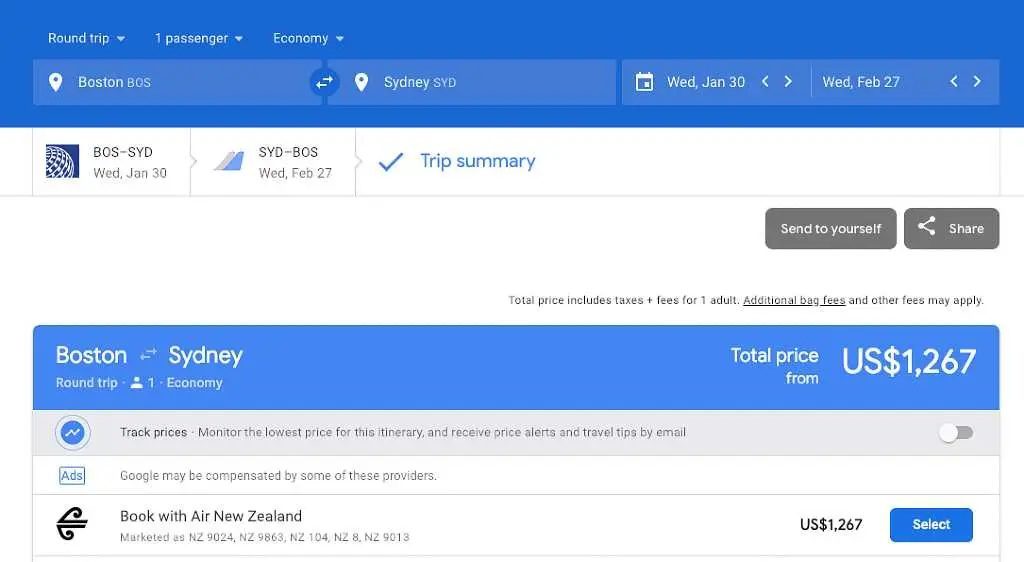
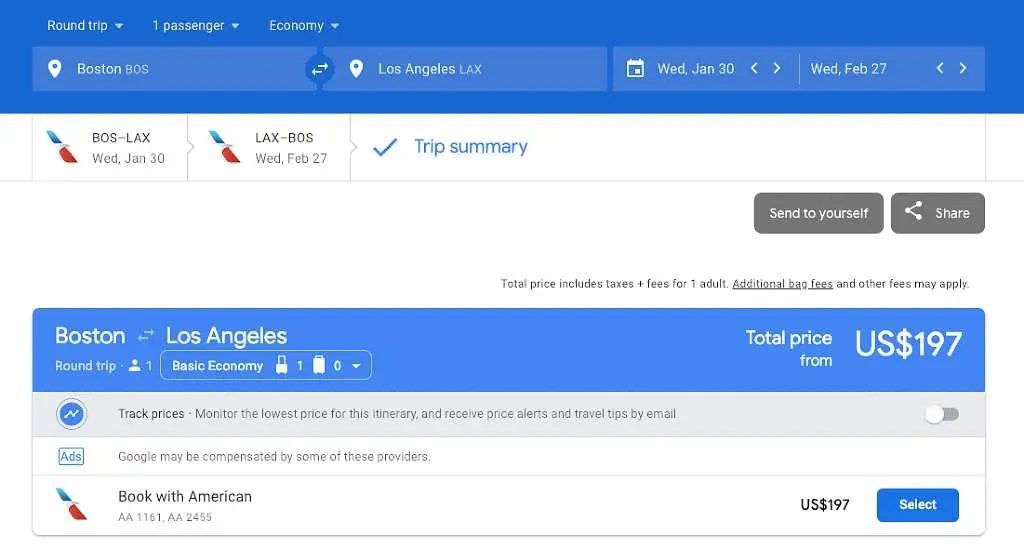
For example, instead of booking a straightforward Boston–Sydney ticket, you might find a routing that gives you a long stop in Los Angeles or another hub, and then continue the next day. In some cases, breaking a long-haul journey into segments can reduce both cost and jet lag.
Some airlines even offer STPC (Stopover Paid by Carrier) programs, where they’ll cover a hotel or provide benefits if their schedule forces a long layover. Others (like Singapore, Seoul, Doha, Istanbul, and more) offer free or low-cost transit tours if your layover is long enough.
The key is intent. A long layover is only a win when:
- You plan it and know what you’ll do with the time.
- You’re realistic about immigration, transport, and getting back to the airport.
- You’re okay with not accessing checked luggage during the stop.
When I want to design a stopover on purpose, I’ll use advanced tools like ITA Matrix or play with the multi-city
and duration
filters in Google Flights. I’m not just chasing the lowest fare; I’m looking for routes where a long layover adds value, not just hours of boredom.
But there’s a darker side to playing with connections: DIY itineraries and hidden-city tricks. That’s where the risk really spikes, and where the cheap airfare total trip cost can suddenly explode.
4. DIY Connections & Hidden-City Tickets: Clever Hack or Expensive Gamble?
If you’ve ever heard of skiplagging
or hidden-city
tickets, you know the pitch: book a flight that connects through your real destination, then just get off at the layover instead of flying the final leg. Or build your own connections on separate tickets to save money.
On paper, it’s brilliant. In reality, it’s a high-risk strategy that can easily cost more than it saves.
Here’s what you’re up against with hidden-city tickets:
- Airlines explicitly ban this in their terms and can cancel your remaining flights if you skip a leg.
- Your checked bags will go to the ticketed final destination, not your hidden city.
- If you miss a segment, your entire itinerary (including return) can be auto-cancelled.
- You risk losing frequent flyer miles or even being banned from an airline.
Yes, tools like Skiplagged specialize in surfacing these deals, and yes, the savings can be real. But you’re trading money for complexity and risk. You need to travel with carry-on only, book one-way tickets, and accept that if something goes sideways, you’re on your own.
DIY connections on separate tickets have a similar problem. You might save $150 by booking two different airlines yourself, but if the first flight is delayed and you miss the second, the second airline owes you nothing. No rebooking, no hotel, no sympathy.
Those are the connecting flight hidden fees nobody advertises: not just money, but the cost of being stranded.
Personally, I only play with these tactics when:
- I’m traveling light (carry-on only).
- I have big buffers between flights.
- I’m okay eating the cost if something breaks.
If that doesn’t sound like you, it’s often smarter to pay a bit more for a single, protected ticket where the airline is responsible for getting you to your destination.
5. The Airport Trap: Secondary Airports That Aren’t Really Cheaper
Budget airlines love secondary airports. They’re cheaper for the airline to operate from, and the fares look fantastic in search results. But those savings can evaporate the moment you land.
Here’s what I mean. Let’s say you’re flying to a major city and you see two options:
- Primary airport: $180
- Secondary airport (far outside the city): $120
That $60 difference looks great until you realize:
- The train or bus from the secondary airport costs $25–$40 per person.
- The journey into the city takes 60–90 minutes instead of 20–30.
- If you arrive late at night, public transport might not even be running, so you’re stuck with a pricey taxi or rideshare.
Suddenly, your cheap
flight is more expensive, slower, and more exhausting than the main-airport option. This is one of the classic hidden costs of cheap flights that doesn’t show up in the search results.
This is why I always check:
- Exact airport name and code (not just the city name).
- Transport options from that airport at my arrival time.
- Total cost of getting from the airport to where I’m actually staying.
Sometimes the secondary airport still wins. Often it doesn’t. The only way to know is to do the math instead of assuming that a lower fare equals a cheaper trip.

6. Bad Timing: Early Departures, Late Arrivals, and the Cost of Sleep
Timing is one of the most underrated parts of flight pricing. Airlines know that most people prefer mid-morning and early evening departures, so they often price early-morning and late-night flights a bit lower — sometimes 10–15% cheaper.
On the surface, that’s a win. But here’s what those times can cost you. This is where budget flight timing mistakes quietly eat into your travel budget.
Ultra-early departures
- You may need to leave home at 3–4 a.m.
- Public transport might not be running, so you pay for a taxi or rideshare.
- You start your trip already sleep-deprived.
Very late arrivals
- You land after midnight when transit is limited or closed.
- You pay a premium for late-night taxis.
- You might need an extra hotel night if you can’t check in early the next day.
Now add in the time cost: lost productivity, lost vacation hours, or simply starting your trip exhausted. When I factor those in, I often find that a slightly more expensive mid-day flight is actually the better deal.
There is one big upside to early flights, though: they’re often more reliable. Morning departures haven’t yet been affected by the day’s rolling delays, so they’re less likely to be late or cancelled. That reliability can save you from missed connections and rebooking headaches — which is its own kind of hidden cost.
So I ask myself two questions:
What will this departure or arrival time force me to spend on transport and accommodation?
What will it cost me in sleep, energy, and flexibility?
Once you answer those honestly, the cheap
11:45 p.m. arrival doesn’t always look so attractive. The arrival time impact on travel budget is real, even if it doesn’t show up on your booking confirmation.
7. Budget Airlines & Fees: The Fare Is Just the Opening Bid
Ultra-low-cost carriers are masters of the headline price vs. true cost
game. They’ll show you a fare that looks impossibly cheap — and then make their real money on everything else.
Some budget airlines earn the majority of their revenue from ancillary fees, not tickets. That means:
- Carry-on and checked bags are extra.
- Seat selection is extra.
- Printing a boarding pass at the airport can be extra.
- Even basic customer service can be limited or fee-based.
On top of that, they often have strict baggage rules. If your bag is even slightly oversized or overweight, you can be hit with fees at the gate that are higher than what you paid for the ticket.
Here’s how I keep these flights honest and avoid the worst cheap flight booking traps:
- I price out the fare with all the extras I realistically need (bag, seat, etc.).
- I compare that total to a full-service airline’s fare with bags included.
- I factor in the airline’s on-time performance and customer service reputation.
Sometimes the budget airline still wins. Sometimes it doesn’t. But I never assume that the lowest number on the screen is the final price. The true cost of budget airlines only shows up once you’ve added everything you’ll actually use.

One more thing: skipping travel insurance or ignoring your credit card’s built-in protections can also turn a cheap ticket into an expensive mistake if things go wrong. A small amount of coverage can be the difference between an annoying delay and a financially painful one.
8. How to Actually Choose the Cheapest Trip, Not Just the Cheapest Flight
So how do you put all of this into practice without spending hours obsessing over every detail?
Here’s the simple framework I use now whenever I’m tempted by a cheap fare. It helps me see the cheap airfare total trip cost, not just the number on the screen.
- Start with price, but don’t stop there.
I sort by price to see the range, but I immediately scan for red flags: extreme layovers, weird airports, brutal times. If something screams cost of bad flight times, I move on. - Calculate door-to-door cost for 2–3 contenders.
I pick a cheap option, a mid-range one, and a more convenient one. Then I estimate: ground transport, airport spending, and time cost for each. - Score the risk.
How many connections? How tight are they? Separate tickets or one? Early or late in the day? I ask,What’s the worst realistic thing that could happen with this itinerary?
- Decide what I’m optimizing for.
Am I trying to save every dollar? Protect my time? Minimize stress? There’s no right answer, but I choose consciously instead of defaulting tocheapest
. - Pay a little more when it clearly buys a lot.
If $40–$80 more gets me a nonstop, a sane arrival time, or a safer connection, I usually take it. That’s often the real bargain.
The point isn’t to never book cheap flights. It’s to stop being surprised when the deal
turns out to be expensive in every way except the ticket price.
Next time you’re staring at a flight search screen, ask yourself:
What is this really going to cost me — in money, time, and energy?
Is this the cheapest ticket, or the cheapest journey?
Once you start thinking that way, you’ll still find great deals. You’ll just skip the ones that look cheap and feel expensive — and that’s where the real savings are.