
I’ve lost count of how many times I’ve heard: Airbnbs are always cheaper
or Hostels are the best deal, full stop.
They’re not. The truth is messier, and if you only look at the nightly rate, you’ll almost always pick the wrong place.
In this guide, I’ll walk you through how hotels, Airbnbs, and hostels really compare on cost and experience, using real numbers from recent studies and long trips across Europe and the U.S. By the end, you should have a clear answer to one question:
For your next trip, which option actually gives you the best value for the way you travel?
1. What’s Actually Cheapest Per Night (Once You Add All the Fees)?
Let’s start with the part everyone obsesses over: price. Not the fake price on the search results page. The real price you pay once all the extras land on your bill.
Across different hotel vs Airbnb vs hostel comparisons, the same pattern keeps showing up:
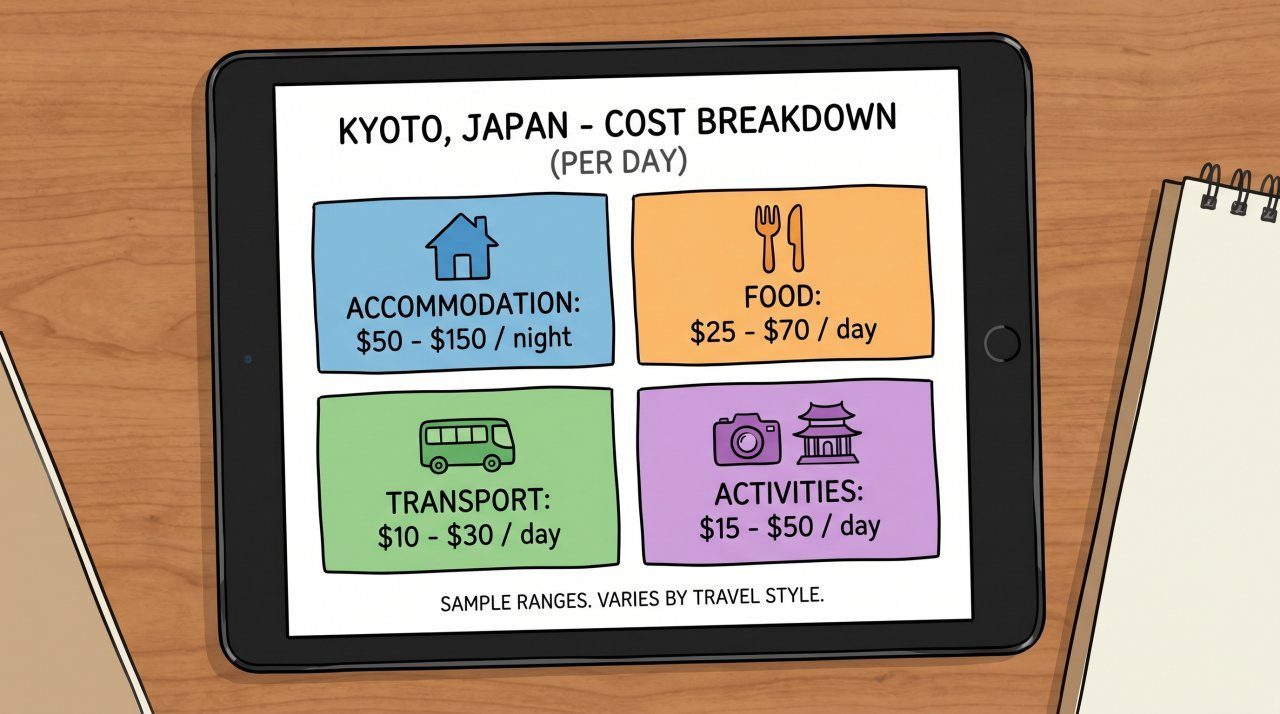
- Hostel dorms usually have the lowest sticker price, especially in Eastern Europe and Southeast Asia, sometimes from $15–30/night.
- Budget hotels cost more per night (think €40–€60 in many European cities, $90–$180 in major U.S. cities), but their pricing is more predictable.
- Airbnbs can look cheap at first, but cleaning fees, service fees, and taxes can push the real cost up by 30–50% in U.S. cities (2026 U.S. data).
One 4‑month experiment across 20 European cities found:
- Hostel base rate: ~€31.40 → real daily cost ~€38.60 after city tax, lockers, towels, breakfast.
- Budget hotel base rate: ~€42.30 → real daily cost ~€45.80 after tax and occasional WiFi charges.
So that hostel advertised as from €15
can quietly become €38+ once you add everything you’ll realistically pay for. Hotels do the same with resort fees and taxes, but the gap is often smaller and more transparent in a hostel vs hotel for budget travelers comparison.
Airbnb is where people get burned most often. In major U.S. cities in 2026, typical ranges before fees look like this:
- Shared room: $45–$90
- Private room: $80–$150
- Entire home: $120–$350+
Now add:
- Cleaning fee: often $80–$200 per stay
- Service fee: ~14–16%
- Local taxes: 10–15%
On a 2–3 night stay, that cleaning fee alone can make an Airbnb more expensive than a mid‑range hotel, even if the nightly rate looked lower. This is where the whole Airbnb hidden fees vs hotel debate stops being theoretical and hits your credit card.
Key takeaway: The cheapest option on the search page is rarely the cheapest in real life. Always calculate:
Total stay cost ÷ number of nights ÷ number of people
Do that for at least one hostel, one hotel, and one Airbnb before you decide. That’s your real accommodation cost comparison for travelers, not the marketing version.

2. Short Trip vs Long Trip: When Each Option Wins
Trip length quietly changes everything. A place that’s a terrible deal for 2 nights can be a bargain for 10. This is where the long stay hotel vs Airbnb vs hostel question really matters.
For short stays (1–3 nights)
- Hotels often win on value, even if the nightly rate is higher.
- Why? Because hotel prices usually already include cleaning, daily housekeeping, and basic amenities.
- Airbnb’s one‑time cleaning fee gets divided by only 1–3 nights, so your
$120/night
place can effectively become $180+ per night.
Several hotel vs Airbnb cost comparison studies found that for a typical 3‑night stay for two adults in a popular city, a hotel often ends up slightly cheaper than an Airbnb once all Airbnb fees are included.
For longer stays (5–7+ nights)
- Airbnbs start to pull ahead, especially entire apartments with kitchens.
- Cleaning fees get spread over more nights, and weekly discounts (20–30%) kick in.
- You can cook, do laundry, and live more like a local, which cuts other daily costs.
Hostels can still be cheapest for solo travelers on long trips, but the trade‑off is comfort and sleep quality. Over weeks or months, that matters more than most people admit.
Simple rule of thumb:
- 1–3 nights in a city: Check hotels first, then compare with a few Airbnbs including all fees.
- 5–7+ nights: Seriously consider Airbnb, especially if you’ll use the kitchen.
- Long backpacking trip: Mix hostels and budget hotels so you don’t burn out.
3. Solo, Couple, or Group: How Group Size Flips the Math
Who you’re traveling with changes the game more than most people realize. The cheapest accommodation option hotel Airbnb hostel depends heavily on how many people are splitting the bill.
Solo travelers
- Hostel dorms are usually the best value: $30–$65 in U.S. cities, often less elsewhere.
- Private hostel rooms can be competitive with budget hotels, especially in modern hostels with good design and social spaces.
- Private‑room Airbnbs can be cheaper than hotels in many U.S. cities, but you’re sharing a home with a host or other guests.
If you’re comparing Airbnb vs hostel for solo travelers, ask yourself: do you care more about privacy or people? The answer will steer you quickly.
Couples
- Budget hotels often hit the sweet spot: privacy, predictable comfort, and sometimes breakfast included.
- Entire‑place Airbnbs are usually more expensive than hotels for 1–3 nights in most big U.S. cities, according to a study of the 50 largest cities.
- Private‑room Airbnbs can be cheaper, but you trade privacy and control over the space.
For couples, the hotel vs Airbnb for families debate doesn’t fully apply yet—but the same logic about space and kitchens starts to creep in if you’re staying longer.
Families and groups
- Booking multiple hotel rooms adds up fast.
- Entire‑home Airbnbs start to shine here: one living room, one kitchen, several beds, shared cost.
- Split between 3–5 people, that $250/night apartment can beat two or three hotel rooms easily.
Key question to ask yourself: If we split this cost per person, per night, which option actually wins?
Don’t guess. Do the math.
4. Food, Kitchens, and the Hidden Cost of Eating Out
Accommodation doesn’t just affect where you sleep. It quietly dictates how much you spend on food—and that can swing your budget accommodation comparison guide more than you expect.
Hostels
- Often have communal kitchens and sometimes free or cheap breakfasts.
- Cooking your own meals can slash your daily budget, especially in expensive cities.
- Downside: shared fridges, missing utensils, and the occasional mystery Tupperware.
Hotels
- Most don’t offer full kitchens.
- Mid‑range and higher often include breakfast, which has real monetary value.
- But for lunch and dinner, you’re usually paying restaurant prices or room service markups.
Airbnbs
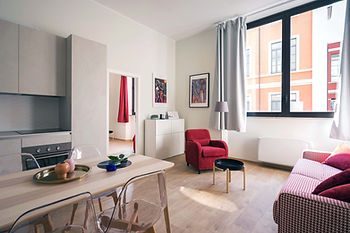
- Entire apartments usually come with a full kitchen.
- Over a week, cooking even half your meals can save a lot, especially for families.
- For long stays, this can easily offset a higher nightly rate.
When you compare options, don’t just look at what you pay for the bed. Ask:
Hotel with free breakfast + eating out vs Airbnb with kitchen + groceries vs Hostel kitchen + ultra‑budget cooking.
Sometimes the more expensive
room is cheaper overall once you factor in food.
5. Sleep, Privacy, and the Mental Cost of Your Choice
Here’s the part most cost breakdowns ignore: your energy, your sleep, and your sanity. The hostel experience vs hotel experience isn’t just about money—it’s about how you feel on day four of your trip.
Hostels: social but exhausting
- They’re unbeatable for meeting people, joining spontaneous trips, and staying central.
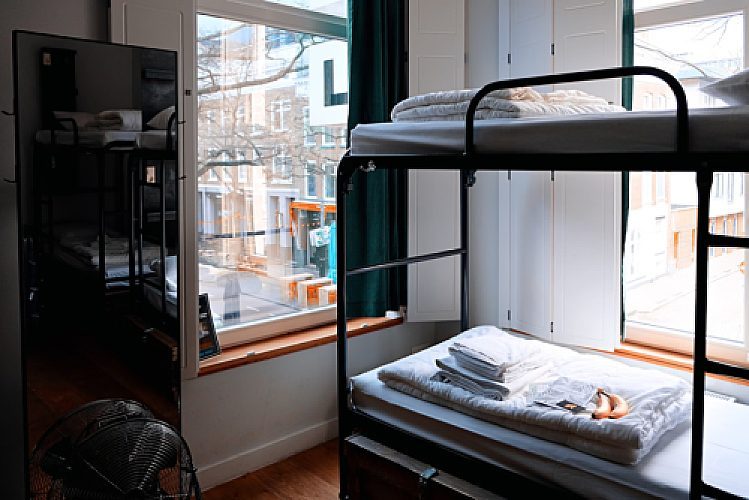
- But dorms mean unpredictable roommates, late‑night arrivals, and early‑morning alarms.
- One long European test found that hostels, while cheap, often led to poor sleep and mental fatigue, especially for travelers over 25.
If you’re working remotely, recovering from jet lag, or just not 19 anymore, that cheap dorm bed can come with a hidden cost: you’re tired, irritable, and less present for the trip itself.
Hotels: boring but reliable
- Private room, your own bathroom, a door that locks, and no strangers snoring two meters away.
- Great for couples, business trips, and anyone who needs to be on the next day.
- Often the best choice when you need guaranteed quiet and a desk to work at.
Airbnbs: home‑like, but inconsistent
- When it’s good, it’s very good: space, privacy, a couch, a kitchen, a neighborhood vibe.
- When it’s bad, you’re dealing with last‑minute cancellations, odd house rules, or hosts who vanish when something breaks.
- Quality varies more than hotels, so reviews matter a lot.
Ask yourself honestly: How much is a solid night’s sleep worth to you on this trip? Your answer should heavily influence whether you lean hostel, hotel, or Airbnb.
6. Safety, Rules, and How Much Friction You Can Tolerate
Money isn’t the only risk. There’s also hassle: check‑in drama, security, and weird rules. This is where choosing between hotel Airbnb and hostel becomes less about price and more about stress.
Hostels
- Usually have 24/7 reception and luggage storage.
- But you’re sharing space with strangers, so you need to lock up valuables.
- Security depends heavily on the specific hostel and its culture.
Hotels
- Clear safety policies, fire regulations, and professional staff.
- Predictable check‑in/out, clear cancellation rules, and someone at the front desk when things go wrong.
- Best for travelers who don’t want surprises.
Airbnbs
- House rules can be strict: no visitors, quiet hours, extra fees for late check‑in, chores before checkout.
- Hosts can cancel last minute, leaving you scrambling.
- Security and safety standards vary widely; you’re relying on one individual, not a brand.
If you’re on a tight schedule, traveling for work, or just hate friction, hotels often justify their higher base price with lower stress.
7. A Simple Framework to Choose for Your Next Trip
Let’s turn all this into something you can actually use when you’re staring at 47 open tabs, trying to make a hotel vs Airbnb vs hostel decision that doesn’t blow your budget or your sanity.
Step 1: Define your trip type
- Quick city break (1–3 nights)
- One‑week vacation
- Long backpacking trip
- Remote work / slow travel
- Family or group trip
Step 2: Decide your top 2 priorities
- Lowest possible cost
- Sleep & comfort
- Social life
- Space & kitchen
- Predictability & safety
Step 3: Use this quick decision guide
- If your #1 priority is price and you’re solo: Start with hostels (dorms), then compare with private‑room Airbnbs and the cheapest hotels.
- If you’re a couple on a short city break: Look at budget hotels first; compare with a few highly rated private‑room Airbnbs.
- If you’re a family or group of 3+: Run the numbers on entire‑home Airbnbs vs two hotel rooms. Include all fees and the value of a kitchen.
- If you’re working remotely: Prioritize sleep, WiFi, and a desk. That usually means a quiet hotel or a well‑reviewed entire‑place Airbnb.
- If you want to meet people: Choose a social hostel with good reviews, then sprinkle in hotel nights when you need to recharge.
Step 4: Always compare real total cost
For each serious option, write down:
- Total price (nightly rate + all fees + taxes)
- Number of nights
- Number of people
- Food advantage (free breakfast? full kitchen?)
Then calculate:
Real cost per person per night = (Total price − value of included food) ÷ nights ÷ people
It takes 5 minutes. It can save you hundreds—and gives you a clear, honest accommodation cost comparison for travelers instead of guessing.

8. So… Hotel, Airbnb, or Hostel?
There’s no universal winner. But there is usually a clear winner for your specific trip.
- Choose a hostel if you’re solo, social, and willing to trade privacy and sleep quality for low cost and community.
- Choose a hotel if you want predictability, good sleep, and low friction—especially for short trips, business travel, or when your energy matters.
- Choose an Airbnb if you’re staying longer, traveling as a group or family, or you’ll actually use the kitchen and extra space.
The real mistake isn’t picking the wrong
type. It’s choosing any of them based only on the nightly rate and ignoring the full hotel vs Airbnb vs hostel picture.
Next time you plan a trip, pause for a moment and ask yourself:
What do I actually need from where I sleep—and what will it really cost me, in money and in energy?
Your answer to that question will do more for your trip than any promo code ever will.