I used to think traveling with kids was just about finding cheap flights and a place with a pool. Then I tried flying with a stroller, a travel crib, a car seat, a high chair, and a bag of toys. By the time we reached baggage claim, I wasn’t sure if we were on vacation or in a CrossFit competition.
If you’ve ever stood in your hallway staring at a mountain of kid gear and thought, There has to be a better way,
this is for you. Let’s look at the real costs—money, time, and sanity—of three options: renting, shipping, or packing your kids’ travel gear.
1. The Big Question: What Are You Actually Optimizing For?
Before you compare baby equipment rental prices or calculate the cost to check a stroller and car seat, decide what you’re really trying to save: cash, effort, or control.
- Cash: You’re okay with some hassle if it keeps your family travel gear budget low.
- Effort: You’ll pay more to avoid hauling half your house through the airport.
- Control: You want your own gear because you trust it, know how it works, and don’t want surprises.
The right answer isn’t the same for every family or every trip. A long road trip with a minivan is very different from a three-day city break on a budget airline with strict baggage rules.
Quick gut-check:
- If you’re flying with tight connections and young kids: renting or shipping starts to look very attractive.
- If you’re driving and have trunk space: packing usually wins.
- If you’re going somewhere walk-heavy (theme parks, big cities): you may mix options—bring some, rent some.
The rest of this guide walks through each major item so you can compare the hidden cost of kids’ travel gear without losing your mind.
2. Strollers: Bring the Workhorse or Rent the Upgrade?
Strollers are the first big decision. They’re incredibly useful—and incredibly annoying—to travel with.
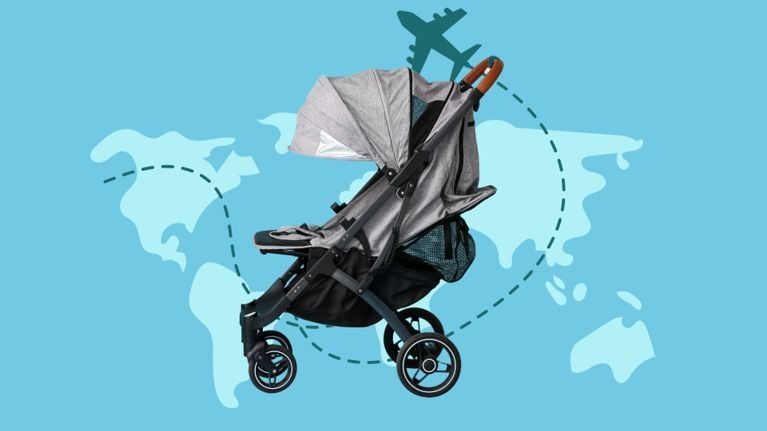
From research and real-life trips, here’s how the trade-off usually looks in the rent vs ship vs pack baby gear debate:
- Bring your stroller if you’ll use it constantly—airport, transfers, daily outings—and your child still relies on it. Experts in stroller travel guides point out that even kids who don’t use a stroller at home may need one on long walking days.
- Rent at your destination if the main heavy walking is at a theme park, big city, or beach town and you don’t want to wrestle a stroller through security and gate-checking. Services highlighted by Traveling Baby and Cloud of Goods will deliver strollers right to your hotel or rental.
Hidden costs of packing a stroller:
- Gate-check damage (bent frames, ripped fabric).
- Time lost folding and unfolding at security and boarding.
- Extra stress managing it alongside kids, bags, and boarding passes.
Hidden costs of renting a stroller:
- Daily rental fees that add up on longer trips.
- Delivery and service fees that can rival the rental cost itself.
- Uncertainty about the exact model unless you confirm with the provider.
My rule of thumb:
- Weekend city break, one toddler, carry-on only: Rent a lightweight stroller at the destination. The travel stroller vs rental cost is usually worth it for the lighter load.
- Week-long trip with multiple kids, checked bags anyway: Bring a sturdy, familiar stroller (or a compact travel stroller) and accept the hassle.
- Theme park marathon: Strong case for renting a cushy, all-day stroller from a local provider that delivers to your hotel. Your back will thank you.
3. Sleep Gear: Cribs, Pack ’n Plays, and the Price of a Good Night’s Sleep
Sleep gear is where renting really shines—and where the hidden costs of not planning show up at 2 a.m. with an overtired baby.
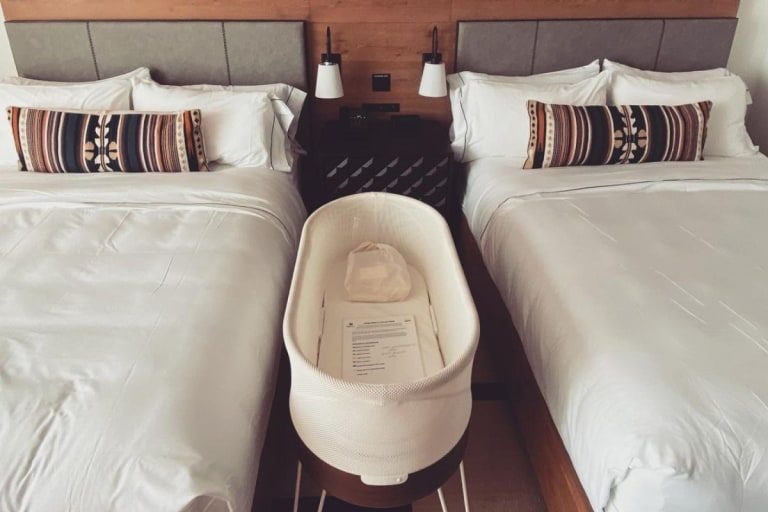
According to Consumer Reports, renting familiar sleep setups (like the same bassinet model you use at home) can help maintain routines and improve sleep on trips. Many rental companies offer full-size cribs, bassinets, and even gliders.
When packing sleep gear makes sense:
- You’re driving and have trunk space.
- You already own a compact travel crib and use it often.
- You’re staying somewhere remote with no rental options.
When renting sleep gear is worth the money:
- You’re flying and trying to avoid checked-bag chaos.
- You need a full-size crib or multiple sleep spaces.
- You’re staying in a vacation rental that doesn’t provide anything for babies.
Services like those reviewed by Babylist and marketplaces like BabyQuip will deliver and set up cribs, playards, and more right in your rental or hotel. You walk in and the room already looks a bit like home.
Hidden costs to watch:
- Delivery windows: If your flight is delayed and the provider charges for extra trips or after-hours delivery, costs creep up.
- Cleaning and service fees: These can be separate from the daily rate and sometimes surprise people at checkout.
- Safety anxiety: You’ll want to ask how they check for recalls and maintain gear. Reputable companies highlight their safety protocols and cleaning standards.
My rule of thumb: If flying with a baby under two, I almost always rent the sleep setup unless I’m going somewhere I know well and can borrow gear. In most kids’ travel gear cost comparisons, the extra cost is worth the lighter luggage and better sleep.
4. Car Seats: The Most Stressful Decision of All
Car seats are where the conversation gets serious. You’re not just weighing convenience and cost—you’re weighing safety and liability.
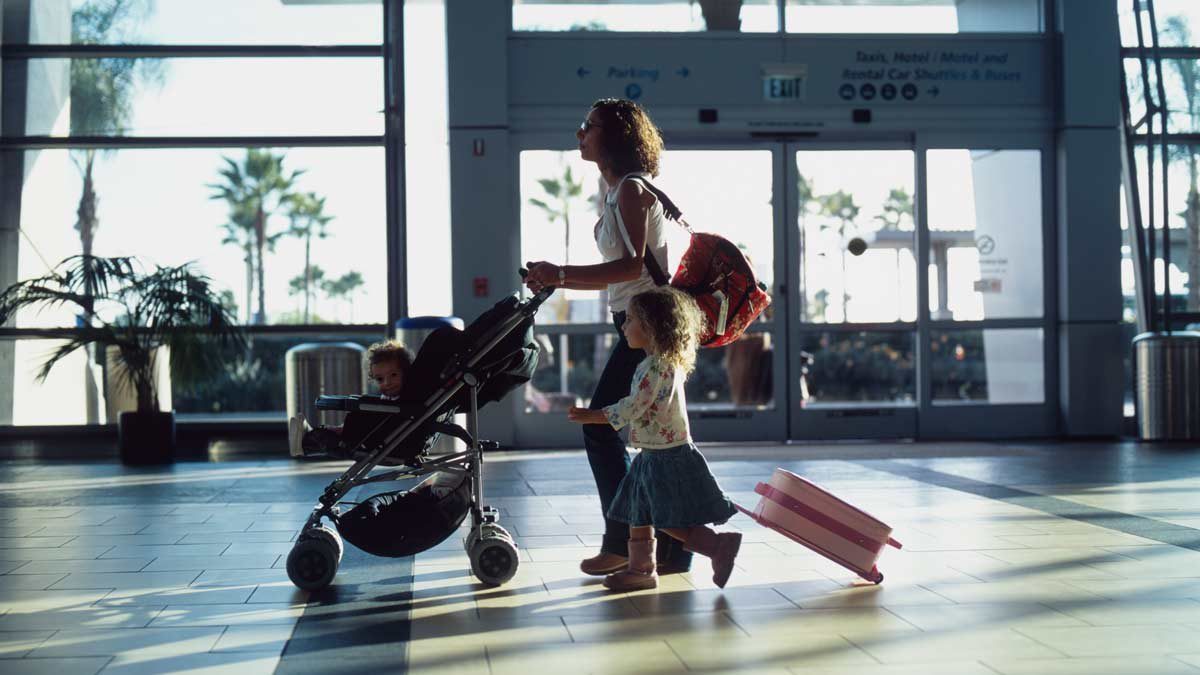
Here’s the uncomfortable truth: none of the options are perfect.
Bringing your own car seat:
- Pros: You know its history, it meets your country’s standards, and you know how to install it correctly.
- Cons: It’s bulky, heavy, and at risk of damage if checked. Installing it on a plane can be a wrestling match, and not all seats are approved for air travel.
Renting a car seat:
- Pros: No hauling through the airport; often delivered with your rental car or to your accommodation. Some baby gear rental companies use current models and have strict cleaning and recall-checking protocols.
- Cons: You don’t know the seat’s full history. Quality and cleanliness vary. You may not get the exact model you’re used to, which can slow down installation and increase the risk of user error.
Shipping your car seat:
- Pros: You avoid airline handling and still use your own seat.
- Cons: Shipping can be expensive, and there’s always a risk of delays or lost packages. You need a backup plan if it doesn’t arrive on time.
Many experts and safety organizations lean toward bringing your own seat when possible, especially for younger children. If you do rent, look for companies that:
- Use current-model seats that meet modern safety standards.
- Have clear, written policies on recall checks and gear retirement.
- Provide installation instructions or even in-person help.
My rule of thumb:
- Under 4 years old: I strongly prefer bringing our own seat, even if it’s a hassle. The car seat travel costs for families are worth it for peace of mind.
- Older kids in boosters: A compact, packable booster is easier to bring, or you can consider renting if you trust the provider.
- Urban trips with no car use: Skip the seat entirely and rely on public transit or car services that provide seats (after checking their policies carefully).
5. High Chairs, Toys, and “Nice-to-Haves”: Where Renting Really Pays Off
Not everything needs to travel with you. In fact, a lot of it shouldn’t.
Items like full-size high chairs, big toy bins, beach gear, and bulky bath items are classic candidates for renting. As Babylist points out, these are often things you’d only use for a few days and would never buy specifically for travel.
Good candidates to rent:
- Full-size high chair or booster seat.
- Large toy sets, books, and ride-on toys.
- Beach tents, sand toys, wagons, and outdoor blankets.
- Hiking backpacks and specialty carriers.
Platforms like BabyQuip and local rental companies often bundle these into packages—beach day
kits, new baby
kits, or toddler essentials
—which can be cheaper than renting everything à la carte.
Hidden costs to watch:
- Delivery minimums: Some providers only deliver if you hit a certain order value.
- Per-item fees: A few dollars a day per item adds up quickly if you’re not careful.
- Overlap with what your hotel already offers: Many hotels and resorts have cribs, high chairs, and sometimes even toys. Always ask before you book rentals so you don’t pay twice.
My rule of thumb: If it’s bulky, not essential for transit, and easy to rent locally, I rent it. That’s one of the easiest ways to save on kids’ travel gear without sacrificing comfort.
6. Shipping Gear: Smart Hack or Overcomplicated Plan?
Shipping your gear ahead can sound genius: no hauling through the airport, your own stuff waiting at your destination. Sometimes it is genius. Sometimes it’s a headache with tracking numbers.
When shipping can work:
- You’re staying in one place for a week or more.
- You have a reliable address (family home, well-staffed hotel, or rental with a clear package policy).
- You’re shipping light but bulky items—like a travel crib or inflatable bathtub—rather than heavy ones.
Hidden costs of shipping:
- Carrier fees that can rival or exceed rental costs, especially for large boxes.
- Time spent packing, labeling, and arranging pickup or drop-off.
- Risk of delays, lost packages, or items arriving after you do.
And don’t forget the return trip. You’ll either ship it back (more cost and logistics) or pack it home anyway. For most families, shipping kids’ travel gear to a destination only makes sense in very specific scenarios—like long stays with no local rental options, or when you’re combining a visit to relatives with gear you’re leaving behind permanently.
My rule of thumb: I treat shipping as a niche solution, not a default. If a reputable rental company exists at my destination, I compare their total cost (including fees) to shipping. Rental usually wins on simplicity.
7. How to Run the Numbers (Without Losing Your Mind)
Let’s make this practical. Here’s a simple way to compare rent vs. ship vs. pack for each major item and see the real hidden cost of kids’ travel gear.
Step 1: List your must-have gear
For example:
- Stroller
- Car seat
- Sleep setup (crib/Pack ’n Play)
- High chair/booster
- Bath gear (if needed)
- Toys/entertainment
Step 2: For each item, ask three questions
- Is this essential for transit, or just for the destination?
If it’s essential for transit (like a stroller you’ll use in the airport), packing it makes more sense. - How bulky or heavy is it?
The bulkier it is, the more attractive renting becomes. - What’s the risk if it’s delayed, damaged, or not available?
High-risk items (like car seats) push you toward bringing your own.
Step 3: Compare total trip cost, not just daily rates
For rentals, include:
- Daily rate × number of days.
- Delivery + pickup fees.
- Service or cleaning fees.
For packing, include:
- Checked bag fees (if any) and any kids’ luggage and gear airline fees.
- Cost of protective bags or covers.
- Your own
time and hassle
cost—subjective, but real.
For shipping, include:
- Round-trip shipping cost.
- Packaging materials.
- Any insurance you add.
Once you see the full picture, the obvious
choice sometimes flips. A $10/day crib rental might feel expensive—until you factor in checked bag fees, the time spent lugging a travel crib, and the risk of it getting lost or damaged.
8. A Simple Default Strategy (You Can Tweak for Your Family)
If you don’t want to overthink every trip, here’s a baseline strategy I use and adjust as needed. It keeps the family travel gear budget under control without making you miserable.
- Always pack:
- Car seat for kids under 4 (if you’ll be in cars).
- A compact stroller or carrier for babies and toddlers on flight-heavy trips.
- Small comfort items: favorite blanket, a few toys, white noise machine.
- Usually rent:
- Crib or full-size sleep setup at the destination.
- High chair or booster.
- Bulky destination-specific gear (beach, hiking, big toy sets).
- Rarely ship:
- Only for long stays with no good rental options, or when leaving gear at a relative’s house.
The key is to be intentional. Don’t just default to bring everything
or rent everything
. Each item has its own hidden costs, and they’re not always in dollars.
Ask yourself before every trip: What do I want to feel like when I walk out of that airport? Light and hands-free? Fully equipped and in control? Somewhere in between? Your answer will tell you whether to rent, ship, or pack it—and help you avoid the most common baby gear rental mistakes along the way.