
I’ve blown more money on city transport than I’d like to admit. Late-night taxis from airports, unnecessary Ubers in cities with world-class metros, and once, a rental car in London (yes, really) that cost more in parking than in fuel.
In expensive cities like New York, London, Tokyo, and Singapore, transport is where your budget quietly leaks away. The problem usually isn’t the price of a single ride. It’s a dozen small, lazy decisions that add up.
The fix isn’t to swear loyalty to one mode of transport. It’s to build a layered transport strategy that shifts with the time of day, the neighborhood, and what you’re actually doing.
Think of it like this: metro as your backbone, buses and walking as your muscles, bikes and rideshares as your joints, and private cars as a rare prosthetic you only bolt on when absolutely necessary.
Let’s build that system, city by city, decision by decision, so your NYC–London–Tokyo–Singapore transport costs stop eating your trip.
1. First Big Decision: How Will You Get From the Airport?
This is where most people overspend. You’re tired, maybe jet-lagged, dragging luggage, and a taxi sign glows like a miracle. But airport rides are often the single most overpriced trips of your whole stay.
Before you land, ask yourself one question: What’s the cheapest option that still gets me there in under 60–75 minutes?
That one question can save you more than any fancy city transport budget spreadsheet.
Here’s how that plays out in each city:
- New York City
Default cheap backbone: AirTrain + Subway or LIRR.
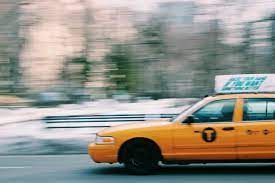
JFK → Manhattan: AirTrain to Jamaica + subway is usually 60–75 minutes and a fraction of a yellow cab. LIRR is faster but a bit pricier. The yellow cab flat fare from JFK looks simple, but once you add tolls and tip, you’re suddenly deep into your food budget.
When a taxi/ride is worth it: Landing after midnight with kids or multiple bags, or staying in a neighborhood with weak late-night transit. In those cases, a rideshare can be part of a smart rideshare vs metro cost analysis, not just a splurge. - London
Default cheap backbone: Tube + contactless (Oyster or bank card).
Heathrow → Central London: The Piccadilly Line is slow but cheap and predictable. Heathrow Express is fast but often not worth the premium unless you really value every minute or catch a promo fare.
When a taxi/ride is worth it: If you’re a group of 3–4 with heavy luggage and staying somewhere awkward to reach by Tube, a pre-booked car can be cost-competitive and easier than wrestling suitcases through multiple changes. - Tokyo
Default cheap backbone: Airport trains (Keisei, JR) + IC card (Suica/PASMO).
Narita → Tokyo: Narita Express is comfortable and fast; Keisei Access Express or Skyliner can be cheaper depending on your stop. Taxis from Narita are budget suicide unless you’re on an expense account.
Haneda → City: Monorail or Keikyu Line is usually the sweet spot for a reasonable Tokyo airport transfer cost. - Singapore
Default cheap backbone: MRT from Changi.
The MRT is clean, safe, and cheap. A taxi or Grab is only worth it if you’re arriving very late, very tired, or staying somewhere not well connected. For most visitors, MRT + a short walk is the best affordable transport option.
Across these cities, airport public transport is often 70–80% cheaper than taxis, while being similarly fast. The main trade-off is handling luggage, but many systems are designed with racks and extra space for travelers.
My rule: if public transit gets me to my hotel in under 75 minutes and before midnight, I almost never take a taxi from the airport. If it’s later, more complex, or I’m with family, I’ll pre-book a fixed-fare transfer through platforms like Welcome Pickups or Kiwitaxi instead of gambling on the taxi line.
2. Core Strategy: Metro First, But Not Metro Always
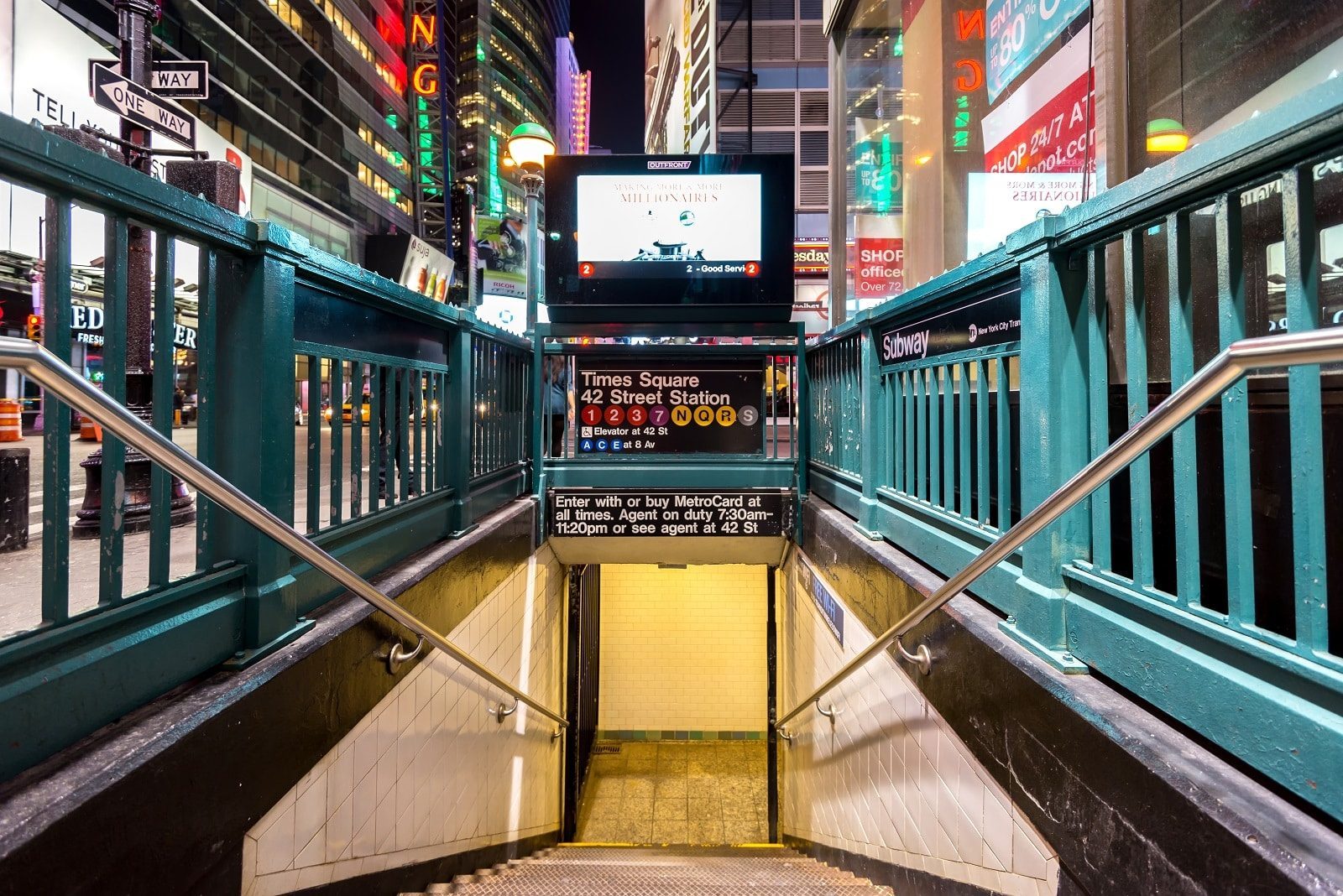
In all four cities, the metro (or subway) is your default backbone. It’s usually the fastest way to cross the city, especially at rush hour when taxis crawl and private cars sit in the same traffic.
But metro first
doesn’t mean metro only
. The real savings come from knowing when to switch layers and when to accept that a taxi or rideshare is the smarter move.
NYC
- Use the subway for almost everything that’s more than a 20–25 minute walk.
- Learn local vs express trains. Taking the wrong one can cost you 20 minutes and a lot of patience.
- Off-peak, buses can be a good surface alternative for shorter hops, especially crosstown.
London
- Tube + Overground + some buses = your main network.
- The zone system matters. Staying in Zone 2 with good connections can save you money and time versus insisting on Zone 1.
- Don’t ignore buses: they’re often cheaper, more scenic, and less claustrophobic than the Tube.
Tokyo
- JR + Metro + private lines look confusing, but your IC card (Suica/PASMO) makes it seamless.
- Trains are incredibly punctual. If an app says 12:03, it means 12:03.
- Use metro for medium/long hops; walk or bus for short distances in dense neighborhoods.
Singapore
- MRT is clean, air-conditioned, and covers most places a visitor needs.
- Buses fill in the gaps and are easy to use with the same card or contactless.
- Because the city is compact, combining MRT + walking is often enough for a low-stress city transport budget.
Across all four, public transport is reliable, fast, and extensive. It should be your default. Taxis and private cars are tools for specific problems, not your main mode.
If you’re unsure which mode to pick for a route, apps like Citymapper and Google Maps can show you fastest vs cheapest
options and even crowding info. That alone can cut your daily transportation budget by 20–40% by steering you away from premium services and bad routes.
3. Passes, Caps, and Cards: When Unlimited Actually Saves You Money
This is where a lot of travelers either overpay or overcomplicate things. They buy the wrong pass, or no pass, or a tourist bundle that looks shiny but quietly drains their budget.
I use a simple test: How many rides per day will I realistically take? If the answer is 3–4 or more, I start looking at passes or caps instead of pure pay-as-you-go.
NYC
- The main decision for a week-long stay is pay-per-ride vs a 7-day unlimited MetroCard or OMNY cap.
- If you’re taking multiple subway rides daily, unlimited usually wins. If you’re mostly walking and only hopping on the subway occasionally, pay-per-ride is fine.
London
- Contactless (bank card or phone) is king. You tap in/out and the system applies a daily cap and even a weekly cap (Mon–Sun).
- This means you don’t have to pre-calculate. Just ride, and the system stops charging after a certain point.
- Tourist passes that bundle attractions + transport can be good only if you’re hitting a lot of sights. Otherwise, they’re a trap disguised as convenience.
Tokyo
- IC cards (Suica, PASMO) are rechargeable and make everything easier.
- Day passes can be worth it if you’re doing a heavy sightseeing day with lots of hops. But many visitors overbuy passes and underuse them.
Singapore
- EZ-Link or contactless works well for both MRT and buses.
- Tourist passes can be good value if you’re riding a lot in a short time; otherwise, pay-as-you-go is cheap enough.
General rule from experience and from guides like this breakdown of transit passes: passes only save money if you take enough rides. The break-even point is usually around 3–4 trips per day.
What I do on day one in a new city:
- Estimate my rides per day (be honest, not optimistic).
- Check if there’s a daily cap (like London) that makes passes unnecessary.
- Avoid attraction bundles unless I’ve already mapped out exactly which sites I’ll visit.
If you hate math, pick cities that do it for you. London’s contactless caps are a perfect example of we’ll give you the best deal automatically
and make public transport vs private car an easy choice.
4. Walking, Buses, and Bikes: The Hidden Layer That Saves the Most
Most people obsess over metro vs taxi and ignore the quiet workhorses: walking, buses, and bikes. This is where you can cut your transport budget by half without feeling deprived.
Walking
- In compact areas (central London, Manhattan below 34th, central Tokyo neighborhoods, much of Singapore), walking is often faster than taking a bus or even the metro for short hops.
- Every time you walk instead of taking a 1–2 stop ride, you’re saving money and actually seeing the city.
Buses
- They’re usually cheaper or equal in price to metro, but more scenic.
- In London and Singapore, buses are easy to use with the same card/contactless as the metro.
- In NYC, buses are great for crosstown trips and for when you want to stay above ground.
Bikes & bike-sharing
- London’s Santander Cycles, NYC’s Citi Bike, and bike options in Singapore can replace a lot of short metro or taxi rides.
- In Tokyo, neighborhood bike rentals can be a smart way to explore local areas without constantly tapping in and out of stations.
One mindset shift I’ve learned from budget travelers and from guides like this piece on expensive cities: don’t default to transit when walking is faster, cheaper, and more enjoyable. In many city centers, that’s more often than you think.
5. When Taxis, Rideshares, or Private Cars Actually Make Sense
I’m skeptical of taxis and private cars in big cities, but I’m not dogmatic. There are moments when they’re the smartest move and actually improve your overall urban transport cost picture.
Here’s when I personally allow myself to call a taxi, Uber, or Grab in NYC, London, Tokyo, or Singapore:
- Late-night safety: Last trains are gone, or I’d be walking through areas I don’t know well. My rule: money is replaceable, safety isn’t.
- Group economics: 3–4 people splitting a ride can sometimes beat individual metro fares, especially to/from airports or out-of-the-way neighborhoods.
- Door-to-door with luggage: If I’m moving accommodation or arriving exhausted, I’ll pay for one strategic ride instead of suffering through multiple transfers.
- First/last-mile gaps: Some suburbs or late-night locations just aren’t well served by transit. A short rideshare to the nearest major station can be a smart hybrid.
What I almost never do in these cities:
- Use taxis as my
default
daily transport. - Rent a car unless I’m leaving the city frequently (and even then, I return it before re-entering the core).
Car ownership in big cities is often financially irrational once you factor in parking, insurance, fees, gas, and payments. In places like NYC, London, and Singapore, you can save thousands a year by relying on public transit, walking, cycling, and occasional rideshares instead of owning a car.
If you do use taxis or rideshares, basic safety rules still apply: verify the plate, check the driver in the app, sit in the back, and trust your instincts. If something feels off, get out in a safe, public place.
6. Apps, Maps, and Micro-Hacks That Quietly Slash Your Costs
Most people think they need more money to travel these cities. Often, they just need better information and a clearer metro vs taxi cost comparison for each trip.
Here’s the tech stack I use to keep transport costs under control:
- Transit & mapping apps: Google Maps, Citymapper, and local apps (like official metro apps) for real-time routes, delays, and last-train times.
- Offline maps: I always download offline areas in Google Maps before I arrive. That way, I’m not stuck if my eSIM fails or the signal dies underground.
- Contactless & smart cards: Oyster in London, Suica/PASMO in Tokyo, EZ-Link in Singapore, OMNY/contactless in NYC. They’re faster, often cheaper, and save you from ticket machine queues.
- Free transfer windows: Some systems offer free or discounted transfers within a time window (e.g., certain bus-to-bus or bus-to-metro transfers). If you know the rules, you can chain trips without paying extra.
One underrated hack: check last-train times on your first day. Missing the last metro in any of these cities can turn into a very expensive taxi ride and blow up your carefully planned city transport budget. Official transit apps and tools like Citymapper make this easy.
Also, consider an eSIM for data. Being able to check routes in real time makes you more confident using public transit instead of defaulting to taxis when you’re lost.
7. Building Your Own Layered Transport Strategy
Let’s put this together into something you can actually use on your next trip to NYC, London, Tokyo, or Singapore. Think of it as your quick city transport pricing breakdown turned into habits.
Step 1: Decide your airport strategy before you fly
- Compare metro/train vs taxi vs pre-booked transfer.
- Pick the cheapest option that still feels safe and reasonable for your arrival time and luggage.
Step 2: Choose your payment method
- Get the local smart card or confirm your contactless card works without nasty foreign fees.
- Decide if you need a pass or if daily caps/pay-as-you-go are better for your style of sightseeing.
Step 3: Set your daily default
- Metro/subway for medium and long trips.
- Walking for anything under 20–25 minutes.
- Buses or bikes for scenic or short cross-city hops.
Step 4: Define your taxi exceptions
- Late-night safety.
- Group rides where the math works.
- Heavy luggage or awkward transfers.
Step 5: Use apps to avoid dumb mistakes
- Check last trains.
- Watch for service disruptions.
- Let route planners show you the cheapest vs fastest options so you can mix metro, buses, and rideshares intelligently.
If you do this, something interesting happens: the money you would have spent on taxis and private cars quietly reappears in your budget. That can pay for better meals, an extra night in the city, or a tour you thought you couldn’t afford.
The question isn’t really metro vs taxi vs private car?
It’s: What’s the smartest mix of all of them for the way you actually travel? Once you answer that honestly, even the world’s priciest cities stop feeling quite so expensive.