

I love a good flight deal. I don’t love standing at a check-in desk hearing, Sorry, that’s a separate ticket. There’s nothing we can do.
If you’ve ever tried mixing airlines to save money, you know how fast a bargain can turn into an expensive lesson.
This guide is for those trips where you’re tempted to stitch together your own route: a low-cost carrier to a hub, a full-service airline across the ocean, maybe a regional hop at the end. We’ll walk through how to do it deliberately—so you keep the savings without losing your bags, your rights, or your sanity.
1. First Decision: Is a Separate Ticket Actually Worth It?
Before you start mixing airlines to save money, ask yourself one thing: Is the risk worth the savings?
On paper, separate tickets can look incredible. Tools like Google Flights’ “separate tickets” options or self-transfer tools on sites like Skiplagged often show combinations that are hundreds of dollars cheaper than a single through-ticket. You might see something like:
- Big-name airline from your home city to a major hub.
- Ultra-low-cost carrier from that hub to your final destination.
Or maybe you’re using miles for one leg and cash for another, or building in a stopover you actually want. All of that is easier with separate tickets.
Here’s the catch: each ticket is its own contract. If your first flight is late and you miss the second, the onward airline usually has zero obligation to help. No free rebooking. No hotel. Often not even sympathy.
So before I book, I run through three quick questions:
- How big is the price difference? Saving $50 on a long international trip? I usually skip the risk. Saving $300+ per person? Now I’m listening.
- How critical is this trip? Wedding, cruise departure, important meeting? I lean toward a single protected ticket or very generous buffers.
- How complex is the routing? One self-transfer? Maybe. Three separate tickets across two continents? That’s a different level of gamble.
Separate tickets are most attractive when:
- You’re flying between major hubs where delays are easier to work around.
- You’re adding a cheap regional leg on a low-cost carrier.
- Your dates are flexible and you can absorb a missed connection.
They’re least attractive when:
- You’re connecting to a cruise, tour, or non-refundable event.
- You’re traveling during winter, storm season, or busy holidays.
- You’re checking bags and changing airlines or alliances.
In other words: don’t just look at the price. Look at the stakes.
2. Understanding the Fine Print: One Ticket vs. Many
Not all multi-airline trips are created equal. The most important distinction is this:
- Single-ticket itinerary: One booking reference (PNR), one contract, often sold by a full-service airline or major OTA. Multiple airlines may be involved, but your connections are protected.
- Separate tickets: Each flight is its own booking and contract. You’re responsible for making everything work together.
On a single ticket, if your first flight is delayed and you miss your connection, the airline (or alliance) generally has to help rebook you. Your bags are usually checked through. You’re in the system as a connecting passenger.
On separate tickets, each airline only cares about its own segment. They don’t see your onward flight. They don’t care that your next plane is boarding while you’re still in immigration. If you miss it, you’re buying a new ticket.
Here’s how I quickly tell what I’m dealing with when I’m booking separate flights on one route:
- Check the booking reference: One PNR for all flights usually means one ticket. Multiple PNRs = separate tickets.
- Look at how the itinerary is sold: If a major airline or alliance site sells the whole trip as one product, it’s usually a single ticket. If a search engine says things like
self-transfer
ortwo separate tickets
, believe it. - Read the labels: Some tools clearly mark
separate tickets
orvirtual interline
. Those are red flags for extra risk.
When in doubt, assume the worst: that no one will protect you except you.
3. The Real Risk: Missed Connections and Your Rights
This is where separate tickets can really sting. The main risk isn’t that your flight is delayed. It’s that a delay on one ticket causes you to miss a flight on another ticket—and no one feels responsible.
On a single ticket, you’re usually entitled to rebooking if a misconnection is the airline’s fault. On separate tickets, your rights are much weaker. The second airline can treat you as a no-show, cancel your ticket entirely, and charge you walk-up fares for a new seat.
So how do you protect yourself when you’re booking separate tickets safely?
- Build big buffers: For self-transfer itineraries, I aim for at least 3 hours for domestic connections and 4–6 hours for international, especially if I’m checking bags or changing terminals.
- Think like a pessimist: Ask,
If my first flight is delayed by 90 minutes, do I still make this connection?
If the answer is no, your buffer is too tight. - Know your airport: Some hubs are easy (short walks, efficient security). Others are sprawling puzzles with bus transfers and long immigration lines. Check the layout and typical connection times.
- Watch schedule changes: When one airline changes its schedule, it won’t automatically adjust your other tickets. You need to monitor all bookings and adjust proactively.
Then there’s the nuclear scenario: your first flight is canceled. On a single ticket, the airline has to find another way to get you to your final destination. On separate tickets, they only owe you a solution to their own endpoint. Everything beyond that is your problem.
This is why I treat separate tickets as a calculated gamble. I only play when I can afford to lose.
4. Baggage: How Not to Lose Your Stuff (or Your Flight)
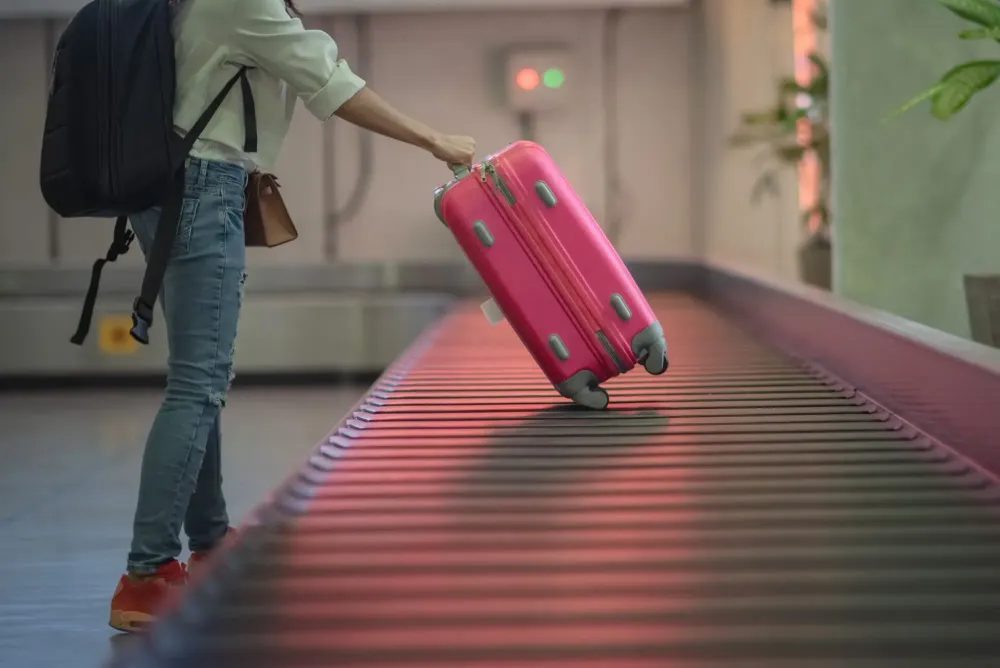
Checked baggage is where cheap multi airline itineraries get messy fast. On a protected itinerary, your bag is usually tagged to your final destination. On separate tickets, that’s far from guaranteed—even if you’re flying the same airline on both legs.
Here’s what typically happens with separate tickets:
- You check in for the first flight.
- Your bag is tagged only to that flight’s destination.
- On arrival, you must collect your bag, clear immigration/customs if applicable, then recheck it for the next flight.
- You go through security again and hope you still have time.
Every step is a chance for delay. Baggage belts jam. Immigration lines crawl. Check-in counters close earlier than you expect. Miss the baggage cut-off for your second flight and you’re stuck.
My personal rules for bags on separate tickets:
- Go carry-on only if humanly possible. This is the single biggest risk reducer. No baggage claim. No recheck. No waiting.
- If you must check a bag, build a huge buffer. Think in terms of hours, not minutes, especially when crossing borders.
- Ask about through-checking—but don’t rely on it. Some airlines will through-check bags across separate tickets, especially within the same alliance or with interline partners. Many won’t. Always ask at check-in, but plan as if the answer is no.
- Know the customs rules: In countries like the U.S., you often have to collect your bag at the first port of entry anyway, even on a single ticket. Separate tickets just add another layer of rechecking.
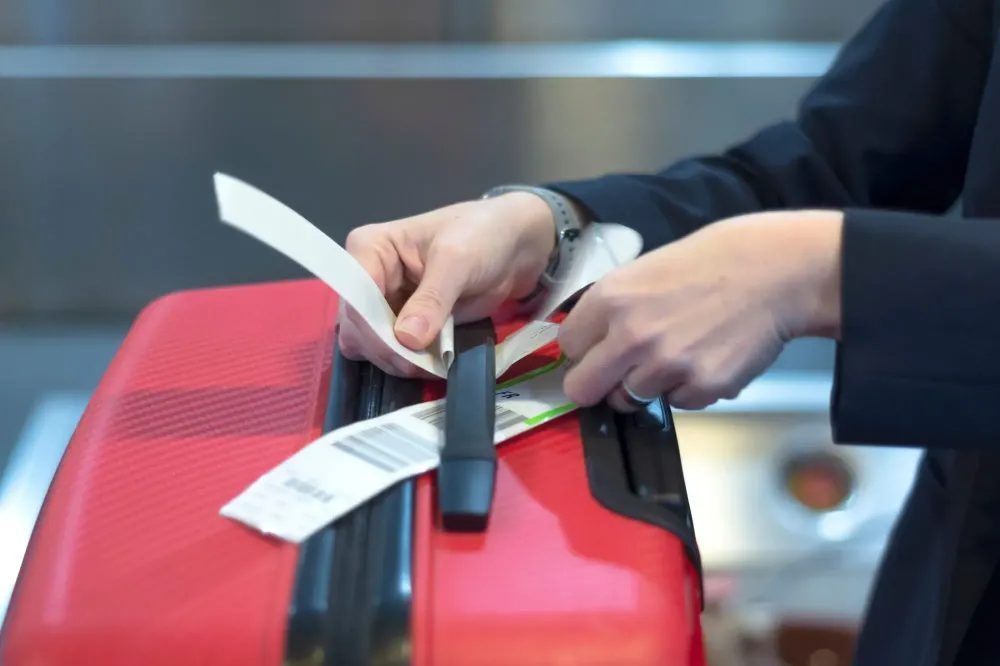
- Double-check baggage tags: Make sure the airport code on your tag matches where you think your bag is going.
If you’re the type who travels with heavy checked luggage, self transfer flights are simply riskier. You can still do it—but you need to be more conservative with timing and more realistic about what can go wrong.
5. Timing Your Self-Transfers: How Long Is “Safe Enough”?
Here’s the big practical question: How much time do I need between flights on separate tickets?
There’s no universal answer, but there are some guidelines that keep me out of trouble.
For domestic-to-domestic self-transfers (same country):
- Carry-on only: I aim for at least 2.5–3 hours.
- With checked bags: I push that to 3–4 hours, especially at busy airports.
For international connections:
- Arriving from abroad and connecting domestically: I like 4–6 hours, because immigration, customs, and baggage recheck can eat time fast.
- International to international: If I’m changing airlines or alliances, I still want 4+ hours, more if I know the airport is chaotic.
Then I layer in a few more questions:
- What time of year is it? Winter storms, summer thunderstorms, and holiday traffic all argue for longer buffers.
- What time of day? Early morning flights are often more reliable. Late-night connections after a long day of delays are riskier.
- How many flights per day on the second leg? If there are lots of later options, I’m more relaxed. If there’s only one flight a day, I treat it like a fragile connection.
One more thing: overnight self-transfers can be a smart move. Instead of a tight 2-hour connection, you arrive in the evening, sleep near the airport, and take a morning flight on a separate ticket. It costs more in hotels, but it dramatically reduces the risk of a same-day misconnect.
Think of it this way: you’re not just buying flights. You’re buying margin for error.
6. Choosing and Mixing Airlines Strategically
Once you’ve decided separate tickets are worth it, the next step is choosing which airlines to mix and how. This is where a low cost carrier plus legacy airline combo can really shine—if you’re smart about it.
1. Use full-service carriers for the longest, most critical leg.
If I’m crossing an ocean, I prefer a full-service airline or alliance ticket for that segment. Then I might bolt on a cheap low-cost carrier flight at the beginning or end. That way, the riskiest part of the trip (the long-haul) is better protected.
2. Use low-cost carriers for short, replaceable segments.
Short hops into or out of a hub are where budget airlines mixed with full service carriers make sense. If something goes wrong, it’s usually easier (and cheaper) to buy a new ticket or reroute.
3. Pay attention to alliances and interline agreements.
Even on separate tickets, flying within the same alliance or between interline partners can help with things like baggage through-checking or more flexible handling. It’s not guaranteed, but it’s better than random combinations.
4. Compare multi-city tickets vs. separate one-ways.
Sometimes a single multi-city ticket on a full-service airline is actually cheaper than stitching together separate one-ways, especially for complex international routes. I always run both searches before deciding.
5. Don’t ignore schedule reliability.
A cheap airline with chronic delays is a terrible partner for a tight self-transfer. I’d rather pay a bit more for a carrier with a better on-time record, especially on the first leg.
In short: use separate tickets to optimize your trip, not to build a house of cards.

7. Practical Playbook: How I Actually Book Separate Tickets
Let’s turn all of this into a concrete process. Here’s how I typically build a self-transfer itinerary from scratch when I’m mixing airlines to save money.
Step 1: Start with a normal search.
I begin with a standard round-trip or multi-city search on a major site or directly with an airline. This gives me a baseline price for a single-ticket itinerary.
Step 2: Break the trip into logical chunks.
I identify natural hubs along the route. For example: home city → major hub → final destination. Then I search each leg separately, including low-cost carriers and regional airlines.
Step 3: Compare total cost, including fees.
I add up:
- Base fares for each separate ticket.
- Baggage fees (for each airline, each way).
- Seat selection or other mandatory fees on low-cost carriers.
Only then do I compare that total to the single-ticket option. Sometimes the “cheap” separate tickets aren’t actually cheaper once you factor everything in. The cost of separate airline tickets vs through ticket can flip fast when you add bags and extras.
Step 4: Choose airports and times with buffers in mind.
I pick flights that give me generous layovers, especially where I’ll be changing airlines or collecting bags. I avoid last flights of the day for critical segments when possible.
Step 5: Book in a smart order.
I usually book the most constrained or expensive segment first—often the long-haul. Once that’s locked in, I build the cheaper, more flexible segments around it. If something sells out, I’d rather be stuck with a flexible short-haul problem than a long-haul one.
Step 6: Document everything.
I keep all booking references, confirmation emails, and app logins handy. I also note:
- Check-in opening times for each airline.
- Baggage rules and cut-off times.
- Terminal information and airport maps.
Step 7: Plan for the worst.
I ask myself: If I miss this second flight, what’s my Plan B?
That might mean:
- Knowing the next available flights.
- Having a budget in mind for a last-minute ticket.
- Booking travel insurance that explicitly covers missed connections on separate tickets (many don’t—read the fine print).
This sounds like a lot of work. It is. That’s the trade-off: airlines handle this planning for you on a single ticket. On separate tickets, you are the coordinator, and your separate tickets missed connection rights are much thinner.
8. When Separate Tickets Make Sense—and When to Walk Away
Let’s end with some honest scenarios. Because sometimes the smartest move is to not chase the cheapest fare.
Separate tickets usually make sense when:
- You’re adding a cheap regional leg to or from a major hub.
- You’re building in a deliberate stopover and don’t mind a long layover or overnight.
- You’re using miles or upgrades on one segment and cash on another.
- Your schedule is flexible and you can absorb disruptions.
- You’re traveling light (carry-on only) and comfortable with DIY logistics.
They usually don’t make sense when:
- You’re connecting to a cruise, tour, or once-in-a-lifetime event.
- You’re traveling with kids, lots of luggage, or someone who can’t handle long waits.
- You’re flying during peak disruption seasons (holidays, winter storms).
- The savings are small compared to the potential cost of a misconnect.
Mixing airlines on separate tickets isn’t inherently reckless. It’s just unforgiving. When everything goes right, you save money and maybe even enjoy a more customized trip. When things go wrong, you feel every corner you cut.
So the real question isn’t, Can I save money by mixing airlines?
You probably can. The better question is: Am I willing to take responsibility for everything the airlines won’t?
If the answer is yes, then build in buffers, travel light, and plan like a pessimist. That’s how you keep the savings—and still arrive with your bags, your rights, and your sanity intact. And if you’re worried about risks of self connecting flights, baggage protection, or airline responsibility on separate tickets, remember: the more margin you give yourself, the less you’ll need to rely on anyone else.