

I love travel. I also hate what travel has done to some of the places I love most.
Walk through Venice at midday in August, or try to cross Barcelona’s Gothic Quarter on a Saturday, and you’ll feel it instantly. This isn’t just a bit busy
. It’s something else. Locals protesting in the streets. Housing turned into holiday lets. Visitors shuffling through the same alleys, phones up, barely seeing where they are.
That something else
has a name: overtourism. It’s the moment a destination so many people dream about quietly stops being worth it—for the people who live there, and often for you as a traveler too.
1. What Overtourism Really Is (And Why It’s Not Just “Too Many Tourists”)
Most people think overtourism just means too many people in one place.
That’s only half the story.
Researchers and organizations like the World Economic Forum and National Geographic define overtourism more precisely: it’s when visitor numbers exceed a place’s social, cultural, and environmental capacity. In plain terms, it’s when tourism starts to damage:
- Local quality of life (housing, noise, crowding, traffic)
- Cultural fabric (behavior clashes, loss of community, that
theme park
feeling) - Environment (erosion, coral damage, waste, emissions)
That’s why there’s no magic number. Ten thousand visitors a day might be manageable in a big, well-planned city and catastrophic in a small village.
Take Hallstatt in Austria. Around 800 residents. Roughly 10,000 visitors a day in peak season. That’s not tourism; that’s an invasion.
There’s also a psychological layer to overtourism that shapes how a place feels:
- Crowds objectively create stress: noise, queues, jostling, slower movement.
- They feel worse when behaviors clash: vendors, cyclists, skateboarders, tour groups, and residents all competing for the same narrow space.
- They’re subjective: some people tolerate crowds; others feel overwhelmed quickly.
So overtourism isn’t just about numbers. It’s about mismatch—between what a place can handle and what we’re asking it to be. That’s the core of any honest overtourism travel guide.
2. The Moment a Destination Stops Being Worth It (For You and for Locals)
There’s a quiet tipping point where a famous place becomes more hassle than joy. You usually feel it in your body before you can put it into words.
For travelers, the warning signs are familiar:
- Endless queues and timed-entry tickets for almost everything
- Prices that feel detached from reality (and from the quality you’re getting)
- Having to book months ahead just to see a
must-see
sight - Feeling like you’re in a theme park, not a living city
Locals feel a different set of warning signs:
- Long-term rentals disappearing into short-term holiday lets
- Everyday shops replaced by souvenir stores and chain cafés
- Public transport and services overloaded by visitors
- Noise and crowds spilling into residential streets at all hours
That’s when the old host–guest covenant
breaks down. For decades, tourists stayed in clearly defined areas—hotel districts, resort zones, old towns. Now, platforms like Airbnb push visitors deep into residential neighborhoods. Travelers, chasing authenticity
, follow.
The result? Locals feel invaded in their own homes. Visitors feel like they’re discovering a hidden
side of the city. Both can’t be right.
And here’s the uncomfortable part: you can have a great trip in a place that’s terrible for its residents. Your personal experience isn’t the whole story. If you only judge a destination by whether you enjoyed it, you’ll miss the bigger question: Should I have gone at all—or at least, should I have gone differently?
3. Venice, Barcelona & Co.: Case Studies in a Breaking System
Let’s talk about the poster children of overtourism, because they show how far this can go—and why some people now wonder when destinations stop being worth it.
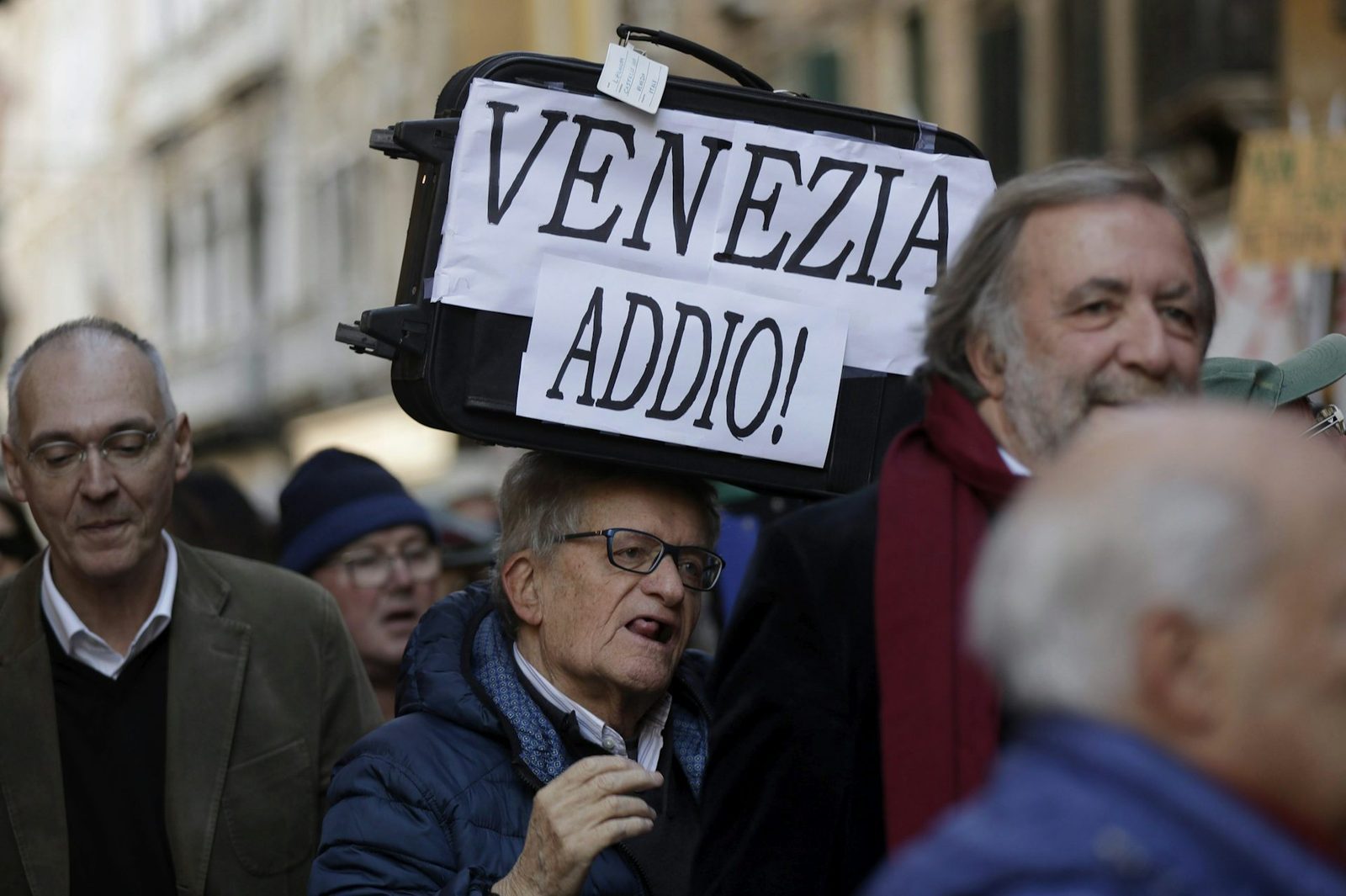
Venice gets around 30 million visitors a year. Roughly 90% are day-trippers. They crowd the streets, strain infrastructure, and then leave without contributing much to the local economy. Meanwhile, the resident population has dropped below 50,000. Housing has been converted into vacation rentals. Everyday services disappear because they’re not profitable enough.
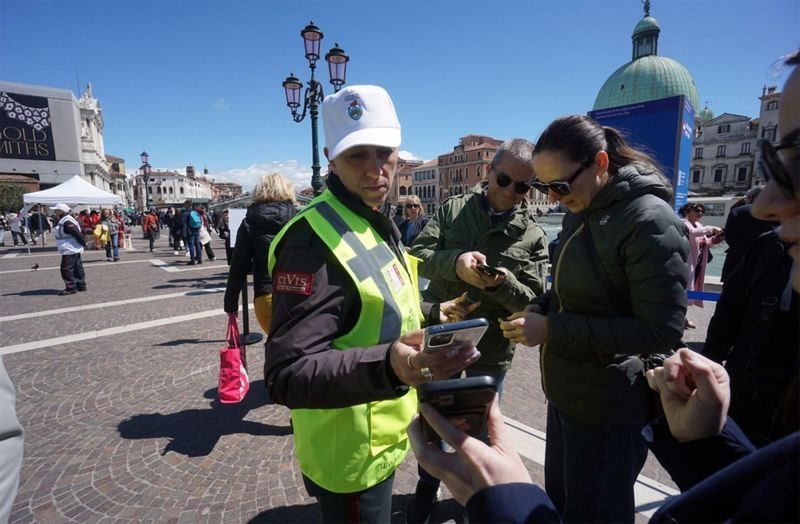
The city is fighting back. There’s a €5 day-tripper fee on certain days, and a high-tech Smart Control Room that tracks visitor flows in real time. Grassroots projects like Fairbnb (locally owned, capped rentals that fund community projects) and Row Venice (traditional rowing lessons instead of mass gondola rides) are trying to reshape tourism from the ground up.
Is Venice still worth visiting? I’d say yes—if you’re willing to do it on the city’s terms, not yours. Stay overnight. Avoid cruise ships. Choose local, regulated accommodation. Spend money in businesses that actually keep the city alive.
Barcelona is another flashpoint. Anti-tourism protests have become a regular feature. Residents are angry about housing costs, noise, and the feeling that their city has been turned into a backdrop for other people’s holidays. Short-term rentals have pushed tourists into residential neighborhoods, eroding that host–guest boundary.
And it’s not just these two. Amsterdam is banning cruise ships and tightening rules on party tourism. Kyoto is overwhelmed in certain districts. Lisbon and parts of Portugal have seen visitor numbers jump by more than 20% in a year. The pattern is the same: rapid growth, weak regulation, then backlash.
When you see locals protesting with signs that basically say Go home
, it’s worth asking: Do I really want to be part of this story?
4. Why We Still Flock to Overcrowded Places (Even When We Know Better)
We complain about crowds, then book flights straight into them. Why do we keep doing this?
Psychology plays a bigger role than we like to admit:
- Fear of missing out (FOMO): If everyone goes to Paris, Santorini, or Venice, skipping them feels like failing some unwritten travel exam.
- Validation: Crowds signal importance. If a place is packed, it must be worth seeing, right?
- Safety in numbers: Busy places feel safer and more familiar, especially for less experienced travelers.
Then there’s social media. A single viral photo can turn a quiet village or beach into a global bucket-list item almost overnight. Hallstatt is a classic example. So are fragile coral reefs and small islands that simply weren’t built for mass tourism.
Interestingly, research shows that many travelers cope with overcrowding in three ways:
- They change plans on the fly to avoid the worst crowds.
- They rationalize:
Well, it’s the Eiffel Tower, of course it’s crowded.
- They mentally downgrade the destination afterward to reduce cognitive dissonance:
It was fine, but I wouldn’t go back.
That last one matters. It’s the moment a place quietly drops off your personal worth it
list. You’ve ticked the box. You’re done.
The question is: do you really need to go in the first place, or are you just afraid of being the one person who hasn’t?
5. The New Traveler: How People Are Quietly Changing Their Habits
Here’s the hopeful part: a lot of travelers are already voting with their feet and choosing alternatives to overtouristed destinations.

Surveys of U.S. leisure travelers show that about a third of adults have heard of overtourism, and roughly 43% say they actively avoided overcrowded destinations in the past year. Younger travelers, frequent travelers, and middle-income earners are leading this shift.
Why are they changing?
- Sustainability: Avoiding overtouristed places is now one of the top actions people mention when they say they’re trying to travel more responsibly.
- Personal comfort: Crowds are exhausting. People want quieter, more spacious, more human experiences.
- Cost: Overrun hotspots are often more expensive and less good value.
- Authenticity: Many travelers are tired of feeling like they’re in a globalized, copy-paste tourist zone.
Even more interesting: among those who didn’t avoid crowded places last year, a large share say they plan to do so on their next trip. And those who already changed their behavior mostly plan to keep going.
In other words, overtourism is starting to shape where people go. Not just for ethical reasons, but because the experience in overcrowded places simply isn’t that good anymore. If you’ve ever come home from a dream
destination feeling oddly underwhelmed, you’re not alone. You might already be part of this shift without realizing it.
6. How to Decide If a Famous Place Is Still Worth Visiting
Let’s get practical. Before you book that trip to a big-name destination, run it through a simple filter. This is where how to avoid overtourism as a traveler becomes less abstract and more about concrete choices.
1. What’s the current situation on the ground?
- Are there active protests or strong anti-tourism sentiment?
- Has the city introduced access fees, cruise bans, or strict rental rules?
- Are locals openly saying they’ve had enough?
If a place is in open conflict over tourism, you’re not just going on holiday—you’re walking into a political and social struggle. That doesn’t automatically mean don’t go
, but it does mean go with your eyes open
.
2. Can you visit in a way that actually helps?
- Can you stay longer instead of day-tripping?
- Can you choose locally owned accommodation over anonymous platforms?
- Can you travel in shoulder season instead of peak?
- Can you spend money in neighborhoods that still serve residents, not just tourists?
If the answer is no
—if your only realistic option is a cruise stop or a rushed day trip—then you’re probably adding to the problem more than the solution.
3. Is there a credible alternative that would give you 80% of the experience with 20% of the impact?
- Smaller Greek islands instead of Santorini
- Less-famous Italian cities instead of Venice or Florence
- Secondary cities in Portugal instead of just Lisbon and Porto
- Undertouristed regions that actually want more visitors
Overtourism and undertourism are two sides of the same coin. Some places are drowning in visitors; others are quietly hoping someone will show up. Shifting your plans slightly can make a huge difference and often leads you to less crowded alternatives to famous cities that feel more relaxed and more real.
4. Are you going for the place, or for the photo?
If you’re honest and the answer is the photo
, you might be happier—and do less damage—by skipping it. Or by finding a different place that gives you the feeling you’re chasing, without the crush.
7. How to Travel to Popular Places Without Becoming Part of the Problem
Sometimes you really do want to see the icons. I’m not going to tell you never to visit Venice, Barcelona, or Kyoto. Or to skip Santorini just because it’s busy. But if you go, how you go matters.
Here’s how to reduce your impact and improve your own experience at the same time—especially if you’re wondering about the best time to avoid crowds in Europe or how to handle overtourism in popular European cities:
1. Travel in shoulder season
- Spring and autumn are usually better than peak summer.
- Locals are less overwhelmed, prices are often lower, and you’ll actually see the place instead of the backs of people’s heads.
2. Stay longer, move less
- Fewer, longer trips beat many short ones—for emissions, for overtourism, and for your sanity.
- Slow down. Spend days in one city instead of racing through five.
3. Choose where your money goes
- Stay in guesthouses, small hotels, or regulated rentals with clear local ownership.
- Eat at family-run restaurants, shop in local markets, skip the global chains.
- Look for experiences that support local culture (like traditional crafts or community-led tours) rather than exploit it.
4. Respect the fact that you’re in someone’s home
- Learn a few basic phrases in the local language.
- Understand dress norms and behavior expectations.
- Keep noise down in residential areas, especially at night.
5. Rethink your must-see
list
- Do you really need to stand in the most crowded square at the most crowded time?
- Often, the best moments are in the side streets, early mornings, and quiet corners.
Travel can still be a force for good. But that only happens if we stop treating destinations as consumable products and start treating them as places where people actually live. When you do that, you naturally avoid the worst crowded destinations not worth visiting and gravitate toward trips that feel better for everyone.
8. The Real Question: What Kind of Traveler Do You Want to Be?
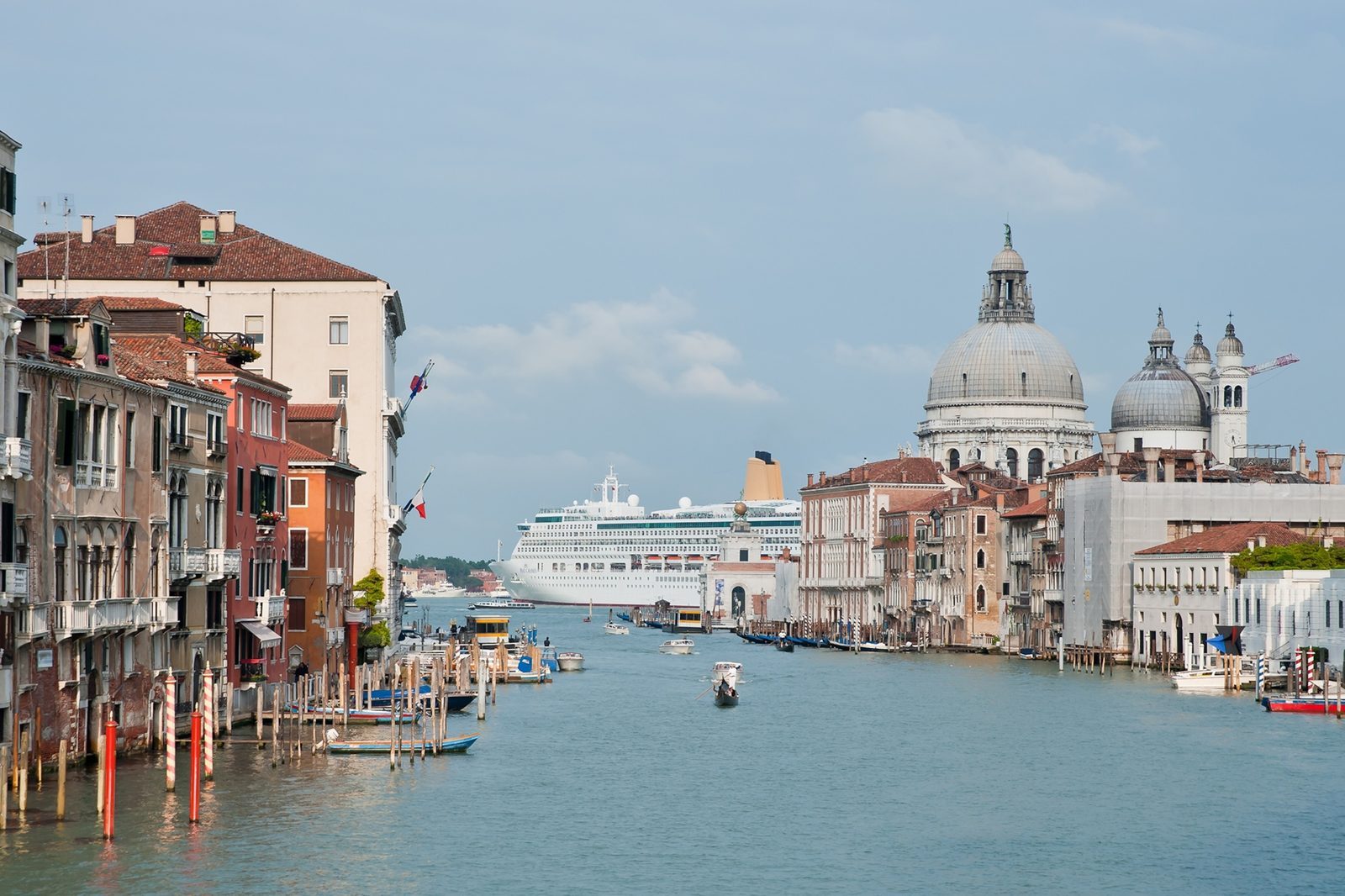
Overtourism isn’t going away on its own. Demand is still rising. Governments are scrambling with taxes, access fees, cruise bans, and rental restrictions. Locals are protesting. And yet flights are full, and bucket lists keep growing.
So the real decision isn’t just Is Venice worth visiting?
or Is Barcelona still worth it?
or even Is Santorini worth visiting or not?
The deeper question is: What kind of traveler do you want to be when you go?
You can chase the same ten overrun places everyone else is chasing, accept the crowds, and hope you still enjoy it. Or you can start making different choices:
- Choosing timing and places that respect local limits
- Spending money in ways that keep communities alive
- Letting go of the idea that you have to see everything to have traveled
properly
Famous destinations don’t suddenly flip from worth it
to not worth it
on a specific date. They slowly cross a line where the cost—to locals, to the environment, and eventually to your own experience—outweighs the benefit.
Your job isn’t to fix overtourism single-handedly. But you do get to decide whether you’re pushing a place closer to that line, or helping pull it back. That’s where overtourism and sustainable travel choices meet in real life, not just in policy reports.
Next time you plan a trip, pause for a moment and ask yourself: If everyone traveled the way I’m about to, would this place be better off—or worse?
Your answer might change not just where you go, but how much you actually enjoy it.