
I plan my trips around one question: What exactly am I buying with my money and vacation days?
With travel, the answer changes dramatically depending on when you go, not just where.
Peak, shoulder, and off-season aren’t just price labels. They change the feel of a place, the people around you, the weather you get, and even how rested you feel when you come home. This is your quick travel season comparison guide so you can choose timing on purpose, not just follow school calendars or habit.
1. The Money Question: How Much More Are You Really Paying in Peak Season?
When I compare seasons, I start with the numbers. Not vibes. Not Instagram. Numbers.
Across multiple analyses, a clear pattern shows up when you compare peak and off-season airfare and hotels:
- Peak season (summer in Europe, winter holidays, big events) often adds 30–40%+ to airfares and hotel rates compared with quieter periods (source).
- Off-season can cut hotel costs by around 40% in many destinations, especially November–March in Europe and North America (source).
- Shoulder season (those in-between months) usually lands in the middle: flights and hotels are often 20–40% cheaper than peak, with far fewer trade-offs than deep off-season.
One detailed study of 110 destinations found that a 10‑day European trip in September instead of August can save roughly €800–1,500 at the same quality level (source). That’s not a rounding error. That’s another long weekend somewhere else.
So the real question becomes: Is peak-season weather and energy worth paying 30–40% more for the exact same room and seat on the plane?
Sometimes yes. Often, no.

Takeaway: If you’re flexible, shoulder season is usually the sweet spot in the peak vs shoulder vs off season travel debate: you keep most of the experience and lose a big chunk of the cost.
2. Crowds, Lines, and Stress: How Much People Change a Place
Money is easy to measure. Crowds are trickier. But they might matter more to your sanity.
Here’s how I think about peak vs shoulder vs off-season travel when it comes to people:
- Peak season: You’re paying more to share the destination with everyone else. Expect sold-out time slots, long lines, and that slightly frantic feeling of
we have to see everything
. - Shoulder season: Same city, different mood. Attractions are open, but you’re not shoulder-to-shoulder at every viewpoint. You can actually hear the street musicians.
- Off-season: You get space. Sometimes a lot of it. Museums feel private. But some places will be quiet to the point of feeling shut down.
In Europe, for example, July–August can feel like a theme park. By September, school holidays end, temperatures drop a bit, and suddenly the same streets are walkable again. The data backs this up: shoulder-season travel consistently reports fewer crowds and shorter waits while keeping most services open (source).

Ask yourself: Do you want the buzz of a packed city, or do you want to actually sit down at a café without a 40‑minute wait? Your answer should push you toward peak or shoulder/off-season.
3. Weather vs. Wallet: Are You Overpaying for a Few Degrees?
Most people default to peak season because of weather. Fair. But the trade-off is rarely perfect vs terrible
. It’s usually ideal vs good enough
.
Typical pattern when you compare shoulder season vs peak season and off-season:
- Peak season: Warm, predictable, lots of sun. Great for beaches, outdoor cafés, and late nights outside. Also the most expensive and crowded.
- Shoulder season: Slightly cooler or a bit more variable, but still very usable. Think light jacket at night instead of T‑shirt 24/7.
- Off-season: More rain, shorter days, colder temps. Some outdoor activities become a gamble or shut down entirely.
In many places, the best value weather is shoulder season. For example:
- Europe in April–May or September–October: milder temperatures, fewer heatwaves, and far fewer crowds, with most flights and hotels still running at near-peak capacity (source).
- Caribbean & Mexico in late April–early June: warm seas, good beach weather, but lower prices than winter high season.
- Japan in late May or October: you dodge both cherry blossom crowds and summer humidity.
Off-season can still be smart if you’re realistic. You might trade beach days for museum days, or hiking for hot springs. But if your dream is sunny beach every day, off-season in a rainy month is a bad bet, no matter how cheap the hotel is.
Takeaway: Don’t just ask Is it warm?
Ask: What will I actually be able to do in that weather, and is that worth the price difference?
4. What’s Open, What’s Closed: The Hidden Cost of Off-Season
Here’s the part people often skip: availability. Not just of rooms, but of flights, tours, restaurants, and experiences.
Seasonality changes the supply side:
- Peak season: Maximum flights, tours, and opening hours. You pay more, but almost everything runs.
- Shoulder season: Still close to full capacity. Airlines and hotels haven’t cut schedules yet, so you get choice plus better prices.
- Off-season: Fewer flights, fewer nonstop routes, reduced hours, and sometimes full closures. Ironically, this can make some specific dates more expensive if demand spikes against a reduced schedule (source).
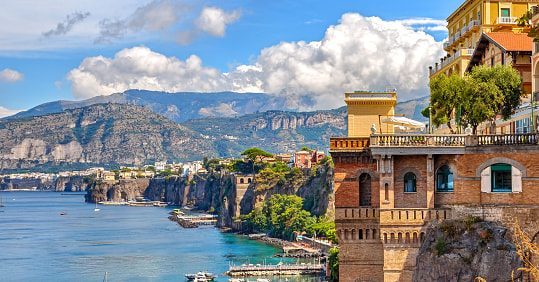
Think of a small coastal town in winter. Hotels are cheap. But:
- That famous restaurant might be closed until spring.
- Boat tours might not run.
- Public transport might be on a reduced timetable.
On the flip side, in peak season you get too much availability: endless tours, but many of them packed and rushed. Shoulder season is where you often get the best of both worlds: enough options, not enough people to overwhelm them.
Takeaway: If a specific experience (a hike, a festival, a boat trip) is the whole point of your trip, check its operating season first. That alone might decide your timing.
5. Culture, Events, and Local Life: Do You Want Festivals or Everyday Reality?
Another big difference between seasons is what the locals are doing while you’re there.
Broadly:
- Peak season: Big festivals, major events, and a lot of tourism-focused energy. Think summer music festivals, Christmas markets, or national holidays. It’s vibrant, but also curated for visitors.
- Shoulder season: More
normal life
with a sprinkling of local events—harvest festivals, art fairs, cultural seasons restarting. You see the city as residents actually use it. - Off-season: Fewer big events, but more intimate encounters. You’re more likely to chat with a barista who isn’t slammed or get extra time with a guide who isn’t juggling three groups.
Many destinations deliberately schedule their headline events in peak season. That’s great if you want the spectacle. But if you’re more interested in slow, everyday culture—markets, neighborhood bars, local routines—shoulder or off-season can be richer.

Ask yourself: Are you chasing a specific event (Carnival, cherry blossoms, Christmas markets)? Then peak might be non‑negotiable. If not, you might be paying peak prices for experiences you could have in shoulder season for much less.
6. Booking Strategy: How Far Ahead and How Flexible Do You Need to Be?
Timing doesn’t just change the trip. It changes how you have to book it.
Here’s how I approach different travel seasons:
Peak season
- Flights can be 30–40% higher, and popular routes sell out early.
- Booking 4–6 months ahead can shave around 20% off peak fares in some markets (source).
- For major holidays (like USA–India around Diwali or Christmas), even 2–3 months ahead is considered the minimum to avoid painful prices and bad connections (source).
- Specific days (day before Thanksgiving, Dec 23–24, day after New Year’s) are basically
surge pricing
days—avoid if you can.
Shoulder season
- More flexibility. You can often book 1–3 months out and still get good prices and decent choice.
- Being flexible by even one day or shifting to midweek (Tuesday/Wednesday) can drop fares noticeably.
- Hotels and tours are less likely to sell out, so you can mix pre-booked anchors with spontaneous days.
Off-season
- Best for last-minute planners. You can often book weeks or even days ahead without huge penalties.
- But watch out for reduced flight schedules—sometimes the only remaining options are awkward or oddly expensive.
Takeaway: If you hate planning months ahead, peak season will punish you. Shoulder and off-season reward flexible, late-deciding travelers.
7. Matching Season to Traveler Type: Which One Are You?
Instead of asking When is the best time to go?
I prefer: Given who I am and what I want, which season makes the most sense?
Choosing the right travel season is about fit, not rules.
If you’re a family tied to school holidays
- You’re probably stuck with some peak dates.
- Look for micro-shoulder windows: early June instead of late July, last week of August instead of mid-August.
- Book flights and key stays early; use flexible days for cheaper midweek travel.
If you’re a budget-maximizer
- Target shoulder season first. It’s where the biggest savings meet decent weather and open services.
- Use off-season selectively for city breaks where weather matters less (museums, food, nightlife).
If you’re a sun-and-beach person
- Peak season gives you the highest odds of perfect beach days.
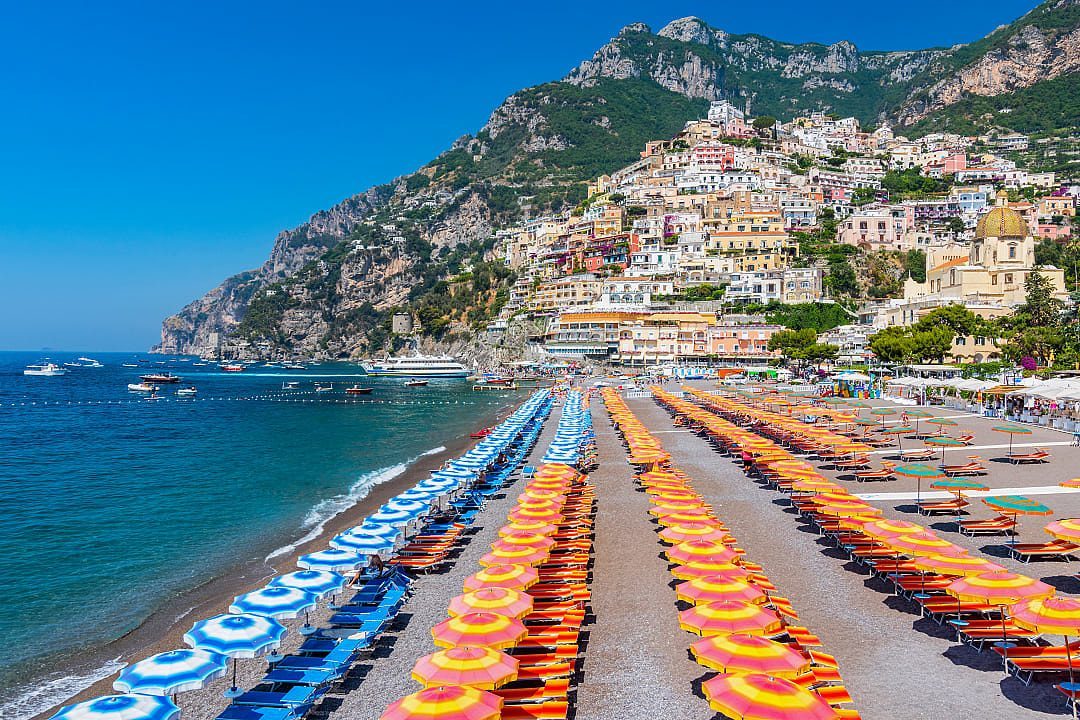
- But late spring or early autumn often offers warm seas and fewer crowds at much lower prices.
- Avoid deep off-season unless you’re happy swapping swims for spa days and long lunches.
If you’re a culture and everyday-life traveler
- Shoulder and off-season are your friends.
- You’ll get more time with locals, less performance, more reality.
- Look for harvest festivals, art seasons, and smaller local events rather than big tourist festivals.
Final thought: Peak, shoulder, and off-season are just different ways of spending the same budget and vacation days. Once you’re clear on what you actually value—weather, price, energy, quiet—you’ll know which season is worth it for your next trip, and which off-season travel mistakes to avoid.