I don’t upgrade for the champagne. I upgrade when the numbers quietly say, You’re actually losing money by staying in economy.
It sounds backwards. Premium economy and business class are marketed as splurges. But once you factor in time, productivity, sleep, fees, and all the extras you’d otherwise pay for, there are plenty of trips where the nicer seat is actually the cheaper move overall.
So let’s walk through those situations and pressure-test when paying more up front can leave you better off by the time you land.
1. The Hidden Cost of Economy: What Are You Really Paying For?
Most people compare cabins by looking at one number: the ticket price. That’s only half the story. I prefer to look at the total trip cost—what you pay in cash and what you lose in time and energy.
For a realistic economy vs premium economy price comparison, I factor in:
- Seat fees (extra legroom, seat selection)
- Checked bags
- Airport meals and drinks
- Lost work time or vacation time
- Recovery time after a brutal overnight flight
Premium economy and business class quietly bundle a lot of that. More space, better food, priority services, and sometimes actual sleep you can use. On long-haul routes, those hidden costs of economy class can flip the math.
Say economy is $800 and premium economy is $1,150. You’re not really asking, Is premium economy worth $350?
You’re asking, Is a more comfortable, faster, less exhausting trip worth the net difference after I subtract what I’d otherwise spend and lose?
That’s the mindset shift where upgrades start to make surprising sense.
2. When Premium Economy Is the Smart Money (Not the Fancy Choice)
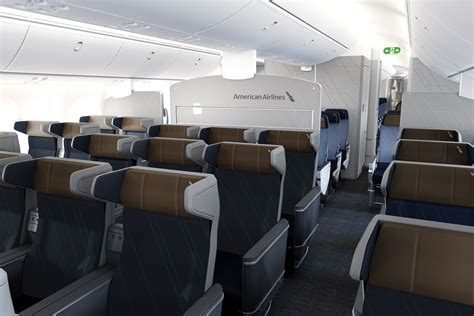
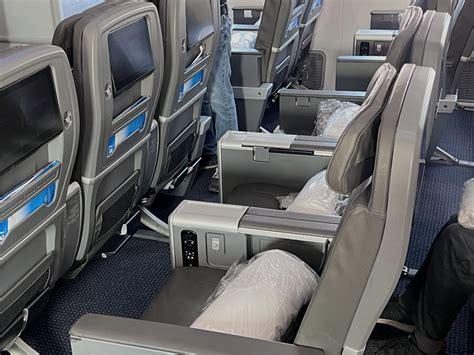
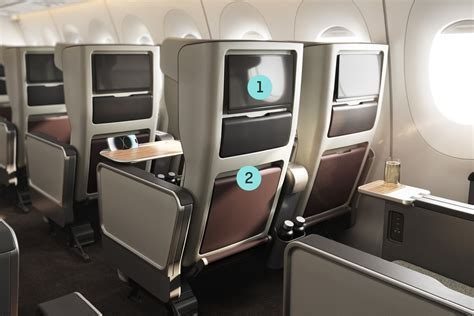
Premium economy is the middle child: more legroom, wider seats, better recline, footrests, upgraded meals, and often priority check-in and boarding. No lie-flat beds, no full luxury. But on the right route, it’s the sweet spot between comfort and cost.
If you’re wondering when is premium economy worth it, a few patterns show up across airlines:
- Seat pitch: around 38" vs. 30–31" in standard economy. On a 7–12 hour flight, that’s the difference between shifting miserably and actually relaxing.
- Layout: often 2–3–2 instead of 3–3–3, so fewer people per row and more personal space.
- Price: on average about 2x economy, but sometimes only 30–50% more. That’s where the value lives.
So when does premium economy actually save you money—or at least deliver outsized value in the flight comfort vs cost trade off?
- Long-haul and overnight flights. If you arrive wrecked, you often burn a full day of your trip just recovering. If a better seat lets you land functional, that’s a real cost saved—especially on short trips.
- When the price gap is modest. If economy is $900 and premium economy is $1,200, that $300 might replace seat fees, extra bags, airport food, and some of your recovery time.
- When you’d pay for extras anyway. Main Cabin Extra, extra-legroom seats, priority boarding, and checked bags can easily add $150–$300+ roundtrip. Premium economy often includes most of that.
On some airlines—Lufthansa, Singapore Airlines, Emirates, Japan Airlines, or United’s Premium Plus—the product is strong enough that the upgrade feels closer to a mini-business-class experience than just a slightly nicer economy seat. That’s when the premium economy value for long haul flights really shows.
My rule of thumb: if premium economy is under ~50% more than the cheapest regular economy fare on a long-haul flight, I seriously consider it. Under 30% more? I’m almost looking for reasons not to book it.
3. Miles, Points, and Upgrades: When Comfort Is Practically Free
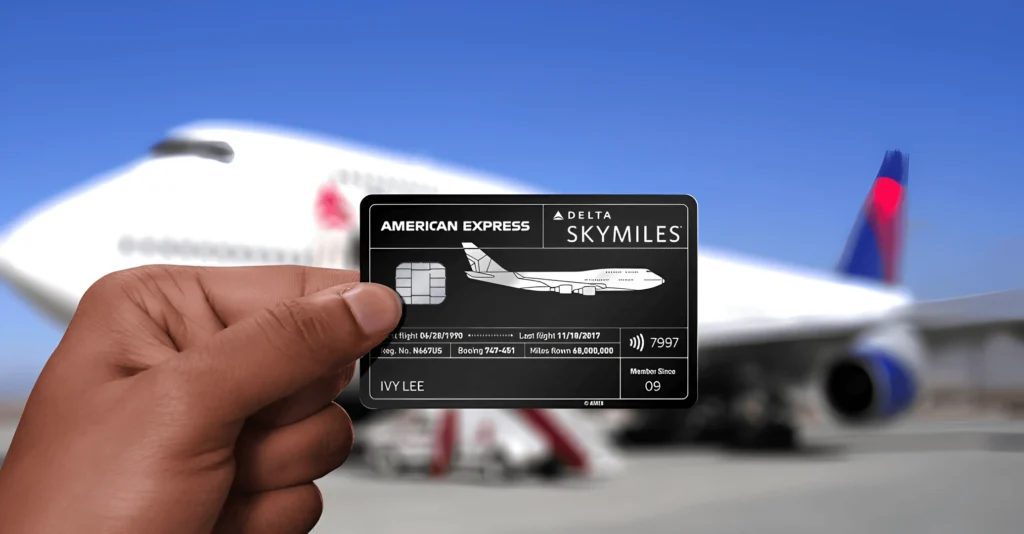
Cash prices can be brutal. Miles and points are where premium cabins quietly become affordable—and often the smartest cash vs miles for business class play.
Take American Airlines between the U.S. and Europe. Typical one-way award pricing:
- Economy: ~30,000 miles (sometimes as low as 22,500 off-peak)
- Premium economy: ~40,000 miles
That’s a 10,000-mile difference. If you’re earning via a card that transfers 1:1 to AAdvantage, that’s not a huge premium for a much better overnight experience. Taxes and fees are often similar across cabins (though higher when departing Europe or routing via London).
Where this really saves you money:
- Upgrading a paid economy ticket. Many airlines let you use miles to move from economy to premium economy (excluding basic economy). You keep the flexibility of a paid fare but buy comfort with miles instead of cash.
- High-value business-class redemptions. Routes like U.S.–Madrid on Iberia or New York–Lisbon on TAP via programs like Avianca LifeMiles can price business at ~34,000–35,000 miles one-way. That’s barely more than some economy awards and a huge win in the business class cost benefit column.
- Upgrade bids. Systems like Plusgrade let you bid for business or premium economy starting around $300 per segment. If you were already going to pay $150–$250 for extra-legroom seats and bags, a successful bid can be a net win.
The catch: dynamic pricing and higher elite thresholds mean the free upgrade at the gate
fantasy is fading. More people are paying cash for premium cabins, and airlines are happy to sell every last seat. So I treat miles and upgrade bids as strategic tools, not lottery tickets.
My filter is simple: if I can move from economy to premium economy or business for no more than 30–40% extra miles (not 2–3x), I strongly consider it. That’s where comfort per mile spikes and saving money by upgrading flights becomes real.
4. Business Class as an Investment: When Time Is Worth More Than the Fare

Business class is usually 2–5x the price of economy. On paper, that sounds ridiculous. But the better question is: What is my time and energy worth on this specific trip?
Business class doesn’t just give you a bigger seat. It gives you a different ecosystem:
- Priority check-in, security, and boarding
- Lounge access with Wi‑Fi, food, and quiet workspaces
- Lie-flat beds on long-haul flights
- Quieter cabins and better service
- Faster baggage delivery and early deplaning
For entrepreneurs, executives, or anyone on a tight schedule, that can turn a lost travel day into a productive one. You can work in the lounge, sleep properly on the flight, and land ready to perform instead of stumbling through jet lag.
Here’s where business class can actually be the rational choice in a business class vs premium economy cost analysis:
- Short, high-stakes trips. Flying overnight to a meeting, pitch, or event where being sharp matters? Arriving rested can directly affect outcomes. That’s not luxury; that’s risk management.
- High billable rates. If your time is worth hundreds of dollars per hour, losing a full day of productivity each way can cost more than the fare difference.
- Back-to-back travel. Multiple long-haul flights in a short window? Business class can be the difference between functioning and burning out.
There’s also a softer side: identity and mindset. Some travelers find that flying business reinforces a future self
image—expecting better experiences, making bolder moves, and networking with people they’d never meet in economy. Hard to quantify, but not irrelevant when you ask, Does business class save money overall in the long run?
Still, I stay skeptical. I ask: If this trip goes perfectly because I arrive rested and focused, does that justify the extra cost? If the answer is yes, business class stops being a flex and starts being a tool.
5. The Weird Moment We’re In: When Business Class Is Relatively Cheaper
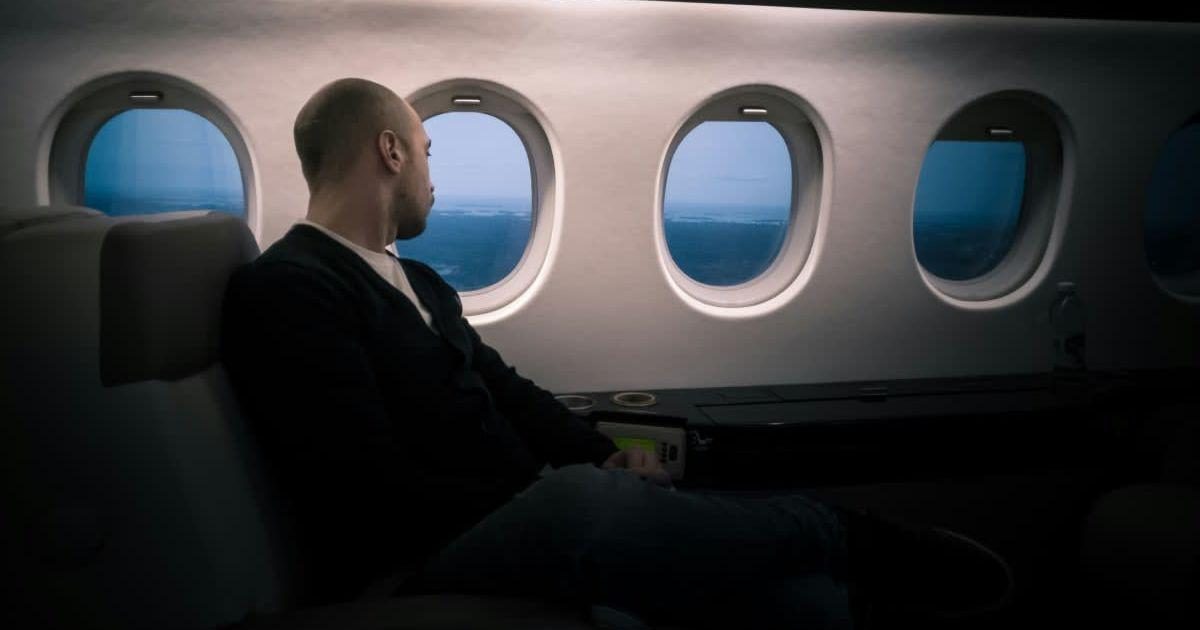
Here’s a twist: since 2019, economy fares have gone up more than some business-class fares, especially across the Atlantic.
Recent data shows:
- U.S. domestic economy: up ~9% vs. ~19% overall inflation
- Transatlantic economy: up ~14%
- Transatlantic business class: about 3% cheaper than in 2019
Why? Corporate travel hasn’t fully recovered, but leisure demand has. Airlines added capacity and new routes, and low-cost long-haul carriers are pressuring prices. So premium cabins sometimes get discounted just to fill seats.
What this means for you:
- The gap between economy and business isn’t always huge anymore. Sometimes business is only 1.5–2x economy instead of 4–5x.
- Sales and mistake fares matter. A $2,000 business-class ticket on a route that’s usually $4,500 can be a better deal than a $1,200 economy ticket that’s usually $700.
- Off-peak and shoulder seasons are gold. Business cabins can be fuller in winter (when corporate travel spikes) and emptier in shoulder periods, which is when deals appear.
So I don’t just ask, Is business class expensive?
I ask, Is business class expensive relative to economy on this route, on these dates?
Sometimes the answer is surprisingly no—and that’s when an airfare upgrade cost calculator mindset really helps.
6. The Decision Framework: When to Stay in Economy, Go Premium, or Jump to Business
Let’s turn this into something you can actually use when you’re staring at three tabs of fares and feeling stuck. Is upgrading flight seats worth the money? Here’s how I decide.
Step 1: Look at the % difference, not just the price
- Premium economy vs. economy: Under 30–50% more on a long-haul flight? Strong candidate.
- Business vs. economy: Under 2x on a long-haul flight? Worth a serious look, especially if time matters.
This is where the total trip cost economy vs premium question starts to get clearer.
Step 2: Add back the extras you’d pay in economy
Estimate what you’d spend in economy on:
- Seat selection / extra legroom
- Checked bags
- Airport food and drinks
- Lost productivity or vacation time
Subtract that from the premium cabin price. That’s your real upgrade cost—not the scary number on the booking screen.
Step 3: Factor in flight length and timing
- Under 4 hours: Economy or extra-legroom seats usually win. Premium economy is often overkill.
- 4–7 hours daytime: Premium economy only if the price gap is small and you value comfort.
- Overnight or 7+ hours: Premium economy starts to shine. Business class becomes rational if you need to be sharp on arrival.
This is where the flight comfort cost breakdown really matters. A little extra comfort on a short hop? Nice. On a 10-hour red-eye? Game changer.
Step 4: Check miles, points, and upgrade options
- Can you upgrade a paid economy ticket with miles for a modest mileage difference?
- Are there good-value business-class awards (e.g., 30–40k miles one-way to Europe in business)?
- Is there an upgrade bid system where you can name your price?
Sometimes the best move is: buy economy, then upgrade smartly. That’s often where the business class vs premium economy cost analysis tilts in your favor.
Step 5: Be honest about the purpose of the trip
Ask yourself:
- Is this trip about rest and enjoyment? Comfort might be worth more than you think.
- Is this trip about performance and outcomes? Business class can be an investment, not a flex.
- Is this trip just a cheap getaway? Save the money, sit in economy, and spend it at your destination.
There’s no universal answer to how much more does premium economy cost before it’s not worth it?
It depends on your trip, your body, and your budget.
7. The Bottom Line: Comfort Has a Price, But So Does Discomfort
We’re used to thinking of premium economy and business class as indulgences. Sometimes they are. But sometimes, staying in economy is the expensive choice—just in ways that don’t show up on the booking screen.
Here’s how I summarize it for myself:
- Premium economy is my go-to when the price gap is modest and the flight is long enough that sleep and circulation matter.
- Business class is my tool when time, performance, or productivity are on the line—and when the fare (or miles) is reasonable relative to economy.
- Economy is still my default when the trip is short, flexible, or purely about saving cash.
The trick is to stop asking, Can I justify the upgrade?
and start asking, What’s the real cost of flying in economy on this trip?
Once you frame it that way, the right cabin usually reveals itself—and sometimes, the nicer seat is the smarter financial move.