

I’ve lost count of how many “$59 flight deals” I’ve booked that quietly turned into $200+ trips. Not because of airline tricks (those are a whole separate problem), but because of something far more boring and easy to ignore: getting to and from the airport.
If you only look at the airfare, you’re not comparing real prices. You’re comparing fantasy prices. The real question is: What does this trip cost door to door?
Let’s break down how ground transportation can wreck your “cheap” flight deal — and how to stop that from happening.
1. The Trap: Cheap Flight, Expensive Airport
When I evaluate a flight now, I don’t start with the ticket. I start with a blunt question: How annoying and expensive is it to reach this airport at the time I need?
Here’s the trap many of us fall into:
- You see a cheap fare from a secondary airport, usually way outside the city.
- You book it, feeling clever for finding a deal.
- Then you realize the only way to get there at 5 a.m. is a $70 rideshare or a $40/day parking lot.
Suddenly that $59 flight is effectively $150–$200 once you add the real cost of getting to the airport:
- Rideshare or taxi to the airport
- Return ride home
- Airport surcharges, tolls, tips
- Or multi-day parking if you drive yourself
Tools like taxis-fare.com and RideGuru make this painfully clear. Plug in your home and the airport and you’ll see a full airport transportation cost breakdown: regulated taxi vs Uber vs Lyft, sometimes even limos. It’s sobering.
My rule: I always add a realistic round-trip ground cost to the ticket price before I decide if a flight is actually a deal. If the total trip cost including airport transportation doesn’t make sense, I skip it.
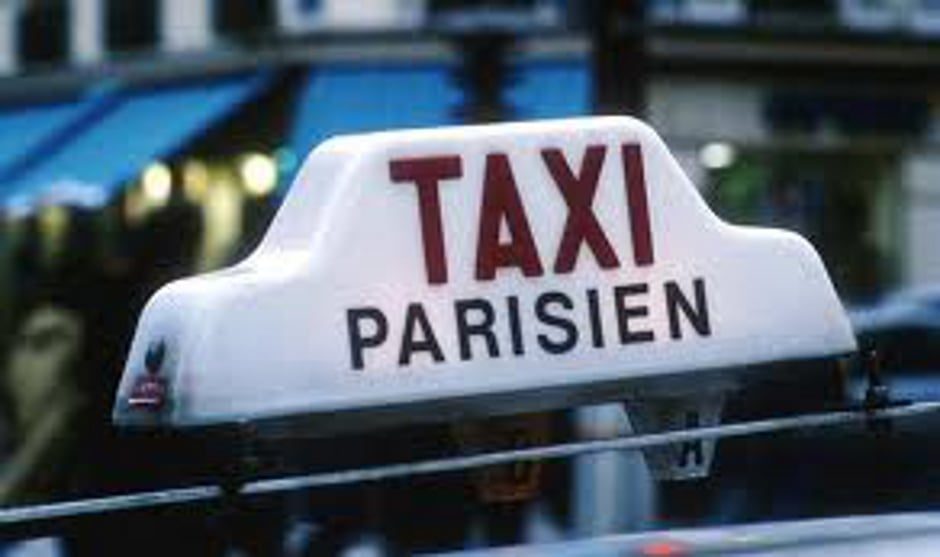
2. Taxi vs Uber vs Lyft: The Price You See Is Not the Price You Pay
Most of us default to Uber or Lyft without thinking. But airport runs are where the differences between regulated taxis and dynamic rideshare pricing really show up.
Here’s how I think about it:
- Taxis use city-regulated tariffs. Prices are relatively stable and predictable.
- Uber/Lyft use dynamic pricing. Fares can jump 2–3x during peak times, bad weather, or big events.
Platforms like taxis-fare.com compare official taxi tariffs (based on 2026 municipal data) with real-time Uber/Lyft estimates. That matters because:
- You see when a taxi is actually cheaper than Uber during surge.
- You avoid surprise airport surcharges and hidden fees because the tariff is public.
- You can contact vetted drivers directly, without extra commissions layered on top.
On the rideshare side, independent calculators like the Uber estimate calculator and Lyft estimate calculator let you get a ballpark price without logging into the apps. That’s handy when you’re still in planning mode and just want to compare the cost of Uber to the airport vs driving or taking a taxi.
Key takeaway: Don’t assume Uber is always cheaper or that taxis are always a rip-off. For airport transfers, the airport taxi vs public transport cost or taxi vs rideshare comparison is often the opposite of what you expect.
3. The Hidden Time Bomb: Unreliable Rides and Last-Minute Scrambles
Money is one thing. Stress is another. The most expensive airport transfer is the one that makes you miss your flight.
As one analysis points out, last-minute or unreliable airport transport can trigger a chain reaction:
- Driver cancels or is late.
- You scramble to find another ride at higher surge prices.
- You arrive late, pay change fees, maybe lose hotel nights or nonrefundable tours.
That “cheap” $120 round-trip flight can suddenly cost:
- $50–$100 in rebooking fees
- Lost first night at the hotel
- Extra airport meals and time off work
For families, late-night arrivals, or business trips, I treat airport transfers as mission-critical, not an afterthought. That often means:
- Pre-booking a professional transfer or taxi at a fixed rate.
- Using services that track your flight and adjust pickup times.
- Building in a buffer for traffic, security, and check-in.
Ask yourself: If this ride falls through, what does it really cost me? If the answer is “a lot,” then saving $10 on the transfer is not smart.

4. Driving Yourself: Parking, Tolls, and the Illusion of “Free”
Driving yourself to the airport feels cheap because you’re not handing over cash at the curb. But the costs are very real; they’re just delayed and spread out.
Here’s what I force myself to calculate when I compare airport parking vs rideshare cost:
- Parking: On-site airport parking can easily run $20–$40 per day. Off-site lots are cheaper but add shuttle time and hassle.
- Tolls: Bridges, tunnels, and express lanes can quietly add $10–$30 round-trip.
- Fuel + wear: Not huge for one trip, but it’s not zero either.
For a 5-day trip, a $25/day lot is $125 before you even start the car. Add tolls and fuel, and you’re often in the same price range as a round-trip rideshare or taxi — sometimes more. That’s the part most people skip when they’re budgeting for airport transfers.
There’s also the non-monetary cost:
- Hunting for a spot in a crowded garage.
- Dragging luggage across multiple levels or waiting for a shuttle.
- Returning jet-lagged and then driving home in traffic.
My rule of thumb:
- Trips under ~3 days: parking can make sense, especially if you’re far from the city.
- Trips over ~4–5 days: I seriously compare parking vs taxi/rideshare. The “cheap” option often flips.
Use a fare estimator (taxi vs Uber vs Lyft) and compare it directly to the total parking cost for your full trip length. Don’t guess. Do the math once; it will change how you book forever.
5. When Pre-Booking Actually Saves You Money (and Nerves)
There’s a myth that booking ahead is always more expensive. For airport transfers, that’s often wrong.
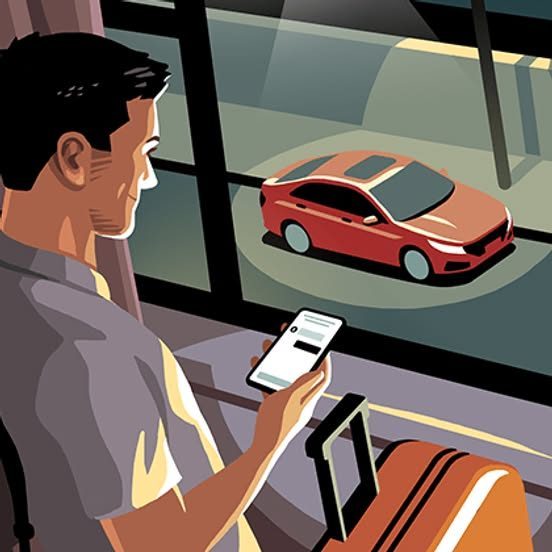
Services like Uber Reserve let you schedule rides up to 90 days in advance at many airports. You get:
- Priority matching with a driver.
- Flight tracking that adjusts pickup if you’re early or delayed.
- Locked-in pricing (within the rules of your region).
- Longer grace periods before wait-time fees kick in.
For standard on-demand rides, you might only get 2 minutes of free wait time before fees start. With reserved airport rides, that window can stretch to 45–60 minutes for some services. That’s a big difference if immigration or baggage is slow.
On the taxi side, platforms like taxis-fare.com help you connect directly with authorized drivers or companies, often at fixed or tariff-based rates. No surge, no surprise airport add-ons, and you know who’s picking you up.
When I always pre-book:
- Very early morning flights (before public transit runs reliably).
- Late-night arrivals in unfamiliar cities.
- Trips with kids, lots of luggage, or tight business schedules.
- Peak seasons and big events when demand is insane.
In those scenarios, the cost of not having a guaranteed ride is far higher than the small premium (if any) for booking ahead. Sometimes pre-booking is actually the cheapest way to get to the airport once you factor in stress, risk, and potential rebooking costs.
6. The Airline Isn’t Your Only Problem: Hidden Fees on the Ground
We love to complain about airline fees — and we should. As detailed breakdowns show, airlines pile on charges for everything from seat selection to name corrections to unaccompanied minors.
But ground transport has its own version of hidden fees and “gotchas” that quietly inflate the ground transportation cost for flights:
- Airport pickup surcharges baked into taxi and rideshare fares.
- Wait-time fees if you call your ride too early and then get stuck at baggage claim.
- Tolls that aren’t always obvious in the initial estimate.
- Tips that you forget to budget for but still feel obligated to pay.
Independent calculators like the Uber and Lyft estimators often let you add a tip and manually factor in tolls or airport fees. That’s not overkill; it’s how you avoid underestimating your trip by 20–30% and getting blindsided by hidden airport transfer costs.
My approach now:
- I assume the first price I see is
base only
. - I add 15–20% for tips and possible delays.
- I check if the route crosses any bridges, tunnels, or special toll roads.
Once you start doing this, you’ll notice something: a lot of “cheap” airports and “cheap” rides aren’t actually cheap at all.
7. Safety, Sanity, and When Paying More Is Worth It
There’s a point where saving $15 on an airport transfer just isn’t worth the risk or discomfort.
Sites like TaxiFareFinder talk a lot about safety basics: verify the vehicle and driver, share your trip details, wear your seatbelt, be careful with payment methods. Platforms like taxis-fare.com only index authorized chauffeurs and encourage you to double-check license plates and use official apps.
Here’s when I personally lean toward paying a bit more for a safer, calmer experience:
- Arriving alone late at night in a city I don’t know well.
- Traveling with kids or older relatives who need extra help.
- Carrying expensive gear (cameras, laptops, instruments).
- Needing a specific vehicle type (car seats, wheelchair access, extra luggage space).
In those cases, I’d rather:
- Use a vetted taxi or car service with clear contact details.
- Book through official apps or known platforms, not random curbside offers.
- Pay for a larger or more comfortable vehicle if it avoids stress and arguments over space.
Bottom line: The cheapest ride is not always the best value. Sometimes the “expensive” option is the one that actually protects your time, safety, and sanity — and keeps your cheap flight deals from being ruined by ground transport.
8. How to Compare Trips the Smart Way (Door-to-Door, Not Just Airfare)
If you want to stop getting burned by airport transfers, change how you compare trips. Here’s the simple framework I use now to avoid classic airport transport mistakes:
- List all realistic airports you could use for this trip (primary and secondary).
- For each airport, estimate ground costs both ways:
- Taxi vs Uber vs Lyft using tools like taxis-fare.com, RideGuru, and the Uber/Lyft calculators.
- Parking + tolls if you drive yourself.
- Add those numbers to the airfare for each option so you see the total trip cost including airport transportation.
- Factor in time and risk:
- How early do you need to leave home?
- How bad is traffic at that time?
- What happens if your ride is late or cancels?
- Then choose the best door-to-door option, not just the cheapest ticket.
Once you start doing this, you’ll notice patterns:
- Sometimes the “more expensive” flight from a closer airport is actually cheaper overall once you include the cost of getting to a distant airport.
- Sometimes a slightly later or earlier flight saves you from peak-hour surge pricing.
- Sometimes pre-booking a taxi or Uber Reserve is the difference between a smooth trip and a disaster.
If your goal is to travel smarter, not just cheaper on paper, this is where the real savings are. The airport isn’t just a building you pass through. It’s often the most expensive part of your “cheap” flight that you’ve been ignoring.
Next time you see a tempting fare, ask yourself: What will it really cost me to get there and back?
That one question — and a quick airport access cost comparison — can save you hundreds of dollars and a lot of stress.