

I don’t actually care what the ticket costs. I care what the trip costs.
That’s the mindset shift most people never make. We chase the lowest fare on the screen, then casually burn more on airport food, taxis, and lost time than we “saved” on the ticket.
This is where the real cost of cheap flights shows up: layovers that quietly drain your wallet, airports that are nowhere near the city, and flight times that wreck your sleep and your schedule.
By the end of this guide, you’ll be able to look at a flight and stop asking Is this cheap?
and start asking: Is this actually worth it?
1. The Headline Price Trap: Why the Cheapest Fare Isn’t the Cheapest Trip
Flight search sites train you to chase the lowest number in bold. That’s the headline price. But the true price of budget airline tickets is everything from your front door to the bed you finally collapse into at your destination.
Here’s what that headline price usually doesn’t include:
- Airport meals and drinks (often $40–$50 per person for one casual meal)
- Snacks, water, magazines, neck pillows, chargers you forgot
- Ground transport: trains vs. taxis vs. rideshares
- Extra hotel nights caused by awkward flight times
- Lost work time, lost vacation time, and sheer exhaustion
So when I compare flights, I don’t ask Which ticket is cheaper?
I ask:
- Door-to-door time: How many hours from home to hotel?
- Door-to-door cost: Ticket + transport + food + possible hotel.
- Energy cost: Will I lose a day recovering from this?
Once you factor in the hidden expenses of cheap airfare, that “expensive” nonstop that lands at a sane hour is often the better-value choice.
2. Layovers: When a Connection Saves You Money (and When It Destroys It)
Layovers are where many cheap flight deal mistakes happen. On paper, a connection can look like an easy $80–$150 saving. In reality, that layover can cost you more than it saves.
Think about a 3–4 hour layover. What usually happens?
- You buy a meal and a drink at airport prices: $30–$50.
- You grab a coffee, water, maybe a snack: another $10–$20.
- You get bored and pick up a magazine, neck pillow, or cable: $20–$40.
Suddenly your “smart” $80 saving is gone. And that’s before you factor in the extra hours of your life spent sitting at a gate.
Now add risk:
- Short layovers (under 60–75 minutes on many routes) increase your odds of missing the connection and paying for rebooking, hotels, and meals.
- DIY layovers on separate tickets shift all the risk to you. If your first flight is late, the second airline doesn’t care. You buy a new ticket.
So when does a layover actually make sense?
- When the saving is substantial (not $30–$50, but hundreds).
- When the layover is long enough to be useful (a real break, a city visit, or a hotel rest).
- When you’re not on a tight schedule and can absorb delays.
If the saving is modest and the layover is just dead time in a terminal, you’re probably not getting a deal. You’re just paying in a different currency: time and energy.
3. Long Layover vs. Stopover: Turning Dead Time into a Bonus Trip
Not all long layovers are bad. The problem is purposeless long layovers: 7–10 hours of wandering around an airport, buying overpriced food because there’s nothing else to do.
But if you’re intentional, you can flip that on its head and turn the cost of long airport layovers into something that actually adds value.
A long layover becomes a stopover when you treat it like a mini-trip instead of a waiting room. That might mean:
- Booking a 9–24 hour break in a hub city and going into town.
- Using airline stopover programs to add an extra destination for little or no extra fare.
- Taking advantage of airline-paid hotels (STPC) on long, forced layovers.
Some airlines and airports even offer free or cheap transit tours and hotel programs if your layover is long enough. You’ll see this in hubs like Singapore, Seoul, Doha, Istanbul, and others. The catch? The information is often buried on airline websites, so you have to dig.
Here’s how I decide if a long layover is worth it:
- Is there a clear benefit? Extra city, better sleep, big fare saving.
- Is it long enough to leave the airport? Usually 6+ hours with easy transit.
- Is it on one ticket? Single-ticket itineraries protect you if the first leg is delayed.
If the answer to those is no
, I treat long layovers as a red flag, not a bargain.
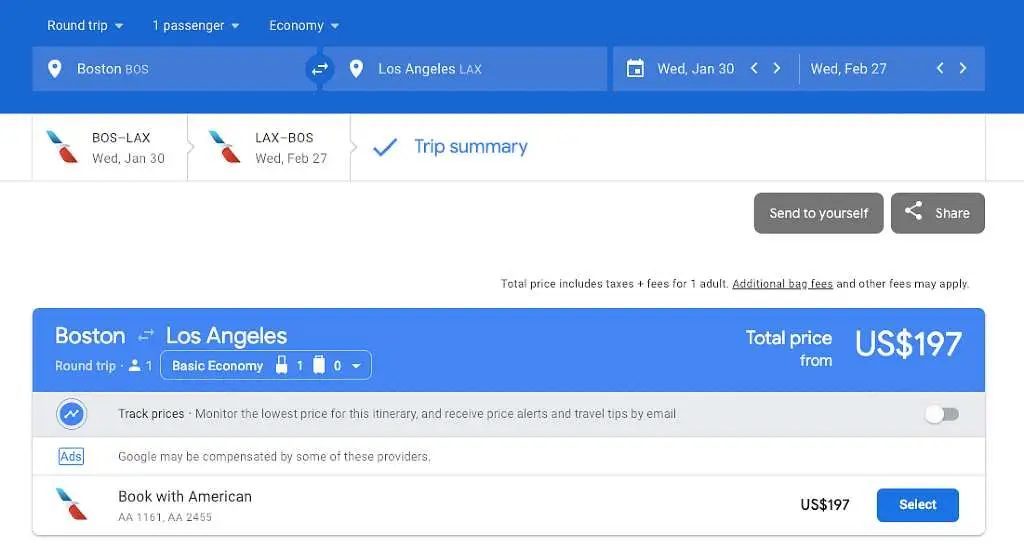
4. Nonstop vs. Connecting: Is 25% More Worth It?
Nonstop flights often cost around 25% more than connecting options on the same route. That’s enough to make a lot of people click the cheaper connection without thinking.
I look at it differently: I ask what that 25% is buying me in the cheap flights vs direct flights trade-off.
- Time: Fewer hours in transit, more hours at the destination.
- Reliability: Fewer moving parts, fewer chances for delays to cascade.
- Energy: No sprinting between gates, no extra takeoff/landing fatigue.
On a short trip—say a 3-day weekend—adding 4–6 hours of travel time for a small saving is almost always a bad trade. You’re literally shrinking your vacation to save what you’ll spend on one dinner.
On a longer trip, or when the price difference is huge, a connection can make sense. But I still run it through a simple filter:
- If the nonstop is within 10–20% of the connecting fare, I usually take the nonstop.
- If the connection adds more than 4–5 hours to my day for a small saving, I skip it.
- If I’m on a tight schedule (wedding, cruise, work event), I treat nonstop as a form of insurance.
Paying more for nonstop isn’t about being fancy. It’s about buying back your time and avoiding the hidden costs of layovers and missed connections.

5. Secondary Airports: The Cheap Flight That Isn’t Really to Your City
Budget airlines love secondary airports. They’re cheaper for the airline, and the fares look great in search results. But Paris
isn’t always Paris, and London
isn’t always London.
Here’s what often happens with secondary airports:
- They’re much farther from the city center.
- Transfers are slower, less frequent, or more expensive.
- Late-night or early-morning arrivals mean taxis instead of trains.
So that $60 saving on the ticket can turn into:
- $30–$50 more in ground transport, each way.
- Extra 1–2 hours of travel time.
- More hassle when you’re tired and jet-lagged.
When I see a cheap flight to a secondary airport, I do three quick checks to avoid the extra costs of distant airports:
- Map it: How far is it from where I actually need to be?
- Transit options: What’s the last train/bus? What does a taxi cost at midnight?
- Total cost: Ticket + round-trip transfers vs. main airport + transfers.
Sometimes the secondary airport still wins. But often, once you add transfers and time, the main airport is the better deal—even if the ticket is higher.
6. Timing Traps: Early, Late, and Awkward Flights That Blow Your Budget
Ultra-early and ultra-late flights are classic “cheap” options. They’re less convenient, so airlines discount them. But the timing can quietly add costs you didn’t plan for.
Consider what a 6 a.m. departure or 11:30 p.m. arrival really means:
- You may need a taxi or rideshare because public transit isn’t running.
- You might need an extra hotel night near the airport for a dawn flight.
- You lose sleep and start your trip exhausted, which can kill productivity or your first vacation day.
That $40–$70 saving on the fare can vanish instantly when you spend $50 on a rideshare because the metro is closed. This is one of the most common cheap flight timing traps.
There’s also the myth that there’s a magic hour
to book flights. In reality, airline pricing is dynamic and continuous. You’re better off being flexible with when you fly than obsessing over when you book.
Here’s how I think about timing and how flight timing affects your travel budget:
- Early-morning flights are often more reliable (less knock-on delay), but I only take them if I can get to the airport cheaply and still sleep enough.
- Very late arrivals are a red flag if I’m landing somewhere with limited transit or if I need to be functional the next morning.
- Midday flights often cost a bit more but save me from taxis, extra hotels, and zombie-level fatigue.
Instead of asking How cheap is this flight?
ask What will this timing force me to spend on top of the ticket?

7. Ultra-Low-Cost Carriers & Skiplagging: Advanced Tricks with Real Risks
Two things people love to bring up when chasing cheap flights: ultra-low-cost carriers and skiplagging. Both can save money. Both can also backfire badly if you don’t understand the trade-offs.
Ultra-low-cost carriers (ULCCs)
These airlines live on fees. The base fare looks amazing, but then you add:
- Carry-on and checked bag fees
- Seat selection fees
- Airport check-in or printing fees in some cases
- Change and cancellation penalties that are brutal
By the time you’ve paid for a normal level of comfort, you’re often close to (or above) a regular airline’s fare. And you may be flying into a secondary airport at a terrible time of day.
So I always compare: ULCC fare + all realistic fees + transfers vs. a standard airline with a more honest price. That’s how you avoid the cheap flight traps that make “budget” tickets more expensive overall.
Skiplagging (hidden-city ticketing)
Skiplagging is when you book a cheaper connecting flight and get off at the layover instead of the final destination. It works because airline pricing is weird: sometimes a longer route is cheaper than a direct one.
But airlines hate it, and they write that into their terms. The risks include:
- You can’t check bags (they’ll go to the final city).
- If you miss a leg, the airline can cancel the rest of your ticket, including your return.
- You can lose frequent flyer miles or even be banned from an airline.
- Gate agents can force you to check a carry-on if bins are full, sending your bag to the city you never intend to visit.
Can it save money? Yes. Is it worth the risk for most people? Usually not—especially if you value your status, your return flight, or your luggage.
8. A Simple Framework: How to Judge If a Flight Is Actually a Good Deal
When I’m staring at a flight search screen, I don’t trust the default sorting. I run each option through a quick framework to see the true price behind those budget airline tickets.
- Door-to-door time: How many hours from home to bed? Is the saving worth the extra hours?
- Door-to-door cost: Ticket + bags + airport food + transfers + possible hotel.
- Energy impact: Will the timing and connections leave me wrecked for a day?
- Risk: Short layovers? Separate tickets? Late-night arrivals? Secondary airports?
- Purpose: Does this layover or stopover add real value (extra city, better rest, big saving), or is it just dead time?
Only when a flight passes those checks do I call it a good deal. Sometimes that’s the cheapest option. Often, it’s the one that costs a bit more but saves me money, time, and sanity in the long run.
The next time you see a tempting low fare, pause for a second and ask yourself:
If I include everything—time, food, transfers, sleep—am I still saving money, or am I just buying a more stressful trip?
That’s the real cost of cheap flights. Once you see it, it’s hard to unsee.