I travel often enough that my gear closet looks like a small rental shop. For years I did what most people do: I just made it work
—sometimes renting, sometimes dragging half my apartment through airports, sometimes paying for storage I barely used.
Eventually I realized I needed a system. Not a vibe. A system.
This guide is that system: a practical way to decide, for every big piece of gear, whether you should rent it at the destination, store it between trips, or haul it with you on the plane.
We’ll walk through the main decisions frequent flyers face—snorkel and dive gear, ski and snow gear, camping equipment, and even camera lenses. Along the way I’ll show you how I run the numbers and weigh the trade-offs in real life, with a focus on a smart frequent flyer gear strategy that doesn’t quietly drain your budget.
1. The Core Question: How Often Will You Actually Use This?
Before I think about airlines, storage units, or fancy gear, I start with one blunt question:
How many days in the next 3–5 years will I realistically use this item?
Not if everything goes perfectly. Realistically.
Why 3–5 years? Because that’s roughly how long most travel gear stays current, fits your body, and survives airline abuse before it needs replacing or upgrading. It’s a useful window for any travel gear cost comparison, whether you rent, store, or haul.
Here’s the simple framework I use:
- 0–5 days total in 3–5 years → almost always rent.
- 5–15 days → hybrid: own the high-impact pieces, rent the bulky or fast-changing stuff.
- 15+ days → usually own, then decide whether to store near the destination or haul.
This lines up with what gear-specific guides keep finding:
- Snorkel gear: buying a decent set becomes cheaper after about 5–7 uses—roughly two week-long trips with daily snorkeling (source).
- Camping gear: renting makes sense if you camp fewer than 2–3 times per year; beyond that, buying starts to win (source).
- Ski gear: many experts draw the line around 5 days per season—below that, rentals are usually smarter (source).
If you only remember one thing from this article, make it this: frequency first, everything else second.
2. Snorkel & Dive Trips: When Hauling Your Own Gear Actually Pays Off
Water gear is where a lot of frequent flyers quietly bleed money. It’s also where comfort and hygiene matter more than most people admit. If you’re trying to build a smarter frequent flyer gear strategy, this is a good place to start.
Let’s split this into two layers: snorkel-level gear and full scuba setups.
Snorkel gear: the 5–7 day crossover
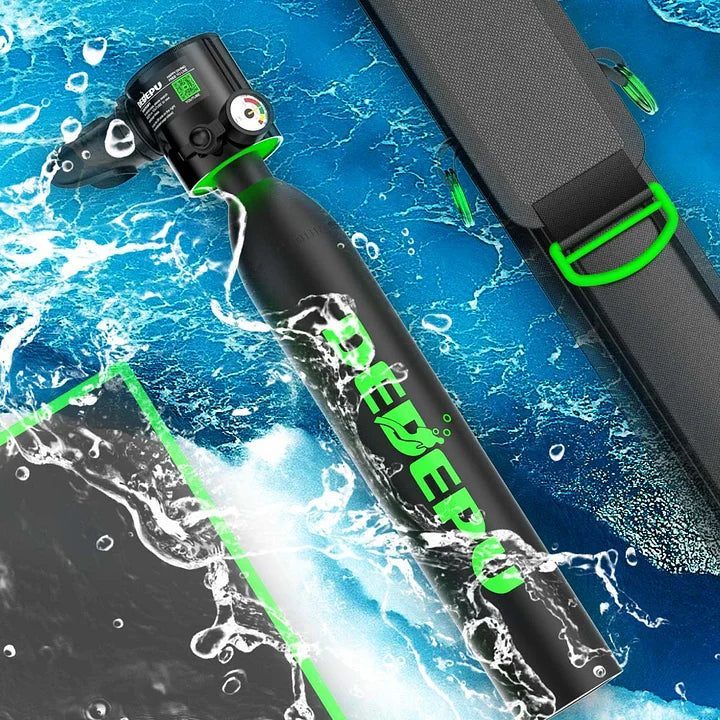
Typical rental prices for snorkel sets run about $5–$25 per day. A solid mid-range set (mask, snorkel, fins) costs roughly $80–$150, sometimes up to $200.
Do the math and you hit a crossover point fast: after about 5–7 days of use, buying usually beats renting on cost alone. That’s just two week-long beach trips if you’re in the water most days.
But cost isn’t the only factor in this rent vs store travel gear costs equation:
- Hygiene: Studies and surveys show 28–60% of travelers worry about sanitation with rental gear. Some shops only rinse in saltwater, which removes maybe 60–70% of bacteria. Eye infections and other issues aren’t rare.
- Fit: Around 42% of rental users report discomfort from ill-fitting masks. Generic sizes mean roughly a third of adults can’t get a perfect seal, which leads to leaks and constant adjustments.
- Airline trade-off: A snorkel set weighs about 2.5–4.5 lbs and can eat up 30–40% of a carry-on. That’s not nothing.
My rule here:
- If you snorkel less than 3 days per year or once every few years → rent. Bring antibacterial wipes and maybe your own mouthpiece cover to reduce the ick factor.
- If you expect 5–7+ snorkel days in the next 5 years → buy your own mask and snorkel, and decide on fins case by case. The comfort and hygiene alone are worth it.
Scuba gear: own the critical pieces, rent the heavy ones
Full scuba setups are a different beast. Renting a complete kit often runs $30–$60 per day or $200–$400 per week (source). Buying everything can cost $500–$2,000+ upfront, plus annual servicing.
For frequent flyers, the smart move is usually a hybrid strategy:
- Own: mask, snorkel, maybe fins, and often a dive computer. These are fit-critical and relatively light.
- Rent at destination: BCD, regulator, tanks, weights. They’re heavy, bulky, and airlines love to charge for them.
Destination shops in places like Cozumel, Bonaire, or the Great Barrier Reef usually have well-maintained, location-appropriate gear. Renting there also lets you test different brands before committing to a big purchase.
When would I buy a full setup and haul it?
- You dive very frequently (think: multiple trips per year, liveaboards, or local diving at home).
- You’re picky about performance and already know exactly what you like.
- You’re willing to pay for annual servicing (regulators alone can run $50–$200 per year).
If that’s not you, own the small stuff, rent the rest, and keep your luggage (and stress) lighter.
3. Ski & Snow Trips: Rent the Bulk, Own the Essentials
Snow gear is where the rent, store, or haul
question gets loud. Skis, boards, boots, helmets, clothing—it’s a lot of volume and weight. And airlines know it.
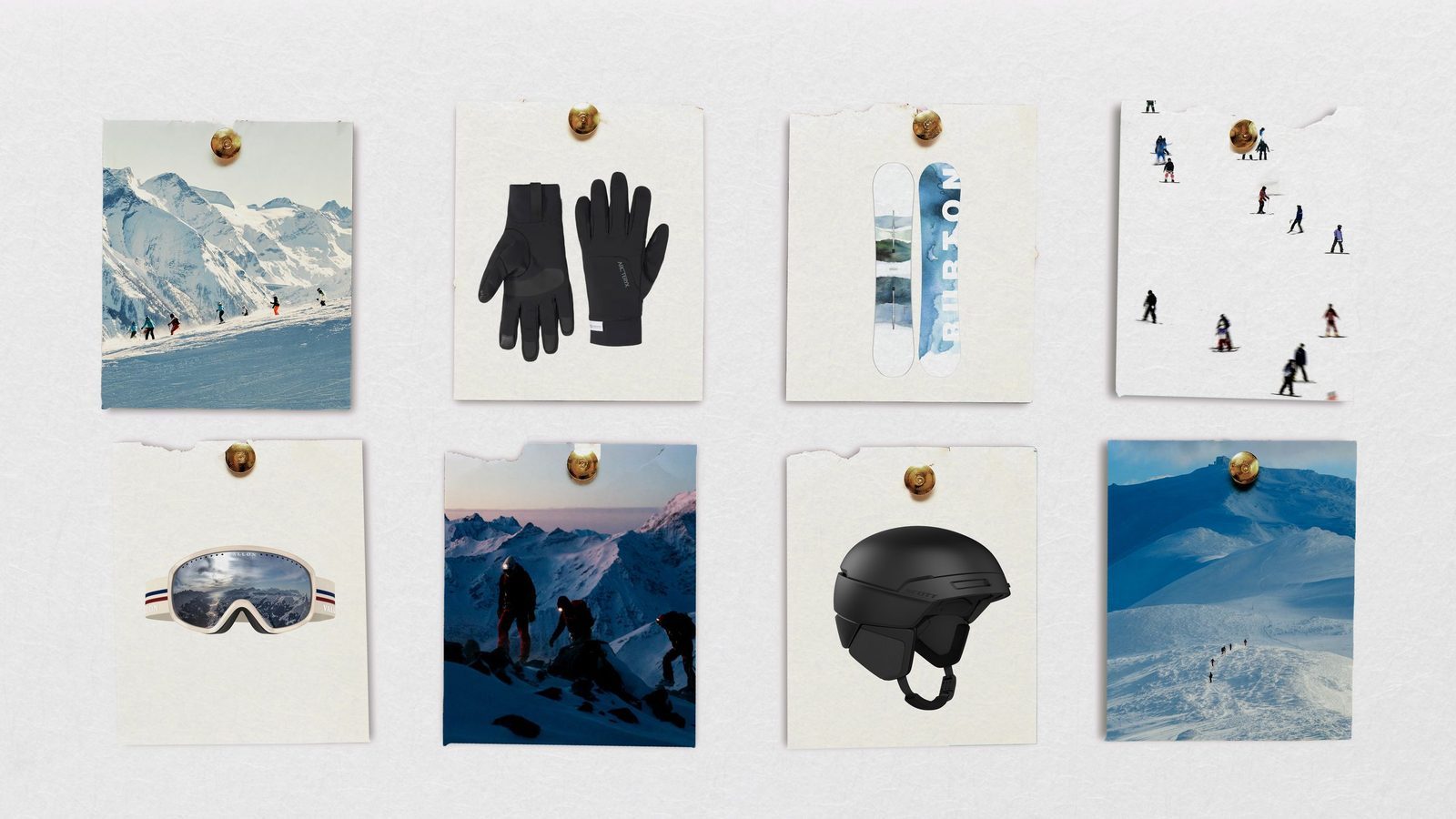
Here’s how I break it down when I’m weighing luggage storage vs checked bag fees and the cost of hauling gear between trips.
Occasional skiers: rent almost everything
If you ski or ride once a year or less, or you’re still figuring out whether you even like it, renting is your friend:
- Lower upfront cost: No need to drop hundreds on gear you might use three days a year.
- Zero storage: No skis in your hallway, no boots molding in a closet.
- Flexibility: Good shops will size you properly, adjust bindings, and even swap skis/boards based on conditions.
- Travel ease: You fly with a normal suitcase and pick up gear at the resort or a local shop.
Booking rentals in advance at a reputable local shop (not just the crowded resort desk) saves time and usually gets you better-tuned gear.
Frequent or committed skiers: own the high-impact pieces
Once you’re skiing multiple times per season, the math flips. Rental costs add up, and the fit compromises get old fast.
Most experienced skiers and riders follow a simple upgrade path:
- Buy boots first: Boots are the most critical for comfort and control. Custom-molded boots that actually match your feet are a game-changer.
- Add a helmet: For hygiene and safety, owning your own helmet is a no-brainer.
- Then skis/board: Once you know your style (all-mountain, powder, park), owning your own setup saves time and gives you consistency.
This hybrid approach is echoed in multiple ski guides: start with boots and helmet, then build out as your commitment grows (source).
What about hauling vs. shipping vs. storing?
Once you own gear, you still have three choices:
- Haul it on flights: Works if you’re okay with oversized baggage and occasional fees. Good for road trips or direct flights where you control the bags.
- Ship it: Services like Ship Skis, Lugless, and SendMyGear will pick up from your home and deliver to your lodging. You pay for convenience, but you skip airport chaos.
- Store it near the mountain: Some resorts and shops offer seasonal storage or valet-style services. If you return to the same area often, this can be cheaper than repeated shipping and less hassle than flying with it.
My rule of thumb:
- If you ski one big trip per year to different places → own boots/helmet, rent skis/board and clothing at the destination.
- If you ski multiple times per season in the same region → consider storing your full setup near the mountain.
- If you’re doing back-to-back trips (e.g., two resorts in one region) → shipping once can beat multiple airline fees.
4. Camping & Outdoor Adventures: Don’t Buy a Garage if You Live in a Carry-On
Camping and outdoor gear is where frequent flyers often overbuy. Tents, stoves, coolers, sleeping pads, backpacks—it adds up fast, both in money and cubic feet.
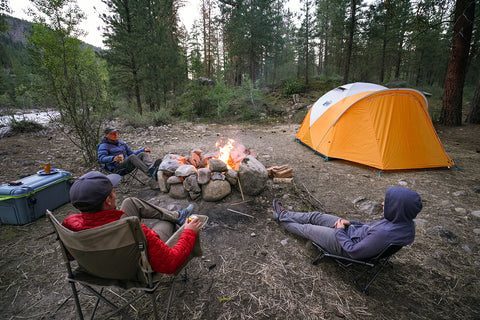
Here’s the uncomfortable truth: if you live in a small apartment and fly to most of your adventures, you probably shouldn’t own a full car-camping setup. A smarter travel gear cost comparison usually points toward renting more than you think.
When renting outdoor gear makes more sense
Renting shines in a few scenarios:
- You camp once or twice a year at most.
- You don’t have a garage, basement, or dedicated gear closet.
- You’re flying to your destination and don’t want to check a giant duffel of gear.
- You’re trying a new activity (backpacking, paddleboarding, mountain biking) and don’t know if it’ll stick.
Rental shops often provide well-maintained, modern gear and handle all the cleaning and repairs. You also get the underrated bonus of local knowledge: staff can tell you which routes, campsites, or trails are actually worth your time (source).
When owning is worth it
Buying starts to make sense when:
- You camp or backpack more than 2–3 times per year.
- You care about specific gear (ultralight tents, custom-fit packs, particular sleeping pads).
- You have somewhere dry and safe to store it.
But even then, I’d still think in layers:
- Own: personal-fit items (backpack, boots, sleeping bag if you’re picky about warmth and cleanliness).
- Rent: bulky, destination-specific items (tents, stoves, coolers, bear canisters) when you’re flying.
Remember: every big item you own has a hidden cost—storage and maintenance. A poorly stored tent or sleeping bag can lose 30–50% of its lifespan. If you’re not going to baby it, renting might actually be cheaper in the long run.
5. Clothing & Soft Gear: The Surprising Case for Renting Jackets and Pants
Most of us instinctively buy clothing and rent hard gear. But for snow trips, that’s not always the smartest move—especially if you’re flying and don’t ski often.
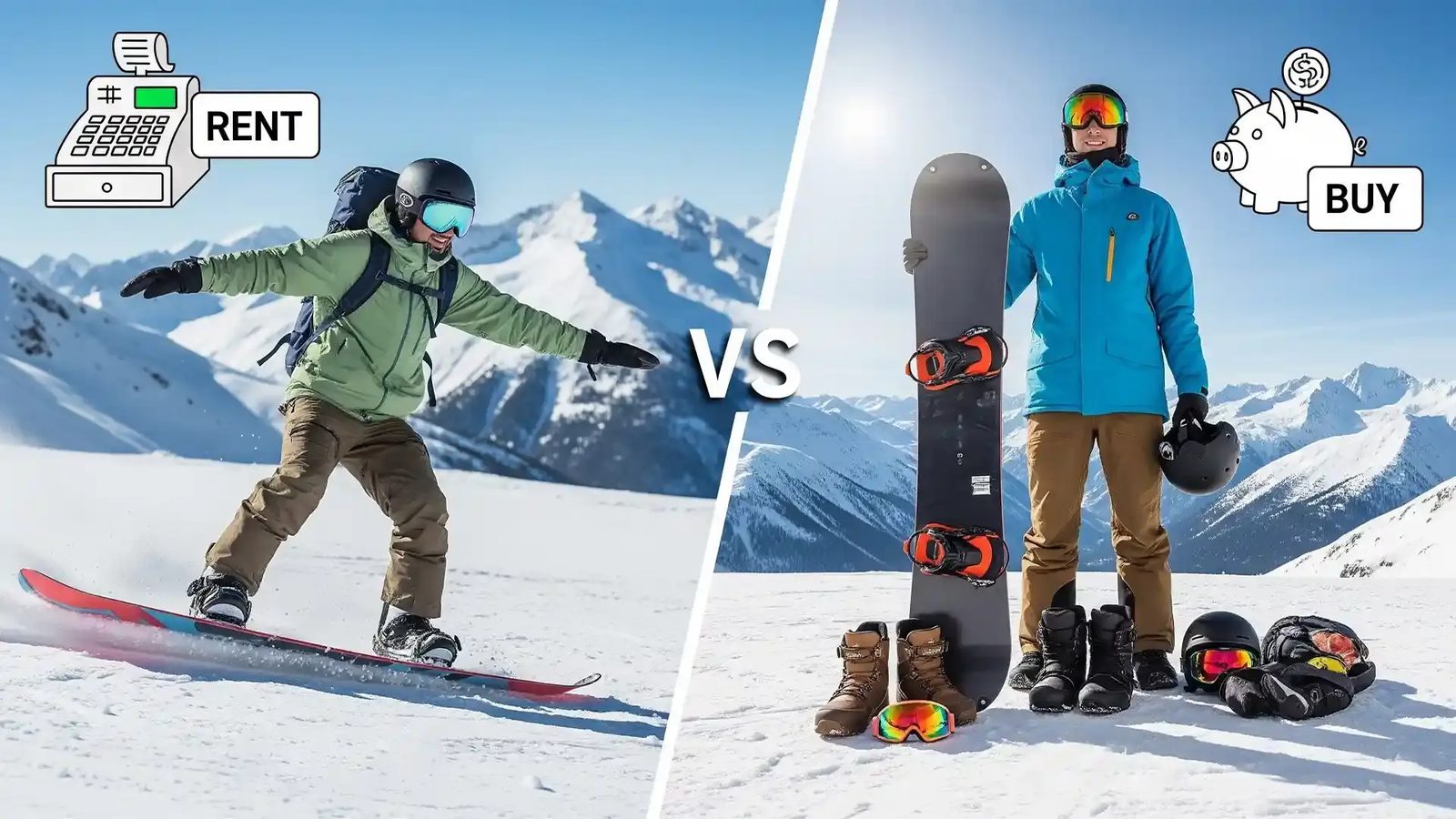
Several ski clothing services now rent full outfits: jackets, pants, gloves, even goggles. And the logic is compelling if you’re trying to avoid baggage fees frequently and keep your packing lean.
- Cost: If you ski fewer than ~5 days per season, renting high-quality clothing can be cheaper than buying mid-range gear that sits in a closet.
- Kids: Children outgrow clothing fast. Renting each season avoids the annual
new jacket, new pants
cycle. - Travel: Flying with bulky winter gear is annoying. Renting at the destination means your suitcase stays normal-sized.
- Tech & style: Rentals often stock current-season gear, so you get newer waterproofing and insulation without committing.
When do I still buy?
- If I’m skiing multiple trips per season.
- If I want a specific fit or technical feature (e.g., backcountry touring shells).
- If I’ll also use the jacket in my everyday winter life at home.
If you live in a warm climate and only see snow on vacation, renting clothing is a very underrated move—and a big help in a carry on only vs checked bag cost decision.
6. High-End Camera Gear: The Buy-Then-Resell Hack
Telephoto lenses, underwater housings, binoculars—these are classic trip-only
items. You don’t need them every month, but when you do, you really want the good stuff.
Most people default to renting. That’s fine for short trips. But for longer journeys, the math gets weird.
Example: a high-end telephoto lens might cost, say, $2,000 to buy. Renting it for a week could be a couple hundred dollars. For a six-week trip, rental fees can approach or even exceed the cost of buying.
Some travelers have discovered a smarter play:
- Buy the lens before the trip at full price.
- Use it for the entire trip with no time pressure or return logistics.
- Resell it afterward on the used market.
Because high-quality lenses and certain gadgets hold their value reasonably well, the net cost (purchase price minus resale price) can be lower than renting—especially for long trips (source).
When does this buy-then-resell strategy make sense?
- The item is expensive to rent for your trip length.
- It has a strong used market (camera lenses, binoculars, some specialty electronics).
- You’re comfortable with the small risk of damage or slower resale.
When does renting still win?
- Your trip is short (a week or less).
- You don’t want to deal with selling afterward.
- The gear is fragile and you’re worried about damage or theft.
Either way, don’t just assume renting is cheaper. Run the numbers for your specific trip length and compare this to your other travel gear rental vs ownership cost decisions.
7. The Airline & Storage Reality Check: Hidden Costs That Quietly Decide for You
Even if the purchase price vs. rental math says own it
, two other forces can flip the decision: airline policies and storage constraints.
Airline baggage: the silent tax on your gear habit
About 63% of major airlines charge extra for sports equipment. Oversized bags, extra checked items, and overweight fees can quickly erase any savings from owning gear.
Ask yourself:
- How many flights per year will I realistically take this gear on?
- What are my usual airlines’ policies on sports equipment?
- Can I pack this item inside my normal luggage, or will it need its own bag?
If your gear consistently triggers extra fees, that’s effectively a recurring rental tax you’re paying to the airline instead of a shop. This is where a smart frequent business traveler packing strategy can save real money.
Storage: the rent you pay even when you’re not traveling
Every big item you own has a monthly cost, even if you never use it: the space it occupies.
If you’re in a small apartment, that might mean:
- Paying for a storage unit.
- Living with gear in your living room or under your bed.
- Storing things poorly (damp closets, hot attics), which shortens their lifespan by 30–50%.
When I’m on the fence, I literally ask: Is this item worth the square footage it will occupy for the next 3 years?
If the answer is not really
, I rent—or I look into long term luggage storage for travelers near the destination instead of at home. That way I’m not paying twice: once in rent, once in clutter.
8. A Simple Decision Grid You Can Reuse for Any Gear
To make this practical, here’s the quick decision grid I use for any big travel item—snorkel set, skis, tent, lens, you name it. It’s my go-to smart packing strategy for frequent flyers and keeps me honest about what I really need to own.
- Estimate usage in days over the next 3–5 years.
- 0–5 days → lean rent.
- 5–15 days → consider hybrid.
- 15+ days → lean own.
- Check rental costs at your usual destinations.
- Multiply daily/weekly rates by your expected usage.
- Compare that to purchase price + any maintenance.
- Add airline and storage costs.
- Estimate baggage fees per trip if you haul it.
- Factor in storage (even if it’s just the annoyance of living with it).
- Look up airport luggage storage pricing if you might stash bags between flights.
- Identify fit/hygiene-critical items.
- Boots, helmets, masks, backpacks, anything that touches your face or feet.
- These are usually worth owning earlier, even if you rent the rest.
- Decide your strategy:
- Rent if total cost + hassle is clearly lower and you’re not committed long-term.
- Own & haul if you use it often and airline/storage costs are manageable.
- Own & store near destination if you return to the same region frequently.
- Buy-then-resell for expensive, long-trip, high-resale items (like lenses).
The goal isn’t to own nothing or everything. It’s to own the right things—and let rentals, storage, and shipping handle the rest.
Once you start applying this framework trip by trip, you’ll notice something: your bags get lighter, your gear gets better, and your travel budget quietly stretches further. That’s the real win in any travel gear cost guide.