
I love hacking flight prices. I also really hate sleeping on airport floors because a “clever” connection blew up in my face.
If you’ve ever thought, What if I just book these legs separately? It’s 40% cheaper…
this guide is for you. We’ll look at when separate tickets and DIY connecting flights genuinely save money—and when they quietly set you up for a missed connection and a very expensive day.
1. The Core Trade-Off: Savings vs Protection
Let’s start with the big picture: separate tickets vs through-tickets is really about money vs safety net.
- Through-ticket (single booking / one PNR): All flights are on one ticket. The airline (or alliance) is responsible for getting you to your final destination if something goes wrong with a connection.
- Separate tickets (DIY connections): Each leg is its own contract. If your first flight is late and you miss the second, that’s on you. The second airline sees a no-show, not a delayed connection.
On a through-ticket, if your first flight is delayed, the airline usually:
- Rebooks you on the next available flight to your final destination
- May provide meals or a hotel (depending on region, rules, and delay length)
- Checks your bags all the way through to the end
On separate tickets, you’re often looking at:
- No free rebooking on the missed flight
- Walk-up, last-minute fares if you need a new ticket
- Checked bags you must collect and re-check between flights
So why do people still book separate legs? Because the cost of booking separate flight legs can be dramatically lower. Mixing a cheap long-haul with a low-cost regional hop can easily shave 30–40% off the total price. But you’re buying that discount with risk.
My rule of thumb: the more expensive and important the trip, the more I lean toward a protected through ticket. The more flexible and low-stakes the trip, the more I’m willing to gamble on DIY connecting flights.
2. When Separate Tickets Can Save 40% (and Actually Make Sense)
There are plenty of situations where separate tickets aren’t just cheaper—they’re actually a smart strategy.
- Major hub + regional low-cost combo. Fly a full-service airline into a big hub (London, Singapore, Tokyo), then use a budget carrier to hop to your final destination. This is a classic move in Europe and Southeast Asia and a common way of finding cheap flights with self transfer connections.
- Short-haul, domestic, or budget routes. On many short routes, especially with low-cost carriers, one-way pricing is competitive. Booking each leg separately lets you mix airlines and times for the best deal.
- Uncertain return dates. Not sure when you’re coming back? Separate one-ways let you lock in the outbound and decide on the return later without touching the first ticket.
- Intentional stopovers. Want 3 days in Reykjavik on the way to Europe? Or a week in Tokyo en route to Southeast Asia? Separate tickets give you full control over where and how long you stop, instead of forcing you into tight connections.
- Points and upgrades. Sometimes it’s easier to redeem miles or apply upgrades to a major hub, then pay cash for a cheap regional flight onward. You can treat the long-haul as one trip and the regional hop as another.
On complex international or open-jaw trips, though, a multi-city through-ticket can actually be cheaper than stitching together one-ways. Airline alliance pricing and special multi-region fares often beat DIY, especially on full-service carriers. You also get consistent baggage rules and through ticket protection for connections across the whole itinerary.
Want to see how this plays out in real itineraries? Check out this breakdown on multi-city fares: Trip.com’s guide.
How I decide: I always price out three options side by side:
- Simple round-trip
- Multi-city through-ticket
- Separate one-ways / DIY connections
I only consider DIY once I’ve done a basic separate vs through ticket cost comparison and the separate option is clearly cheaper after baggage and fees.
3. The Hidden Risks of DIY Connections (That Don’t Show in the Price)
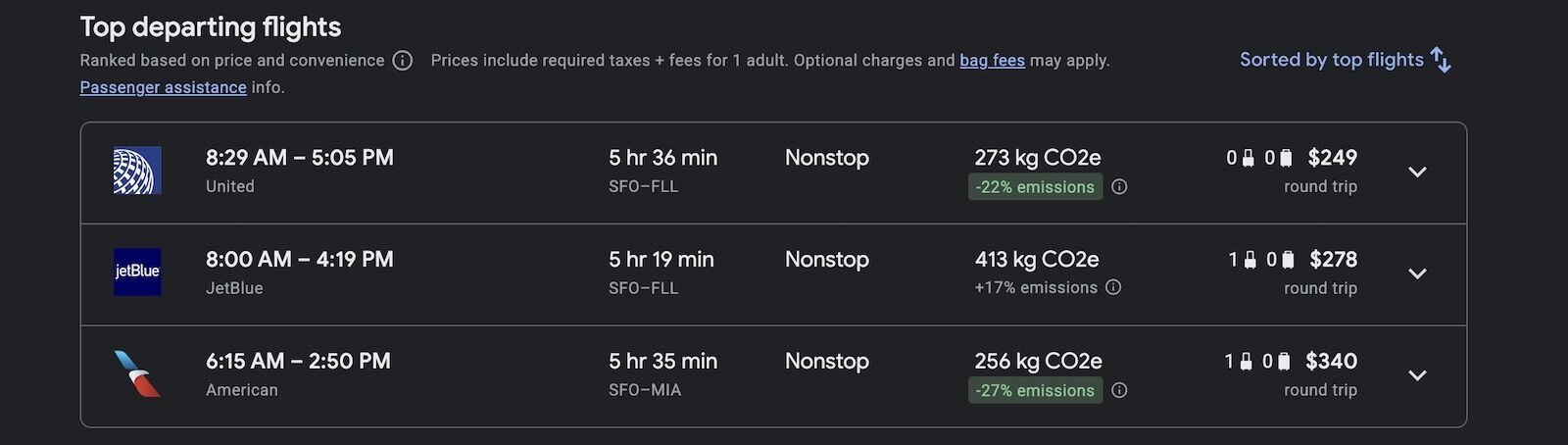
DIY connections look cheap on the search page. The risk is buried in the fine print—and in what happens when things go wrong.
Here’s what you’re really taking on when you self-connect on separate tickets vs through ticket bookings:
- No protection on missed connections. If your first flight is delayed, the second airline doesn’t care that you were “connecting.” They just see a no-show. A missed connection on separate tickets usually means buying a new ticket at whatever price is available.
- Bag roulette. Through-checking bags on separate tickets is not guaranteed, even on the same airline. Often you must:
- Clear immigration
- Wait at baggage claim
- Re-check your bag
- Go through security again
- Immigration and proof-of-onward-travel issues. Arriving on a one-way ticket can trigger questions. Some countries and airlines want to see proof you’re leaving. If your onward flight is on a separate ticket, you need that confirmation handy and easily accessible.
- Short layovers become dangerous. A 60-minute connection might be fine on a protected through-ticket. On separate tickets, that same 60 minutes can be suicidal once you factor in bags, immigration, and security.
- Strict low-cost carrier rules. Many budget airlines have tight check-in cutoffs and harsh no-show policies. Miss the cutoff by 5 minutes and you’re buying a new ticket. No exceptions, no sympathy.
There’s also a legal angle: contracts of carriage often explicitly say they’re not responsible for anything that happens on separate tickets. In regions like the EU, compensation rules are much clearer when your whole journey is on one ticket.
My mental model: every separate ticket is a separate trip. If the first one fails, the second one doesn’t care. That’s the core risk of DIY flight connections in one sentence.

4. How Much Time Do You Really Need Between Separate Tickets?
This is where most DIY itineraries go off the rails. People plan layovers as if they’re on a protected connection. They’re not.
When I’m on separate tickets, I plan the connection backwards from the second flight:
- Check-in / bag drop cutoff: often 45–60 minutes before departure (longer for international). I treat 60 minutes as the absolute minimum.
- Security time: 20–45 minutes, depending on airport and time of day.
- Baggage claim: 20–40 minutes after landing.
- Immigration: 10–60+ minutes, wildly variable by airport and time.
Add those up and you’ll see why a 2-hour “connection” on separate tickets can be terrifying at a busy hub. This is one of the most common flight connection mistakes to avoid.
My personal minimums for separate tickets (assuming checked bags and immigration):
- Domestic–domestic, same airport: 3 hours
- Domestic–international or international–domestic: 4–5 hours
- International–international with immigration in between: 4–6 hours
If I’m carrying only a backpack and staying airside (no immigration, same terminal), I might shave an hour off. But I only do that when I know the airport well and the airlines involved.
Pro move: treat long layovers as mini-stopovers. Go into the city, have a meal, or book a lounge. If you’re going to build in a 5-hour buffer, you might as well enjoy it instead of just stressing at the gate.

5. Round-Trip vs Two One-Ways: Which Is Cheaper Now?
There’s a persistent myth that two one-ways are always cheaper
or that round-trips are always the best deal.
Neither is universally true.
Recent data from U.S. routes shows that, on average, round-trips are about one-third cheaper than buying two separate one-ways on the same airline and route. One study found round-trips averaging $291 vs $432 for two one-ways on comparable itineraries.
But there are important nuances in this separate vs through ticket cost comparison:
- By airline: Some carriers heavily discount round-trips; others price more flexibly and treat one-ways more fairly.
- By route: Short hops (like LAX–SFO) often show the biggest percentage savings for round-trips. Long-haul routes still favor round-trips, but the gap can be smaller.
- By day: Midweek departures (Tuesday/Wednesday) often maximize round-trip savings.
On the flip side, one-ways shine when:
- You’re using points and miles, especially with airlines that price awards per segment.
- You want to mix airlines (e.g., one carrier outbound, another inbound) to exploit specific deals.
- You need flexibility to change or cancel just one direction without touching the other.
My booking habit: I always run both scenarios in a search tool:
- Round-trip price on Airline A
- Two one-ways on Airline A
- Two one-ways mixing Airline A/B/C
Sometimes the round-trip wins by a mile. Sometimes a clever mix of one-ways on different carriers beats everything else. The only way to know is to compare, not assume.

6. Group Bookings, Third-Party Sites, and Other Pricing Traps
Even once you’ve decided between separate tickets and a through-ticket, there are two more traps that can quietly cost you hundreds: group pricing and where you book.
Group tickets: why buying 4 seats at once can cost more
Airlines sell seats in fare buckets. On a given flight, there might be 3 seats left at $200, then the next 10 seats at $260.
If you search for 4 seats at once and only 3 are left at $200, the system usually bumps all four to the $260 bucket. You pay $1,040 instead of $860 + $260.
How I handle this:
- Search for 1 passenger first to see the lowest fare.
- Then search for your full group. If the price jumps, you know you’re hitting a higher bucket.
- Book the cheaper seats one by one until the single-ticket price matches the group price.
- Then book the remaining seats together at the higher fare.
Yes, it’s a bit of work. But for families or groups, this simple tweak can save serious money.
Third-party sites vs booking direct
Third-party platforms (Booking.com, Expedia, etc.) often show fares that are 20%+ cheaper than booking direct. On some long-haul routes, that can mean hundreds of dollars saved and a tempting budget strategy booking separate flights through an online agency.
Why? They:
- Buy seats in bulk
- Bundle flights with hotels/cars
- Tap into global distribution systems with special fares
But there’s a catch: if something goes wrong, you’re dealing with the third-party’s customer service, not the airline’s. Changes, refunds, and disruptions can become a three-way headache.
My approach:
- Use third-party sites to find good itineraries and benchmark prices.
- Then check the same flights on the airline’s own site.
- If the third-party is only slightly cheaper, I usually pay a bit more to book direct for easier support.
- If the third-party is dramatically cheaper and the trip is low-risk, I might take the deal—but I read the change/cancellation rules very carefully.
7. A Simple Checklist: Should You Risk Separate Tickets?
When I’m tempted by a cheap DIY connection, I run through this quick checklist. You can literally copy-paste this into your notes app and use it before you book.
Only consider separate tickets if most of these are true:
- I can travel with carry-on only, or I’m okay with long layovers to deal with baggage.
- I’ve built in at least 3–5 hours between flights (more for international or unfamiliar airports).
- The savings are at least 25–40% vs a through-ticket, even after baggage and seat fees.
- I’m not on a tight schedule (wedding, cruise departure, important meeting, last train of the day).
- I understand that if I miss the second flight, I’ll likely have to buy a new ticket at the day-of price.
- I’ve checked visa/immigration rules and I’m prepared to show proof of onward travel if asked.
- I’m comfortable managing my own rebooking if things go wrong, or I have separate ticket missed connection insurance that clearly covers self-transfer risks.
Lean toward a through-ticket if:
- The trip is expensive or time-critical.
- You’re checking bags and changing countries.
- You’re connecting through airports you don’t know well.
- You want clear protection under EU or similar passenger rights rules.
- You don’t want to argue about airline responsibility on separate tickets at a crowded airport desk.
In other words: use separate tickets as a tool, not a default. When they work, they’re brilliant. When they don’t, they’re brutal—especially on long haul flights with separate tickets and tight margins.
If you’re about to book a risky-looking DIY connection and want a sanity check, walk through this article again with your exact flights in mind. Ask yourself: Am I really saving money—or just pre-paying for stress?