I love a cheap long-haul ticket as much as anyone. But I also hate gambling my entire trip on a “deal” I don’t fully understand. That’s exactly what happens when you start playing with stopovers and separate tickets.
Sometimes two (or even three) flights really do cost less than one long-haul. The trick is knowing when that’s smart arbitrage and when it’s just saving money by taking on airline risk
.
So when I’m tempted to book two trips instead of one long haul, here’s how I actually think it through.
1. Are You Booking a Protected Stopover or a Risky Self-Transfer?
The first question is simple: Is this one ticket or several?
On a single ticket (a through-ticket or multi-city booking), every flight sits under one reservation. If your first leg is delayed and you miss the second, the airline (or ticketing carrier) usually has to get you to your final destination. That’s a protected connection.
On separate tickets, each leg is its own contract. Miss the second flight because the first one was late? That’s on you. You’re just a no-show. As App Savvy Traveller and Skiplagged explain, this is what people call a self-transfer or virtual interlining.
Here’s how I quickly tell the difference between a protected stopover and a risky self-transfer:
- One booking reference (PNR) and one e-ticket number covering all legs → usually a protected itinerary.
- Multiple booking references, multiple payments, or different booking sites → you’re on separate tickets.
- Tools like Kiwi, Skyscanner, or some OTAs showing “self-transfer” or “protected transfer” labels → read the fine print; that “protection” is often limited or insurance-based, not the same as a through-ticket.
My rule of thumb: if I can’t clearly see that it’s one ticket, I assume it’s not protected.

Takeaway: Before you get excited about the price, confirm whether your “connection” is actually a self-transfer on separate tickets. The risk profile is completely different.
2. When Do Two Separate Tickets Actually Save Real Money?
Airline pricing is weird on purpose. That’s why separate tickets can beat a single long-haul fare by hundreds of dollars.
From digging through fares (and from sources like Airglitch and Trip.com), I see the same patterns over and over when comparing stopover vs separate ticket strategies:
- Expensive long-haul + cheap regional leg
Example: New York → Dubai is pricey, but Dubai → Colombo or Dubai → Kathmandu on a low-cost carrier is cheap. Booking those as separate tickets on long haul flights can undercut a single NYC → Colombo ticket. - Mixing budget and full-service airlines
Fly a full-service carrier on the long-haul, then a low-cost airline for the final hop. This combo often doesn’t appear on a standard through-ticket or multi-city search. - Roundtrip vs one-way arbitrage
Sometimes two one-ways (even on different airlines) beat a roundtrip. Other times, a multi-city ticket is cheaper than two separate one-ways. You have to compare both multi city vs separate flights cost to see which side wins. - Hub hacks
Flying into a major hub (Dubai, Singapore, Bangkok, Kuala Lumpur, Barcelona, Milan, Oslo, Reykjavik) and then buying a separate regional ticket can be dramatically cheaper than a single ticket to your final small city.
Here’s how I test this in practice when I’m trying to save on long haul airfare:
- Search the full route on one ticket (e.g., LAX → BKK) and note the price.
- Search to a logical hub (LAX → Tokyo, LAX → Singapore, LAX → Dubai).
- Search hub → final destination separately on low-cost and regional carriers.
- Add all-in costs: baggage, seat fees, transfer time, and any potential overnight hotel.
If the saving is under ~15–20%, I usually don’t bother with separate tickets unless I really want a deliberate stopover. If it’s 30–50% cheaper, then I start asking: Can I manage the risk?
Takeaway: Separate tickets make sense when they exploit a clear pricing gap—usually by using a cheap hub or mixing airlines—not just when they’re $40 cheaper.
3. How Much Risk Can You Tolerate If Things Go Wrong?
This is the uncomfortable part. With separate tickets, you are the backup plan.
On a single ticket, if your first flight is delayed, the airline typically rebooks you on the next available flight to your final destination. On separate tickets, as CoverTrip and AirlinePolicies stress, you’re just a no-show on the second leg. You’ll likely have to:
- Buy a new ticket at walk-up prices.
- Fight for any partial refund or credit on the missed flight (often unsuccessful on non-refundable fares).
- Rebuild your itinerary on the fly.
So I ask myself three blunt questions before I accept the self transfer flight risks:
- How critical is my arrival time?
Wedding, cruise departure, important meeting, tight tour schedule? I avoid separate tickets or I build in huge buffers and sometimes even an overnight. - Can I afford to buy a last-minute replacement ticket?
If the answer is “not really,” I treat separate tickets as a luxury I can’t afford, no matter how cheap they look upfront. - What’s the disruption season?
Winter storms, monsoon season, peak summer chaos, or a strike-prone airline? I assume higher odds of delay and lean toward protected itineraries.
There’s also the stress cost. Some people are fine with a bit of chaos. Others want a simple, predictable travel day. Be honest about which one you are.
Takeaway: Separate tickets are a risk trade. You’re swapping airline protection for a lower fare and more flexibility. Only do it if you can absorb a worst-case scenario without wrecking your trip or your budget.
4. Can You Actually Make the Connection You’re Planning?
Most people underestimate how long a self-transfer really takes. On separate tickets, you often have to:
- Deplane and walk to immigration.
- Clear passport control (if international).
- Wait at baggage claim and collect your bag.
- Exit to arrivals and find your airline’s check-in area.
- Check in again (often 45–60 minutes before departure).
- Clear security again.
- Walk to the gate, sometimes in another terminal.
That’s why sources like Skiplagged and CoverTrip recommend generous buffers when planning a self-transfer instead of a protected stopover:
- Domestic self-transfer: I aim for 3 hours minimum.
- International self-transfer: 4–6 hours is more realistic, especially with checked bags or terminal changes.
- Overnight if I absolutely must not miss the onward flight (cruise, safari, tour start).
Then I look at the specific airport and its minimum connection time for self transfer in practice:
- Is it a single compact terminal or a sprawl of terminals connected by buses/trains?
- Do I need a transit visa just to re-check in? (This catches people out in places like the US, UK, and some Asian hubs.)
- What’s the published Minimum Connection Time (MCT) for that airport and airline? I add at least an hour on top of that for self-transfers.
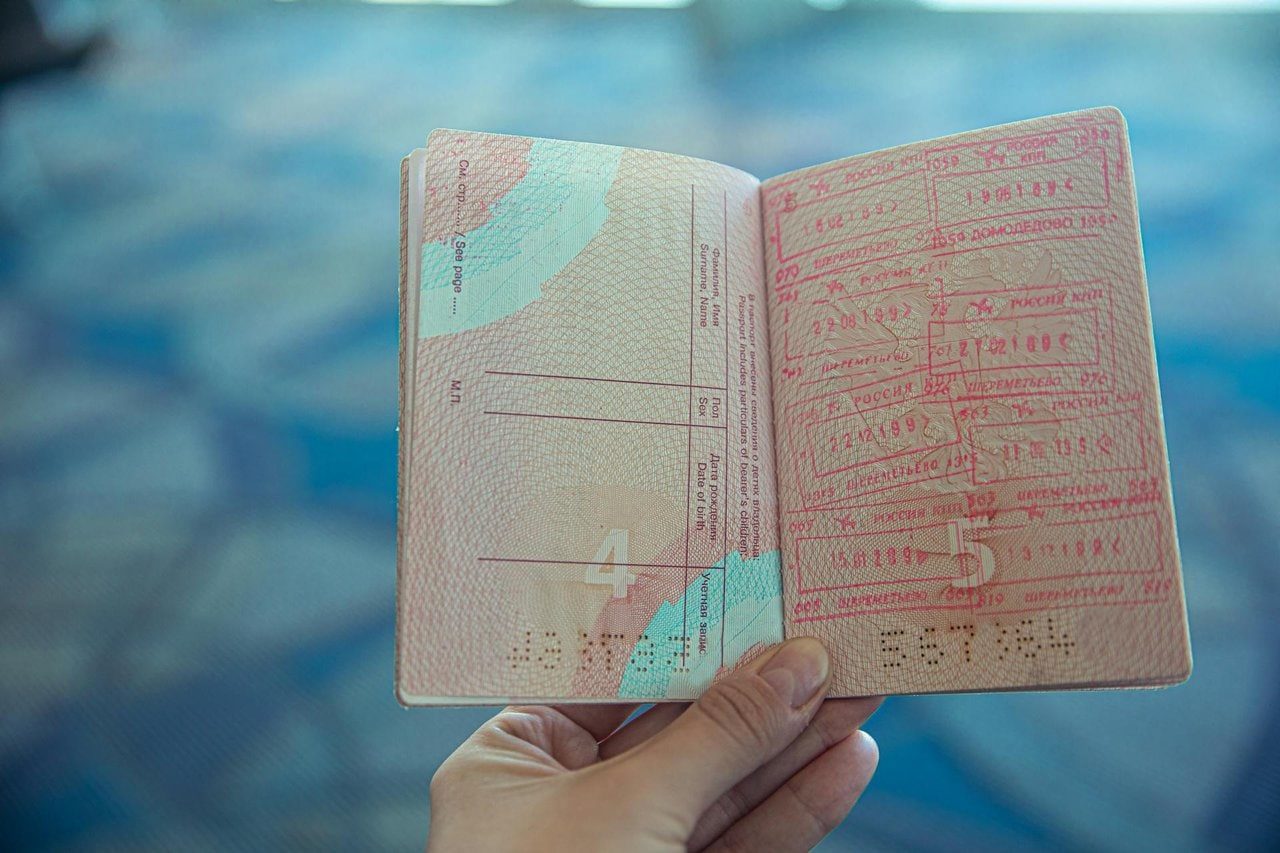
One more thing: overnight self-transfers can be brilliant. You get a built-in buffer and a mini city break. But factor in:
- Hotel cost and airport transfers.
- Visa/entry requirements.
- Whether your bags will be checked only to the first city (usually yes on separate tickets).
Takeaway: If your self-transfer plan only works when everything runs perfectly on time, it’s not a plan. It’s a wish.
5. Are Your Bags Going to Ruin the Savings?
Baggage is where many “cheap” separate-ticket itineraries quietly become expensive. This is one of the big hidden costs of separate flight tickets that people forget to price in.
On a single ticket, your bags are usually checked through to your final destination, and you follow one set of baggage rules. On separate tickets, as CoverTrip and AirlinePolicies note:
- Airlines often won’t through-check bags to another ticket, even on the same carrier.
- You may pay separate baggage fees on each leg, especially with low-cost carriers.
- You must collect and re-check bags, which eats into your connection time.

My personal rules when I’m tempted by separate tickets and trying to keep separate tickets baggage and check in under control:
- Best case: Travel with carry-on only. This instantly makes self-transfers safer and faster.
- If I must check a bag:
- I add at least an extra hour to whatever layover I thought was enough.
- I check each airline’s baggage fees and size limits before booking.
- I keep essentials (meds, one change of clothes, valuables) in my carry-on in case a bag goes missing.
Also, watch out for different baggage rules on the same trip. A full-service airline might include a checked bag; the low-cost carrier on your second leg might charge heavily for even a small suitcase. That can wipe out your savings and skew any cost comparison stopover vs through ticket you did at the start.
Takeaway: If your separate-ticket plan only works by pretending baggage doesn’t exist, it’s not a real saving.
6. Should You Use a Stopover on One Ticket Instead?
There’s a middle ground between a simple direct flight and risky separate tickets: stopovers on a single ticket.
Many airlines and alliances quietly allow you to add a stopover (a stay of more than 24 hours) in their hub city on one ticket, sometimes for a small fee, sometimes almost free. As MightyTravels explains, this can even be cheaper than buying two separate one-ways because of how connecting fares are priced.
Why I like stopovers on one ticket when I’m weighing stopover vs separate ticket options:
- You keep connection protection across the whole itinerary.
- Your bags are usually checked through (unless you choose to short-check them).
- You get to see an extra city without taking on self-transfer risk.
Some airlines even market this: free hotel nights, city tours, or discounted stopover packages in their hub. It’s worth checking the airline’s own site after you find a route on Google Flights or a similar tool.
When I compare options, I usually line up three prices:
- Direct or simple one-stop on a single ticket.
- Single-ticket itinerary with a deliberate stopover.
- Separate tickets with a self-transfer.
Then I ask: Is the extra risk of separate tickets really worth the marginal saving over a stopover on one ticket?
Often, the stopover option is the sweet spot for cheaper long haul flights with stopover without the headache.
Takeaway: Before you commit to separate tickets, see if you can get a similar routing as a stopover on one ticket. You might keep the savings and lose most of the risk.
7. A Simple Checklist Before You Break Your Trip in Two
When I’m about to book two flights instead of one long-haul, I run through this quick checklist. It keeps me from making the classic flight booking mistakes with separate tickets that lead to a separate ticket missed connection problem later.
- Ticket type: Do I clearly understand whether this is one ticket or multiple? If multiple, am I okay with zero protection between them?
- Price gap: Is the saving at least 20–30% after baggage, seats, and possible hotel costs?
- Timing: Do I have 3+ hours (domestic) or 4–6+ hours (international) between separate tickets, or an overnight if the trip is critical?
- Baggage: Can I go carry-on only? If not, have I checked fees and allowed enough time to re-check bags?
- Visas & entry: Do I need a visa or transit visa to enter the country for my self-transfer or stopover?
- Backup plan: If I miss the second flight, do I have the money and flexibility to buy a new ticket and adjust plans?
- Alternative: Have I checked for a stopover on one ticket that gives me similar savings with less risk?

If I can’t confidently tick most of these boxes, I usually pay more for a protected itinerary and sleep better.
In the end, using stopovers and separate tickets is less about finding a cheap flight
and more about deciding how much risk you’re willing to own. When you understand that trade, two flights can absolutely cost less than one long-haul—without your trip turning into a very expensive lesson.