

I don’t want the cheapest trip. I want the smartest one.
Sometimes that means grabbing a rock-bottom fare and dealing with a lumpy hostel mattress. Other times it means paying extra for a direct flight or a quiet room so I don’t lose a full day to jet lag and exhaustion.
The real question on any budget trip isn’t just cheap vs expensive
. It’s the trade-off between time vs comfort when your money is limited. Where you splurge—and where you deliberately save—decides whether your trip feels smooth or like a self-imposed endurance test.
Here’s how I think through those trade-offs, step by step, so you can build your own rules instead of guessing every time you book.
1. Start With Your Non‑Negotiables (Before You Open Any Booking Site)
Most people start with prices. I start with what I refuse to suffer through.
If you don’t define comfort up front, it’s easy to get seduced by words like charming
and central
and forget that what you actually need is darkness, quiet, and a decent mattress. That’s how you end up in a cute but noisy room above a bar, wondering why you’re wrecked by day three.
From research and years of budget travel, a few patterns keep showing up:
- Comfort and low cost can coexist if you focus on what affects rest: cleanliness, noise, layout, AC/heating, and walkability—not fancy extras.
- Travelers who pre‑define their needs (quiet, late check‑in, walkable area, desk, microwave, etc.) regret fewer bookings and sleep better.
So before you look at a single price, write down your non‑negotiables for this specific trip:
- Sleep needs: Do you absolutely need silence? Blackout curtains? Your own room? AC or heating you can control?
- Energy level: Are you okay with long transit days, or do you burn out fast and need slower, shorter days?
- Work or calls: Do you need reliable Wi‑Fi and a desk, or is this a pure vacation where you can unplug?
- Mobility: Are stairs, long walks, or multiple transfers a problem for you or anyone you’re traveling with?
Then draw a line:
Anything below this line, I will pay more to avoid.
That line is your anchor. It keeps you from chasing the absolute cheapest option that quietly ruins your trip. It’s the foundation of any smart time vs comfort budget travel plan.
2. Flights: Nonstop vs Layovers – When Is Time Worth 25% More?
This is the classic time vs money decision. Nonstop flights are usually more expensive. Layovers are cheaper but cost you time, energy, and sometimes sanity.

Here’s what the numbers usually look like:
- Nonstops often cost around 25% more than flights with layovers, though in 2024 that gap is sometimes down to 5–10% on competitive routes.
- Nonstops can save up to 30% of total travel time on long‑haul routes.
- Connecting via certain hubs (especially in Asia and the Middle East) can still undercut direct flights by up to 30%.
So when do I personally splurge on the nonstop instead of the cheap flight with a long layover?
- Short trips (under 7 days): If I lose half a day each way to awkward layovers, that’s a big chunk of my trip gone. I usually pay more for the nonstop.
- High‑stakes arrivals: Weddings, work events, tight itineraries. I want fewer moving parts and less risk of missed connections or lost bags.
- Red‑eye flights: If a nonstop overnight lets me sleep and arrive functional, that’s worth serious money to me.
When do I embrace the layover?
- Long trips (2+ weeks): I can absorb a longer travel day to save a few hundred dollars.
- Flexible schedule: If I don’t care when I arrive, I’ll trade time for savings.
- Bonus city: A 6–24 hour stopover in a city I actually want to see can feel like a free mini‑trip.
My rule of thumb for the nonstop vs cheap connection decision:
If the nonstop is under ~15% more and saves 4+ hours door‑to‑door, I usually take it.
Once the price difference climbs, I start asking: what could I do with that money instead? Extra nights? A better hotel? A special experience I’ll actually remember?
3. Seat Comfort: Economy vs Extra Legroom vs Premium – The Middle Ground
Most of us can’t justify business class on a budget trip. That doesn’t mean we’re stuck in the worst possible seat every time.
There’s a middle ground between misery and madness:
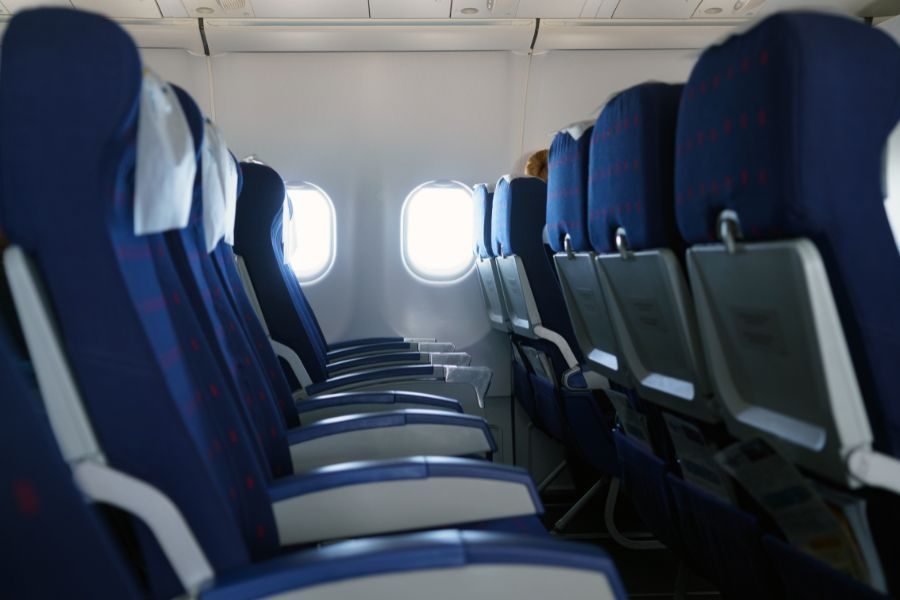
- Extra‑legroom / Economy Plus: Often a modest surcharge for noticeably more comfort on long flights.
- Premium Economy: Wider seats, better recline, sometimes better food and priority boarding, at a fraction of business‑class prices.
- Overnight flights: If I can sleep decently in a slightly better seat, I don’t need a lie‑flat bed.
When I splurge on seat comfort:
- Flights over 8 hours: I’ll seriously consider extra legroom or Premium Economy, especially if I need to be functional on arrival.
- Back/health issues: If my body will punish me for a cramped seat, that’s not a luxury, it’s a health decision.
- Red‑eyes before a busy day: Paying to arrive rested can be more valuable than a nicer hotel that I barely enjoy because I’m exhausted.
When I save:
- Daytime flights under 5–6 hours: I’ll take regular economy, choose an aisle, and bring my own comfort gear (neck pillow, layers, snacks).
- When the upgrade costs more than a night’s accommodation: I’d rather put that money into a better room or an experience on the ground.
Ask yourself: Is this extra comfort for 8–12 hours worth more to me than comfort for 3–4 days at my destination?
The answer will change trip by trip, and that’s okay.
4. Location vs Lodging: Central & Cramped or Slightly Out & Comfortable?
This is where a lot of budget travelers quietly overpay. They chase the perfect location
and then suffer through noisy, tiny, or grim rooms because at least it’s central
.

From both research and experience, a few things stand out:
- Staying slightly outside the tourist core is often cheaper, quieter, and still convenient if transit is good.
- People overpay for
Instagrammable
views and proximity to one or two attractions that don’t actually improve sleep or reduce stress. - Independent hotels and guesthouses can offer better service and comfort than big brands at the same or lower price.
Here’s how I decide between a central but cramped room and a more comfortable place a bit farther out:
- Map my real movements. Am I actually going to be in the old town all day, or bouncing between neighborhoods? A place near a major transit hub can beat a place next to one famous square.
- Calculate total daily cost. A cheaper room 20–30 minutes away might require daily transit or taxis. I add that to the room price before deciding.
- Check rating‑to‑price ratio. I’d rather take an 8.4/10 place that’s clean, quiet, and functional at a good price than a 9.5/10 boutique spot that eats my entire budget.
When I splurge on location:
- Very short stays: One or two nights? Being able to walk everywhere can be worth paying more.
- Late arrivals / early departures: I’ll pay extra to be near the station/airport or on a direct transit line.
- Safety & mobility: If I’m arriving late, traveling solo, or have mobility issues, I prioritize safe, well‑lit, easy access.
When I save on location:
- Good transit city: If the metro or buses are reliable, I’m happy to stay in a quieter, cheaper neighborhood.
- Longer stays: Over a week, the savings from a slightly less central place can be huge.
The key question: Do I want to pay to be near the sights, or pay to sleep well? Ideally you get both, but if you can’t, choose consciously. That’s where smart budget trip cost vs convenience decisions really pay off.
5. Hotel Type: Budget, Boutique, or Luxury – What Are You Really Paying For?
Not all comfort is created equal. A lot of what we call luxury
is really about service and status, not basic human comfort.

Roughly, here’s what you’re choosing between:
- Budget hotels / guesthouses: Focus on essentials: bed, shower, Wi‑Fi, maybe breakfast. Some newer budget brands quietly upgrade the game with better mattresses, smart TVs, and decent coffee.
- Boutique / mid‑range: More character, better design, often better locations and slightly more attentive service.
- Luxury: High staff‑to‑guest ratio, personalized service, premium amenities, curated experiences.
Research shows that service quality is a major driver of guest satisfaction and repeat stays. But it’s worth asking yourself:
Do I want to pay for someone to remember my name and fold my towels into swans, or do I just want a quiet, clean room and a great mattress?
When I splurge on nicer accommodation:
- Trip is about rest: If the whole point is to recharge, I’ll invest in a place I actually want to spend time in.
- Special occasions: Anniversaries, honeymoons, milestone birthdays. I’ll cut costs elsewhere to make the stay memorable.
- Long stays: Over 5–7 nights, a better room, good desk, and reliable Wi‑Fi can transform the experience.
When I save:
- Activity‑heavy trips: If I’m out all day and only using the room to sleep and shower, I don’t need a spa and rooftop bar.
- Solo travel: I often choose well‑reviewed budget or boutique places and put the savings into food and experiences.
One powerful tactic: look for independent hotels and guesthouses with strong reviews. They often deliver more genuine comfort and service than big chains at the same price point because they rely on satisfaction, not brand recognition.
6. Time vs Money on the Ground: Transit, Food, and Daily Decisions
Even if you nail flights and hotels, you can still bleed time and cash every day with small choices: taxis vs public transit, tourist restaurants vs local spots, paid tours vs DIY. This is where a lot of budget travel comfort mistakes happen—death by a thousand tiny decisions.
Here’s how I think about it:
Transport
- Public transit: Usually cheaper and often faster in big cities. It also gives you a better feel for local life.
- Taxis / rideshares: Worth it late at night, with heavy luggage, or when transit is confusing or unsafe.
- Walkability: A walkable base can save both money and time. I’ll pay a bit more for that.
My rule: If a taxi saves me less than 20–30 minutes and costs 5–10x more than transit, I usually skip it unless safety or exhaustion is a factor.
This same logic applies to bigger choices too: long layover vs expensive flight, or overnight bus vs daytime train cost. If the cheaper option wrecks the next day, it’s not really cheaper.
Food
- Tourist strips: You pay for convenience and English menus, not necessarily quality.
- Local spots: Markets, street food, and family‑run restaurants are usually cheaper and more interesting.
I’ll splurge on a few standout meals I’m genuinely excited about, then eat simply and locally the rest of the time. Comfort here is about not stressing over every bill, not eating the absolute cheapest thing at all times.
Activities
- Pay for what you can’t DIY: Unique experiences, hard‑to‑access places, or things that require expertise.
- DIY the rest: Walking tours, public viewpoints, free museums, parks.
Ask: Will I remember this in a year?
If yes, it might be worth the splurge. If not, maybe that money belongs in your emergency buffer or your next trip.
7. Build a Simple Decision Framework for Every Trip
Instead of re‑arguing with yourself every time you book, create a simple framework you can reuse and tweak. Think of it as your personal budget travel planning cost guide.
Here’s a version you can steal and adapt:
- Set your total budget + 10–15% buffer.
This buffer is for missed connections, medical issues, or last‑minute changes. It buys peace of mind and keeps you from panicking when something goes wrong. - Rank your priorities for this trip:
For example: 1) Sleep quality, 2) Time on the ground, 3) Food, 4) Activities, 5) Flight comfort. Your spending should follow that order. That’s how you decide when to splurge on a budget trip and when to save money while traveling. - Decide your default stance:
- Flights:
Default to layovers unless nonstop is <15% more and saves 4+ hours.
- Seats:
Default to economy; upgrade only on flights >8 hours or red‑eyes before busy days.
- Hotels:
Default to mid‑range or strong budget with great reviews; splurge only when the hotel is part of the experience.
- Flights:
- Make exceptions consciously, not emotionally.
If you break your own rule, write down why. For example:I’m paying extra for this nonstop because I land and go straight into a work meeting.
That one sentence keeps you honest and turns your choices into a clear budget trip decision making framework.
The goal isn’t to never splurge. It’s to splurge on purpose.
8. The Real Question: What Are You Actually Optimizing For?
Every budget trip is a negotiation between three things:
- Money – what you can realistically spend without wrecking your life back home.
- Time – how many days you have and how much of that you’re willing to sacrifice to transit and logistics.
- Comfort – how much physical and mental discomfort you’re willing to tolerate.
Most people say they’re optimizing for cheap
, but that’s not really true. They’re optimizing for value without having defined what value means to them.
So before your next trip, ask yourself:
- Is this a trip where I want to maximize experiences, or minimize stress?
- Where does comfort matter most to me: in the air, in the room, or in how much time I actually have on the ground?
- What am I willing to trade to get that? More money? Less comfort? A longer travel day?
Once you’re honest about those answers, the decisions—nonstop vs layover, cheap flight vs direct flight, hostel vs hotel, taxi vs metro, overnight bus vs daytime train—stop feeling random. You’re no longer just saving money
or treating yourself
. You’re designing a trip that fits you.
That’s the real upgrade: knowing exactly when to splurge, when to save, and why.