

I don’t really care if a flight looks “cheap” anymore. I care what it costs once all the quiet little extras crawl out of the woodwork.
If your trips keep landing 20–30% over budget, it’s usually not because you misjudged the flight or hotel. It’s everything that wraps around them. In this total trip cost breakdown, I’ll walk through the hidden travel expenses that routinely blow up budgets, how much they actually add, and how I plan for them from day one.
1. The Real Cost of Flying: Your Ticket Is Just the Cover Charge
When I look at a fare now, I don’t ask, Is this cheap?
I ask, What will this really cost me by the time I’m in my seat?
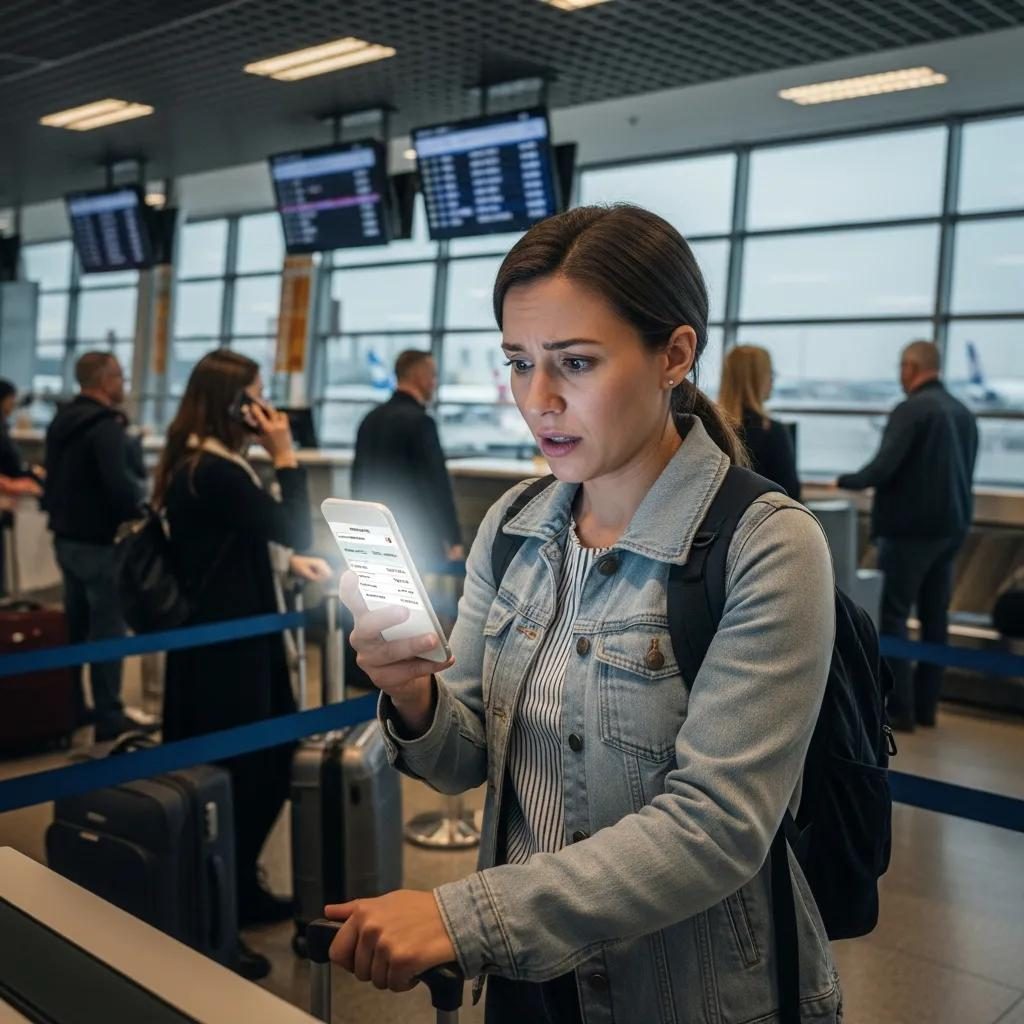
Airlines have turned the base fare into a teaser. The real price hides in the add-ons and surprise travel charges:
- Checked bags: Often $30–$40 each way per bag on mainstream airlines; much more on ultra-low-cost carriers.
- Carry-on bags: Sometimes charged on basic or budget fares, especially on low-cost airlines.
- Seat selection: $10–$60+ per seat, per flight segment, even for standard seats.
- Change/cancellation fees: On restrictive fares, these can creep close to the cost of a new ticket.
- Onboard extras: Wi‑Fi, food, drinks, entertainment, and even payment surcharges.
Now multiply that by a family of four on a round-trip with connections. That “$250 fare” can quietly turn into a $450–$500 effective ticket once you add:
- 1 checked bag each way per person
- Seat selection so everyone sits together
- Snacks and drinks on board
How I budget it:
- I assume $60–$100 per person, per round-trip in airline extras for standard carriers, more for ultra-low-cost airlines.
- I compare airlines by total trip cost, not just the base fare. A slightly higher fare that includes bags and seats often wins.
- For short flights, I usually skip paid seat selection and accept random seats. The savings add up fast.
If you want a deeper look at how these hidden travel expenses stack up, this breakdown from a travel agent’s perspective is eye-opening: The Hidden Costs of Booking Alone.
2. Getting to and From the Airport: The First Budget Leak
Most people budget for the flight and forget the cost of simply reaching the plane. That’s often where the first travel budget mistakes show up.
Here’s what I now treat as non‑negotiable line items in any realistic trip budget planning:
- Airport parking: Long-term parking often runs $10–$25 per day. A 7‑day trip can quietly add $70–$175.
- Rideshares/taxis: For a couple or family, each airport run can be $40–$80 depending on distance and city.
- Airport food & drinks: Prices are easily 2–3x normal. A quick meal and coffee for two can hit $30–$40 without trying.
On a typical week-long family trip, I now assume:
- $100–$200 for airport access (parking or rideshares)
- $40–$80 for airport food and drinks, unless we pack snacks
How I control it:
- I compare parking vs rideshare for my dates and times. Sometimes a rideshare both ways is cheaper than a week of parking.
- I treat airport meals as a
tax on poor planning
. If I don’t want to pay it, I eat before and pack snacks. - For longer trips, I look at off‑airport parking with shuttles, which can cut the daily rate significantly.
3. Hotels, Resorts & Vacation Rentals: The Nightly Rate Is a Mirage

Accommodation is where budgets quietly explode. The headline rate is almost never the final number, especially if you’re not watching for overlooked trip costs like resort fees and parking.
Here’s what I now assume will show up on top of the room or nightly rental price:
- Resort/destination fees: Common in places like Las Vegas, Orlando, Hawaii, and big cities. Often $20–$50 per night, per room.
- Local taxes: City, tourist, or environmental taxes that can add another 10–20% to the bill.
- Parking: Urban and resort hotels often charge $20–$50 per night.
- Wi‑Fi: Some hotels still charge for in‑room Wi‑Fi unless you’re in their loyalty program.
- Authorization holds: $50–$100 per night temporarily frozen on your card. Not a fee, but a cash‑flow trap if your limit is tight.
Vacation rentals (Airbnb, VRBO, etc.) come with their own set of surprise travel charges and fees:
- Cleaning fees: Can be as much as a full night’s stay.
- Service fees: Often 14–16% of the booking.
- Extra guest fees: Per-person charges beyond a base occupancy.
- Early/late check‑in fees: If your flight times don’t line up.
Put simply, a “$200 per night” hotel can easily become $260–$300 once you add resort fees, taxes, and parking. A “$150 per night” rental can jump 20–30% after cleaning and service fees.
How I budget it:
- For hotels, I add a 20–30% buffer on top of the advertised nightly rate to cover taxes, fees, and parking.
- For vacation rentals, I always click through to the final price before I mentally commit. The nightly rate is just marketing.
- I search
Hotel Name + resort fee
before booking, or use platforms that show the total price with fees.
If you want a detailed breakdown of how these hidden travel expenses inflate family trips, this guide is worth a read: Hidden Costs Guide for Families.
4. Rental Cars & Local Transport: The Quote vs. Reality Gap

Rental car quotes are notoriously optimistic. The number you see online is rarely the number you pay at the counter, which is why any complete travel cost guide has to include the fine print here.
Here’s what usually gets added:
- Airport concession fees: Often 10–30% of the base rental cost.
- Insurance upsells: Collision damage waivers and add‑on coverage that can double or triple the daily rate.
- Extra driver fees: Charged per day, per additional driver.
- Car seats: Daily charges that add up quickly for families.
- Toll programs: Daily “convenience” fees plus the tolls themselves.
- Refueling charges: Premium prices if you don’t return the car full.
Even if you skip the rental car, local transport still adds up:
- Ubers/taxis: $20–$50 per day in many tourist cities for a couple or family.
- Transit passes: Great value, but still a line item you need to plan for.
- Parking & tolls: Especially in cities or on road trips.
How I budget it:
- For rental cars, I assume the final cost will be 25–40% higher than the initial quote once taxes and fees are added.
- I check my auto insurance and credit card coverage before the trip so I know exactly which rental insurances I can decline.
- For city trips, I set a daily line item of $20–$50 per day for local transport, depending on the destination.
If you’ve ever been ambushed by rental counter insurance, this overview is a good reality check: Hidden Travel Fees That Make Trips More Expensive.
5. Money, Cards & Currency: The Invisible 3–8% You Never See
Most people track what they spend in foreign currency. Almost nobody tracks what they lose converting it. That’s where a lot of forgotten travel costs hide.
Here’s where the quiet leaks happen:
- ATM fees: Your bank + the foreign bank can easily take $5–$10 per withdrawal.
- Foreign transaction fees: Often 3% on every card purchase if you’re not using a no‑FX‑fee card.
- Bad exchange rates: Airport kiosks and some banks bake in a poor rate that can cost you another few percent.
Over a $1,000 spend abroad, it’s easy to lose $30–$80 just to friction. On a longer or more expensive trip, that number climbs fast.
How I budget it:
- I assume a 3–5% “currency friction” cost on all foreign spending unless I’ve optimized everything.
- I use at least one no‑foreign‑transaction‑fee card and a bank that refunds ATM fees when possible.
- I avoid airport exchange kiosks unless it’s an emergency and treat their rate as a convenience fee, not a bargain.
For a deeper look at how these small percentages add up in a full vacation cost calculator, this breakdown is useful: The Hidden Costs of Travel Most Budgets Miss.
6. Daily Life on the Trip: The “Oh Well, We’re on Vacation” Trap
This is the category that feels harmless in the moment and brutal when you add it up later. It’s rarely one big purchase; it’s the slow drip.
Typical culprits:
- Extra drinks & snacks: A couple of cocktails or coffees a day can add $20–$40 without blinking.
- Spontaneous tours & activities: A last‑minute boat trip, museum, or theme park add‑on can be $50–$200.
- Convenience purchases: Sunscreen, umbrellas, chargers, and water at hotel or airport prices (often 2–3x normal).
- Tipping: In tipping-heavy cultures, this can shift your total cost by $100–$200 on a longer trip.
These aren’t “bad” expenses. They’re often the things that make the trip fun. The problem is pretending they don’t exist when you build your travel expense breakdown.
How I budget it:
- I add an “opportunity fund” of 10–15% of my total trip budget for spontaneous fun.
- I pack a small kit of high‑markup essentials: sunscreen, a reusable water bottle, basic meds, a compact umbrella, and a spare charger.
- Before I go, I spend 5 minutes checking local tipping norms so I’m not guessing at every meal.
7. Digital & Phone Costs: The Subscriptions and Roaming You Forget
Digital costs are easy to ignore because they don’t always show up during the trip. They show up after, when the bill arrives and you realize those “few texts” weren’t so cheap.
Things I now watch for:
- Mobile roaming: Using your phone abroad without a plan can generate shocking bills.
- International data packages: Often reasonable, but still a line item.
- Local SIMs/eSIMs: Usually cheaper, but you still pay—and you need to plan for it.
- Travel apps, VPNs, guide services: Many auto‑renew after the trip if you don’t cancel.
How I budget it:
- I assume $30–$80 for phone/data per person on international trips unless I have a specific plan.
- I set calendar reminders to cancel any travel‑only subscriptions the week I get back.
- I download offline maps and guides in advance to reduce data usage.
8. Putting It All Together: A Simple Way to Build a Realistic Trip Budget
So how do you turn all of this into a simple, realistic trip budget that doesn’t fall apart halfway through?
- Start with the obvious: Flights + accommodation at the prices you actually see.
- Add realistic multipliers for hidden travel expenses:
- Flights: +$60–$100 per person for bags, seats, and onboard extras.
- Hotels: +20–30% for taxes, resort fees, and parking.
- Rental cars: +25–40% for fees and taxes.
- Foreign spending: +3–5% for currency friction.
- Layer in daily life: A per‑day amount for food, local transport, and small purchases.
- Add an opportunity fund: 10–15% of the total for spontaneous fun and surprises.
- Check your cash‑flow: Remember authorization holds and deposits that temporarily tie up your credit limit.
The goal isn’t to eliminate every fee. It’s to see them before they see you. Once you start budgeting for the real trip instead of the marketing version, you stop being surprised—and you start making smarter trade‑offs.
Next time you price a trip, try this: take your initial number and deliberately add 20–30%. Then ask yourself, What exactly is in that extra?
If you can name it—bags, resort fees, airport parking, currency friction, daily splurges—you’re finally budgeting for the trip you’re actually going to take.