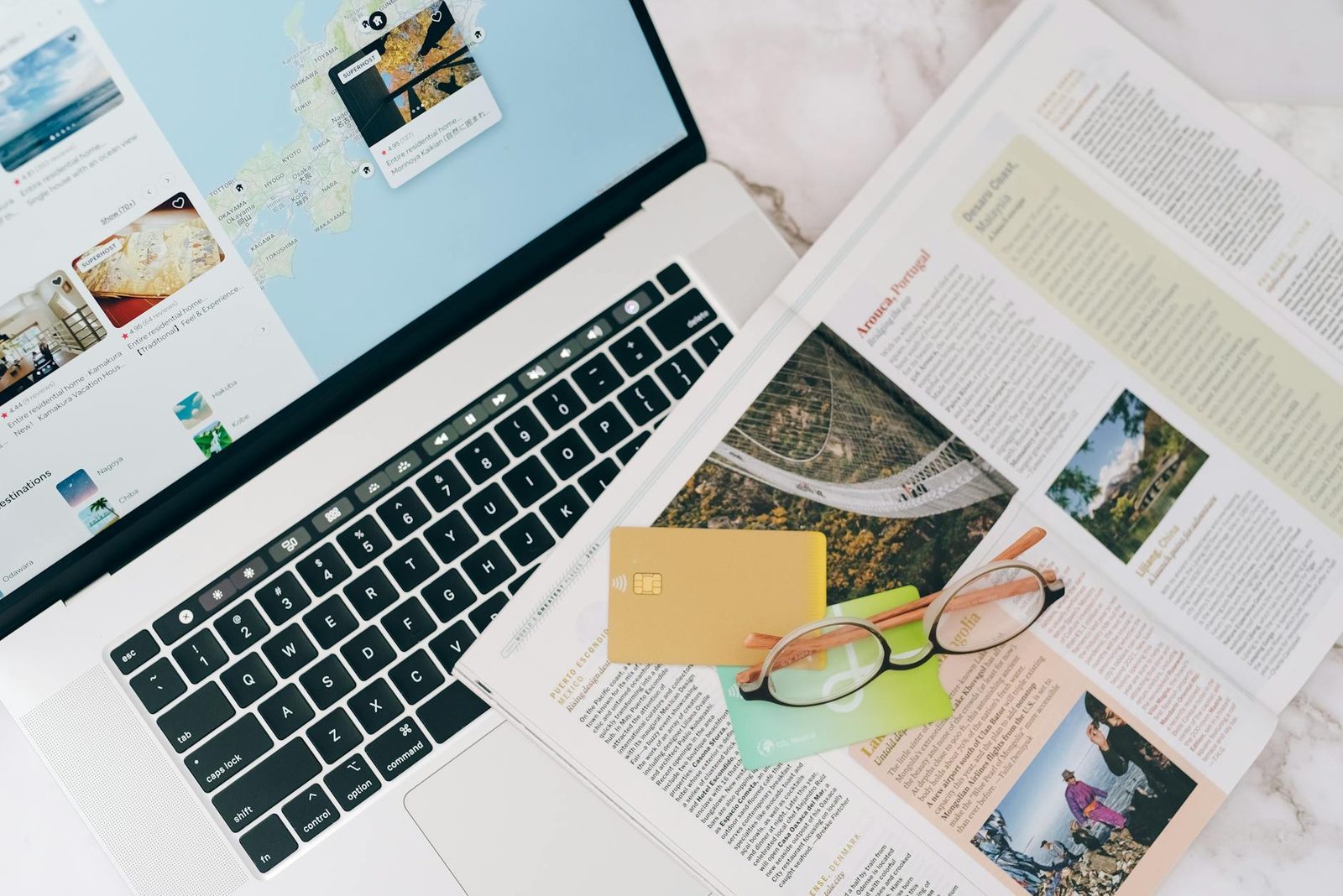

I used to think crowds were just background noise. Annoying, sure, but part of the deal. Now I see them as a choice. Every time I book a trip, I’m deciding how much stress, cost, and compromise I’m willing to live with.
This isn’t an anti-travel rant. It’s a reset. Tourist crowds quietly shape almost everything about your trip—your mood, your memories, even how you feel about a destination once you’re home. When you understand how tourist crowds affect your trip, you can start planning in a way that feels more human and less like you’re being herded.
1. Are You Really Okay With Those Crowds—or Just Telling Yourself You Are?
Most of us underestimate how much crowds will get under our skin. We shrug and say, It’s peak season, it’ll be busy, but it’s fine.
Then we arrive, spend half the day in lines, and feel oddly exhausted by mid-afternoon.
Tourism researchers point out something uncomfortable: crowding is partly in your head. It’s not just the number of people. It’s things like:
- Density – How packed the space feels, not just how many bodies are technically there.
- Behavior – Are people strolling calmly, or are scooters, vendors, selfie sticks, and tour groups all fighting for the same few meters?
- Expectation – Did you picture a quiet hill town and get a theme park, or did you expect chaos and get exactly that?
There’s no universal line where a place becomes too crowded
. Two people can stand in the same square: one feels energized, the other feels trapped. The problem is we rarely ask which one we are before we book.
Try this before you commit to a trip:
- Think of a time you felt overwhelmed in a crowd—concert, festival, rush-hour subway, busy city street. What bothered you most: noise, pushing, or feeling out of control?
- Now drop that feeling into 9 a.m. outside a museum you paid $40 to enter.
- If your shoulders tense just imagining it, you’re probably not a
crowd person
, no matter what you tell yourself.
Once you admit that, your planning shifts. You stop blindly chasing must-see
lists and start thinking about the impact of crowds on your travel experience—and how to design trips that actually feel good while you’re on them.
2. The Hidden Cost of Crowds: Your Time, Mood, and Memory
Crowds don’t just slow you down. They quietly rewrite how you experience a place.
Research on overcrowded destinations shows that when spaces feel packed and behaviors clash—cyclists weaving through pedestrians, aggressive vendors, noisy groups—stress spikes. You move differently. You talk differently. You notice different things.
On the ground, that looks like this:
- Your time evaporates – You queue, shuffle, and wait for your turn at a viewpoint. That’s time you’re not wandering side streets, lingering in a café, or actually absorbing where you are.
- Your mood shifts – You get impatient, defensive, and more focused on logistics than discovery. You start counting lines instead of memories.
- Your memory gets distorted – Months later, you don’t remember the cathedral’s details; you remember elbows, noise, and rush. Many travelers end up
downgrading
destinations astoo touristy
just to make sense of the disappointment.
Interestingly, studies at some UNESCO sites show that when a place’s value is clearly explained and genuinely special, people tolerate more crowding. The site’s meaning and your emotional connection can buffer the stress. But that only works when the experience is well designed—good signage, clear paths, decent crowd management.
Ask yourself before you go: If half your day is spent in lines and bottlenecks, is this still the trip you want? Or are you paying high-season prices for a busy season travel experience that mostly leaves you mildly irritated in a beautiful setting?
3. When Your Dream Trip Is Someone Else’s Breaking Point
There’s another layer we don’t like to think about: your trip doesn’t just affect you. It affects the people who live there all year.
In cities like Barcelona, Venice, Amsterdam, and the Canary Islands, residents are increasingly saying enough
. Not just in policy reports, but in protests, graffiti, and sometimes direct action against tourism they see as out of control.
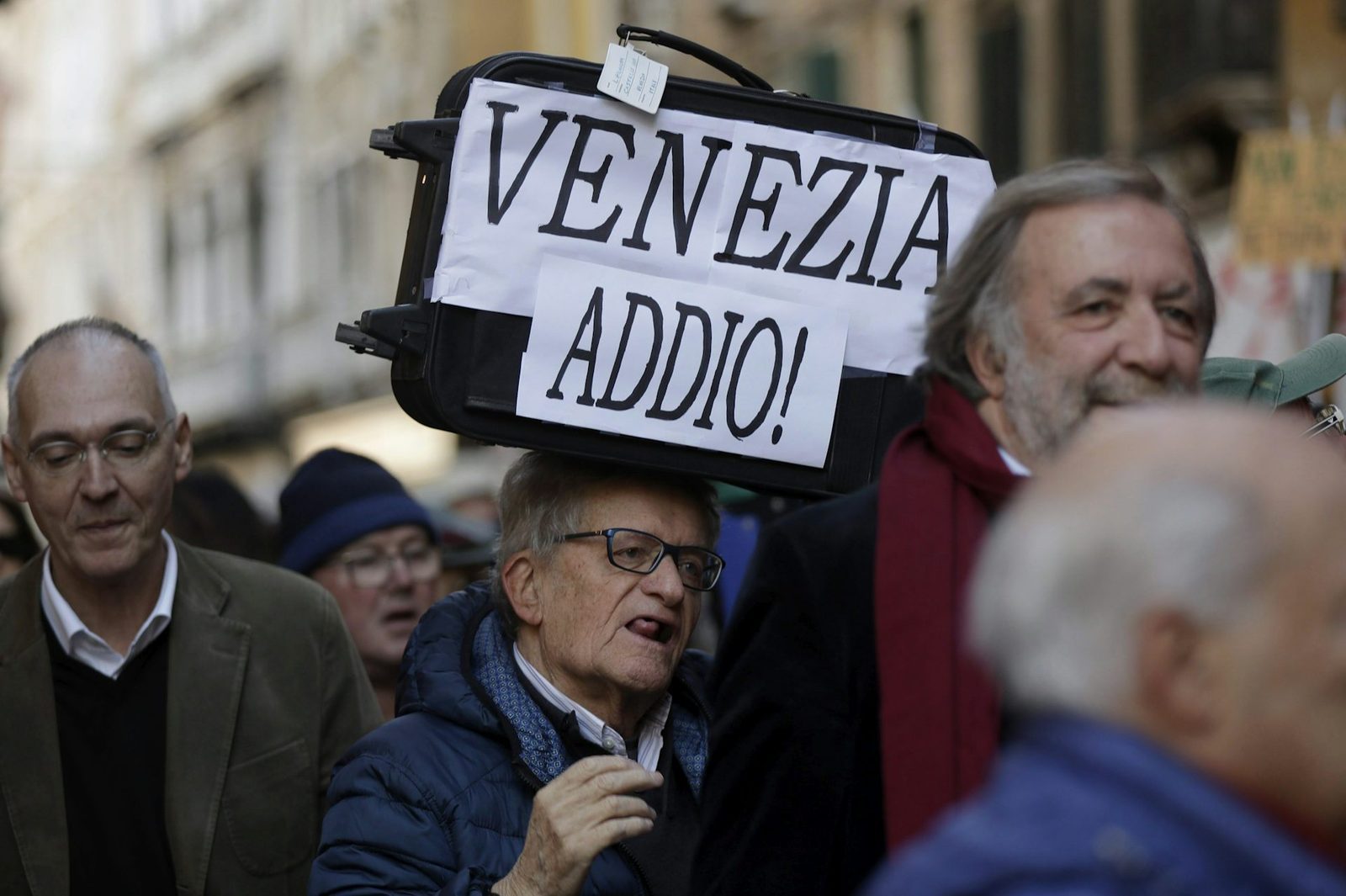
A big part of the tension comes from what researchers call the host–guest covenant. The unwritten deal used to be:
- Tourists mostly stayed in touristic zones.
- Residents kept their neighborhoods, housing, and daily life relatively intact.
Short-term rentals blew that up. Now visitors sleep, party, and roll suitcases through residential streets at all hours. Locals see rents spike, grocery stores replaced by souvenir shops, and their commute clogged with people on holiday.
So when you book that authentic
apartment in a real neighborhood
, you might be stepping into a conflict you can’t see. You’re not just avoiding crowded tourist spots—you might be helping push residents out.
Before you book, consider:
- Is this area primarily residential? Are there signs of local backlash—protests, anti-tourist graffiti, frustrated news articles?
- Could you stay in a hotel or guesthouse in a designated tourist zone instead of a short-term rental in a fragile neighborhood?
- Are you okay with being part of the pressure that might be making someone else’s home harder to live in?
This isn’t about guilt. It’s about awareness. Once you see the tension, you can choose to travel in a way that doesn’t quietly erode the places you say you love.
4. Why We Keep Booking Crowded Places Even When We Hate Crowds
Here’s the paradox: plenty of travelers know a place will be packed and go anyway. Not by accident—by choice.
Why? A few strong forces keep pulling us toward the busiest spots:
- Fear of missing out – You’ve seen the photos a thousand times: Eiffel Tower, Santorini sunsets, Shibuya Crossing. Skipping them feels like failing some unspoken travel exam.
- Validation – Being in a globally recognized place feels like proof you’re doing life
right
. Crowds become a signal:If it’s this busy, it must be worth it.
- Safety in numbers – Busy places can feel safer, especially if you’re traveling solo or for the first time. More people, more infrastructure, more English.
- Rationalization – We tell ourselves,
It’s supposed to be crowded
, as if that cancels out the stress. We normalize discomfort because the destination is iconic.
Researchers have a name for what happens when reality doesn’t match the dream: product shift. You mentally change the product after the fact. Rome was amazing, but wow, so touristy.
That’s your brain protecting you from the feeling that you spent a lot of money on something that didn’t fully deliver.
Try flipping the script:
- Instead of asking,
What’s the most famous place I can go?
ask,What kind of day do I want to have?
Slow? Spontaneous? Quiet? Buzzing? - Then choose destinations and timing that match that feeling, not just the postcard. That might mean shoulder season travel instead of peak season, or picking a second city instead of the capital.
Once you stop using fame as your main filter, a lot of the crowd problem starts to fade.
5. The Four Ways Travelers Cope With Crowds (And How to Use Them Intentionally)
Studies on overcrowded destinations show that travelers tend to respond in four main ways. Most of us do these on autopilot. You can use them on purpose instead.
1. Change the plan
You tweak your route, time, or even destination to avoid the worst of the crowds. This is your strongest tool for avoiding crowds at popular destinations.
- Visit major cities in the shoulder season (April–June, September–October) instead of peak summer.
- Go early morning or late afternoon for big sights; use midday for quieter neighborhoods, markets, or parks.
- Swap one hyper-famous spot for a less crowded place to visit with similar vibes.
2. Rationalize
You tell yourself, This is normal, it’s part of the experience.
Sometimes that’s fair. If you’re at Times Square on New Year’s Eve, crowds are the point. But if you’re constantly rationalizing, it’s a sign your trip design doesn’t match your personality.
3. Product shift
You mentally downgrade the place: Too touristy
, overrated
. It’s a coping mechanism, but also a clue. If you keep saying this about your trips, the problem might not be the world—it might be how you’re planning.
4. Direct action
You complain, leave negative reviews, or, if you live there, join protests. As a visitor, your most constructive direct action
is your booking behavior: where you spend money, when you go, and what you recommend to others.
Use this as a quick check before you book:
- What can I change in my timing or route to avoid the worst pressure points?
- Am I already rationalizing a trip I haven’t taken yet?
- Do my past trips show a pattern of
too touristy
? What needs to change this time—destination, dates, or daily rhythm?
6. Timing Is Your Superpower: How to Shrink Crowds Without Shrinking the Experience
You can’t control how many people want to see Paris or Bali. But you can control when you intersect with them. Timing is the quiet lever that changes everything: price, comfort, and how a place feels.
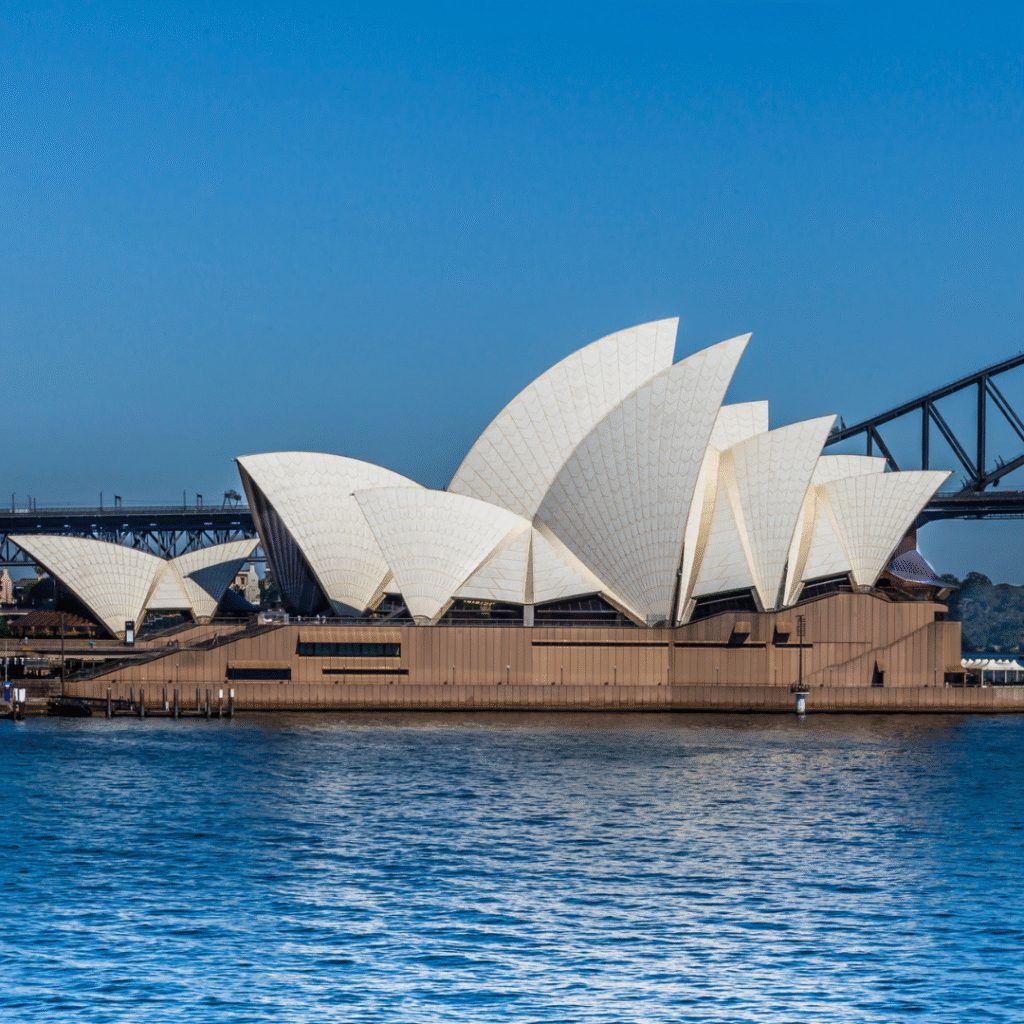
Look at enough crowd data and travel reports and some patterns keep repeating. If you’re weighing peak season vs off season travel, this is where it gets interesting.
1. Shoulder seasons beat peak seasons
- Europe (Paris, Rome, Barcelona): Aim for April–May and September–October. Weather is pleasant, lines are shorter, and hotel rates can be 20–30% lower than in August.
- Italy & Greece: May and September are sweet spots—warm seas, open ferries, fewer people, and noticeably cheaper rooms.
2. Off-peak doesn’t always mean miserable
- Thailand: The rainy season (May–October) sounds rough, but showers are often brief. Landscapes are lush, and both crowds and prices drop.
- Middle East hubs (e.g., Dubai): October–April is ideal. Summer is brutally hot but cheaper—fine if you’re mostly indoors and know what you’re signing up for.
3. Weekdays and hours matter more than you think
- Visit museums and major attractions Tuesday–Thursday, early morning or late afternoon.
- Hit beaches on weekday mornings, not weekends or public holidays.
- Arrive at national parks at sunrise: fewer people, more wildlife, better light.
4. Watch the event calendar like a hawk
- Avoid major holidays and festivals unless you’re going for them: Golden Week, Lunar New Year, Ramadan/Eid, local school holidays.
- Check for marathons, conventions, and big concerts that quietly double hotel prices and crowd levels.
When you’re planning around school holidays and local events, use tools like Google Flights’ price calendar and climate-data sites to cross-check: When is the weather acceptable, prices reasonable, and crowds not at their worst?
That intersection is where your best trips usually live.
7. Designing a Crowd-Smart Trip: A Simple Pre-Booking Checklist
Before you hit Book now
, run your plans through this filter. It takes 10–15 minutes and can save you days of frustration—and a lot of crowds and vacation satisfaction issues later.
Step 1: Define your tolerance
- On a scale of 1–10, how much do crowds drain you?
- What’s worse for you: noise, lines, or feeling rushed?
Step 2: Reality-check your dates
- Are you traveling in global school holidays or local peak season?
- Could you shift by 1–3 weeks into a shoulder period for some shoulder season travel benefits?
Step 3: Audit your itinerary for pressure points
- List the top 3–5
must-see
spots. Look up typical crowd levels and peak times. - For each, decide: go early, go late, or skip and replace with a quieter alternative or a less crowded place to visit nearby.
Step 4: Check your impact on locals
- Is your accommodation in a tourist zone or a pressured residential area?
- Are you supporting local businesses that operate year-round, or mostly tourist-facing chains?
Step 5: Build in breathing space
- For every intense, iconic sight, add a low-key activity: a park, a neighborhood walk, a café with no agenda.
- Leave at least one unscheduled half-day for wandering without tickets or time slots.
If you do this honestly, you’ll probably cut a few musts
. That’s not a loss. It’s you trading bragging rights for a trip that actually feels good while you’re living it.
8. The Quiet Flex: Choosing Trips That Don’t Need Crowds to Feel Worth It
There’s a subtle shift happening among experienced travelers. The flex is no longer, I went to the busiest place at the busiest time.
It’s, I had space to breathe.
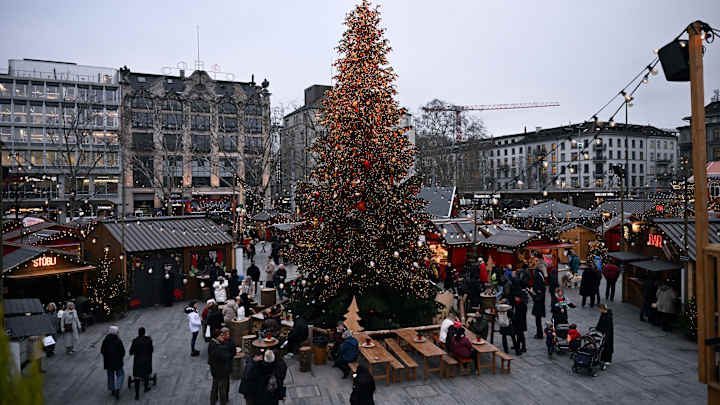
When you stop chasing the same few overrun hotspots at the same few times, a lot opens up:
- You discover second cities and quieter regions that locals actually love.
- You spend less time in lines and more time in conversations.
- You leave places a little less strained than you found them.
The question isn’t, How do I avoid every crowd?
That’s impossible. A better question is:
How do I choose trips where the value doesn’t depend on fighting thousands of other people for the same view?
Once you start planning with that in mind—timing, expectations, your own tolerance, and the authenticity of the destination—crowds stop quietly ruining your trips. They turn into something else: a signal that you’re ready to travel differently.
And that’s usually where the good stories begin.