
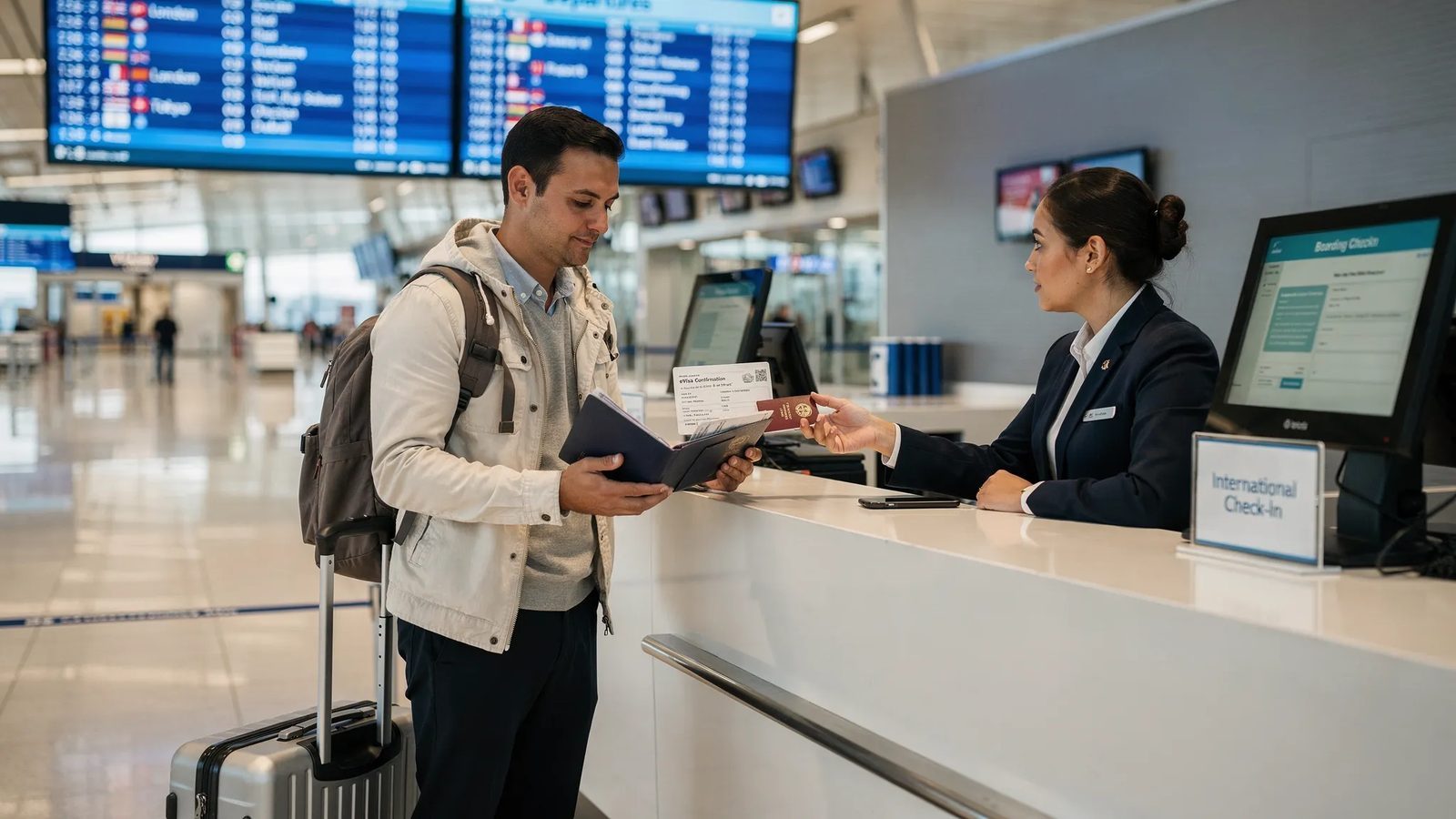
I’ve lost count of how many Pakistan–Europe trips I’ve seen collapse before the first boarding pass is printed. Not because of security. Not because of overbooking. Because of one small detail buried in airport transit visa requirements for Pakistani citizens.
If you’re flying from Pakistan to Europe (or beyond) with Qatar, Emirates, Turkish, Lufthansa, Saudia or any other big carrier, you’re dealing with three forces at the same time: airline check-in staff, Schengen transit rules, and your exact route. Misunderstand just one of them and you can be refused boarding in Karachi, Lahore or Islamabad – even if your final destination is visa-free.
This guide walks through the most common transit visa traps
on Pakistan–Europe routes – and how to avoid refusal with calm, boring, bulletproof planning.
1. The Biggest Trap: Assuming “I’m Only in Transit, I Don’t Need a Visa”
Let’s start with the uncomfortable bit: for Pakistani passport holders, transit is not a free zone. It’s almost as regulated as entry.
Many travelers think: I’m not leaving the airport, so I don’t need a visa.
That can be true in some Gulf hubs. But in Schengen Europe, it’s often completely wrong.
- Schengen has a special visa just for airport transit – the Type A visa. It’s only for staying airside, without crossing passport control.
- Each Schengen country keeps its own list of nationalities that need this visa. Pakistan appears on several of those lists, including Germany and Spain.
- Rules can be airport-specific. What’s allowed in Paris might be banned in Frankfurt or Madrid.
According to German consular guidance for Pakistanis, you generally need an airport transit visa even if you never leave the international transit area. On top of that, only Frankfurt and Munich allow this kind of transit, and only for up to 24 hours (source).
So if your itinerary looks like this:
- Lahore → Frankfurt → Toronto on one ticket, staying airside
you may still need a German airport transit visa. No visa, no boarding – and the airline will stop you at check-in in Pakistan.
Takeaway: Never assume transit = visa-free
. For transit visa for Pakistan to Europe flights, always check the rules for the exact Schengen country and airport on your route.
2. Germany & Spain: High-Risk Transit Hubs for Pakistanis
Some Schengen hubs are more dangerous than others from a transit-visa point of view. For Pakistan–Europe routes, Germany and Spain are two of the easiest places to get caught out.
Germany: Frankfurt & Munich
Germany is a major gateway for flights from Pakistan to Europe and North America. But for Pakistani nationals, the rules are tight:
- You generally need an airport transit visa even if you stay in the international transit area the whole time.
- Airport transit is only possible at Frankfurt (FRA) and Munich (MUC), and only for up to 24 hours.
- Your passport must be valid at least 3 months beyond the visa expiry date.
- You need Schengen-wide travel insurance, not just Germany only.
- You must show a confirmed onward ticket and a Family Registration Certificate (FRC) from NADRA in English.
Even if everything is in order, the German consulate is blunt: Even a complete application does not guarantee visa issuance.
And even with a visa, border police can still refuse entry if something looks off.
Spain: Hidden Trap on Some Europe–Latin America Routes
Spain is another common transit point, especially on Europe–Latin America routes. The Spanish rules are similar, but with their own twist (source):
- Some nationalities, including Pakistanis, need an Airport Transit Visa (ATV) just to stay in the international area of a Spanish airport.
- If your connection forces you to change terminal via border control, you no longer qualify for an ATV – you need a full Schengen visa.
- There are exemptions if you hold certain visas or residence permits (for example valid US, Canadian, Schengen visas, or EU residence), but these are very specific and easy to misread.
Takeaway: If your route touches Frankfurt, Munich, Madrid, Barcelona or any other Schengen hub, treat that choice as a visa decision, not just a cheap fare. Always check the consulate website of that country before you book.
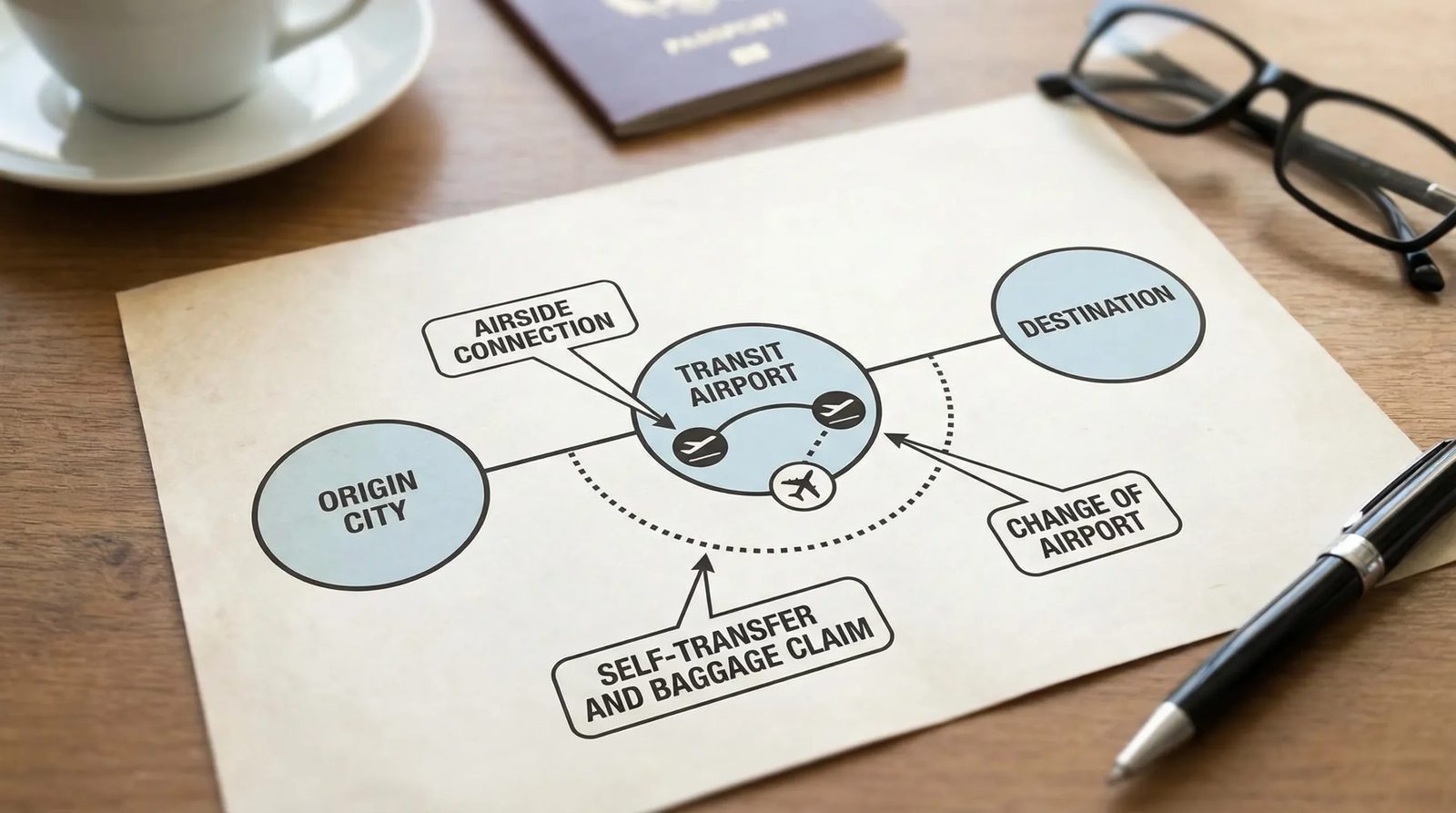
3. The Self-Transfer & Baggage Trap: When Transit Becomes “Entry”
Here’s where many Pakistan–Europe itineraries quietly turn into visa disasters: self-transfers and separate tickets.
Imagine you book:
- Karachi → Istanbul (ticket 1, airline A)
- Istanbul → Paris (ticket 2, airline B)
On paper, it looks like a simple connection. In reality, you may have to:
- Collect your baggage in Istanbul
- Exit the airside area
- Check in again at the landside counters
- Go through security and possibly immigration again
As one visa-planning guide puts it, you should treat any connection involving baggage reclaim, landside check-in, airport changes, or public transport as if you are entering the country (source).
That means:
- If your self-transfer is in a Schengen country, you likely need a Type C Schengen visa, not just a transit visa.
- If your layover is long or overnight, parts of the transit area might close, forcing you landside.
- Airlines are not responsible for your visa if you booked separate tickets. They will simply refuse boarding if they see a risk.
Takeaway: If your connection involves separate tickets, baggage claim, or an airport change, assume you need a full entry visa for that country. Don’t rely on the word transit
to protect you.
4. Airline Check-In: The Real Border You Have to Pass
Most travelers imagine the main risk is at European immigration. For Pakistan–Europe routes, the first real border is the check-in counter in Pakistan.
Airlines are legally responsible for flying you back if you’re refused entry or stuck in transit. So they are extremely cautious about your visas. If their system or their training suggests a problem, they will simply not check you in.
That’s why so many stories start with: The airline staff said I can’t board because I don’t have a transit visa.
To avoid this, treat your trip like a visa map rather than just a list of flights:
- Write down every airport on your route (outbound and return).
- For each airport, ask:
Will I stay airside, or do I need to go landside?
- For each country, check:
Do Pakistanis need a Schengen airport transit visa for this airport? Or a full visa?
- Check both directions. Your return route may use different hubs or airlines.
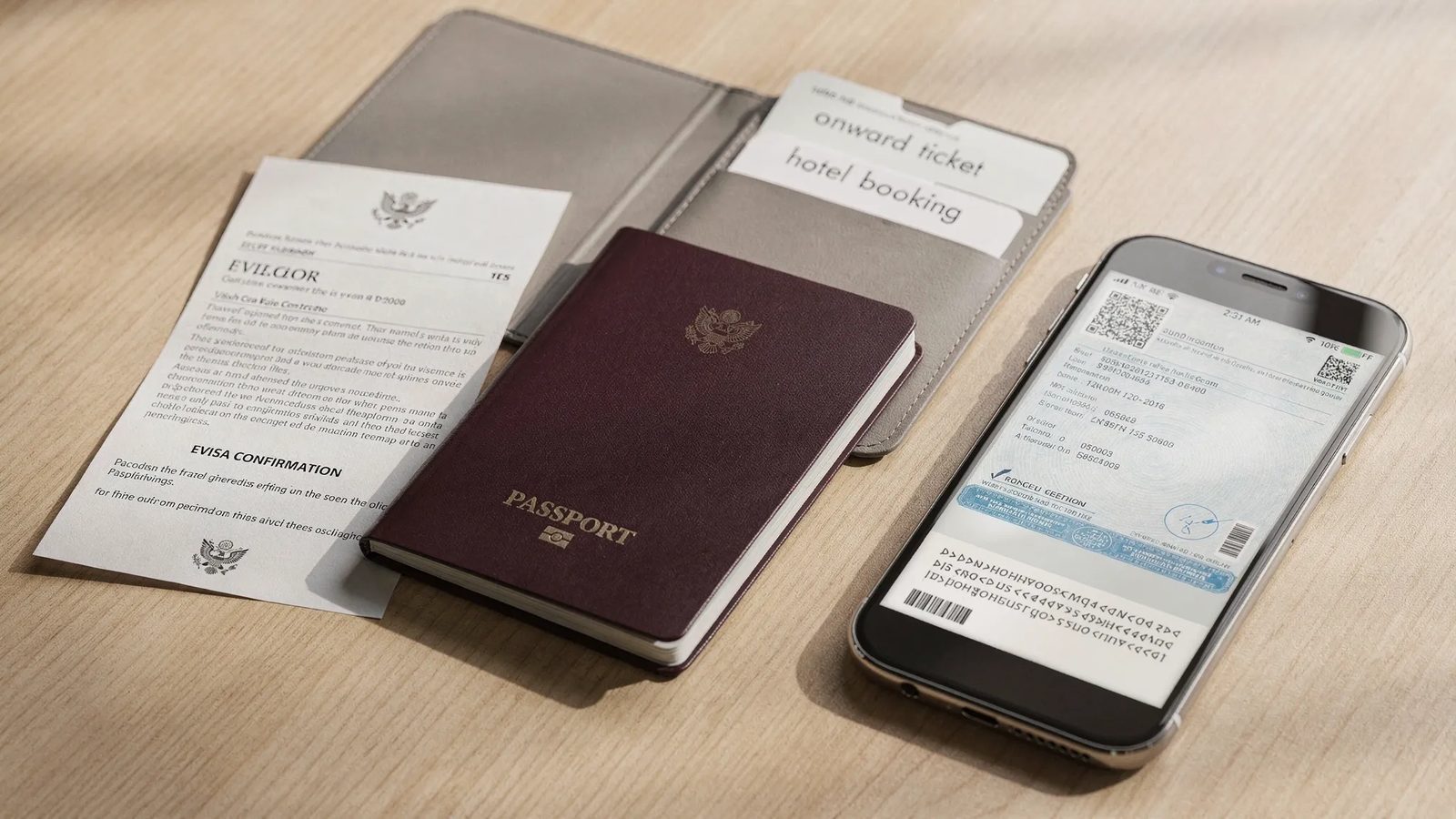
Then build a small evidence pack for check-in:
- Printout of the relevant consulate page showing transit visa rules for Pakistani passport holders for that airport
- Copies of any visas or residence permits that give you an exemption
- Your full itinerary showing you’re not staying in Schengen
Why bother? Because sometimes airline staff are unsure, and a clear official page can help them feel safe checking you in. It doesn’t guarantee success, but it changes the conversation from We think you can’t go
to Let’s verify this properly
.
Takeaway: Don’t wait for the airline to explain Pakistan–Europe layover visa rules. Do your own research, then carry printed proof to support your case at check-in.
5. Schengen Transit Visa vs Full Schengen Visa: Which One Do You Actually Need?
Many Pakistani travelers get stuck because they apply for the wrong type of Schengen visa. The difference between a transit visa and a full visa is small on paper, but huge at the airport.
Type A – Airport Transit Visa
- For staying only in the international transit zone (airside).
- No passport control, no leaving the airport.
- Required only for specific nationalities in each country’s list – Pakistan is on several of those lists.
- Usually valid just for the dates and airports in your itinerary.
Example: Lahore → Frankfurt → New York, staying airside in Frankfurt, no terminal change that requires immigration. In theory, a Type A could be enough – if Germany’s rules and your profile allow it.
Type C – Short-Stay Schengen Visa
- For entering Schengen territory, even for a few hours.
- Needed if you must pass border control, change airports, or leave the airport during a long layover.
- Also required if your route includes two Schengen airports (for example Frankfurt → Paris), because that’s considered internal Schengen travel.
Example: Islamabad → Frankfurt → Paris → Lisbon. Even if you’re just connecting, you’re moving between Schengen airports, so you’re effectively inside Schengen. That’s a Type C situation, not Type A.
One Schengen visa guide sums it up simply: Type A is for staying airside. Type C is for everything else.
(source)
Takeaway: If your route involves two Schengen airports, an airport change, or leaving the airport, forget about a transit visa. You need a full Schengen (Type C) visa.
6. Common Pakistani Mistakes That Trigger Transit Refusals
Some problems come from strict rules. Others come from how we apply. Here are patterns that repeatedly cause issues for Pakistani travelers trying to avoid transit visa refusal.
1. Incomplete or messy documentation
German consular instructions for transit visas are brutally clear: incomplete applications are likely to be rejected. They expect:
- All documents on A4 paper, readable, in English or with translation.
- An application form fully completed and signed (usually typed, not handwritten).
- Two biometric photos, one stapled, one paper-clipped.
- FRC from NADRA in English.
Many Pakistani travelers lose out simply because they treat these details as formality
. They’re not. They’re filters.
2. Weak financials and ties to Pakistan
Even for transit, consulates look at your overall profile. A visa advisory for Pakistanis lists the usual red flags:
- Unstable or unclear income
- Bank statements that don’t match your story
- No strong ties to Pakistan (job, business, family, property)
They worry you might use transit as a way to disappear into Europe. If your profile looks risky, even a transit visa can be refused.
3. Ignoring travel history
Many Schengen guides for Pakistanis quietly hint at this: first-time applicants usually get single-entry, short visas, and having a decent travel history (Gulf, Southeast Asia, easier destinations) helps a lot.
If your first ever international trip is a complex multi-Schengen transit, expect extra scrutiny.
4. Overconfidence in exemptions
Some travelers read that holders of US/UK/Canadian visas are exempt from transit visas
and assume it applies everywhere. It doesn’t. Exemptions are:
- Country-specific
- Visa-type specific
- Sometimes even airport-specific
Always check the exact wording on the consulate site of the transit country before you rely on an exemption.
Takeaway: Treat your transit visa application with the same seriousness as a full Schengen visa. Clean documents, strong financials, clear ties to Pakistan, and realistic routing all matter.
7. A Practical Checklist for Pakistan–Europe Routes
Now let’s turn all this into something you can actually use when planning Pakistan to Europe flight routes without transit visa problems.
Step 1 – Map your entire route
- Write down every airport on your outbound and return journeys.
- Mark which ones are Schengen and which are not.
- Note any airport changes or separate tickets.
Step 2 – For each Schengen airport, ask:
- Will I stay airside the whole time?
- Do I need to change terminals in a way that forces me through passport control?
- Is my layover so long that I might want, or be forced, to go landside?
If the answer to any of these is yes
, assume you need a Type C Schengen visa.
Step 3 – Check official rules for your nationality
- Visit the consulate website of each Schengen transit country (Germany, Spain, France, Netherlands, etc.).
- Look for
Airport Transit Visa
,Type A
, orSchengen airport transit visa for Pakistani passport
. - Confirm whether Pakistani nationals need a transit visa for that specific airport.
- Check if any visas you already hold (US, UK, Canada, Schengen) give you an exemption.
Step 4 – Decide: transit visa or full visa?
- If you’re only ever airside in a single Schengen airport, and the rules allow it → a Type A transit visa might be enough.
- If you touch two Schengen airports, change airports, or go landside → you need a Type C Schengen visa.
Step 5 – Build a clean application
- Passport valid at least 3 months beyond your last Schengen date, with free pages.
- Travel insurance that clearly covers all Schengen states.
- Confirmed itinerary and tickets (or reservations, if that’s accepted).
- FRC, bank statements, employment letters, and other proof of ties to Pakistan.
- Translations for any Urdu documents.
Step 6 – Prepare for check-in
- Print your visas, itineraries, and insurance.
- Print the relevant consulate pages showing you meet the airport transit visa requirements for Pakistani citizens.
- Arrive early; if there’s a dispute, you’ll need time to escalate.
Final thought: Every Pakistan–Europe trip is a small legal project. If you treat it that way – with planning, documentation, and a bit of healthy skepticism – you dramatically reduce your chances of hearing the worst sentence at the airport:
Sorry sir, we can’t check you in. You don’t have the right visa.


