
I plan every trip assuming one thing can still blow it up at the last minute: visa rules I misunderstood. Transit visas are the sneakiest of the bunch. You think, I’m just changing planes, what’s the big deal?
Then an airline agent says, You can’t board, you need a transit visa.
Let’s fix that. Below, you’ll find transit visa rules explained in plain language: when you actually need a transit visa, when you don’t, and how to sanity-check your itinerary before you hand over money for flights.
1. First Decision: Are You Really Transiting or Actually Entering the Country?
Before you even think about visa types, start with one simple question:
Will you stay in the international transit area, or will you cross passport control and enter the country?
That single detail usually decides whether you need:
- No visa at all (pure airside transit), or
- An airport transit visa (to stay airside only), or
- A regular short-stay / tourist visa (if you enter the country, even for a few hours).
Here’s how I break it down when I look at an itinerary:
- Same ticket, same airport, no baggage re-check
You usually stay airside. Your bags are checked through, your boarding pass is issued, and you just walk to the next gate. If your nationality isn’t on that country’s airport transit visa requirements list, you typically don’t need any visa for that connection. - Separate tickets or airport change
You almost always have to exit the secure area, collect bags, maybe change terminals or even airports. That means crossing border control. At that point, you’re not “just transiting” in the legal sense; you’re entering the country and may need a full short-stay or tourist visa. - Overnight layover
Want a hotel outside the airport? Then you’re entering the country. No way around it. That’s a short-stay visa situation, not a simple transit visa for connecting flights.
So the first mental check is simple: airside vs. landside. If your plan requires you to go landside, stop thinking about transit visas and start thinking about regular visitor or tourist visas.
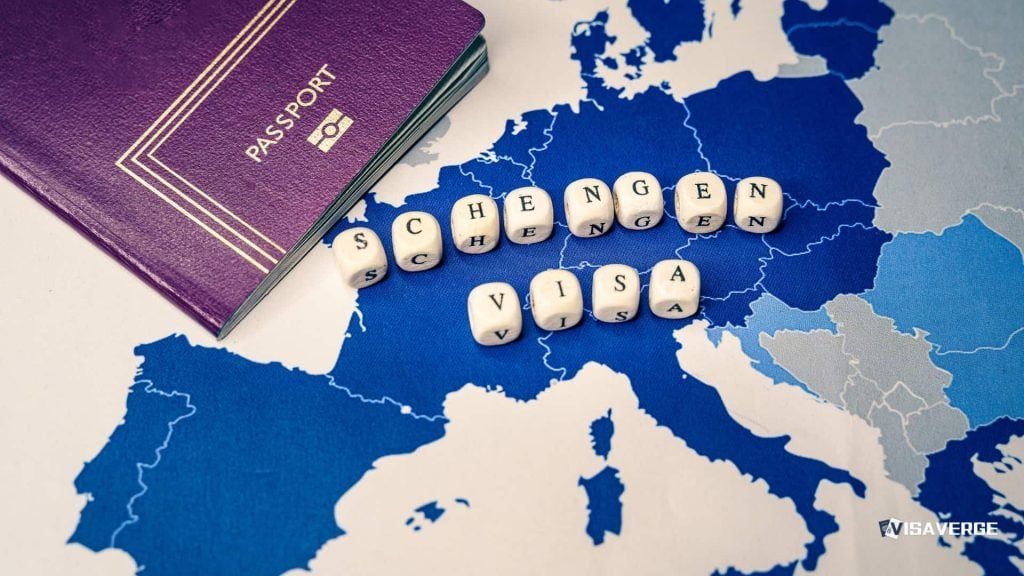
2. Schengen Transit: When a Simple Connection Turns into a Visa Puzzle
Europe is where many people get caught out, because Europe
is not one visa system. You’ve got:
- The Schengen Area (26 countries with no internal borders), and
- European countries outside Schengen (like the UK and Ireland) with their own rules.
Inside Schengen, there are two main visa ideas you need to know when you’re looking at airport transit visa requirements:
- Type A – Airport Transit Visa (ATV): lets you stay only in the international transit zone. No entry into Schengen territory.
- Type C – Short-stay Schengen Visa: lets you actually enter Schengen (up to 90 days in 180).
Here’s the twist: most travelers never need a Type A transit visa. Only specific nationalities on restricted lists do. And each Schengen country keeps its own list. Germany’s list is not France’s list, which is not Spain’s list.
Some patterns from official guidance and consular sites:
- Certain nationalities (for example, often Afghanistan, Nigeria and a few others) may need an Airport Transit Visa even if they never leave the transit zone.
- Other nationalities (like many from Asia, including Indians and Filipinos in most cases) don’t need a Type A visa if they stay airside, but do need a Type C visa if they want to leave the airport.
- Some travelers who normally need a transit visa are exempt if they hold certain valid visas or residence permits (for example, a valid US, UK, Canadian, Australian, or Schengen visa, or EU/EEA residence).
Spain’s consular rules, for example, say that if you must leave the international transit area or pass border control (say, to change terminals that are landside), an airport transit visa is not enough. You need a full Schengen visa.
So when I see a Schengen connection, I ask myself:
- Is my nationality on that country’s airport transit visa list?
- Am I staying airside, or do I need to cross border control?
- Do I already hold a visa or residence permit that might exempt me?
If any of those answers are fuzzy, I don’t guess. I check the consulate website of the country where I’m transiting and cross-check with an authoritative database like IATA Timatic (more on that later). That’s the safest way to get Schengen airport transit visa rules right.

3. Are You from a Visa-Exempt Country? Don’t Get Too Comfortable
If you hold a passport from a visa-exempt country (for example, the US, Canada, Australia, much of Europe, parts of Asia and Latin America), it’s tempting to assume you never need a transit visa. That’s almost true in many places, but not universally.
Take the Schengen Area as a concrete example:
- US citizens never need an Airport Transit Visa for Schengen airports. Not if they stay in the transit zone. Not if they pass immigration during a layover. They can enter Schengen visa-free for up to 90 days in any 180-day period, and even layover time counts toward that limit.
- Once a US traveler clears immigration at their first Schengen airport, all onward flights within Schengen are treated like domestic flights. No more border checks.
But here’s where people get burned:
- They assume
visa-free
means no conditions. It doesn’t. You still need proof of onward travel, sufficient funds, and a passport with enough validity. - They forget that not all of Europe is Schengen. The UK, Ireland, and others have their own transit rules. You might be visa-free for Schengen but still need a visa to transit the UK, depending on your nationality and route.
- They ignore the 90/180 rule. If you’ve already spent a lot of time in Schengen, even a short layover that requires entry could push you over the limit.
So if you’re visa-exempt, you usually have it easier, but you’re not invincible. I still check:
- Does this country treat transit as visa-free for my passport?
- Will I be forced to enter the country because of baggage or airport changes?
- Am I within my allowed stay limit (like Schengen’s 90/180)?
In other words, even if you rarely think about visas, it’s worth spending a couple of minutes on the transit visa rules by nationality for your specific route.
4. When a Transit Visa Is Required Even If You Never Leave the Airport
This is the scenario that surprises people the most: you’re literally just changing planes, staying in the transit zone, and you still need a visa.
Why does this happen? Because some countries use Airport Transit Visas (ATVs) as a filter for certain nationalities, even for pure airside connections. Schengen states do this, and they don’t all agree on who’s affected.
Typical patterns from Schengen rules and consular pages:
- Some nationalities are on an EU-wide list that often need an ATV for Schengen transit.
- Individual countries add their own extra nationalities to that list.
- There are often exemptions if you hold certain visas or residence permits (for example, a valid US visa, a Schengen visa, or EU residence).
Spain’s consular guidance is a good example of how strict this can be:
- If you’re from a listed country and you’re transiting through a Spanish airport to a non-Schengen destination, you may need an ATV just to sit in the international zone.
- If your connection forces you to leave that zone or pass border control, the ATV is useless; you need a Type C Schengen visa instead.
And it’s not just Europe. Other regions have similar quirks:
- The US has the C-1 transit visa for many nationalities who are not eligible to transit on ESTA or visa-free.
- Some Gulf countries offer special transit schemes (sometimes visa-free, sometimes a dedicated transit visa) that allow short stays or hotel stopovers.
The uncomfortable truth: you can’t guess this from common sense. You have to check the rules for your passport and your exact route. If you’re wondering, Do I need a transit visa if I stay in the airport?
the answer is: maybe. It depends on your nationality, the country, and the specific airport transit visa requirements in 2025 and beyond.
5. The Hidden Traps: Separate Tickets, Airport Changes, and Long Layovers
Most transit visa horror stories I see have nothing to do with the traveler’s passport. They come from itinerary design. The way you book your flights can quietly turn a simple transit into a full entry.
Here are the traps I watch for:
- Separate tickets
If you book two separate tickets (say, one cheap deal to a hub and another onward), you often have to collect and re-check your luggage. That means leaving the secure area, going through immigration, and re-entering. Suddenly, you need whatever visa is required to enter that country, not just transit it. - Airport changes
Changing from one airport to another in the same city (for example, between two airports in London or Paris) always means entering the country. No transit visa will cover that; you need a regular visa if your nationality requires it. - Terminal changes through border control
Some airports force you to go landside to switch terminals. In Schengen, that means you’re entering the Schengen Area and may need a Type C visa, not just an ATV. - Long or overnight layovers
If you want to leave the airport for a hotel or a quick city visit, you’re entering the country. That’s a short-stay visa situation, even if you’re only there for 6–8 hours.
My rule of thumb: if the airline sells it as a single ticket with a protected connection, you’re more likely to stay airside. If you stitched it together yourself, assume you’ll have to enter the country unless you can confirm otherwise.
This is where a lot of common transit visa mistakes start: the flights look cheap, but the hidden cost is a visa you didn’t know you needed.
6. How to Check Transit Visa Rules the Smart Way (Not the Stressful Way)
Most people check transit visas in the least reliable order: random blogs, airline call centers, then maybe an embassy website. I flip that.
Here’s the order I use when I want a clean answer about visa and entry rules for layovers:
- Start with IATA Timatic (the airline rulebook)
Airlines use the IATA Timatic database to decide if they can board you. If Timatic says you need a transit visa, the check-in agent will follow it, even if you argue. You can access Timatic indirectly through many airline websites (often underTravel requirements
orVisa and passport information
tools). - Cross-check with official government or consulate sites
For Schengen, I go straight to the consulate of the country where I’m transiting. For example, Spain’s consulate in Manchester has a detailed page explaining when an Airport Transit Visa is required, who’s exempt, and what documents are needed. I look for pages that clearly mentionairport transit visa
orATV
. - Use reputable guides as a sanity check, not the final word
Guides like the ones on SimpleVisa or Schengen-focused sites are great for understanding the logic: Type A vs Type C, exemptions, processing times, and common edge cases. But I never rely on them alone for a yes/no answer.
Why this order? Because the airline’s decision at check-in is what actually matters in the real world. If their system says transit visa required
, you’re not flying, no matter what a random email from an embassy said three months ago.
So when you’re asking yourself, When do you need a transit visa for international layovers?
start with Timatic, then confirm with official sources. That’s the least stressful route.
7. Applying for a Transit Visa: What to Expect and How Not to Mess It Up
Once you know you do need a transit visa, the process is usually simpler than a full tourist visa, but it’s still paperwork. And it still takes time.
From Schengen and global transit visa guides, here’s what I expect when applying:
- Where to apply
For Schengen, you apply at the consulate of the country where the transit airport is located. If you’re transiting two Schengen airports, you may need to pay attention to which one is your first point of entry or where you spend more time. - What you usually need
- Completed visa application form (often the standard Schengen form for ATVs).
- Recent passport photo that meets their specs.
- Valid passport (issued within the last 10 years, valid at least 3 months beyond transit, with blank pages).
- Proof of onward travel (confirmed ticket to your final destination).
- Proof you can enter your final destination (visa or residence permit if required).
- Visa fee (for Schengen ATVs, often around €90 for adults, with some exemptions).
- Processing time
Schengen ATVs typically take up to 15 calendar days. Many consulates recommend applying at least 3–4 weeks before travel. Other countries vary from same-day eVisas to multi-week processing. - Digital applications
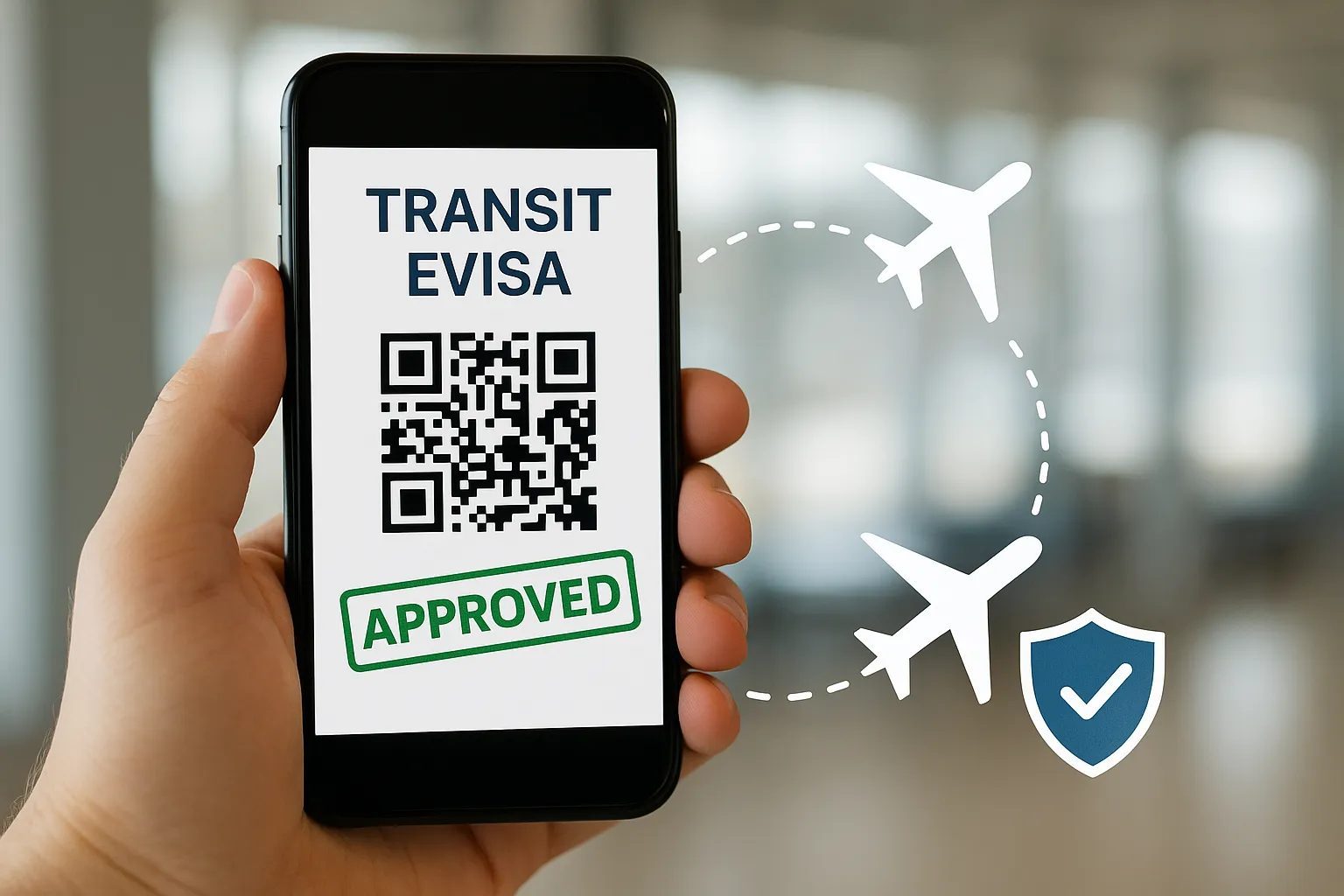
Increasingly, you apply online: create an account, fill in your flight details, upload documents, pay online, and then either attend an appointment or just wait for an eVisa. The catch: if you mistype a flight number or date, your visa might not match your actual trip.
My personal habits when I apply:
- I double-check that the name, passport number, and dates on the application match my passport and tickets exactly.
- I keep both a digital copy and a printed copy of any eVisa. Some gate agents still want to see paper.
- If I have a complex route (for example, leaving and re-entering the same Schengen airport), I explicitly ask for a double-entry transit visa if needed.
Handled carefully, applying for a transit visa is annoying but manageable. Rushed applications and sloppy details are what usually cause problems.
8. Edge Cases: Babies, eTAs, and “Free” Transit Schemes
Finally, a few situations that catch even experienced travelers off guard:
- Infants and children
Don’t assume your baby is covered by your visa. Many countries require each traveler, including infants, to have their own transit visa or authorization. - ESTA, eTA, and similar systems
These are not technically transit visas, but they often cover transit. For example, some travelers can transit the US on ESTA instead of a C-1 visa. Others cannot and must get the C-1. Same story with Canada’s eTA. You have to check your specific passport and route. - Short-stay transit schemes
Some countries offer special transit programs that allow you to leave the airport for a limited time (for example, certain Chinese 72/144-hour transit policies). These are powerful if you understand them, dangerous if you don’t. The rules are very specific about eligible nationalities, airlines, and routes. - Delays and schedule changes
If your transit visa is tied to specific dates or flight numbers, a major schedule change can technically put you out of compliance. Most of the time, border officers are reasonable, but I don’t rely on that. If the change is big, I check whether I need to update or reapply.
If you remember nothing else, remember this:
Transit is not a loophole. It’s a legal status with its own rules. The moment your itinerary forces you to cross that invisible line from airside to landside, you’re playing by entry visa rules, not transit rules.
So next time you book a connection, pause for 5 minutes and ask yourself:
- Am I really staying in the transit zone?
- Does my nationality trigger any special transit visa rules on this route?
- Have I checked what the airline’s system (Timatic) thinks about my documents?
Those 5 minutes can save you a very expensive conversation at the check-in desk—and the nightmare of finding out what happens without a required transit visa when you’re already at the airport.


