I love a good non-stop flight. I also love saving hundreds of dollars. In 2024, those two things often don’t go together – especially on the new ultra-long-haul routes pushing 18–20 hours in the air.
If you’ve ever stared at two tabs thinking, Do I pay more to get it over with, or suffer a connection and keep the cash?
this guide is for you. We’ll look at the real trade-offs between ultra long haul vs connecting flights – money, time, comfort, health – and how cabin choice (economy vs premium vs business) changes the equation.
1. The Core Question: What Are You Actually Optimizing For?
Before you compare non stop ultra long haul flights in 2024 with one-stop options, you need to be brutally honest about one thing: what matters most on this trip?
- Time and simplicity – You want the shortest, least stressful travel day. Non-stop (especially ultra-long-haul) usually wins.
- Money – You want the lowest total cost, even if it means more hassle. One-stop or even two-stop itineraries often win.
- Comfort and health – You want to arrive functional, not wrecked. Here, the answer depends heavily on cabin class and your body.
On many routes, non-stop flights are roughly 25% more expensive than itineraries with layovers. Ultra-long-haul non-stops can be much more than that. Airlines know people will pay for convenience, and they price accordingly.
So your first decision is simple but uncomfortable:
Is this a “time-sensitive, must-arrive-fresh” trip or a “I’d rather keep the cash” trip?
If you can’t answer that, every other direct long haul vs layover flights comparison will feel fuzzy.
2. The Money Trade-Off: How Much Are You Paying Per Hour Saved?
Let’s talk numbers, not vibes.
Non-stops – especially ultra-long-haul – cost more because they burn more fuel, carry fewer seats, and target time-sensitive travelers. One-stop routes are often discounted to fill seats on less convenient paths. As Secret Flight Club points out, routing via a hub like Istanbul can shave nearly £300
off a fare compared with a direct flight on the same city pair.
Here’s a simple framework for ultra long haul flight cost comparison:
- Calculate the time difference.
Example: Non-stop = 17 hours door-to-door. One-stop = 22 hours. You save 5 hours. - Calculate the price difference.
Example: Non-stop = $1,600. One-stop = $1,100. You pay $500 more. - Compute your “time premium.”
$500 / 5 hours = $100 per hour saved.
Now ask yourself: Is my time on this trip worth $100 per hour in the air?
- If you’re a business traveler who bills $200/hour and needs to be sharp on arrival, that might be a no-brainer.
- If you’re on vacation and that $500 is two extra nights of hotel and meals, the one-stop suddenly looks very attractive.
For ultra-long-haul, the gap can be even bigger. Non-stop Perth–London on Qantas, for example, is often notably more expensive than a one-stop via Singapore, even though the non-stop saves several hours each way, as reported by SMH Traveller.
My rule of thumb: if the non-stop is charging you more than you’d happily pay per hour for your own time, take the connection and use the savings on a better seat or a better trip.
3. The Comfort Equation: Economy vs Premium vs Business on Long Sectors
On a 2-hour hop, seat comfort is a nice-to-have. On a 17–19 hour ultra-long-haul, it’s the whole game.
This is where cabin choice really shapes your flight planning for ultra long haul routes.
Economy: When Non-Stop Can Be the Worst Option
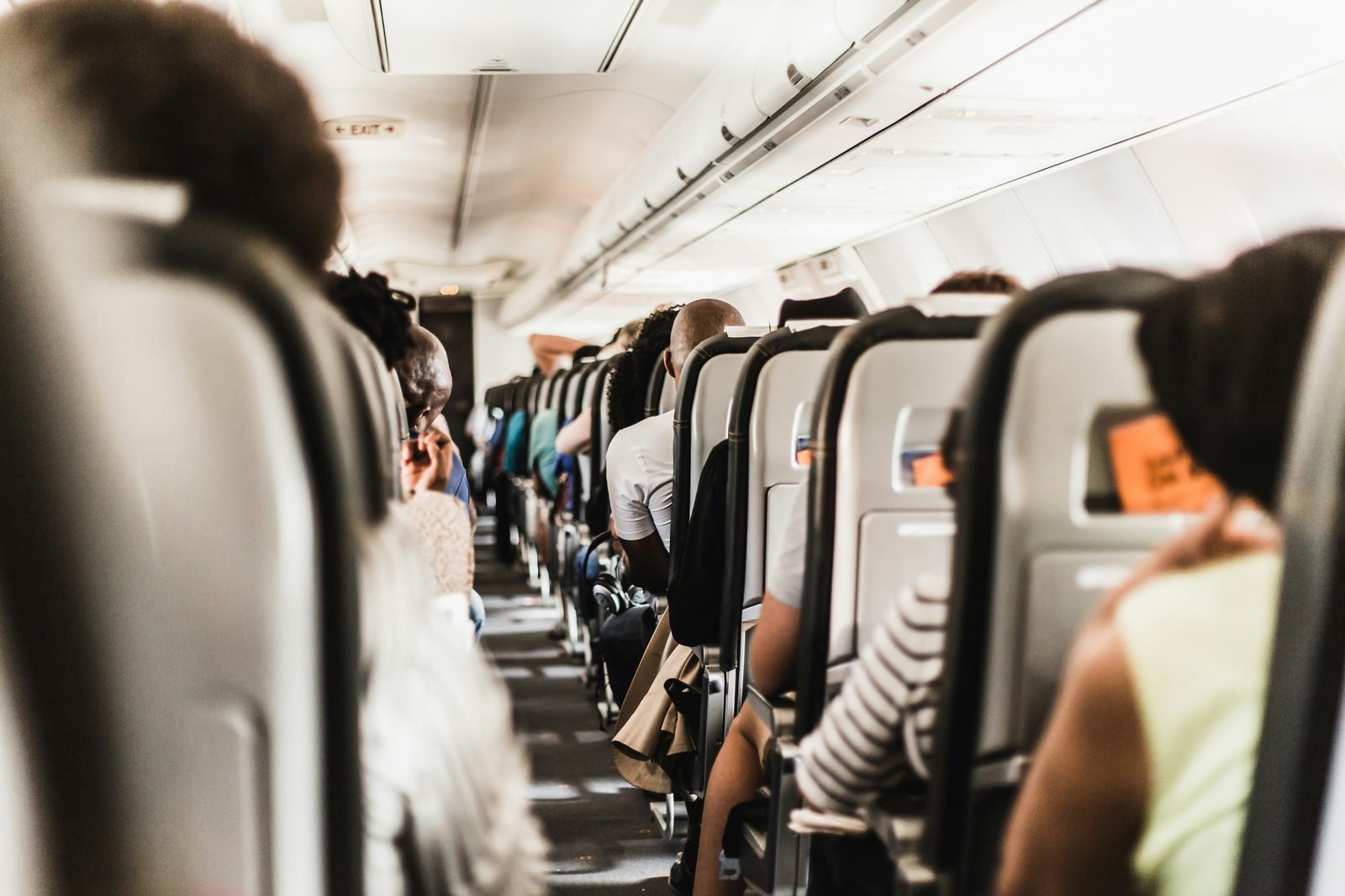
In regular economy, ultra-long-haul can feel like a test of willpower. You’re dealing with:
- Cramped legroom and limited recline
- Higher risk of stiffness and discomfort
- More exposure to dehydration and fatigue over 18–20 hours
Medical experts quoted in SMH Traveller note that DVT isn’t a major concern for most healthy passengers, but movement and circulation still matter. A mid-journey layover forces you to walk, stretch, and reset. For many economy travelers, that break is worth more than the time savings ultra long haul flights promise on paper.
So if you’re stuck in basic economy, a brutal 18-hour non-stop may not be the win it looks like on the booking screen.
Premium Economy: The Sweet Spot for Ultra-Long-Haul
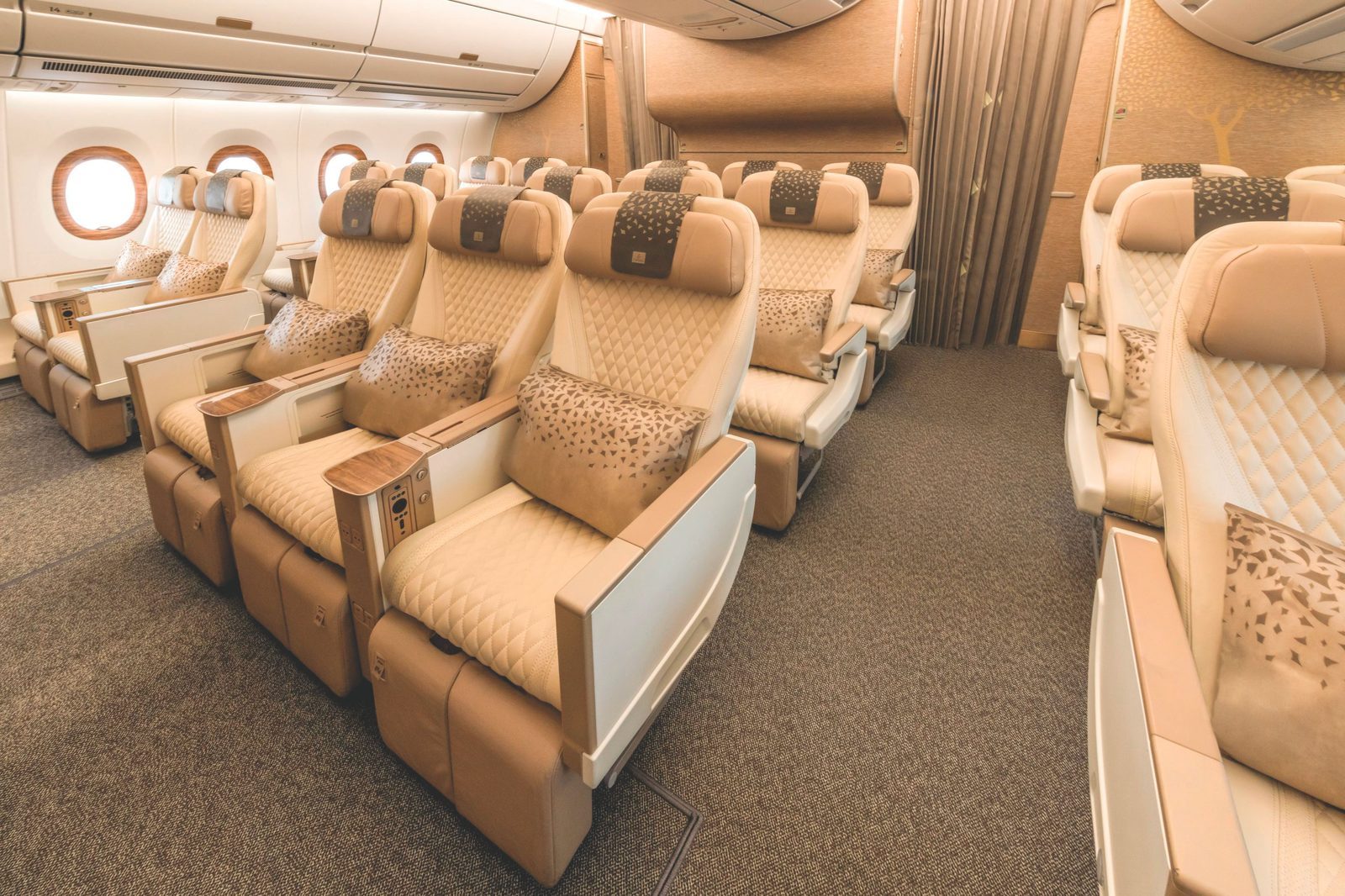
Premium economy has quietly become the star of long and ultra-long-haul. As Mighty Travels and Simple Flying both highlight, it’s designed as a middle ground:
- 5–7 inches of extra legroom
- Wider seats (often up to ~20 inches)
- Better recline, headrests, footrests, and lumbar support
- Larger entertainment screens and power outlets
- Sometimes a dedicated cabin crew and priority boarding
And the price jump? Often surprisingly modest. On some routes, the premium over economy can be around $79–$200, while still far below business-class pricing. That’s a small price to pay to make a 15–19 hour sector survivable.
On ultra-long-haul non-stops, I’d argue:
If you can’t afford at least premium economy, consider breaking the journey with a layover instead of doing 18 hours in basic economy.
That way, you’re trading a bit of time for a big comfort upgrade – and often still spending less than a non-stop in a cramped seat.
Business Class: When Non-Stop Becomes a Productivity Tool
Business class on ultra-long-haul is a different universe. Lie-flat beds, better food, quieter cabins, and lounge access turn the flight into a moving hotel room.
As Aeronautics Magazine points out, the value of business class scales with flight length:
- Under 4 hours: hard to justify.
- 4–8 hours: marginal, depends on your needs.
- 8+ hours, especially overnight: can be a game-changer.
On a 17–19 hour non-stop, a lie-flat bed can effectively eliminate a recovery day. If you’re traveling for work, that can be worth more than the fare difference once you factor in productivity, extra hotel nights, and the cost of arriving exhausted.
Also, don’t forget the hidden value:
- Lounge access (food, showers, quiet workspaces)
- Priority check-in, security, and boarding
- Higher baggage allowances
Those perks can be worth $250–$500 per trip, narrowing the real gap between economy and business when you’re choosing non stop vs connecting flights.
4. Health & Jet Lag: Is One 18-Hour Hit Better Than Two 9-Hour Legs?
Ultra-long-haul non-stops sound efficient. But your body doesn’t care about efficiency; it cares about movement, hydration, and sleep.
On flights approaching 20 hours, you’re exposed longer to:
- Dry cabin air → dehydration, dry skin, headaches
- Prolonged sitting → stiffness, swelling, DVT risk for some
- Disrupted sleep cycles → heavier jet lag
Aircraft like the Airbus A350 and Boeing 787 do help – better cabin pressure and humidity, quieter cabins – but they don’t change the basic reality: 20 hours is a long time to sit still.
For many travelers, a well-timed layover can actually improve how they feel on arrival and reduce jet lag on ultra long haul vs connections:
- Chance to walk properly, stretch, and reset posture
- Real food and hydration, not just tray meals
- Showers and even a swim in some airports
So which is better for your body – one ultra-long-haul or two long legs?
Here’s how I break it down:
- Healthy, younger, used to flying: a non-stop in premium or business can be fine, especially if you move regularly and hydrate.
- Older, circulation issues, pregnant, or other risk factors: a layover is often the safer, more comfortable choice, even if it adds time.
- In economy: I’d lean toward a layover unless the non-stop is significantly shorter and you’re very disciplined about moving.
Ask yourself: Will I actually get up and walk every 1–2 hours on an 18-hour flight?
If the honest answer is no, a break in the middle might be smarter.
5. Risk & Stress: Delays, Missed Connections, and Lost Bags
Non-stop flights win big on one thing: fewer failure points.
Every connection you add is another chance for:
- Delays and missed connections
- Misrouted or delayed baggage
- Immigration or security bottlenecks
As Passing Thru notes, layovers can be exhausting and unproductive if you’re stuck in a dull airport for hours. I’ve had those zombie layovers where you’re too tired to work, too wired to sleep, and too broke to keep buying airport food.
So when does a non-stop’s simplicity justify the price?
- Hard arrival deadlines – weddings, cruises, important meetings.
- Winter travel – when weather disruptions make connections risky.
- Checked baggage you really care about – fewer transfers = fewer chances to lose it.
On the flip side, if you’re flexible and can absorb a delay, a one-stop itinerary can be a smart long haul flight connection strategy – especially if you choose a hub with good on-time performance and decent amenities.
My approach:
- If the trip is mission-critical, I lean heavily toward non-stop or a single, generous connection (3+ hours).
- If it’s leisure and I’m not on a tight schedule, I’m happy to trade some risk and time for a cheaper fare or better cabin.

6. Turning Layovers into an Asset (Instead of a Punishment)
Layovers don’t have to be dead time. Used well, they can actually add value to your trip.
Both Secret Flight Club and Passing Thru point out that stopovers can become mini-destinations. The trick is to be intentional.
Here’s how I think about “good” vs “bad” layovers:
Good Layovers
- 6–24 hours in a city you’d actually like to see
- Airport with easy transit into town (e.g., train or metro)
- Enough time to clear immigration, explore, eat, and get back without stress
- Possibility of a shower, nap, or even a short hotel stay
Bad Layovers
- 2–4 hours in a boring airport with poor amenities
- Overnight layovers where you’re too cheap (or too late) to get a hotel
- Tight connections in airports known for long security or immigration lines
If you’re going to accept a connection to save money, design the layover so it works for you:
- Check visa/entry rules for the hub city before you book.
- Pack a small “transit kit” in your carry-on: toiletries, change of clothes, chargers.
- Consider paying for lounge access if you have a long airport-only layover.
Done right, you’re not just tolerating a layover – you’re getting a bonus city and a physical reset between long sectors.
7. A Simple Decision Framework for 2024
Let’s pull this together into something you can actually use when you’re staring at flight options and trying to avoid common mistakes booking ultra long haul flights.
Step 1: Define the Trip Type
- Business-critical (meeting, event, tight schedule)
- High-stakes personal (wedding, cruise, family emergency)
- Leisure / flexible (vacation, visiting friends, no hard deadline)
Step 2: Compare Non-Stop vs One-Stop
- Note total travel time for each option.
- Note total price for each option.
- Calculate extra cost per hour saved for the non-stop.
If that number feels outrageous for your situation, the non-stop is probably not worth it.
Step 3: Factor in Cabin Class
- Economy only budget: consider a one-stop with a shorter longest leg rather than a brutal 18-hour non-stop.
- Can stretch to premium economy: non-stop becomes more attractive, especially on 12–16+ hour routes.
- Business class (cash or miles): non-stop often wins for productivity and rest, especially overnight.
Remember: premium economy often costs only 50–100% more than economy but delivers most of the comfort of business at a fraction of the price. On ultra-long-haul, that’s a huge deal in the cost vs comfort long haul flight decisions you’re making.
Step 4: Health & Personal Tolerance Check
Ask yourself honestly:
- Can I sit on a plane for 15–19 hours without losing my mind?
- Do I have any circulation or health issues that make long immobility risky?
- Will I actually get up and move regularly on a non-stop?
If your gut says this sounds miserable
, listen to it. A well-planned layover can be the smarter choice.
Step 5: Don’t Forget the Extras
When comparing options, include the hidden costs of ultra long haul travel:
- Checked bag fees
- Seat selection fees
- Lounge access (if you’d pay for it separately)
- Airport meals vs lounge food
Sometimes a more expensive ticket with included perks is actually cheaper than a bare-bones fare once you add everything back in.

8. So, What Should You Do on Your Next Ultra-Long-Haul?
There isn’t one right answer for every route or traveler. But there is a right answer for your trip.
- If time and reliability are critical and you can afford it, a non-stop – ideally in premium economy or business – is usually worth the premium.
- If budget matters more, look for smart one-stop itineraries via decent hubs, and use the savings to upgrade your seat or your trip.
- If you’re in basic economy on a 17–19 hour route, seriously consider breaking the journey. Your body and brain will thank you.
The real win in 2024 isn’t just picking ultra long haul vs connecting flights based on the cheapest or fastest option. It’s choosing the combination of time, money, and comfort that makes sense for this trip, with your body, and your priorities.
Next time you’re tempted by that shiny ultra-long-haul non-stop, pause and ask: What am I really buying here – time, comfort, or just bragging rights?
Then book accordingly.