

I love a cheap long-haul ticket as much as anyone. But I’ve also watched people get denied boarding at the gate because of a rule they didn’t even know existed: a transit visa requirement on what looked like a simple stopover.
If you like clever routings, self-transfers, or ultra-cheap multi-stop tickets, this is for you. We’ll walk through the main visa traps on stopover flights I see over and over – and how to avoid having your itinerary blown up at check-in.
1. The Myth of the “Just a Layover” Ticket
Many travelers think: I’m not entering the country, I’m just changing planes, so I don’t need a visa.
That assumption is exactly how trips fall apart.
Here’s the uncomfortable truth: many countries treat transit almost like a normal entry. If you’d normally need a visa to visit, there’s a good chance you need some kind of permission even to sit in the airport between flights.
- US example: If you normally need a US visa, you also need a visa or ESTA just to transit. The old Transit Without Visa program is suspended. No exceptions because you “won’t leave the airport.” See the US State Department’s explanation of transit (C) visas here: official guidance.
- UK example: Some nationalities need a Direct Airside Transit Visa (DATV) even if they never go landside at Heathrow.
- Schengen example: Many Schengen airports don’t have a fully separate international transit zone. You may have to clear immigration just to change planes, which can trigger a Schengen visa requirement.
Layover length doesn’t save you. A 55-minute connection can still require a transit visa if the rules say so. The key question isn’t How long is my layover?
but What does this country require for my passport and my route?
Takeaway: Never assume just a layover
means no visa.
Always check airport layover visa rules for your nationality and each airport on your route before you book.
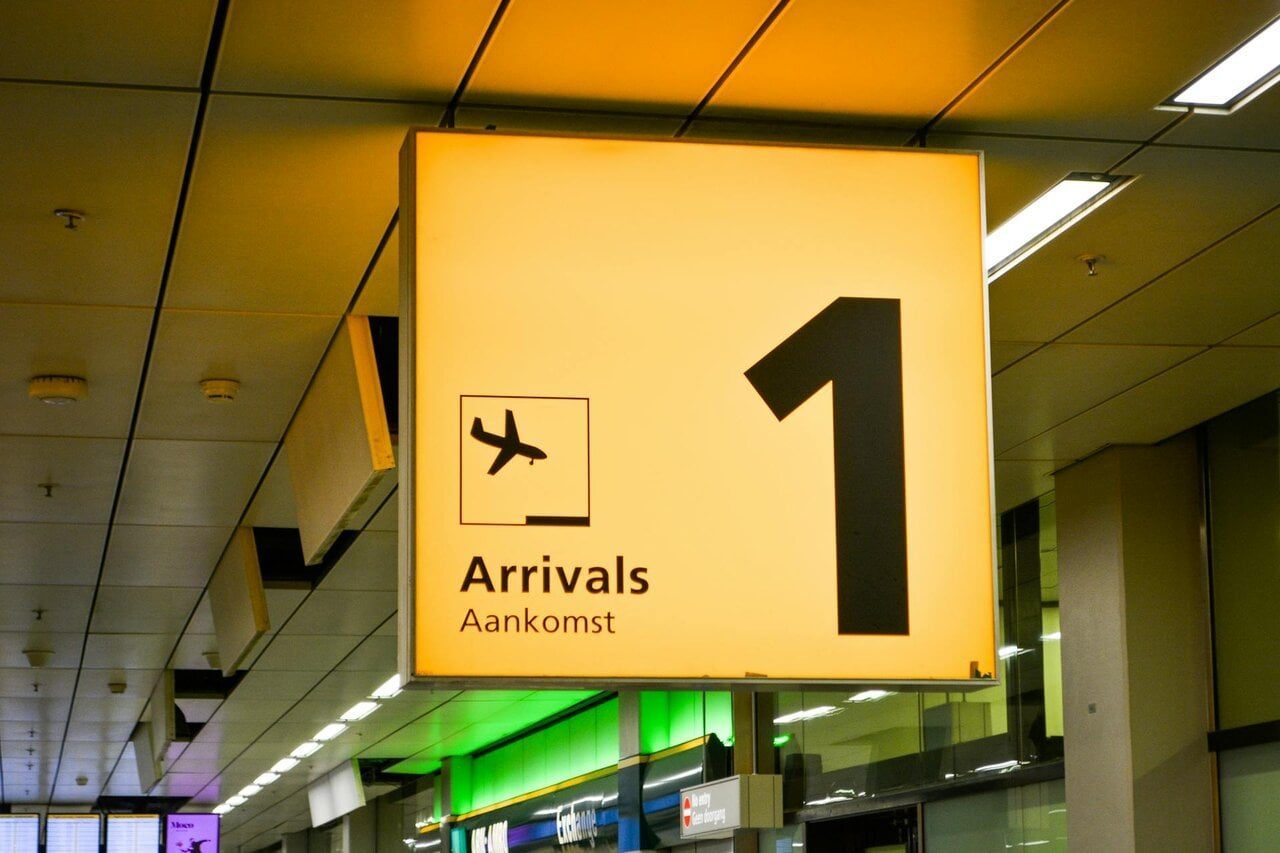
2. Airside vs Landside: The Invisible Line That Changes Everything
There’s a line in every airport that most people never think about: the border between airside and landside.
Once you cross immigration and customs, you’re landside. And the moment you’re landside, you’re treated like any other arriving passenger. That’s where transit visas – or full entry visas – suddenly become mandatory.
Here’s how I break it down when I plan:
- Airside transit: I stay in the international transit area, I don’t collect bags, I don’t pass immigration. Many countries allow this without a visa for certain nationalities.
- Landside transit: I must go through immigration – to collect and re-check baggage, change terminals that aren’t connected airside, or overnight in a hotel outside the secure zone. Now I’m subject to normal entry rules.
Common situations that quietly push you landside:
- Separate tickets that require you to check in again.
- Airlines that don’t interline baggage, so you must collect and re-check your suitcase.
- Changing airports in the same city (e.g., London Heathrow to Gatwick).
- Overnight layovers where the transit area closes or you want a hotel outside.
Takeaway: Before you buy that cheap connection, ask yourself: Will I stay airside the whole time?
If the honest answer is I’m not sure
, treat it as landside and assume you may need a visa. This is where visa rules for leaving the airport on a layover can make or break your plans.
3. Self-Transfer & Separate Tickets: The Cheapest Route, The Highest Risk
Self-transfer flights are where I see the most painful stopover visa mistakes. The price looks amazing. The catch is hidden in the fine print: Separate tickets – passenger responsible for transfers.
On a self-transfer, you’re usually not protected by the airline, and your bags often aren’t checked through. That means:
- You must enter the country to collect your luggage.
- You must check in again for the next flight, often at a different terminal.
- You’re treated as starting a new trip, not continuing one.
Now imagine doing that in a country where your passport requires a visa even for a short visit. If you don’t have that visa, the airline may refuse to board you at your origin airport. They’re on the hook for fines if they fly you in without proper documents, so they won’t take the risk.
Some classic high-risk combos:
- Budget self-transfer via London or a Schengen hub on separate tickets.
- Routing through Frankfurt or other German airports for certain nationalities that need an airport transit visa.
- US self-transfers when you don’t have a valid B1/B2 visa or ESTA.
Takeaway: If you’re on separate tickets, assume you’ll need to clear immigration. If that country requires a visa for your passport, factor in the cost, paperwork, and risk before you decide that self-transfer is really “cheaper.” Cheap flights with hidden visa costs stop being cheap very quickly.
4. Country-Specific Traps: US, UK, Schengen & Gulf Hubs
Some transit hubs are famous for catching people out. When I route through these, I double-check the transit visa requirements for layovers every time, even if I’ve done the route before.
United States
- If you normally need a US visa, you need some form of US permission (visa or ESTA) to transit – even if you never leave the airport.
- The Transit Without Visa program is suspended. Don’t rely on it.
- A valid B1/B2 visa or ESTA usually covers transit, but note the 90-day limit for trips that include Canada or Mexico as well as the US, as explained in detail by Nolo’s guide: US transit rules.
- C-1 transit visas require proof of onward travel and are no easier to get than a B1/B2, so many travelers just apply for the more flexible B visa.
United Kingdom
- Certain nationalities need a Direct Airside Transit Visa (DATV) even if they stay airside at Heathrow or Gatwick.
- If you have to go landside (e.g., change airports, collect bags), you may need a full UK visitor visa instead.
Schengen Europe
- Many Schengen airports don’t have a fully separated international transit zone.
- Some nationalities need an airport transit visa even to stay airside; others need a full Schengen visa if they must pass immigration.
- Schengen transit visa rules vary by country. Germany, France, and others have specific lists of nationalities that require airport transit visas – and those lists change.
Gulf & Asian Hubs (Dubai, Doha, Singapore, etc.)
- Dubai: May require a transit visa for longer layovers (e.g., 24 hours or more) unless you qualify for visa on arrival or other exemptions.
- Singapore: Some nationalities can transit visa-free if they stay in the transit zone; others need a visa even for short connections.
- China, Qatar, Turkey, Japan, South Korea: Often have transit-without-visa or short-stay schemes (24–144 hours) that can be used for stopovers – but the conditions are strict and change often.
Takeaway: Hubs are cheap for a reason: they’re complex. Before you route through them, check the official immigration or embassy site for your passport and your exact route, not just the country in general. This is essential multi-country itinerary visa planning.

5. When a Transit Visa Isn’t a Transit Visa (ESTA, eTA & Short-Stay Visas)
Another trap: assuming that anything digital and easy is a “transit visa.” It usually isn’t.
Here’s how I mentally sort the options when I’m comparing a transit visa vs entry visa or electronic authorization:
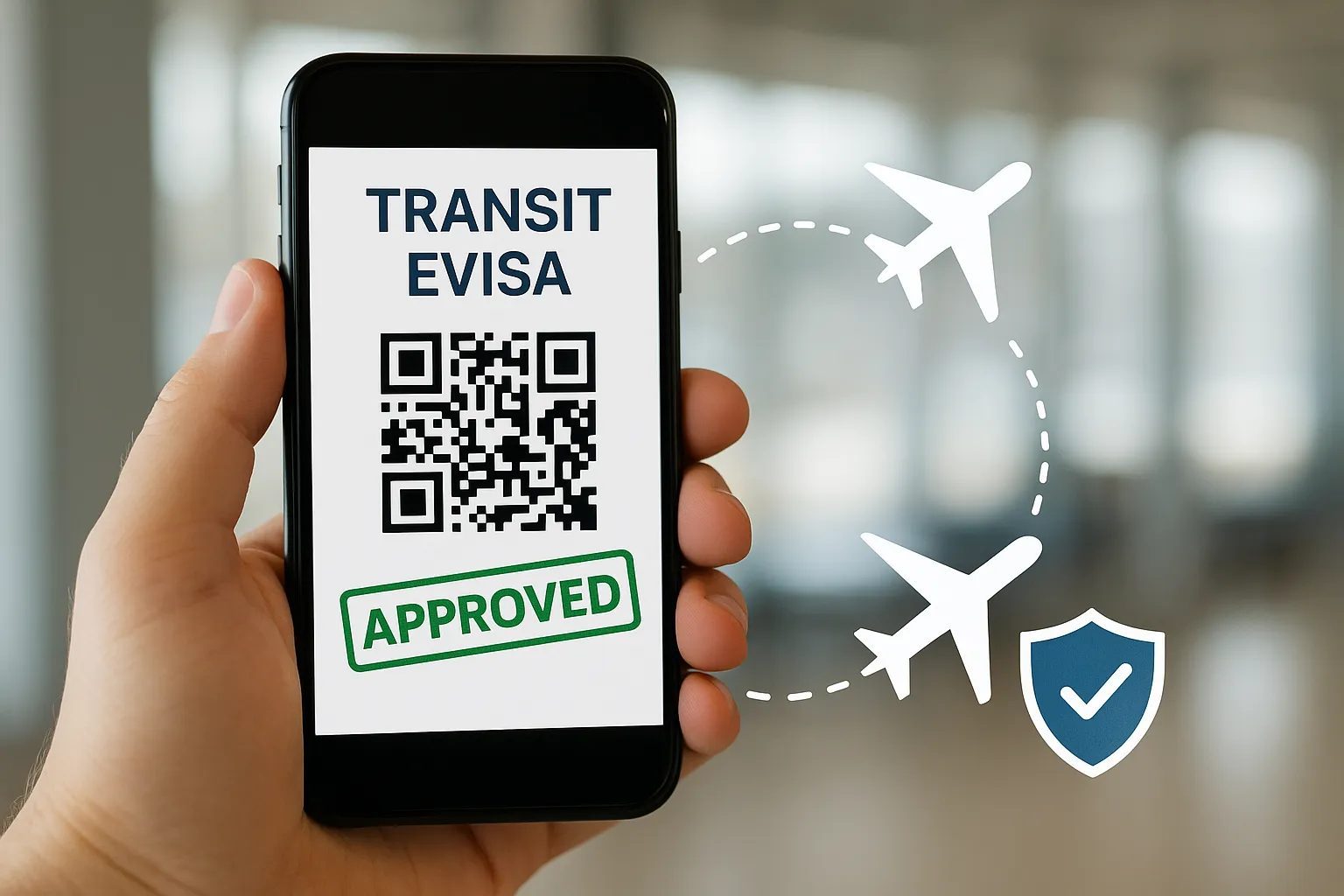
- Transit visa: A specific category (like US C-1, UK DATV, Schengen airport transit visa) that only lets you pass through on the way to a third country.
- Short-stay / visitor visa: A regular tourist/business visa that also covers transit. Many people choose this because it’s more flexible and often the same price and paperwork as a transit visa.
- Electronic travel authorization (ESTA, eTA, etc.): Not a visa, but often required for visa-exempt travelers. It may cover transit, but only if the rules say so.
For example:
- US ESTA under the Visa Waiver Program can usually be used for transit, but your total time in the US, Canada, and Mexico combined can’t exceed 90 days.
- Some countries don’t offer a separate transit visa at all – they just require a normal short-stay visa even if you never leave the airport.
- Infants and children often need their own transit visas or authorizations, even if they’re on a parent’s passport.
Takeaway: Don’t guess. Look for the exact wording: Does ESTA/eTA/this visa allow transit?
If the official site doesn’t clearly say yes, assume you need something else. That small detail can save you from the risk of flying without a transit visa.
6. How I Actually Check Transit Rules (Without Losing My Mind)
Transit rules are messy, nationality-dependent, and change constantly. Forums and social media are full of outdated or flat-out wrong advice. So I use a simple, repeatable process instead of trusting random comments.
Step 1: Map the exact route
- List every airport where I land, even for 45 minutes.
- Note whether I’m on one ticket or separate tickets.
- Check if bags are checked through or if I must collect and re-check.
Step 2: Identify where I might cross the border
- If I must collect bags, change airports, or re-check in, I assume I’ll go landside.
- If the airport is known for weak transit separation (many Schengen hubs), I assume immigration is likely.
Step 3: Check official sources
- Immigration or foreign ministry websites for each transit country.
- Embassy/consulate pages for my nationality.
- For the US, I cross-check with the State Department’s transit visa page and Nolo’s legal explainer.
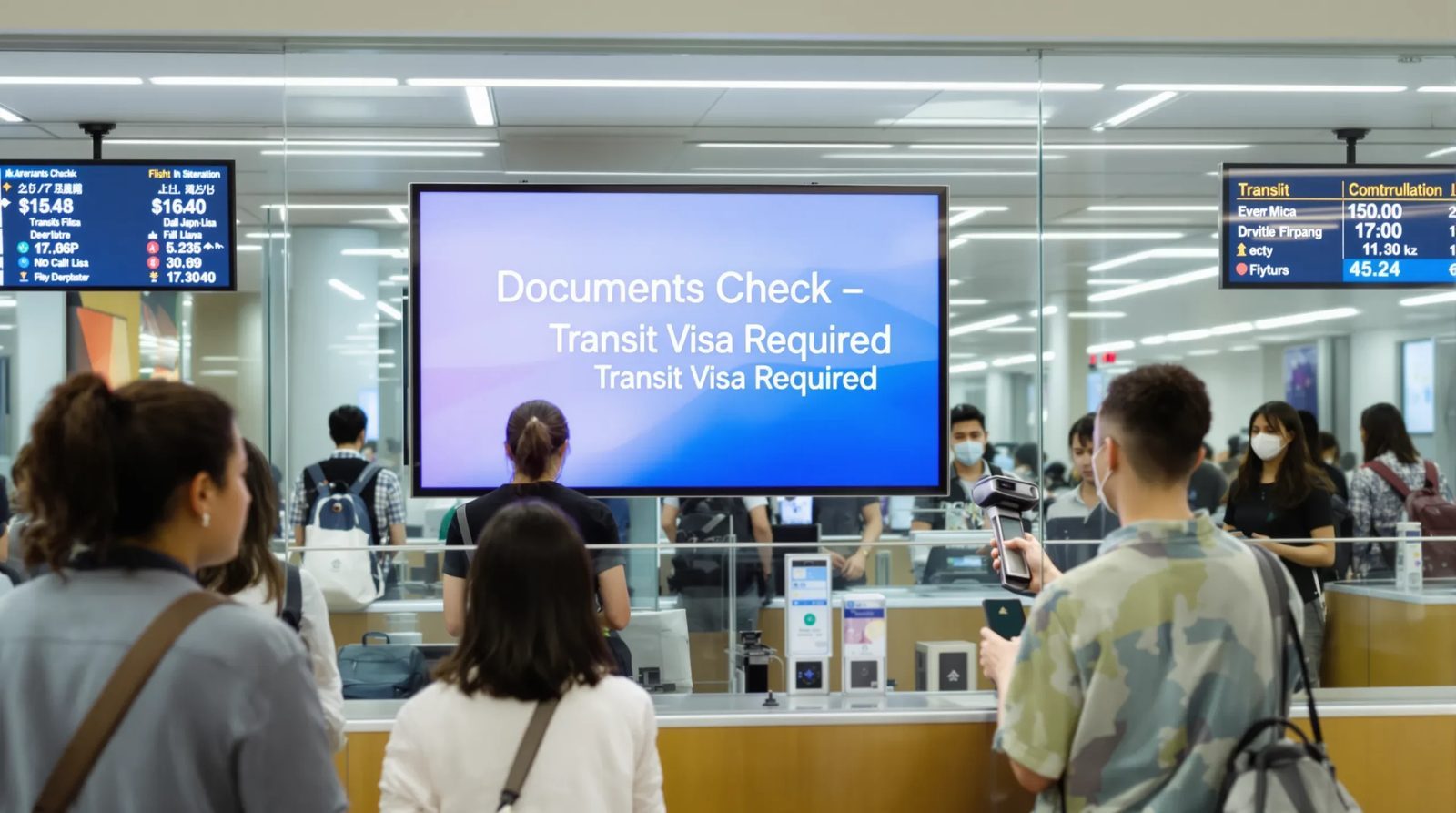
Step 4: Cross-check with airline data
- Airlines use the Timatic database to decide if they can board you. I either:
- Use an airline’s online
document check
tool, or - Call and ask them to check my exact route and passport in their system.
Step 5: Decide what to apply for
- If a transit visa and a short-stay visa cost the same and require similar documents, I usually choose the short-stay visa for flexibility.
- If there’s a transit-without-visa or 24–144 hour scheme, I read the conditions very carefully (onward ticket, airline, city limits, etc.).
Takeaway: Your goal isn’t to memorize every rule. It’s to have a process you trust, so you don’t rely on strangers on the internet when your entire trip depends on it. This is how you stay on top of connecting flight visa requirements without losing your mind.
7. Turning Transit from a Risk into a Bonus
Here’s the upside: once you understand entry rules for international stopovers, you can use them to your advantage instead of fearing them.
Some countries offer generous visa-free transit or easy stopover programs. Used smartly, they can turn a long layover into a mini-trip:
- China: 24/72/144-hour transit schemes in certain cities, if you qualify and follow the routing rules.
- Qatar, UAE, Turkey, Singapore, Japan, South Korea: Various transit or stopover programs that can include free or cheap hotel nights, city tours, or short-stay visas.
The trick is to treat these as real entries, not casual layovers. That means:
- Checking the exact conditions (eligible nationalities, airlines, cities, onward ticket requirements).
- Printing confirmations and keeping them handy for check-in and immigration.
- Building in buffer time in case of delays, because overstaying a transit scheme can cause serious problems.
Takeaway: The same rules that can ruin a cheap ticket can also unlock extra destinations – if you respect the fine print and plan for it. Done right, long layover visa requirements can turn into bonus city breaks instead of stress.
8. A Simple Pre-Booking Checklist (So Your Ticket Doesn’t Blow Up at the Gate)
Before I click Buy
on any multi-stop ticket, I run through this quick checklist. It takes a few minutes and has saved me from more than one disaster.
- List every stopover airport and whether I’ll stay airside or go landside.
- Confirm ticket type: one ticket or separate tickets? Are bags checked through?
- Check official rules for each transit country for my nationality (immigration site + embassy).
- Cross-check with airline/Timatic using an airline’s document-check tool or call center.
- Decide on the right permission: transit visa, short-stay visa, or electronic authorization.
- Apply early and keep digital + printed copies of approvals with my passport.
- Have a Plan B: a backup routing that avoids the strictest transit countries if something falls through.
Build this into your booking habit and you’ll stop relying on luck at the check-in desk. Your budget flight deals will stay cheap, you’ll dodge the worst visa traps on stopover flights, and you won’t be the person arguing with an airline agent while your flight boards without you.
In other words: don’t fear transit rules, but don’t ignore them either. Understand them, and you’ll have more routing options, more stopover opportunities, and far fewer nasty surprises.


