
I love walkable places. I also love not blowing my entire budget on one trip. Those two goals don’t always get along.
People often say, Stay in a walkable neighborhood, you’ll save money because you can walk everywhere.
Sometimes that’s true. Other times it’s an expensive illusion wrapped in cobblestone streets and cute cafes.
Let’s dig into how walkable neighborhoods really affect your travel budget—when they save you money, and when they quietly drain your wallet.
1. The Big Question: Are Walkable Areas Actually Cheaper Overall?
Here’s the tension: a walkable neighborhood usually costs more per night, but it can save you a lot on transport. The real question isn’t just, Is it walkable?
It’s, Does the money I save on transport beat the extra I’m paying for the location?
Look at U.S. cities and a pattern shows up. The most walkable big cities—San Francisco, New York, Boston—are also some of the most expensive places to stay. They score sky-high on Walk Score and transit access, but hotel and rental prices are steep. You’re paying for that convenience and for the name recognition.
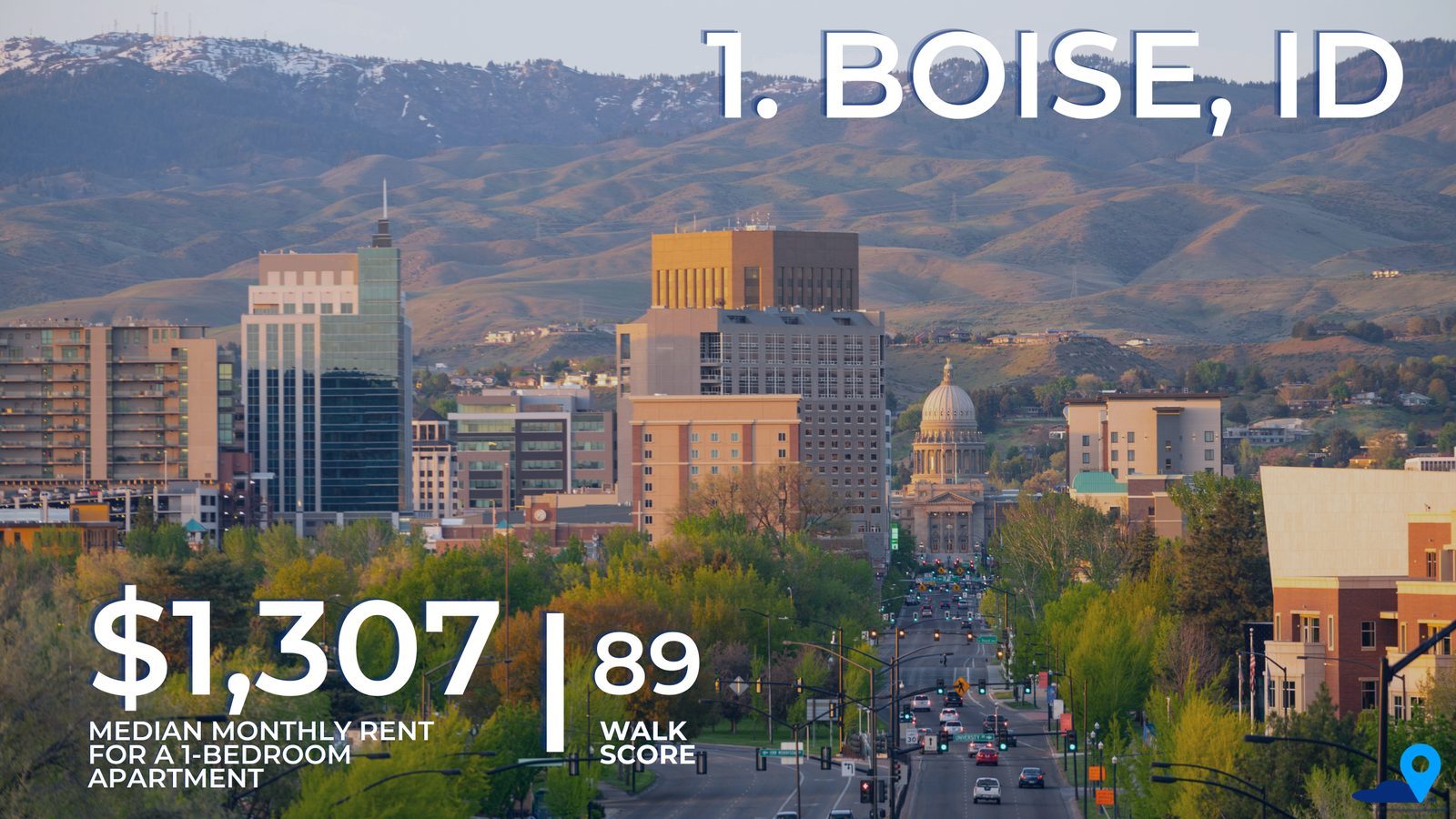
Then there’s a second tier of cities—Boise, Minneapolis, Philadelphia, St. Louis, Buffalo, Milwaukee—where you can get good walkability without the huge price tag. Median one-bedroom rents sit below the U.S. median of about $1,495, yet many neighborhoods are rated very walkable or even a Walker’s Paradise.
For travelers, that often translates into more reasonable hotel and short-term rental prices too.
So are walkable neighborhoods cheaper overall? It depends:
- Highly walkable + globally famous city center → usually more expensive overall, even if you walk everywhere.
- Walkable mid-sized city or neighborhood → often cheaper overall, especially if you’d otherwise rent a car.
The trick isn’t just asking, Is it walkable?
It’s asking, What am I paying extra for that walkability, and what costs does it actually replace?
2. The Hidden Price of the “Perfect” Central Location
We romanticize staying right in the middle of everything.
I’ve done it. It feels glamorous to step out the door and be in the thick of it. But there’s a financial and mental cost that doesn’t show up on the map.
Highly walkable, activity-dense neighborhoods usually come with a clear price premium. You’re paying extra to be steps from bars, restaurants, transit, and attractions. That’s true for locals, and it shows up in hotel and short-term rental prices too.
But the higher nightly rate isn’t the only issue:
- Noise and crowds: Constant foot traffic, late-night bars, delivery trucks at 5 a.m. It’s fun for one night. By day four, it can be exhausting.
- Spending temptations: In a dense, walkable area,
let’s just walk around
can easily turn into $60 of snacks, drinks, and impulse buys. The cost of staying in a walkable area isn’t just the room—it’s everything you’re tempted to buy within a few blocks. - Smaller, less restful spaces: Central, walkable areas often mean smaller rooms, thinner walls, and fewer calming views. Great for nightlife; not always great for sleep or sanity.
Over a few days, that combination can quietly wreck both your budget and your energy. You might technically save on taxis or rideshares, but if you’re spending more on food, drinks, and just one more
activity every night, your total trip cost goes up.
Travel takeaway: Don’t just ask, Can I walk everywhere?
Ask, What will this location nudge me to spend more on without thinking?

3. When Walkability Actually Saves You Serious Money
Now for the upside. In the right place, walkability is a genuine money-saver, not just a lifestyle perk.
Owning a car in the U.S. now averages over $12,000 per year—more than $1,000 per month once you factor in payments, insurance, gas, and maintenance. Even on a short trip, car costs add up fast: rental, fuel, parking, tolls, and sometimes tickets.
In a truly walkable city with solid transit, you can cut those costs dramatically. Think of places like:
- New York City: Land at the airport, hop on a train or subway, and you may never need a car. The subway runs 24/7, and many neighborhoods score 99–100 on Walk Score.
- San Francisco: Compact, dense, and transit-rich. You can cover a lot of ground on foot plus buses, Muni, and BART.
- Boston: A pre-car city with a tight historic core. The T (subway) fills in the gaps when walking isn’t enough.
These places are great examples of how hotel location affects your travel budget. They’re often expensive to sleep in, but if you pick the right neighborhood, you can skip the rental car entirely.
The savings show up most clearly when:
- You’d otherwise rent a car for several days.
- Parking is pricey or scarce near where you’re staying.
- You’re traveling solo or as a couple, so car costs aren’t split many ways.
On the flip side, some mid-sized cities give you the best of both worlds: walkability + lower lodging costs. For example:
- Minneapolis: One of the most walkable and bikeable cities in the U.S., with multiple
Walker’s Paradise
neighborhoods and relatively modest rents. - St. Louis: Very walkable pockets and some of the lowest median rents in the list—great for budget-conscious travelers.
- Buffalo and Milwaukee: Walkable, bikeable, and still relatively affordable compared with coastal cities.
Travel takeaway: Walkability saves you the most when it lets you skip the car entirely in a city that isn’t charging a huge premium for central, walkable accommodation.

4. City Center vs. Outskirts: The Real Math (Not Just the Nightly Rate)
One of the biggest budget mistakes travelers make is comparing only the nightly price of a central hotel vs. a cheaper place on the outskirts. That’s not the real cost of your trip.
When I’m deciding between a central hotel vs. a cheap distant hotel, here’s how I break it down:
- Start with total trip cost, not just lodging.
I add up:- Hotel or rental cost
- Daily transport (metro, buses, rideshares, parking, gas)
- Time cost: how much of my limited trip time I’ll spend commuting
- Factor in your trip length.
For a short trip (2–4 days), staying central often wins because your time is precious. For a longer stay, the savings from cheaper outskirts lodging can outweigh the extra transport costs—especially if the city has decent transit. - Look at the quality of transit, not just its existence.
A city with frequent, reliable trains or buses from the outskirts can make a cheaper, less walkable area totally workable. A city with poor transit turns that same choice into a daily headache and a pile of taxi receipts.
In general, staying in or near the city center means:
- Higher nightly rate
- Lower daily transport costs
- More energy for exploring (less time commuting)
Staying on the outskirts usually means:
- Lower nightly rate
- Higher daily transport costs (and sometimes a rental car)
- More time lost in transit, especially at night or during rush hour
This is where the hidden costs of non walkable hotels show up: extra taxis, parking fees, and the slow drip of time spent getting in and out of town.
Travel takeaway: Before you book the cheaper outskirts option, run a quick thought experiment: If I add transit, time, and hassle back in, is this still cheaper—or just cheaper on paper?

5. Walkable Vacation Towns: Where “Park Once and Wander” Works
Some destinations are almost designed for the park once and forget the car
strategy. In these places, walkability isn’t just a nice perk; it’s how you keep your trip sane and semi-affordable.
Think about these examples:
- Savannah: Compact historic district, free DOT shuttle, and most attractions clustered together. You can park once and walk. Downsides: humidity, event-related parking chaos, and rising lodging prices.
- Charleston: Walkable downtown peninsula with a free DASH shuttle. Beautiful, but not cheap. Parking near the center can still be pricey.
- Key West: Tiny, dense Old Town. You can get around on foot, bikes, pedicabs, trolleys, and shuttles. Hotels and dining are expensive, and the heat can be brutal.
- Asheville: Downtown and the South Slope brewery district are easy to explore on foot, which helps avoid constant metered parking. But major attractions like the Biltmore Estate and mountain hikes still require a car or tours.
- New Orleans: You can link the French Quarter, Marigny, Garden District, and riverfront by walking and cheap streetcars. But you need to think about neighborhood choice, heat, uneven sidewalks, and late-night safety.
- Bar Harbor: Walkable downtown plus free Island Explorer buses to Acadia National Park and nearby villages. This is rare: a national park gateway where you can genuinely minimize car use.
In all of these places, the winning move is similar:
- Book lodging in or near the walkable core.
- Park once (or arrive without a car).
- Use walking + local shuttles or streetcars to get around.
Here, the cost of staying in a walkable area can look high at first glance, but when you factor in parking, traffic, and stress, the central option often wins.
Travel takeaway: In small, walkable vacation towns, paying a bit more to stay central often pays off because it lets you ditch daily parking, avoid traffic, and actually enjoy the place at human speed.
6. The Mid-Sized City Sweet Spot: Walkable and (Still) Affordable
Here’s where things get interesting for your budget. You don’t always have to choose between super walkable and expensive
or affordable but car-dependent.
Some mid-sized cities quietly offer both walkability and reasonable costs.
Recent data highlights a few standouts:
- Boise, ID: Surprisingly walkable and a
Biker’s Paradise
in several neighborhoods like Morris Hill and North End. Median one-bedroom rents are below the national median. - Minneapolis, MN: One of the most walkable and bikeable cities in the country, with multiple neighborhoods rated a
Walker’s Paradise
and relatively modest rents. - Philadelphia, PA: High walkability and strong public transit, with some neighborhoods rated a
Rider’s Paradise
, yet still cheaper than New York or Boston. - St. Louis, MO: The most affordable city in one ranking, with a median one-bedroom rent under $900 and several very walkable neighborhoods.
- Buffalo, NY & Milwaukee, WI: Both offer walkable, bikeable neighborhoods and rents well below coastal-city levels.
For travelers, these places are interesting because:
- You can often stay in a walkable neighborhood without paying a huge city-center premium.
- You may not need a car at all, or only for specific day trips.
- You get a more local, less tourist-saturated experience.
If you’re trying to balance walkable neighborhood travel costs with a realistic budget, these mid-sized cities are worth a look. They’re often the sweet spot in any hotel location cost comparison.
Travel takeaway: If you care about both budget and walkability, start looking beyond the usual big-name cities. Mid-sized, under-the-radar places often give you the best value.

7. How to Choose Your Location: A Simple Decision Framework
When I’m planning a trip, I run through a quick checklist to decide where to stay. You can adapt this to your own style, budget, and tolerance for transit.
- Define your priority for this trip.
Ask yourself:Is this trip about seeing as much as possible, relaxing, or saving money?
- If it’s about maximizing experiences on a short trip, lean toward a central, walkable area.
- If it’s about budget, consider a walkable but less-famous neighborhood or a mid-sized city with good transit.
- If it’s about rest, you might actually prefer a quieter, slightly less central area with solid transit links.
- Estimate your transport costs with and without a car.
Roughly calculate:- Car rental + fuel + parking + tolls
- Versus: transit passes + occasional rideshares or taxis
- Check walkability and transit scores for specific neighborhoods.
Don’t just look at the city as a whole. A city can bewalkable
on paper while your particular area is a dead zone. Tools like Walk Score can help you compare neighborhoods and avoid classic budget travel hotel location mistakes. - Be honest about your habits.
If you know that being surrounded by bars and shops will tempt you into overspending, consider staying in a walkable but calmer area just outside the main nightlife zone. You still get the benefits of walking on vacation without constant pressure to spend. - Think about your energy, not just your wallet.
Long daily commutes from the outskirts can drain you. Sometimes paying a bit more to stay central is really paying for your own energy and enjoyment.
Travel takeaway: The cheapest
option is rarely the one with the lowest nightly rate. It’s the one where your lodging, transport, and daily habits all work together instead of against you.
8. So… Are Walkable Neighborhoods Really Cheaper?
Sometimes. But not automatically.
Walkable neighborhoods can save you money when:
- They let you skip a rental car and expensive parking.
- You choose a city or neighborhood where walkability doesn’t come with a huge price premium.
- You’re mindful about impulse spending on food, drinks, and shopping.
They can cost you more when:
- You pay top dollar to be in a famous, hyper-central area.
- You treat every stroll as an excuse to buy something.
- You ignore noise, stress, and sleep quality until they ruin your trip.
The real power move isn’t just chasing walkability. It’s choosing the right kind of walkable for your budget and your personality:
- Big, iconic city? Maybe stay in a slightly less central but still transit-rich neighborhood. You’ll often get a better balance between city center vs outskirts hotel prices.
- Mid-sized, underrated city? Go ahead and grab that walkable neighborhood—this is where you often get the best value and a more local feel.
- Small vacation town? Pay a bit more to be near the core and enjoy the freedom of walking everywhere while keeping your total trip cost under control.
Next time you plan a trip, don’t just ask, Can I walk there?
Ask, What is this location really costing me—and what is it quietly saving?
That’s where the smart, budget-friendly travel decisions live.