I love travel, but I don’t love wasting money, melting in crowds, or standing in a two-hour line for a 10-minute view. You probably don’t either.
So instead of asking, When is the best time to go?
it’s often more useful to ask: When should I absolutely avoid going?
Below, you’ll find a practical when not to travel guide to the worst time to visit popular destinations—especially in Europe and Paris—why those periods are so painful, and how to dodge peak season travel mistakes without giving up your dream trip.
1. Peak Summer in Europe: When Your Dream Trip Turns into a Queue
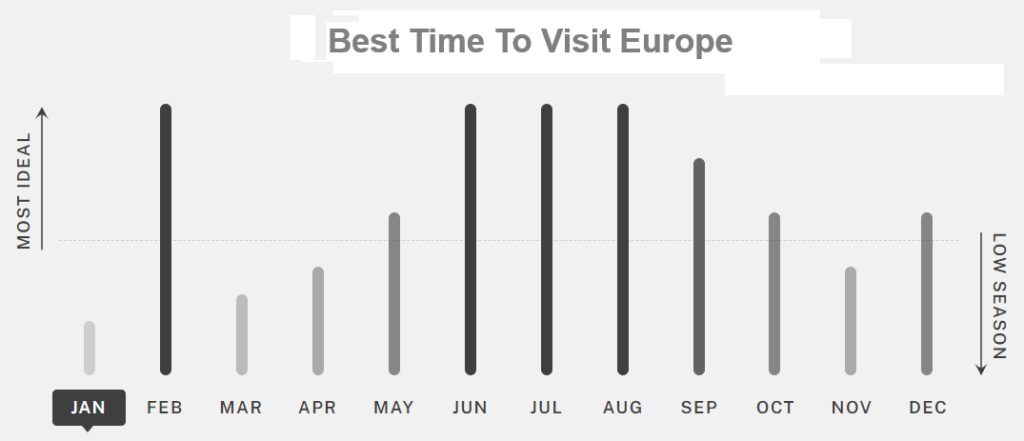
If you only remember one thing from this article, make it this: June–August is usually the worst time to visit Europe for most travelers.
Here’s what actually happens in peak summer:
- Crowds explode: Families on school holidays, tour groups, cruises, and festival-goers all collide. Cities like Rome, Paris, Barcelona, and Amsterdam can feel more like theme parks than real places.
- Prices spike: Flights, hotels, and even basics like taxis and simple meals jump in price. You pay more for a worse experience.
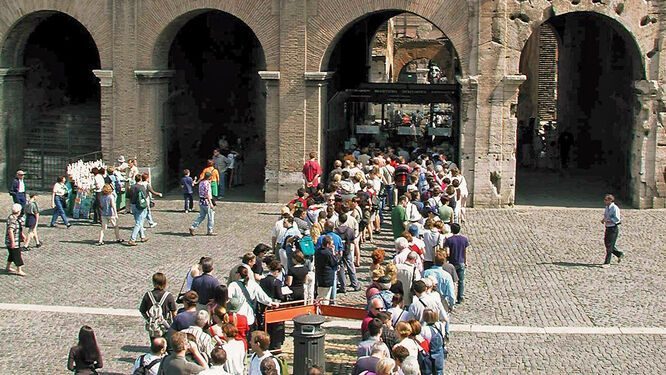
- Lines eat your day: Two hours for the Eiffel Tower, an hour for the Colosseum, timed-entry tickets that sell out weeks in advance.
- Heat waves are real: Southern Europe (Spain, Italy, Greece) can be brutally hot, and many older buildings don’t have strong air conditioning.
Seasoned Europe planners say the same thing over and over: summer is peak season for weather, but also peak misery for crowds and cost (Rick Steves, Simify, and others all agree).
So when is it not worth it to go in high summer?
- If you hate crowds or get anxious in packed spaces.
- If you’re on a tight budget and every extra $50 hurts.
- If your main goal is relaxed sightseeing, not nightlife or festivals.
Can you still go in summer? Sure. But treat it like a strategy game. Book early, visit big sights at opening or late evening, and consider staying overnight in places that are usually day trips (like Toledo or San Gimignano) so you can enjoy them after the tour buses leave. That’s how you get some of the benefits of off season vs peak season travel, even in July.
2. Holiday Madness: Christmas, New Year & Big Festivals
There’s a romantic idea of Europe at Christmas: markets, lights, mulled wine. It’s real. But so is the chaos.
Worst times to visit if you want flexibility and value:
- Christmas & New Year (late December–early January): Flights and hotels are heavily marked up. Popular Christmas market cities in Central Europe (Vienna, Prague, Munich) are packed and far from cheap.
- Major festivals: Think Oktoberfest in Munich, the Cannes Film Festival, big fashion weeks, or Semana Santa in Spain. These events are incredible if you’re going for them. If not, they’re just crowd and price multipliers.
During these periods you’ll often face:
- Fully booked or overpriced accommodation.
- Minimum-stay requirements at hotels and rentals.
- Limited flexibility to change plans without penalties.
Here’s the key question to ask yourself: Am I going for the event, or am I accidentally colliding with it?
If it’s the latter, move your dates. School holiday travel crowding and public holidays to avoid when traveling can quietly wreck a good itinerary.
If you want the charm without the worst of the crowds, aim for:
- Early December for Christmas markets (before school holidays kick in).
- Weekdays instead of weekends during festival periods.
3. When Weather Stops Being “Atmospheric” and Just Becomes a Problem
We all say we’re fine with a bit of weather
—until we’re trudging through slush in the dark at 3:30 p.m. in Scandinavia.
Some seasons don’t just change the vibe; they change what’s actually possible.
Europe’s weather red flags:
- Deep winter in Northern & Eastern Europe (roughly December–February): Sub-zero temperatures, snow, ice, and very short days. Beautiful? Yes. But transport disruptions and limited daylight can make sightseeing frustrating.
- Late fall in much of Europe (November, often early March): Grey, rainy, and not yet festive or spring-like. It’s cheap, but it can feel dreary if you’re imagining café terraces and golden sunsets.
- Extreme summer heat in the Mediterranean (July–August): Midday sightseeing becomes a test of endurance. Many locals simply avoid going outside in the afternoon. You should too.
On top of that, infrastructure matters more than the forecast:
- Older hotels and apartments may have weak air conditioning in summer.
- Heating can be milder than what North Americans are used to in winter, so indoors can feel colder than you expect.
Personally, I avoid:
- January–February in northern cities if it’s my first time and I want to see a lot outdoors.
- July–August in southern Europe if I’m planning full days of walking and museums.
If you must go in these windows, build your days around the conditions: early-morning and evening sightseeing in summer, slow museum-heavy days in winter, and realistic expectations about how much you can do. That’s how you avoid turning a bucket-list trip into a weather endurance test.
4. Paris in High Season: The City of Lines and Surge Pricing
Paris is always a good idea… except when it isn’t.
Most sources agree that June–August is the worst time to visit Paris if you care about comfort, cost, or sanity.
Here’s what summer in Paris really looks like:
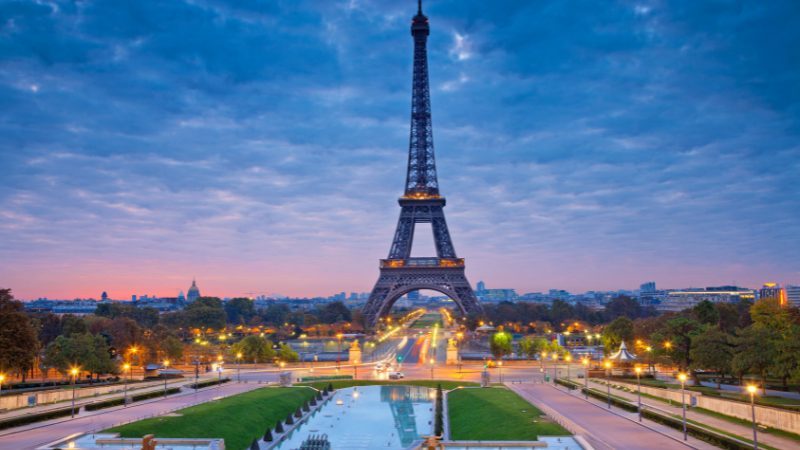
- Long queues at the Eiffel Tower, Louvre, and other icons. You’ll spend more time waiting than wandering.
- Higher prices for flights and hotels, especially around school holidays.
- Heat and humidity that feel worse in crowded metros and un-air-conditioned buildings.
- Overloaded public transport and packed popular neighborhoods.
Is it still beautiful? Of course. But you’re paying top dollar to share it with everyone else.
When do I avoid Paris?
- When my dates fall in late June–August and I have any flexibility at all.
- When I’m on a tight budget and can’t justify high-season hotel rates.
Better alternatives:
- April–early June: Spring blossoms, longer days, fewer crowds than peak summer.
- September–November: Softer light, cooler temperatures, and more reasonable prices.
- Winter (December–February): Colder, yes, but thinner crowds and a cozy, festive feel.
If summer is your only option, treat it like damage control. Book timed-entry tickets for major sights, stay near a metro line to avoid long walks in the heat, and plan early-morning museum visits with late-evening strolls along the Seine. That way you’re not living the worst time to visit popular destinations cliché.
5. The “Cheap but Closed” Trap: Off-Season Travel Done Wrong
Off-season travel is often sold as a hack: Go in winter, it’s cheaper!
That’s true. But there’s a catch.
November–March (excluding Christmas/New Year) is usually the cheapest time to visit Europe. Flights and hotels drop, crowds thin out, and you can have big-name cities almost to yourself.
But here’s what people don’t always tell you:
- Some attractions reduce hours or close entirely, especially in smaller towns and coastal areas.
- Ferries, scenic trains, and seasonal tours may not run.
- Beach destinations can feel half-shuttered and lifeless.
So when is off-season actually the worst time to go?
- When your trip depends on specific outdoor activities (hiking routes, boat trips, island hopping).
- When you’re dreaming of vibrant café culture and street life, not quiet, rainy streets.
- When you haven’t checked whether your must-see sites are even open.
Off-season can be brilliant if you’re realistic: think museum-heavy city breaks, cozy food trips, or ski holidays. It’s a bad idea if you’re expecting summer energy at winter prices. Before you book, double-check that the things you care about most aren’t in hibernation.

6. Shoulder Seasons: The Times You’ll Rarely Regret
After years of planning and re-planning trips, a pattern keeps showing up: the trips I regret least almost always fall in the shoulder seasons.
For Europe, that usually means:
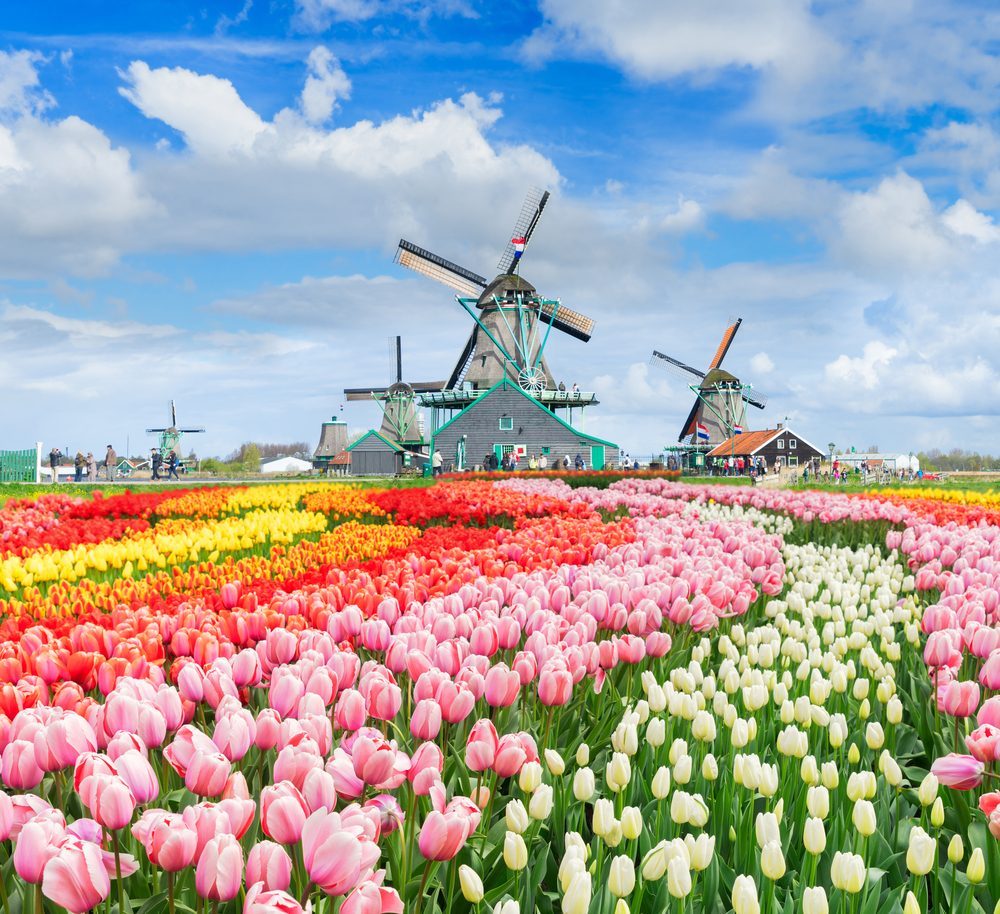
- Spring: April–June
- Autumn: September–October
Why these months work so well:
- Weather: Generally mild, with fewer extremes of heat or cold.
- Crowds: Noticeably lighter than peak summer, especially outside school holidays.
- Prices: Often lower than July–August, especially for accommodation.
- Daylight: Long enough for full sightseeing days without the intensity of high summer.
Are they perfect? No. Early spring and late autumn can be rainy and unpredictable. But the trade-off usually favors you: more comfort, more flexibility, and more value. If you’re trying to avoid the classic months to avoid visiting Europe, this is where you land.
So if you’re staring at a calendar and trying to dodge the worst times, here’s a simple rule:
If I can move a trip from July/August into May/June or September/October, I almost always do it.
7. How to Decide: Is This the Wrong Time for Your Trip?
Let’s make this practical. Before you book, ask yourself a few blunt questions:
- What do I care about most?
Rank these: avoiding crowds, saving money, good weather, specific events (festivals, Christmas markets, skiing, beaches). Your top two should drive your timing. - Am I accidentally choosing the most expensive, crowded version of this trip?
If your dates fall in June–August or around Christmas/New Year, assume you are—unless you’re going specifically for that season. - What will actually be open and enjoyable when I go?
Check opening hours, seasonal closures, and whether key activities (boat trips, hikes, markets) are running. This is where many people get burned by off-season vs peak season travel. - Can I shift by 2–4 weeks?
Often, moving a trip from early August to late September—or from late December to early December—dramatically improves cost and comfort.
In the end, there’s no single right
time to travel. But there are very clear wrong times for certain kinds of trips. If you match your timing to your priorities—and avoid the obvious traps like the worst time to visit New York City in deep winter or the worst time to visit Bali in rainy season—you’ll get far more out of every mile and every dollar.
Before you lock in dates, pause and ask: Am I paying peak-season prices for a peak-season experience… or just for peak-season problems?
That one question has saved me from more bad trips than any guidebook.