
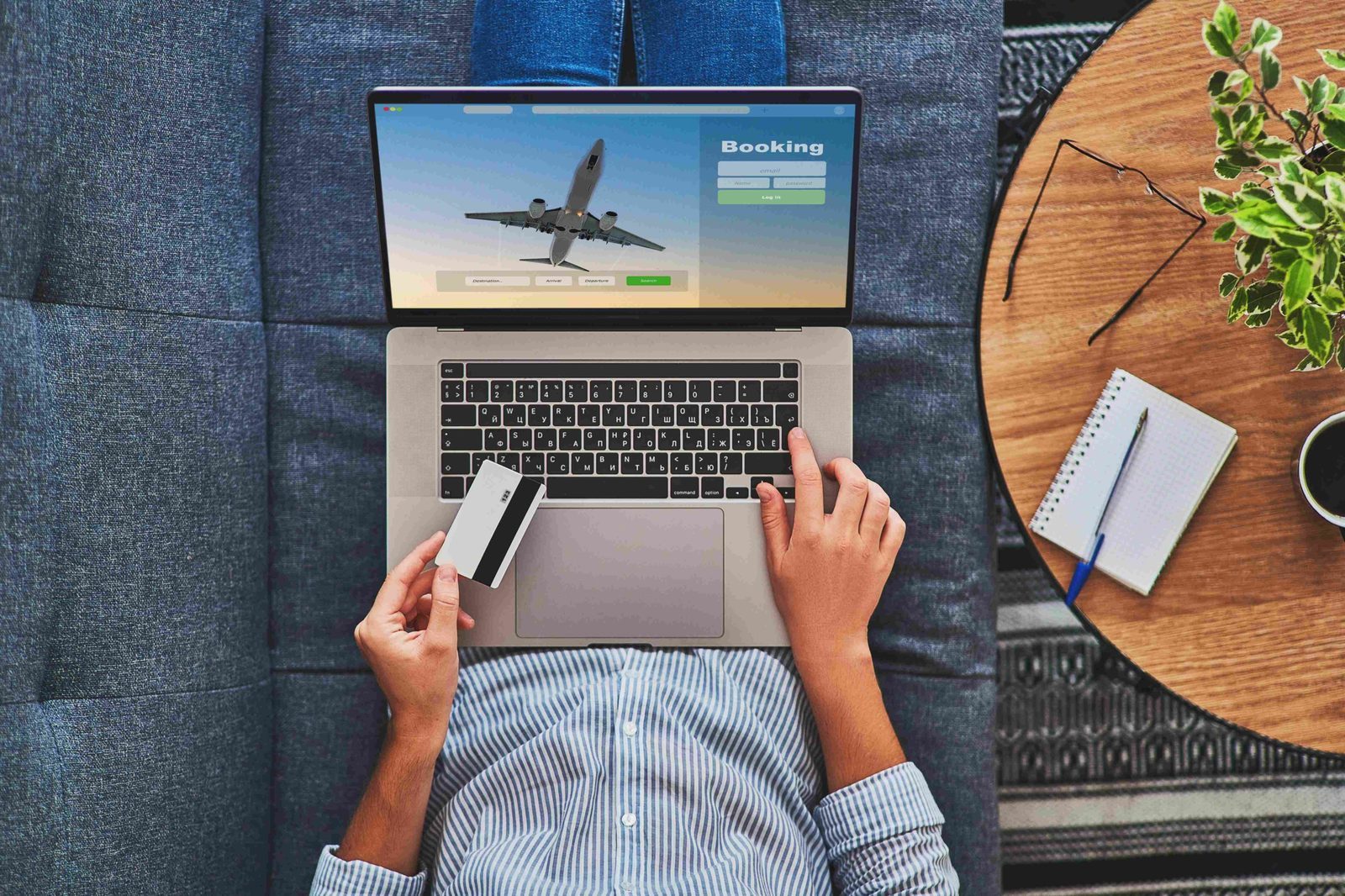
I plan my trips like a spreadsheet nerd. I track fares, set alerts, clear cookies. And still, I watch the same flight jump $80 in an afternoon or a hotel room double in price the week before I travel.
If you’ve felt that too, you’re not imagining it. You’re living inside a giant experiment called dynamic travel pricing – and it’s quietly rewriting your budget for flights and hotels.
In this guide, I’ll walk through how surge fares, resort fees and seasonal price spikes actually work, what’s hype versus reality, and the specific decisions you can make to stop overpaying.
1. The core problem: you’re playing a pricing game you can’t see
When you open a booking site, it looks simple: one route, one date, one price. But behind that screen, airlines, hotels and car rentals are running thousands of micro-auctions every day.
They’re not asking, What is this flight worth?
They’re asking, What is someone like you likely to pay for this seat right now?
Modern revenue systems – tools like PROS, Sabre AirVision, Amadeus Altéa and others – constantly recalculate prices based on:
- How fast seats or rooms are selling (booking velocity)
- Seasonality, school holidays and typical seasonal travel price spikes
- Events (concerts, conferences, big games)
- Competitor prices and promotions
- Fuel costs, regional conflicts, and capacity cuts
Airlines in particular are obsessed with one number: load factor – how full the plane is. They want it above roughly 80%, because every empty seat at departure is pure lost revenue. That’s why prices for the same route can change several times a day.
The uncomfortable truth: you and the person in the next seat probably paid very different amounts. That’s not a glitch. It’s the design of dynamic pricing on flights.
Takeaway: Stop thinking in terms of a single fair price
and start thinking in terms of your price window
– the range where the algorithm is willing to sell to someone like you, at this moment, for this trip.
2. Surge fares and seasonal spikes: when timing quietly explodes your budget
Dynamic pricing is most brutal when you collide with inelastic demand – situations where people have to travel and can’t easily change plans.
Think about:
- Thanksgiving or Christmas flights to see family
- Summer holidays to school-break destinations
- Last-minute work trips where you must be in a specific city tomorrow
On those dates, airlines know you have few substitutes. Driving 12 hours or taking a two-day train isn’t realistic for most people. Economists call this inelastic demand. Prices can rise sharply without killing demand, which is why surge pricing on flights feels so painful.
Here’s how the pattern usually plays out:
- Far in advance: A few cheaper fare buckets are available to attract early, price-sensitive bookers.
- Middle period: As cheaper buckets sell out and demand forecasts firm up, prices climb.
- Close to departure: Fares spike to capture last-minute, less price-sensitive travelers (often business travelers).
Sometimes, if airlines misjudge demand and seats are still empty close to departure, you’ll see flash sales or last-minute drops. But that’s the exception, not the rule.
Hotels and car rentals follow the same logic. Big conference in town? Long weekend? Expect a surge. Quiet midweek in shoulder season? Suddenly you’re the one with leverage and those seasonal airfare and hotel pricing spikes calm down.
Takeaways:
- If your dates are fixed around holidays or events, book earlier than feels comfortable. Waiting rarely helps.
- If your dates are flexible, shift by a day or two around peaks. Flying on the holiday itself or a day off-peak can save hundreds.
- Don’t chase mythical rules like
the cheapest day is Tuesday
. Once everyone believes a pattern, the pattern dies.
3. Are you being personally targeted – or just caught in the crossfire?
This is where things get murky. Officially, airlines say they price based on overall demand and conditions, not on you as an individual. And for many legacy airline systems, that’s still mostly true.
But online travel agencies and booking platforms? They absolutely watch how you behave:
- Repeated searches on the same route and dates
- Your device, IP address and location
- Whether you tend to book budget or premium options
- How often you abandon carts or return later
Some platforms use this to segment you and adjust what you see. Not always by changing the base price, but by:
- Showing different fare options or room types first
- Highlighting urgency messages like
only 2 seats left at this price
- Testing slightly higher prices if you keep coming back
There’s evidence that repeated searches from the same device or IP can correlate with higher displayed fares, especially in peak seasons and wealthier regions. It’s not always a direct you searched three times, here’s a $50 penalty
, but your behavior feeds the demand signal that drives dynamic pricing travel traps.

What I do in practice:
- Search broadly in a normal browser to explore dates and routes.
- When I’m close to booking, I double-check in an incognito window and sometimes on a second device or network (e.g., mobile data vs home Wi‑Fi).
- I ignore panic-inducing messages like
12 people are viewing this hotel
unless I know there’s a real event driving demand.
Will this always save money? No. But it reduces the chance that your own curiosity is being interpreted as desperation.
4. Resort fees, baggage, and the art of hiding the real price
Dynamic pricing isn’t just about the headline fare. It’s also about what gets left out of that first number.
Airlines and hotels know you sort by price. So they have a strong incentive to keep the visible price low and push costs into the fine print:
- Resort fees / destination fees: Mandatory nightly charges that don’t show up until late in the booking flow. They can add 10–40% to your hotel cost and completely change the travel budget impact of resort fees.
- Basic economy traps: Super-cheap fares that exclude seat selection, bags, and sometimes even changes. Once you add what you actually need, the
deal
evaporates. - Dynamic baggage pricing: Bag fees that change by route, season, and booking channel. Sometimes cheaper online in advance, sometimes not.
- Parking and
facility
fees: Especially at resorts and city-center hotels.
Here’s the trick: dynamic pricing applies to these extras too. A bag fee on a busy holiday route can be higher than on a quiet Tuesday. A resort fee might be fixed, but the base rate flexes around it to keep the total revenue where the hotel wants it.
That’s why comparing resort fees vs nightly rate matters. The sticker price can look cheap while the hidden costs in hotel pricing do the real damage.
How I protect myself:
- On hotel sites, I click through to the final price page before I emotionally commit. I treat the first price as a teaser.
- On flights, I compare basic vs standard vs flex with my real needs: one checked bag? Seat selection? Change flexibility? I often find the
middle
fare is cheaper than basic + add-ons. - I keep a simple rule: compare total trip cost, not sticker price. That includes bags, transfers, parking, and resort fees.
Once you start thinking in all-in
numbers, a lot of deals
stop looking like deals.
5. The booking window dilemma: how early is early enough?
One of the most common questions I get is: When is the best time to book?
There is no magic day. But there are patterns you can use to avoid the worst dynamic pricing mistakes travelers make.
Dynamic pricing systems lean on historical data + real-time demand. They know, for example, that:
- Leisure travelers tend to book earlier and are more price-sensitive.
- Business travelers book later and care more about timing than price.
- Some routes are highly seasonal; others are steady year-round.
So airlines and hotels shape their price curves accordingly. In many markets:
- Too early: Prices can be high because demand is uncertain and they don’t want to underprice.
- Sweet spot: As demand becomes clearer, they open more fare buckets and adjust to fill capacity.
- Too late: Prices rise again to capture last-minute, less price-sensitive travelers.
That sweet spot
varies by route and season, but for many international trips it’s often in the 2–4 month range; for domestic, sometimes 1–3 months. Not a rule, but a useful starting point when you’re timing flights to avoid price spikes.
How I decide when to book:
- If it’s a peak period or a must-take trip (weddings, holidays, big events), I book as soon as I see a price I can live with. Waiting is usually a losing game.
- If it’s off-peak and I’m flexible, I set alerts (via tools like Google Flights or similar) and watch the trend for a couple of weeks.
- Once a fare hits the lower end of what I’d be happy to pay, I book and stop looking. Obsessing after the fact is a tax on your sanity.
Dynamic pricing means there is no guaranteed best
moment. There is only a reasonable moment, based on your risk tolerance and flexibility.
6. Beating the system (a little): practical moves that actually work
You can’t out-algorithm the airlines. But you can make choices that tilt the game slightly in your favor and help you avoid the worst surge fares and unexpected travel fees.
1. Flex your variables
- Shift your dates by a day or two.
- Try nearby airports (both departure and arrival).
- Consider time of day: early morning or late-night flights are often cheaper because they’re less convenient.
Dynamic pricing punishes rigidity. Every bit of flexibility is leverage.
2. Use alerts, not constant refreshing
- Set price alerts instead of manually checking 10 times a day.
- Use a couple of different tools to see if they agree on the general trend.
- Avoid turning your own behavior into a
high demand
signal on a single platform.
3. Think in total trip cost
- Compare fare families (basic vs standard vs flex) with your real needs.
- Factor in resort fees, parking, transfers, and baggage before you decide.
- Sometimes a slightly more expensive flight to a closer airport saves money on ground transport.
This is where a simple dynamic pricing cost guide for travel in your head helps: base fare + bags + seat + hotel fees + transport. That’s the number that matters.
4. Use loyalty strategically, not blindly
- Loyalty programs and status can offset dynamic pricing with free bags, seat selection, or upgrades.
- But don’t overpay by hundreds just to earn miles. Treat miles as a discount, not a reason to ignore price.
5. Accept that you won’t always win
Dynamic pricing is designed to squeeze out consumer surplus – the gap between what you’d happily pay and what you actually pay. Sometimes you’ll get a steal. Sometimes you’ll pay more than your neighbor. The goal isn’t perfection; it’s avoiding the obvious traps in flight and hotel dynamic pricing.

My personal rule of thumb: If I’ve compared a few options, checked total costs, and the price fits my budget, I book and move on. The mental energy of chasing the absolute bottom is rarely worth the marginal savings.
7. The bigger picture: why this isn’t going away
Dynamic pricing isn’t a phase. It’s the operating system of modern travel.
Airlines, hotels, and intermediaries are investing heavily in AI-driven systems that:
- Ingest live inventory and demand data in real time
- React instantly to competitor moves and external shocks
- Test and tweak prices across thousands of routes and room types
For them, a well-tuned dynamic pricing engine can mean 5–15% more revenue without adding a single seat or room. That’s huge in a low-margin industry.
For you, it means the old mental models – fixed prices, predictable patterns, simple book on Tuesday
rules – are obsolete.
The way forward is different:
- Understand the logic behind the prices you see.
- Decide your own walk-away number before you search.
- Use flexibility, alerts, and total-cost thinking to avoid the worst spikes and hidden resort fees cost.
You won’t beat the system every time. But you can stop being the easiest target in the room.
Next time you see a fare jump mid-search, don’t just get angry. Ask yourself: What signal did I just send, and how can I send a different one next time?
That shift in mindset is where real savings start.