
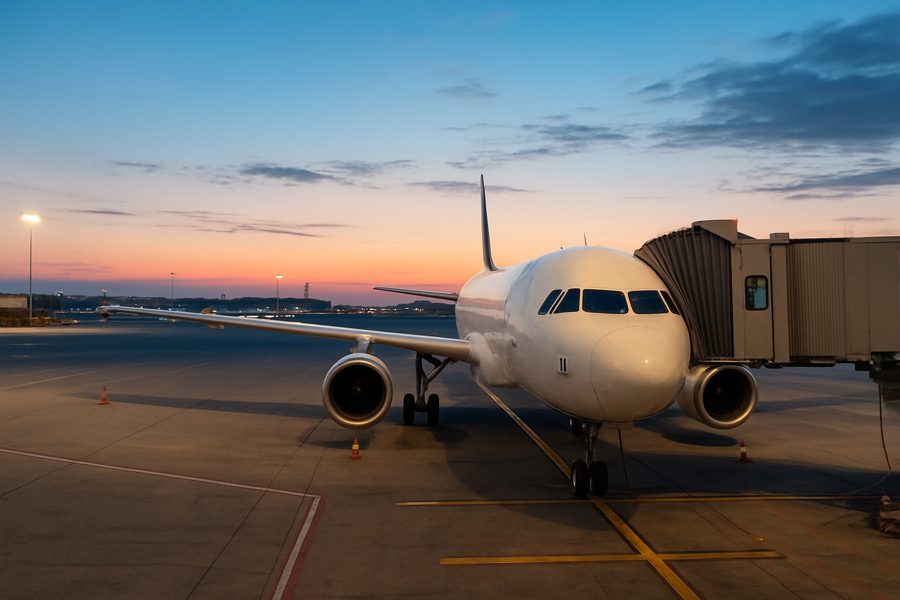
I used to grab the earliest flight on the screen and feel pretty pleased with myself. Cheap fare, empty airport, smug sense of being “smart.” Then I started adding up everything around that ticket: the airport hotel, the 4 a.m. taxi, the extra coffee and snacks, the wasted first day because I was half-asleep. Suddenly, that bargain flight didn’t look so cheap.
This isn’t a rant against early departures. They can be brilliant. But if you’re trying to keep your early morning flight costs under control, you need to look beyond the ticket price. Let’s walk through the real cost of those dawn departures so you can decide whether they’re actually worth it for your next trip.
The Myth: Early Flights Are Always Cheaper
You’ve probably heard it: Book the 6 a.m. flight, it’s always cheaper.
It sounds reasonable. Who wants to wake up at 3 a.m.? Of course airlines have to discount those seats, right?
There is some truth here. Several fare analyses, including data cited by TripSense and other trackers, suggest early-morning and late-night flights can be about 12–16% cheaper on average than peak-time departures. But that’s an average, not a guarantee.
- Dynamic pricing: Airlines use revenue algorithms that constantly tweak fares based on demand, remaining seats, competition, and seasonality. Time of day is just one variable in a messy equation.
- Route matters: On business-heavy routes, those 6–8 a.m. departures can actually be more expensive because that’s exactly when business travelers want to fly.
- Season matters: During holidays or big events, even the 5 a.m. departures can be priced like gold. Early doesn’t automatically mean cheap.
So instead of asking, Are early flights cheaper?
I ask a different question: What’s the total value of this flight time for this specific route and date? Sometimes the early flight wins. Other times, a mid-morning departure at the same price is a far better deal because it doesn’t wreck my sleep.
Takeaway: Don’t assume early equals cheap. Compare several departure times on the same day. If the early flight is only slightly cheaper, keep reading—because the hidden costs of early flights might flip the equation.
The Hidden Hotel Cost: Are You Paying for an Extra Night?
This is the first trap many travelers fall into. You book a 6 a.m. flight. Check-in is at 4 a.m. The airport is 45–60 minutes away. Suddenly you’re setting an alarm for 2:30 a.m. and asking yourself: Do I really want to risk traffic, oversleeping, or a late Uber?
That’s when the airport hotel starts to look tempting.

Here’s the catch: that “cheap” early flight can quietly push you into an extra night of accommodation or a more expensive hotel near the airport. The airport hotel cost for an early flight is part of your ticket, whether you like it or not.
Think through these scenarios:
- City-center hotel vs. airport hotel: Maybe you’re in a charming (and pricey) downtown hotel. To make a 6 a.m. flight, you move to an airport hotel for the last night. That’s another booking, another check-in, another taxi or train ride.
- Upgrading for convenience: You might pay more for a hotel with a shuttle, 24/7 reception, or late checkout just to make the logistics work for that early departure.
- Paying for a bed you barely use: If you’re leaving the hotel at 2:30 or 3 a.m., you’re paying full price for maybe four hours of actual sleep. Not exactly great value.
One smart tactic, as Explore.com points out, is to downgrade your last-night hotel. If you’re just crashing for a few hours before a dawn flight, you don’t need a rooftop pool and designer lobby. A clean, basic airport hotel—or even a capsule hotel—often makes more sense.
Sometimes, if the flight is extremely early, I ask myself a blunt question: Is this flight so early that a hotel is almost pointless? If the honest answer is yes, I seriously consider staying at the airport instead (more on that later).
Takeaway: When you see a cheap early flight, mentally add a line item: Last-night hotel adjustment: +$X
. If that pushes the total above a later flight, the “deal” disappears.
The Taxi Trap: How Much Is Your 4 a.m. Ride Really Costing?
Next hidden cost: getting to the airport when the city is asleep.
Public transport is often limited or nonexistent at 3–4 a.m. That leaves you with taxis or ride-shares. And those prices can spike at exactly the times early flights require. The taxi to airport early morning can quietly erase any savings from that 6 a.m. departure.
Here’s what I look at before I commit to a dawn departure:
- Is there night transport? Some cities have night buses or 24/7 trains. Many don’t. If you’re relying on a metro that only starts at 5 a.m., a 6 a.m. flight is a gamble.
- Surge pricing: Ride-share apps often charge more at night or in the early morning, especially near airports. That “cheap” flight can come with a $40–$60 ride attached.
- Safety and comfort: Walking to a bus stop at 3 a.m. with luggage might not feel great, depending on the area and how familiar you are with the city.
Tools like the Uber estimate calculator or Uber cost calculators are surprisingly useful here. I’ll plug in my hotel and the airport, set the time to 3–4 a.m., and get a rough idea of what that ride will cost. Then I compare it to a mid-morning ride when public transport is running.
Sometimes the math is brutal: a $30 cheaper flight, but a $40 more expensive ride. That’s not a saving. That’s a trap.
Takeaway: Always price out your airport transfer for the actual time you’ll travel. If the early flight forces you into a pricey taxi or ride-share, add that to the ticket cost before you decide.
The Sleep Equation: What Is Your First Day Worth?
This is the cost most people ignore because it’s hard to quantify. But it might be the most important one.

Ask yourself: What is a functional first day at my destination worth? Not in dollars, but in experience. When you’re weighing an early flight vs evening flight, this is where the real trade-off lives.
Early flights often mean:
- 2–4 hours less sleep than usual, especially if you’re anxious about oversleeping.
- Fragmented rest if you try to nap on the plane or in the airport.
- Jet lag amplified on long-haul routes when you start the trip already exhausted.
Now picture your arrival:
- You land at 9 a.m., but you’re so tired you can’t check in properly, explore, or enjoy that first meal.
- You burn the first day napping or dragging yourself around in a fog.
- If it’s a work trip, your first meeting or presentation is on a sleep deficit. That’s not cheap; that’s risky.
In other words, you’ve traded a small fare saving for a low-value first day. Sometimes that’s fine. If you’re visiting family and plan to nap on their couch, no big deal. But if you’ve only got three or four days in a city, sacrificing one to exhaustion is a huge cost.
I like to frame it this way: Would I pay $30–$50 to arrive rested and actually enjoy day one? Often, the answer is yes. And that’s exactly what a slightly later flight is offering. The sleep loss from early flights is part of your total trip cost, even if it doesn’t show up on your credit card statement.
Takeaway: Don’t just price the ticket. Price your energy. If an early flight turns your first day into a write-off, it may be more expensive than it looks.
Reliability vs. Risk: Are Morning Flights Really Better for Delays?
Now for some good news: early flights do have real advantages. They’re not just a travel myth.

Data from sources like the Bureau of Transportation Statistics and major booking sites shows that morning flights are often more punctual. Why?
- Planes are already there: Many aircraft overnight at the airport, so they’re at the gate, cleaned, and serviced before dawn.
- Less congestion: Airspace and airports are quieter early in the day, so there’s less traffic to cause knock-on delays.
- Fewer cascading problems: Later flights inherit delays from earlier ones. First departures don’t.
That reliability can be worth a lot, especially if you have:
- Tight connections on separate tickets, where missed connections on early flights could be a disaster.
- Important events (weddings, conferences, exams) soon after arrival.
- Same-day meetings in another city where you can’t afford to be late.
But there’s a twist. On some routes—especially business-heavy ones—those early flights are exactly the ones everyone wants. That can push prices up, not down. So you might be paying a premium for reliability.
Personally, I treat early flights as a strategic tool, not a default hack. If I absolutely need to be somewhere on time, I’ll often choose the first flight of the day and accept the sleep hit. But I only do it when the stakes justify the cost, not just because someone told me early flights are always cheaper.
Takeaway: Early flights are often more reliable, but not always cheaper. Use them when punctuality matters more than comfort, not just because they look like a bargain.
Red-Eyes, Airport Sleep, and When Free
Sleep Isn’t Free
Red-eye flights and airport overnights are the extreme version of this whole conversation. On paper, they look efficient: you travel while you’d be sleeping anyway, you save a hotel night, and you arrive early.
In reality, it’s more complicated.

Red-eyes can make sense if:
- You can actually sleep on planes (many of us can’t, unless we’re in a seat like the one above).
- You’re comfortable arriving early and waiting for hotel check-in.
- You’re traveling long-haul and want to maximize time on the ground.
But they come with their own hidden costs:
- Airport meals and coffee: Late-night dinners, extra snacks, and morning caffeine add up quickly.
- Productivity loss: If you arrive shattered, you might lose a full day anyway. That’s a big hit if your trip is short.
- Health and mood: Repeated red-eyes can wreck your sleep cycle and make travel feel like punishment rather than adventure.
What about sleeping at the airport instead of booking a hotel before an early flight? It can work, but only if you’re deliberate:
- Check if overnight stays are allowed: Some airports close or move people out of secure areas at night.
- Look for safe, semi-private spots: Lounges, sleep pods, or well-lit seating areas with other travelers.
- Secure your stuff: Use a cable lock, keep valuables on your person, and avoid deep sleep if you’re in a public area.
Sometimes I’ll choose an airport overnight when the alternative is paying for a hotel I’ll only use for three hours. But I treat it as a conscious trade-off, not a default money-saving trick. The red eye and dawn flight trade offs are real, and they’re not just about money.
Takeaway: Red-eyes and airport sleep can save money on paper, but the real cost is your rest, mood, and first day. Only choose them when you’re sure the trade-off is worth it.
How to Compare Flights by Total Cost, Not Just Ticket Price
So how do you actually use all this when you’re staring at a list of flights and trying to decide? This is where the total trip cost calculation comes in.
I like to think in terms of total trip cost and arrival quality, not just the fare. Here’s a simple framework you can use next time you book:
- Start with a flexible search
Use flexible-date tools and compare multiple departure times on the same day. Don’t assume early is cheapest; let the data show you. Look at the cost of a 6 a.m. flight departure next to a 9 or 10 a.m. option. - Add ground transport
Estimate your ride or train cost for each flight time. Early flights often mean more expensive taxis or ride-shares. Add that to the ticket price so your airport transfer costs for early flights are baked into the comparison. - Factor in accommodation
Will you need an airport hotel, a last-night downgrade, or an extra night? Are you paying for a bed you’ll barely use? Add or subtract that cost so you’re not blindsided later. - Price your first day
Ask:Will I be functional when I land?
If not, mentally discount that first day. If you’re on a short trip, losing one day to exhaustion is a huge hidden cost. - Consider reliability
If you have a critical event, give extra weight to early flights that are less likely to be delayed. Reliability is part of the value, especially when missed connections on early flights would cause chaos.
When you do this, something interesting happens: the “cheapest” flight often changes. A 7:30 a.m. flight might beat a 6 a.m. one once you add taxi costs. A 10 a.m. flight might be the real bargain when you factor in sleep and a productive first day.
In the end, the best flight isn’t the one with the lowest number on the booking screen. It’s the one that gives you the best overall trip for the money, time, and energy you’re spending. The true cost of cheap flight times only makes sense when you zoom out and look at the whole journey.
Next time you’re tempted by that ultra-early departure, pause and ask yourself: What is this really going to cost me?
If you can answer that honestly—and still like the deal—you’ve probably found the right flight.