

I love a good city break. Two or three nights, new food, new streets, back in time for work on Monday. But over the last few years, I’ve noticed something uncomfortable: those £49 return
deals and €79 a night
rooms rarely end up costing what I thought. The cheap weekend away quietly turns into a mid-range mini-holiday.
In this guide, I want to walk you through the hidden costs of city breaks that quietly blow up your budget – and how to spot them before you hit book. Think of it as a reality check, not a buzzkill. The goal isn’t to travel less. It’s to travel with your eyes open.
1. The Transport Trap: When Getting There Eats Your Budget
Most of us start with the headline flight or train price. That’s the first mistake.
On a 2–3 night city break, fixed transport costs hit hard because you’re spreading them over so few days. A £120 return flight plus £40 in airport transfers is £160. Over two nights, that’s £80 per night before you’ve even seen your hotel room.
I use a simple rule of thumb: if transport is more than 40–50% of my total weekend budget, something’s off. Either I’m going too far for too short a time, or I’m choosing the wrong mode of transport.
Here’s how I now calculate the real city break transport costs of getting there:
- Door-to-door, not airport-to-airport: I add the cost and time of getting to my home airport and from the arrival airport into the city. Secondary airports can be brutal here.
- Baggage fees: Budget airlines love to advertise a rock-bottom fare and then charge for anything bigger than a laptop bag. I check the exact size/weight rules and price out the bag I realistically need.
- Food in transit: Long layovers or awkward flight times often mean two or three airport meals. At £10–£15 a pop, that’s another hidden line item.
- Time cost: A
cheap
flight that eats a whole day each way is effectively stealing a day of your break. Sometimes a slightly pricier, better-timed flight or a train from a central station is better value.
Once I started comparing total door-to-door cost (including time), I realised that a cheap
flight to a faraway city often cost the same as – or more than – a train to a closer one. The difference? I arrived less exhausted and with more usable time.

If your transport is swallowing half your budget, you have three realistic options:
- Extend the trip so the fixed costs are spread over more days.
- Pick a closer destination or a cheaper mode (coach, train, car share).
- Shift dates to off-peak times when fares drop.
Otherwise, that cheap
city break is just an expensive commute with a side of sightseeing. Cheap flights can still lead to an expensive city break if you ignore everything wrapped around them.
2. The Hotel Mirage: Taxes, Fees and the 20–25% Rule
Let’s talk accommodation. Because this is where a lot of budgets quietly bleed out.
You see a room for £90 a night. Great. Two nights, £180. Except at checkout it’s suddenly £220 or £240. What happened?
Here’s what’s usually hiding behind that headline rate:
- City or tourist taxes – often charged per person, per night, and sometimes only visible in the fine print or at check-in.
- Service charges and amenity fees – especially in popular European cities and major US destinations.
- Cleaning fees – common with apartments and vacation rentals, which can add the equivalent of another night’s stay.
- Resort-style extras –
facility fees
,spa access
, or mandatoryclub
charges, even if you never use them.
After being burned a few times, I adopted a simple heuristic: mentally add 20–25% to any advertised nightly rate. If the room is £90, I assume the real cost is closer to £110–£115 per night. If that still fits my budget, I proceed. If not, I keep looking.
This isn’t paranoia; it’s pattern recognition. In many cities, local taxes on city holidays alone can add 5–15% to your bill. Add cleaning, service, and random fees, and that 20–25% buffer suddenly looks conservative.
Before I book, I always:
- Click through to the final price page, not just the search results.
- Read the fees and policies section for words like
city tax
,resort fee
,service charge
, andcleaning fee
. - Compare the same property on different platforms – sometimes one includes taxes and another doesn’t.
If you’ve ever been surprised by a city break local tourist tax added at check-in, you’re not alone. It’s not about avoiding every fee. It’s about knowing what you’re actually committing to, so you don’t arrive and feel like you’ve been ambushed at the front desk.
3. Central vs. Outskirts: The False Economy of Cheap Locations
We’ve all been there: the central hotel is pricey, but there’s a place on the edge of town that’s half the cost. On a week-long trip, that might make sense. On a 2–3 night city break, it can be a trap.
Here’s the problem: time is your most valuable asset on a short trip. If you’re spending 45 minutes each way commuting into the centre, that’s 1.5 hours a day lost. Over a weekend, you’ve just sacrificed half a day to public transport.
And it’s rarely just time. Those savings on the room often get eaten by:
- Daily metro or bus passes for everyone in your group.
- Occasional taxis when you’re tired, it’s late, or the last train has gone.
- Higher stress – constantly checking timetables, worrying about missing the last train, or walking through unfamiliar suburbs at night.
On short breaks, I now ask myself one blunt question: Would I rather pay an extra £20–£30 per night to be central, or spend that on taxis and lost time? Most of the time, central wins.
There are exceptions. If a city has fast, frequent, cheap transport (think some European capitals) and your hotel is right by a major line, staying slightly out can work. But if you’re relying on patchy buses, expensive trams, or ride-shares, the cheap
room quickly stops being cheap.

Location is a hidden cost because it doesn’t show up in the booking price. It shows up in your daily decisions: Should we grab a taxi?
Do we have time to go back to the hotel?
Is it worth going out again tonight?
Those decisions shape your entire trip – and your real city break cost breakdown.
4. Daily Spend Creep: Food, Transit and the £100-a-Day Reality
Most people underbudget their daily spending on city breaks. I did too. I’d imagine a couple of cheap meals, a museum or two, maybe a drink. Then I’d get home and wonder where the money went.
Here’s the uncomfortable truth: in many European cities, a realistic baseline for on-the-ground spending is around £100 per person per day, excluding flights. That’s not luxury. That’s:
- Breakfast (even a simple one) or coffee and pastry.
- Lunch out – nothing fancy, just a normal meal.
- Dinner – maybe one drink, maybe not.
- Local transport – metro, buses, occasional taxi.
- One or two paid activities – museum, viewpoint, gallery, boat trip.
Short trips make this worse because we tend to over-schedule. We try to cram in everything, which leads to impulse spending on convenience:
- Grabbing the nearest restaurant instead of shopping around.
- Paying for skip-the-line tickets at the last minute.
- Taking taxis instead of walking or using public transport.
- Buying souvenirs or snacks just because we’re rushing.

To keep this under control, I do three things:
- Set a daily cap – for example, £80–£100 per person. I don’t obsess over every euro, but I keep a rough running total in my head or notes app.
- Pre-book a few key activities – not everything, just the big-ticket items. It locks in prices and stops me from panic-buying overpriced tours.
- Plan a realistic pace – I deliberately leave gaps in the day. Fewer activities means fewer
we’ll just grab a taxi
moments.
Ask yourself: If I only had money for one paid activity today, what would it be?
That question alone can stop a lot of random spending and the kind of cheap city break budget mistakes that creep up on you.
5. Airport Transfers, Local Taxes and Other Fine-Print Surprises
Some of the most annoying costs don’t show up until the last minute – or even after you’ve booked. They’re small individually, but together they can easily add another 10–20% to your trip.
Common culprits:
- Airport–city transfers – often £15–£45 each way, more at night or in taxis.
- City/tourist taxes – charged per person per night, sometimes payable only at the hotel.
- Resort or facility fees – especially in the US and some resort-style European properties.
- Pre-trip costs – new clothes, toiletries, grooming, passport renewals, visa fees.
These don’t feel like part of the trip because they’re scattered: a bit at the salon, a bit at the post office, a bit at the hotel desk. But they’re real money.
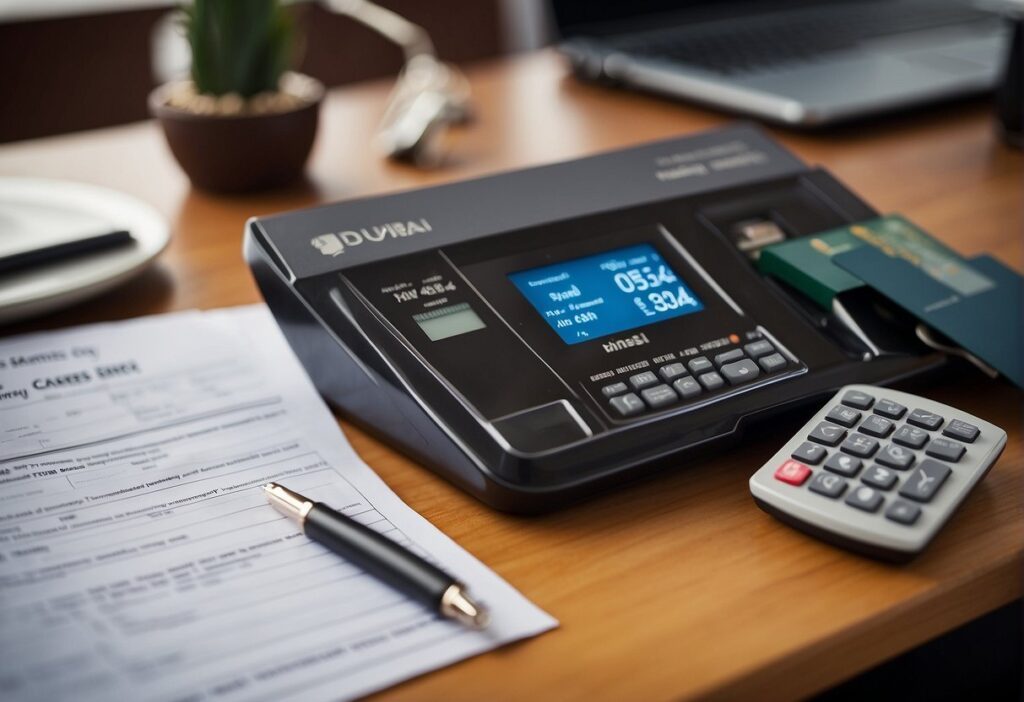
My approach now:
- Transfers: I check how I’m getting from airport to hotel before I book flights. If the only realistic option is a £60 taxi at midnight, that goes into the budget.
- Taxes and fees: I read the hotel’s policy section and assume the highest likely tax rate if it’s not clearly stated.
- Pre-trip spending: I set a separate mini-budget for
getting ready
. If I don’t, it quietly eats into my actual travel budget.
One useful habit: add a line in your notes called “Fees & Extras” and throw everything in there – transfers, taxes, visas, luggage fees. Seeing that total can be sobering, but it’s better than pretending it doesn’t exist. It also makes it easier to compare european city tourist tax levels and other unexpected fees on weekend trips from one destination to another.
6. Tourist Traps and Ethical Bargains: When Cheap Isn’t Really Cheap
There’s another layer to all this that’s easy to ignore: why some travel is so cheap in the first place.
Ultra-low prices often come from somewhere – and not in a good way. Aggressive discounting can mean:
- Underpaid, overworked staff in hotels, airlines and tours.
- Overcrowded attractions and
Instagram-famous
spots that feel more like theme parks than real places. - Hidden fees and upsells that make up the difference once you’ve already committed.
I’ve stayed in places where housekeeping clearly didn’t have enough time or staff, and taken tours where the guide was obviously underpaid and hustling for tips. The price was low, but the experience felt off. It’s hard to enjoy a bargain
when you can see the human cost.
There’s also a personal cost: stress, feeling unsafe, poor service, and time spent fixing problems instead of enjoying your break. A deal
that leaves you exhausted and anxious isn’t really a deal.
So I now ask myself two questions before jumping on a cheap offer:
- What’s missing from this price? (Baggage? Transfers? Basic comfort? Safety?)
- Who’s paying for this discount? (Is it me later via fees, or workers via low wages?)
This doesn’t mean you have to book luxury or overpay. It means aiming for informed value instead of blindly chasing the lowest number on the screen. It’s also how you avoid the classic tourist traps that blow your budget – the overpriced restaurants by the main square, the “must-see” tours that aren’t, the deals that only look cheap up front.
7. How to Build a Realistic City Break Budget (Without Killing the Fun)
Let’s pull this together into something practical. Here’s how I now plan a city break so the cheap
doesn’t turn expensive.
- Start with a total budget – for example, £500 per person for a weekend.
- Cap transport at 40–50% – if flights + transfers are already £250, I either extend the trip or pick somewhere closer.
- Apply the 20–25% hotel rule – take the advertised nightly rate and add a quarter. If it still works, great.
- Assume £80–£100 per person per day for food, local transport and activities in European cities.
- Add a “hidden costs” buffer – 10–15% of the total for taxes, fees, and surprises.

Then I sanity-check it with a few questions:
- If my flight got cancelled or delayed, do I have a cushion?
- If I decide to splurge on one big experience, what will I cut to balance it?
- Does this trip still feel enjoyable at this price, or am I forcing it?
This kind of budget city break planning isn’t about turning travel into a spreadsheet exercise. It’s about avoiding that sinking feeling when you check your bank account after a cheap
weekend away and realise it quietly cost as much as a proper holiday.
When you factor in local taxes, transport fees and tourist traps from the start, something interesting happens: you stop chasing illusions and start choosing trips that genuinely fit your life, your values and your wallet. And that’s when city breaks become what they’re supposed to be – short, sharp bursts of joy, not long, slow financial hangovers.