
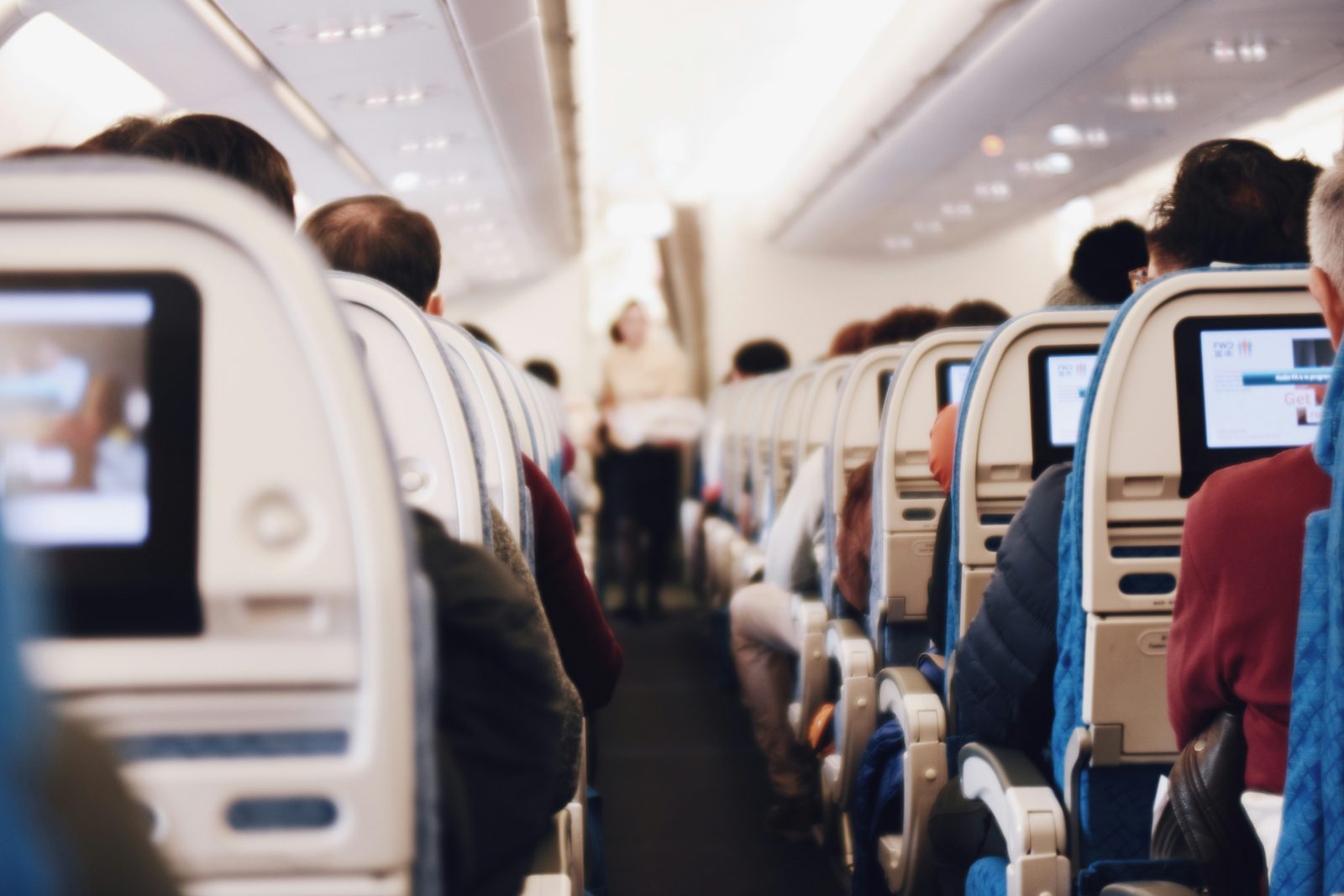
I don’t mind a bargain. I do mind being tricked into thinking I’ve found one.
Airlines know exactly how much you love that rock‑bottom fare on the search results page. They also know that by the time you’ve clicked through five screens, entered your details, and mentally committed to the trip, you’re far more likely to accept a few “small” extras.
The result? That $79 ticket quietly becomes $140 or more. In many cases, the true cost ends up 30–50% higher than the headline price you clicked on in the first place (source).
In this guide, I’ll walk through the main ways “cheap” airfares get expensive fast—and how to flip the script so you’re the one in control.
1. The Illusion of a Cheap Ticket: Why the Base Fare Is a Decoy
When I compare flights now, I don’t start with the cheapest price. I start with a question:
If I fly the way I actually travel, what will this trip really cost?
Most airline sites and flight search engines show you the base fare first. That base fare often excludes:
- Carry‑on bags (yes, even the overhead bin on some low cost carriers)
- Checked bags
- Seat selection
- Reasonable change or cancellation options
On paper, that makes the fare look incredibly competitive. In practice, it’s like pricing a hotel room without mentioning that hot water, Wi‑Fi, and sheets are extra.
Airlines have become very good at packaging and timing these extras. You see the low price first. Only later—often on the last screens—do you see the full picture: bag fees, seat selection fees, payment charges, “service” fees, and sometimes fuel surcharges folded into the taxes line.
Here’s the decision you actually need to make:
Do you want the cheapest‑looking ticket, or the cheapest complete trip?
If it’s the latter, you have to ignore the decoy and compare the total cost for how you really fly, not how the airline hopes you’ll imagine flying.

2. Baggage Fees: The Silent Budget Killer
Baggage is where the hidden costs of cheap flights really start to bite.
Many budget airline fares now include only a personal item that fits under the seat. That’s it. The moment you need:
- A standard carry‑on in the overhead bin, or
- One or more checked bags
you’re in fee territory.
Typical ranges (one way, per person):
- Carry‑on bag: $20–$50
- First checked bag: $30–$50
- Second checked bag: $40–$70
Now multiply that by two directions and by everyone in your group. A family of four checking one bag each round‑trip can easily add $240–$400 to the cost of a “cheap” flight. That’s often more than the difference between a low cost carrier and a full‑service airline that includes a bag.
What makes this worse is the timing. Baggage fees usually appear:
- After you’ve chosen flights and entered passenger details
- Sometimes even after you’ve selected seats
By then, you’re invested. You’ve spent 15–20 minutes on the booking. You’re less likely to back out and start over with another airline. Airlines know this—and they price accordingly.
Here’s how I handle low cost carrier baggage fees now:
- Before I click anything, I decide: personal item only, carry‑on only, or checked bag?
- I check each airline’s baggage page and write down the round‑trip cost for my exact plan.
- I add that to the base fare and compare total prices across airlines.
Very often, the “expensive” airline with a higher base fare is actually cheaper once I factor in the real cost of airline baggage fees.

3. Seat Selection: Paying Not to Be Punished
Seat selection used to be a courtesy. Now it’s a business model.
On many basic or budget fares, you’ll see something like:
Seat assigned at check‑in
Seat selection available for a fee
Translation: if you don’t pay, you’re rolling the dice. You might end up in a middle seat at the back, or separated from your partner or kids. For families, this isn’t just inconvenient; it can be stressful.
Typical seat selection fees on flights (one way, per person):
- Standard seat: $10–$40
- Preferred/extra legroom: $30–$100+
Again, multiply by direction and by traveler. A couple paying $25 each way per person for standard seats is adding $100 to the trip. A family of four can easily add $160–$200 just to sit together.
Here’s the uncomfortable truth: airlines have created a system where you often pay not for extra comfort, but to avoid discomfort. You’re not buying a better experience; you’re buying protection from a worse one.
How I decide whether to pay for seats:
- Solo short flights: I usually skip seat selection and take my chances.
- Long flights or overnight flights: I budget for a seat fee if it keeps me out of a middle seat.
- Traveling with kids or older relatives: I treat sitting together as non‑negotiable and factor seat fees into the initial comparison.
When I compare airlines, I don’t just ask, Who’s cheapest?
I ask, What does it cost to get a reasonable seat on this airline?
That’s where the real cheap flight vs full service cost comparison happens.
4. Fuel Surcharges, Taxes, and “Mystery” Fees
Some costs are obvious: bags, seats, priority boarding. Others hide in the fine print and only show up at the very end of the booking process.
Two big ones to watch:
1. Fuel surcharges
Rising fuel prices give airlines political cover to add or increase fees. These often show up as:
Fuel surcharge
Carrier‑imposed surcharge
- Or folded into a generic
taxes and fees
line
Here’s the catch: these surcharges tend to stick around even when fuel prices fall. They become a permanent part of the price structure.
This is especially painful on award tickets. You might see a great mileage deal, but the cash component—$200 to $1,400 per person round‑trip on some international routes—can wipe out the value of your points (source).
2. Payment and service fees
Some airlines (especially low‑cost carriers) add:
- Credit card or payment processing fees
- “Booking fees” or “service fees”
- Fees for booking via call center instead of online
Individually, these might be $5–$30. On a family booking, they add up fast. An airline credit card payment surcharge can quietly push a “deal” into overpriced territory.
My rule: I always click through to the final price screen before I mentally commit. That’s where the truth lives—and where most flight booking hidden charges finally show their face.
5. Dynamic Pricing: Why “Deals” Disappear While You’re Thinking
If you’ve ever watched a fare jump $80 in an afternoon, it’s not your imagination—and it’s usually not because you searched twice.
Airlines use dynamic revenue management systems that constantly adjust prices based on:
- How many seats are left in each fare bucket
- How quickly those seats are selling
- Seasonality and holidays
- Events, conferences, or storms
- Competitor prices on the same route
Each flight has multiple fare buckets in economy alone. Only a small number of seats are sold at the lowest price. Once those are gone, the system moves you to the next bucket. Same seat, same plane, higher price.
That’s why a flight can look cheap in the morning and expensive by evening—nothing about the flight changed, just the inventory in each bucket.
What does this have to do with hidden costs?
Because the base fare is so volatile, airlines lean heavily on ancillary fees (bags, seats, surcharges) for stable revenue. Those add‑on fees are less visible in search results and less likely to be compared head‑to‑head by travelers. Once you’re locked into a specific flight, they have more pricing power.
Here’s how I protect myself from these cheap airfare pricing traps:
- I track fares for a bit, but when I see a price that’s clearly good for the total package (fare + bags + seats), I don’t wait days “just in case.”
- I stay flexible on dates and sometimes even destinations; that’s where the real savings are, not in trying to outsmart the algorithm by booking on a specific day of the week.

6. How to Compare Flights the Smart Way (Not the Way Airlines Want)
Most people compare flights like this:
- Sort by lowest price.
- Pick something that looks reasonable.
- Get ambushed by fees later.
I do it differently now. Here’s the process I use—and it consistently saves me from “fake” cheap fares and misleading budget airline total trip costs.
Step 1: Start with your real travel pattern
Before opening any search engine, I decide:
- How many bags will I bring? Personal item, carry‑on, or checked?
- Do I care where I sit? Do I need to sit with someone?
- How flexible do I need the ticket to be?
This becomes my baseline. I’m not buying a theoretical trip; I’m buying this trip, with these needs.
Step 2: Shortlist 2–4 realistic options
I use a search engine to find a few flights that work for my dates and times. I don’t obsess over a $10 difference at this stage; I just want solid options.
Step 3: Build the true price for each option
For each airline, I check:
- Baggage fees (round‑trip, for my exact bag plan)
- Seat selection fees (if I care about seats)
- Any obvious surcharges or payment fees
Then I add everything up:
- Total trip cost = base fare + bags + seats + surcharges + payment fees
Only then do I compare. That’s the real airfare add‑on fees breakdown that matters.
Step 4: Factor in non‑cash “costs”
Sometimes the cheapest total price isn’t the best value. I also ask:
- Is this a 6 a.m. departure that ruins my first day?
- Is the connection risky or exhausting?
- Does this airline have a reputation for delays on this route?
When I look at the full picture, I often find that the “cheap” airline isn’t actually cheap—and that a slightly higher base fare with better inclusions is the smarter choice.
7. When a Cheap Fare Is Actually a Good Deal
Not every low fare is a trap. Sometimes, a bare‑bones ticket really is the best option—if it matches how you travel.
A cheap fare can be genuinely good when:
- You’re traveling light (personal item only, or one small carry‑on that’s included).
- You don’t care where you sit, especially on short flights.
- You’re flexible and don’t need change options.
- You’ve checked the final price screen and there are no nasty surprises.
In those cases, the stripped‑down fare is doing what it’s supposed to do: letting you pay only for what you use and helping you avoid extra fees on budget flights you don’t need.
The problem isn’t the existence of cheap fares. The problem is when we assume they’re cheap for us without doing the math.
So the next time you see that irresistible price, pause for a second and ask yourself:
Is this really a bargain for the way I travel—or just a clever starting number?
Once you start thinking in terms of total trip cost instead of headline fare, you’ll notice something interesting: you feel less manipulated, you blow your budget less often, and you start choosing flights that actually fit your life—not the airline’s pricing strategy.