
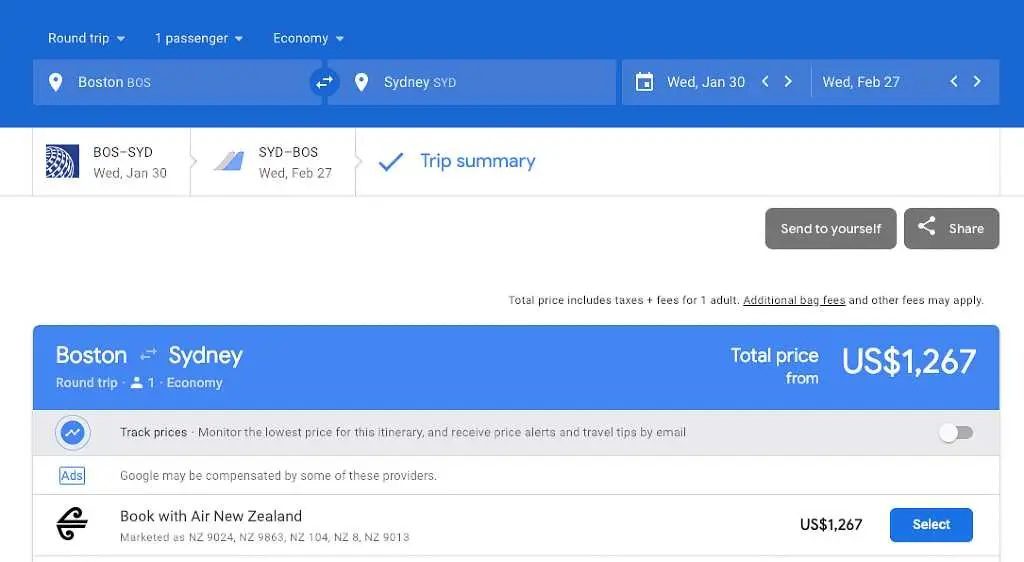
I don’t mind paying for flights. What I hate is paying for flights twice without realizing it.
Those rock-bottom fares you see on search engines? They’re often booby-trapped with layovers that eat your day, baggage rules that ambush you at the gate, and airport transfers that quietly drain your budget.
In this guide, I’ll walk you through the real cost of “cheap” flights, how airlines and airports shift costs onto you, and a simple way to compare options so you stop getting tricked by the lowest number on the screen.
1. The Headline Fare vs. the Real Trip Cost
When I look at flights now, I don’t ask, How much is the ticket?
I ask, How much will this entire journey cost me from my front door to my hotel bed?
That’s a very different number.
Here’s what the headline fare usually doesn’t include:
- Airport transfers (especially to distant, secondary airports)
- Extra meals and snacks during long layovers
- Hotels for awkward overnight connections
- Lost time and energy (arriving exhausted, losing a workday, etc.)
As TripSense puts it, the real price is door-to-door, not just airport-to-airport. The hidden costs of cheap flights often show up after you’ve booked.
A ticket that’s $60 cheaper can easily cost you $100+ more once you add:
- $35–$60 round-trip bus or train to a faraway airport
- $20–$40 in airport food during a long layover
- $80–$150 for an airport hotel because your flight lands at midnight
So before you get excited about a bargain, ask yourself:
- What time do I leave home?
- What time do I actually reach my accommodation?
- What extra cash will I spend in between?
If you can’t answer those, you don’t know the real price yet. The cheap flight price breakdown only makes sense when you zoom out to the whole journey.
2. Layovers: Smart Stopover or Expensive Time Sink?
Layovers are where “cheap” flights quietly get expensive.
On paper, a 7-hour layover looks like a minor inconvenience. In reality, it can mean:
- Two extra airport meals you didn’t plan for
- Paying for lounge access because you’re exhausted
- Arriving so tired that your first day of vacation is basically wasted
Those are the extra costs of long layovers that rarely show up in the search results.
But here’s the twist: layovers can also be your best friend if you use them intentionally.
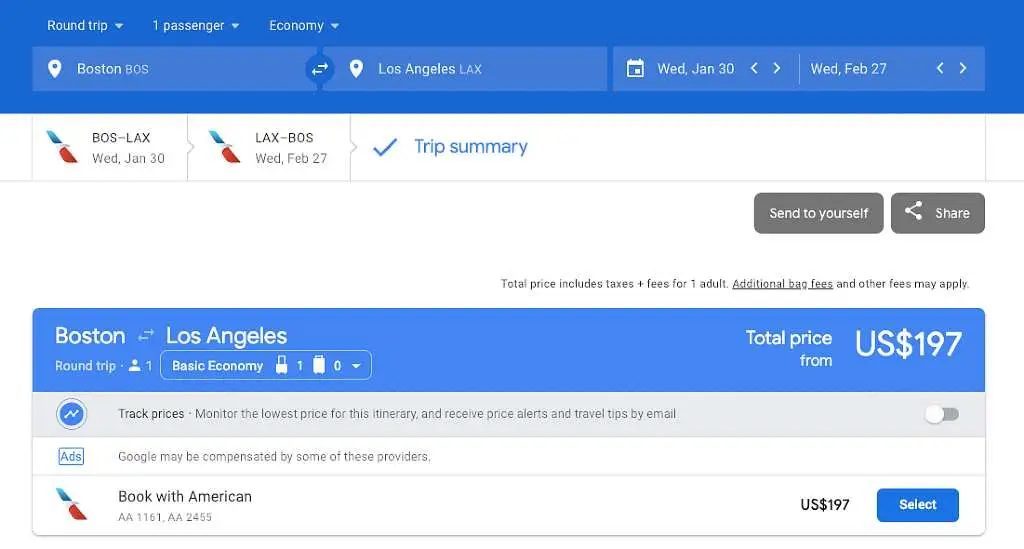
According to Going, long layovers (9+ hours) can be turned into stopovers—a mini-trip inside your trip. Sometimes, booking a route like Boston → LAX → Sydney
with a long stop in LA is cheaper than flying Boston → Sydney directly, and you get an extra city out of it.
So the real question isn’t Is there a layover?
It’s:
- Is this layover doing anything for me? (extra city, better sleep, lower price)
- Or is it just dead time I’ll pay for in food, fatigue, and frustration?
Here’s a simple rule I use when I’m weighing cheap flight layover costs:
- Under 2 hours: Fine for a protected connection on one ticket. Too risky for separate tickets.
- 3–6 hours: Often the worst zone. Too short to leave the airport, long enough to get bored and spend money.
- 8+ hours: Either turn it into a real stopover (leave the airport, see the city) or avoid it.
And one more thing: some airlines quietly offer free hotels for long, airline-imposed layovers via STPC (Stopover Paid by Carrier). The details are usually buried on their sites, but it’s worth checking if your long layover is in a hub city for that airline. It can completely change the total trip cost of cheap vs direct flights.
3. Self-Connecting Flights: Big Savings, Bigger Risks
Booking separate tickets to create your own layover can look genius on a search screen. The price drops. The routing looks flexible. You feel clever.
But here’s the catch: if anything goes wrong, you’re on your own.
When you book a single through-ticket, the airline is responsible for getting you to your final destination. If your first flight is delayed, they usually rebook you. Your bags are checked through. You’re protected.
With self-connecting tickets:
- If your first flight is delayed and you miss the second, the second airline doesn’t care. You’re a no-show.
- You may have to collect and re-check your bags between flights.
- You might need to clear immigration, collect luggage, re-check, and go through security again—on a tight clock.
GoBankingRates points out that self-connecting can work if you:
- Have a long buffer (I’d say 5–6 hours minimum, more if immigration is involved)
- Travel with carry-on only
- Are comfortable with risk and can afford to buy a new ticket if things go sideways
My rule: I only self-connect when the savings are huge and the timing is generous. If the difference is $40–$80, I usually pay more for a single protected ticket and sleep better.
When you calculate the full cost of budget flights, that peace of mind is part of the price too.

4. Baggage Rules: The Fee Trap That Kills “Budget” Fares
If there’s one place cheap flights quietly explode in cost, it’s baggage.
Budget airlines keep base fares low by stripping out everything: checked bags, carry-ons, sometimes even a normal-sized personal item. Then they charge aggressively for each piece.
From Roaming Cactus and Traveling Cheesehead, here’s what typically happens with baggage rules on low cost airlines:
- Personal item only: Often a tiny backpack that fits under the seat. Anything larger becomes a paid carry-on.
- Carry-on fees: Can cost as much as (or more than) the ticket itself, especially if you pay at the airport instead of online.
- Checked bag fees: Increase with weight, route, and how late you add them.
- Oversize penalties: If your bag is even slightly too big, you can get hit with brutal fees at the gate.
Here’s the painful part: a flight that looks $60 cheaper can become more expensive than a full-service airline once you add:
- Carry-on bag fee (each way)
- Checked bag fee (each way)
- Seat selection (if you care where you sit)
These are the classic low cost carrier hidden fees. They’re not really hidden—you just don’t see them until it’s almost too late.
Before you book any “deal,” do this:
- Check exactly what your fare includes (personal item only? carry-on? checked bag?).
- Price out the bags you actually need, round-trip, if you pay online in advance.
- Compare that total against a regular airline that includes a carry-on and maybe a checked bag.
Often, the “expensive” airline is suddenly the cheaper, calmer option. Cheap flights that end up expensive usually fall apart at the baggage stage.

5. Secondary Airports and Transfers: The Distance You Pay For
Many low-cost carriers don’t fly to the main airport you’re expecting. They fly to a cheaper, secondary airport that’s technically “near” the city—but not near enough when you’re tired and holding luggage.
Think of airports like these:
- “City X” airport that’s actually 60–90 minutes away
- Limited late-night public transport
- Expensive taxis or rideshares as your only realistic option
TripSense calls this the secondary airport trap. The flight is cheap because the airport is cheap. But your ground transport isn’t.
Airport transfer costs for cheap flights can easily wipe out the savings if you’re not paying attention.
Here’s how to protect yourself:
- Google the airport code before booking. How far is it from the city center?
- Check the last train/bus time. If your flight lands late, will you be forced into a $60 taxi?
- Look at round-trip transfer costs and add them to your flight price.
If the main airport flight is $40 more but saves you $30–$50 in transfers and an hour each way, the “expensive” option is actually the bargain. This is where a real cost comparison of cheap vs full service airlines starts to make sense.
6. Timing: When Cheap Flights Steal Your Sleep (and Money)
Ultra-early and ultra-late flights are cheap for a reason. They’re hard to get to, hard to recover from, and they quietly generate extra costs.
Here’s what a 6:00 a.m. departure or 1:00 a.m. arrival often means:
- Taxi or rideshare because public transport isn’t running
- Airport hotel the night before because you can’t risk morning traffic
- Lost sleep that ruins your first day of work or vacation
That $50 cheaper fare can easily turn into:
- $35–$70 in extra transport
- $80–$150 for a hotel
- A full day of being half-functional
When I compare flights now, I ask:
- Can I get to the airport by public transport at that hour?
- Will I need a hotel on either end?
- What is my time and energy worth the next day?
If a slightly more expensive midday flight saves me a hotel and a taxi, it’s not more expensive. It’s smarter.
These are the unexpected airport and luggage fees people forget to factor in: not just money, but sleep and sanity.
7. Seat Selection, Check-In, and Onboard Extras: The Nickel-and-Dime Game
Once you’ve dodged the big traps (layovers, bags, transfers), there’s still a minefield of smaller fees that add up fast.
From Roaming Cactus and Gamin Traveler, here are the usual suspects:
- Seat selection: Pay to sit together or accept random seats. On some airlines, even bad seats cost money.
- Priority boarding: Mostly about overhead bin space. If you travel light, you rarely need it.
- Check-in fees: Some carriers charge if you don’t check in online or if you need them to print your boarding pass.
- Food and drinks: Water, coffee, snacks—everything is extra and overpriced.
- Payment and “service” fees: Mysterious charges at checkout for using certain cards or booking channels.
My approach:
- Seat selection: I only pay on long flights or when traveling with kids/older relatives.
- Boarding: I skip priority and pack a small bag that fits under the seat.
- Check-in: I always check in online and save the boarding pass to my phone (and often as a PDF backup).
- Food: I bring snacks and a refillable water bottle. Airport prices are bad; onboard prices are worse.
None of these fees are huge alone. But together, they can easily add $30–$80 to a “cheap” ticket. This is where the cheap flight hidden charges guide you wish you’d read before booking suddenly feels very relevant.
8. A Simple Door-to-Door Checklist Before You Click “Book”
If you remember nothing else, remember this: never judge a flight by its base fare. Judge it by its door-to-door cost and how you’ll feel when you arrive.
Here’s a quick checklist I use before booking to calculate the full cost of budget flights and avoid common mistakes when booking cheap flights:
- Time & energy
- What time do I leave home? What time do I reach my accommodation?
- Will I be wrecked when I arrive?
- Layovers
- Is the layover useful (extra city, better sleep) or just dead time?
- Is it on one ticket (protected) or self-connecting (risky)?
- Baggage
- What bags are included in this fare?
- How much will my actual bags cost, round-trip, if I prepay?
- Airports & transfers
- Which airport am I really flying into?
- How much and how long is the transfer to where I’m staying?
- Timing costs
- Will I need a taxi or hotel because of early/late times?
- Is a slightly later/earlier flight actually cheaper overall?
- Extras
- Do I care about seat selection on this route?
- Can I avoid check-in and onboard fees with a bit of prep?
Once you run two or three options through this lens, something interesting happens: the “cheapest” flight often stops being the best choice. And the slightly more expensive one—the one that lands at a sane hour, at the main airport, with a normal layover and a bag included—suddenly looks like the real deal.
That’s the point. Don’t just chase cheap flights. Chase cheap trips. They’re not always the same thing.