

I love a good $199 weekend deal
as much as anyone. But after enough cheap
trips that somehow cost as much as a full vacation, I started asking a different question:
Is this weekend actually cheap, or does it just look cheap on the booking screen?
What follows is a practical look at the hidden costs of cheap weekend trips in the U.S. and how to dodge them. The goal isn’t to scare you away from quick getaways. It’s to help you spot the traps early, so you can decide whether a deal
is truly worth it.
1. The Nightly Rate Lie: Resort, Destination & Rental Fees
That $89 hotel or $120 cabin looks amazing… until you see the final total.
Many U.S. hotels and vacation rentals keep the headline price low by piling on mandatory add-on fees at the end:
- Resort / destination / amenity fees – often $25–$60 per night
- Urban or
facility
fees in big cities and tourist zones - Cleaning + service + platform fees on vacation rentals
On a two-night stay, a $40/night resort fee plus a $90 cleaning fee can easily add 50–70% to the base price. That’s the real cost of many cheap weekend getaways USA
deals: the rate looks low, the fees do the damage.
Here’s how I sanity-check a cheap
stay now and avoid those cheap hotel deals hidden fees:
- Always click through to the final price screen. Never judge a hotel or rental by the first number you see in search results.
- Divide the total by the number of nights. That’s your real nightly rate, not the one in big bold font.
- Ask: what am I actually getting for this fee? If the resort fee includes things you’ll use (parking, breakfast, spa access, bikes), maybe it’s fine. If it’s just
Wi‑Fi and a newspaper
, that’s marketing fluff. - Compare fee-inclusive options. A $150 hotel with no resort fee can be cheaper than a $109 hotel with a $40 nightly fee once you do the math.
For vacation rentals, I’m especially wary of short stays. Cleaning and service fees don’t scale well. A $90 cleaning fee on a two-night stay adds $45 per night. On a five-night stay, it’s only $18 per night. If the fees are high, I either extend the stay or look for a hotel instead.
Quick test before booking: Would I still book this place if the real
nightly rate (total divided by nights) was the number shown on the search page? If the answer is no, it’s not a deal.
Do this once or twice and you’ll start to see the true cost of budget weekend getaways a lot more clearly.
2. Parking, Cars & the We’ll Just Drive
Trap
Driving feels cheaper than flying. Sometimes it is. But for quick weekend trips, the car can quietly become one of your biggest expenses.
Here’s where the money leaks out:
- Hotel parking in cities and resort areas: $30–$60 per night is common.
- Valet-only properties that don’t clearly show the price until check-in.
- Rental car + parking for a trip where you barely use the car.
- Tolls & gas on short trips that don’t give you much time to enjoy the destination.
On a two-night city break, two days of parking at $45/night is $90. Add a rental car at $60/day and you’re at $210 just to have a car sitting still. That’s a big chunk of any weekend travel budget in the U.S.
Before I book anything now, I ask myself three questions:
- Do I actually need a car for this weekend?
If I’m staying in a walkable area with decent transit or rideshares, I often skip the car entirely. That instantly saves parking, rental, and a lot of stress. - What’s the real parking situation?
I check the hotel’s site and recent reviews for parking fees and availability. If it’s $50/night, I compare that to a slightly more expensive hotel with free parking or a location where I don’t need a car at all. - Is there a cheaper way to handle the last mile?
Sometimes the best move is: train or bus into the city, then rideshare or bike-share for short hops.
Rule of thumb: If parking + car costs more than one nice dinner for two, I pause and rethink the plan.
3. Taxes, Tourism Fees & the 20–25% Reality Check
In many U.S. destinations, the price you see is not the price you pay. Lodging taxes, tourism fees, and local surcharges stack up fast and quietly inflate the budget weekend trip cost breakdown.
Common add-ons include:
- State and local sales tax
- Hotel occupancy / lodging tax
- Tourism improvement / convention center fees
In some cities, the combined rate can push your bill 20–25% higher than the base room cost. So I’ve started doing one simple thing:
I automatically add 20–25% to any advertised nightly rate.
If a $140 room becomes $175 in my head and I still feel good about it, I keep going. If that number makes me wince, I look elsewhere before I get attached.
Two more tax-related checks I like:
- Compare destinations, not just hotels. Some underrated towns and regions have lower taxes and fewer junk fees but offer similar experiences. Places like Eureka Springs, Bisbee, or Grand Marais often deliver mountain or lake vibes without big-city tax stacks.
- Watch short-stay premiums. Some rentals add extra fees for short stays. If the
taxes and fees
line looks suspiciously high, click to see what’s in there.
Bottom line: Don’t fall in love with a rate until you’ve seen the full breakdown. The tax line is where many cheap
weekends quietly stop being cheap.
4. Food, Airports & the Convenience Spending Spiral

Weekend trips are short. That makes every hour feel precious. And when time feels scarce, we pay for convenience without thinking.
Here’s how that usually plays out:
- Airport food at 2–3x normal prices because you didn’t eat before leaving.
- Multiple coffee runs each day because you’re tired and rushing.
- Room service or random delivery because you’re too wiped to go out.
- Impulse snacks and drinks at attractions, gas stations, and hotel lobbies.
On a two-day trip, it’s easy to burn an extra $80–$150 on whatever’s nearby
food. That’s often more than the savings you got from choosing a cheap
destination in the first place.
What works better for me now is a simple shift in mindset:
Spend on memorable meals, not convenience calories.
Practically, that looks like this:
- Plan 1–2
anchor
meals you’re excited about (a great brunch, a local specialty, a recommended spot). Budget for those. - Handle the rest cheaply and deliberately. Grocery store snacks, a simple breakfast, or a casual lunch in a park can be just as enjoyable.
- Eat before the airport. A quick meal at home or near your house is almost always cheaper than airport food.
- Carry a refillable water bottle and a couple of snacks. It sounds basic, but it kills a lot of impulse spending.
If you’re flying, also watch for airport-adjacent costs that sneak into the cost of last minute weekend trips:
- Airport parking vs. rideshare vs. public transit
- Bag fees (especially on basic economy fares)
- Seat selection fees you might not actually need
Before I book flights for a weekend, I add up: fare + bag + seat + airport parking. If that total feels too close to what I’d spend on a longer trip, I either change dates, pick a closer destination, or drive somewhere within a few hours instead.
5. The Do Everything in Two Days
Mindset
Short trips mess with our brains. Because we only have 48–72 hours, we try to cram in everything. That’s where the activity budget explodes and weekend getaway money mistakes pile up.
Common weekend traps:
- Multiple paid tours in one day
- Stacking museums, attractions, and experiences without checking total cost
- Buying
skip-the-line
or VIP options you don’t really need - Paying for things you’re too tired to fully enjoy
The irony: the more you try to do, the less you actually remember. And the more you spend.
Here’s the approach I use now:
- Pick 1–3
must-do
experiences.
I decide what would make the trip feel worth it. Maybe it’s a hike, a museum, a local food tour, or a kayak rental. Those get budget priority. - Fill the rest with free or low-cost options.
Walkable neighborhoods, street art, public beaches, state parks, free museum days, live music in bars, local markets. Many of the destinations highlighted in budget guides (like Taos, the White Mountains, or Burlington) shine here: lots of free nature and culture. - Leave intentional blank space.
A slow morning coffee, a nap, or just wandering often ends up being the best part of the weekend – and it costs nothing.
Question I ask myself: If I cut one paid activity, would the trip actually feel worse – or just less rushed?
That one question alone can save a surprising amount of money on short trips.
6. Flights vs. Driving Distance: The Hidden Time Cost

We talk a lot about money, but time is the other hidden cost of weekend trips. A cheap
flight can still be a bad deal if it eats your entire Friday night and half of Sunday.
Think about the full door-to-door picture:
- Getting to the airport
- Security and waiting
- Flight time
- Transit from the arrival airport to your hotel
On a 2–3 day trip, a quick
90-minute flight can easily turn into 6–8 hours of travel each way. That’s most of your weekend gone to logistics.
That’s why many affordable weekend trip planning tips now emphasize destinations within driving distance or short, direct flights from major hubs. Think:
- Hermosa Beach from L.A.
- The Catskills from NYC
- West Virginia’s Eastern Panhandle from D.C.
- Niagara Falls (NY side) from much of the Northeast
These trips cut both cash and time costs: no airfare, fewer airport fees, and more actual hours on the ground.
When I’m choosing a weekend destination now, I ask:
- How many waking hours will I actually have there?
- What’s my cost per hour of enjoyment? (Total trip cost divided by hours on the ground.)
- Is there a closer, underrated alternative that gives me similar vibes for less time and money?
Often, the answer is yes. A small lake town instead of a far-flung beach. A nearby artsy town instead of a cross-country city break. The experience can be just as good – and the hidden costs much lower.
7. Choosing Smarter Destinations: Underrated Towns, Lower Bills
One of the easiest ways to avoid the hidden costs of cheap weekend trips is to avoid the places that are built on them.
Big-name cities and resorts often come with:
- Higher lodging taxes and resort fees
- Pricier parking and car rentals
- More expensive food and attractions
Meanwhile, smaller or underrated destinations can offer:
- Lower nightly rates with fewer junk fees
- Free or cheap outdoor activities (hiking, lakes, beaches, trails)
- Walkable centers that reduce the need for a car
Think of places like:
- Eureka Springs, AR – Victorian architecture, live music, hiking, and springs without Aspen prices.
- Bisbee, AZ – artsy, walkable, cooler mountain air, and retro motels instead of big-city rates.
- Grand Marais, MN & the Apostle Islands, WI – Lake Superior scenery, kayaking, and hiking as a lower-cost alternative to coastal resorts.
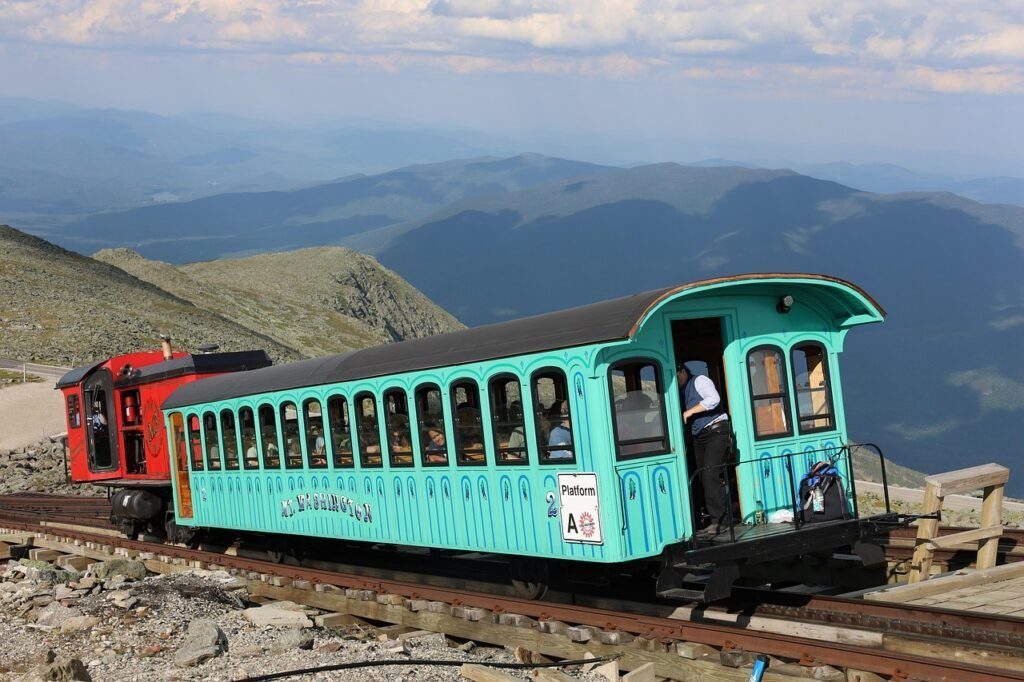
- White Mountains, NH – waterfalls, scenic drives, and camping instead of expensive mountain resorts.
These places tend to have:
- More free nature than paid attractions
- Less pressure to
do it all
- Lower baseline costs for food and lodging
When I’m scanning for a weekend spot now, I ask:
- Can I get the same
feel
(mountains, art, beach, history) in a smaller, cheaper town? - Does this place have plenty of free or low-cost things to do?
- Are there shoulder seasons where prices drop but the experience is still good?
Often, the answer is yes – and that’s where the real value weekends live, especially if you’re trying to avoid tourist traps on short trips.
8. A Simple Pre-Booking Checklist to Keep Your Weekend Actually Cheap

Before I book any cheap
weekend trip in the U.S. now, I run through a quick checklist. You can copy this and tweak it for your own style. It’s a simple way to avoid hidden travel charges and those sneaky cheap flight and hotel package traps.
1. Total stay cost
- Click to the final price screen.
- Include resort/destination fees, cleaning, service, and taxes.
- Divide by nights. Am I still happy with that number?
2. Transport reality
- Flights: add fare + bags + seat + airport parking/transport.
- Driving: estimate gas + tolls + hotel parking.
- Ask: Do I really need a car, or can I go car-free?
3. Food plan
- Pick 1–2 memorable meals to splurge on.
- Decide how you’ll handle breakfast and snacks cheaply.
- Plan to eat before the airport and bring a water bottle.
4. Activities
- Choose 1–3 must-do paid experiences.
- Fill the rest with free/low-cost options.
- Cut anything that only adds stress, not joy.
5. Time vs. money
- How many hours will I actually have on the ground?
- Is there a closer, underrated destination that gives me similar vibes?
If a trip still looks good after this checklist, it’s usually a genuinely good deal – not just a pretty number on a booking site.
The point isn’t to turn every weekend into a spreadsheet. It’s to avoid coming home and thinking, How did that tiny trip cost so much?
When you see the hidden costs upfront, you can choose the ones that are worth it – and skip the ones that aren’t.