
I don’t usually blow my travel budget on big, dramatic splurges. It’s the quiet stuff that gets me. The $14 airport sandwich. The optional
checked bag that somehow feels mandatory. The late-night taxi from the airport that costs as much as a hotel night.
If you’ve ever looked at your credit card statement after a trip and thought, How on earth did this flight get so expensive?
this guide is for you. Let’s walk through the hidden cost chain of a typical flight, step by step, and see where the money really goes—and how to keep more of it.
1. Airport Food: The First Budget Leak
Airport food is the classic slow leak in a travel budget. You don’t notice it at first. Then you add it up.
Most travelers end up paying around $9–$14 for a basic meal or snack in U.S. airports, with items ranging from about $5–$18 depending on what and where you buy. Sit-down or gourmet spots can easily hit $20+ per person. That’s not an accident.
Here’s what you’re really paying for:
- Convenience and captivity: Once you’re past security, your options are limited. Vendors know it.
- High rents and security costs: Airport concessions pay steep rents and deal with complex logistics. Everything has to go through security. Those costs land on your plate—literally.
- Vendor type: Quick-service kiosks and grab-and-go stands are usually cheaper than sit-down counters or branded restaurants.
- Timing: Peak travel times (holidays, summer, Sunday evenings) often mean higher prices and fewer deals. Off-peak hours sometimes bring smaller, cheaper menus.
What makes this dangerous for your budget is repetition. One coffee and snack on the way out. Another on the way back. Maybe a drink and a snack during a layover. Suddenly you’ve spent $40–$60 just on airport food.
How I keep this under control:
- Pack solid snacks: Nuts, granola bars, sandwiches, wraps. Solid food is generally fine through security; just watch sauces and liquids.
- Eat before the airport: A proper meal at home or in the city is usually 30–50% cheaper than inside the terminal.
- Use an empty water bottle: Fill it after security instead of paying $4–$6 for bottled water.
- Compare terminals: Some terminals have cheaper food courts or chains. A quick check on airport maps or apps like Grab or GateGuru can save you a few dollars per meal.
If you want to go deeper into why airport food is so expensive, it’s worth skimming resources like this breakdown of airport food costs. It’s a good reality check when you’re trying to understand the hidden costs of flying before you even board.

2. In-Flight Meals: The Illusion of “Free” Food
Airline food is another quiet cost, even when it looks free. In economy, you’re often paying for it one way or another—either as a separate charge or baked into the ticket price.
On many North American and European airlines, economy-class meals are no longer included on shorter routes. Typical prices:
- $8–$15 for snack boxes or light meals
- $10–$25+ for more substantial options
Meanwhile, airlines themselves often spend surprisingly little on those meals. Industry estimates suggest they pay roughly $5–$15 for an economy meal, $30–$50 for business class, and sometimes $100+ for premium first-class meals. The gap between what they pay and what you pay is part of their profit.
Here’s the catch: airlines have shifted to unbundled fares. The base ticket looks cheap, but meals, bags, and even seat selection become paid add-ons. Low-cost carriers pushed this model; legacy airlines followed to stay competitive.
What this means for your budget:
- Short flights: Food is often not included. Expect to pay onboard or bring your own.
- Long-haul international: Many airlines (especially in Asia and the Middle East) still include meals in economy, but you’re paying via a higher base fare.
- Premium cabins: Business and first class meals feel free, but they’re baked into the ticket price. You’re paying for the whole experience, not just the food.
How I avoid surprises:
- Check at booking: Is a meal included? If not, what does the onboard menu cost?
- Pre-order when possible: Some airlines offer discounts or better options if you order online in advance.
- Bring your own: Especially on 2–4 hour flights. A simple sandwich and snacks can save $15–$30 per person.
- Know the payment rules: Many airlines are cashless now. No working card = no food.
If you’re curious how little airlines sometimes spend on those meals, you can dig into analyses like this look at airline meal costs. It’s a good reminder that those “free” meals are part of the wider flight cost chain, not a bonus.

3. Baggage Fees: The Most Predictable “Surprise” Cost
Baggage fees are the part of the cost chain we all know about—and still underestimate.
Airlines have turned bags into a major revenue stream. Many now charge for:
- Checked bags (often per bag, per direction)
- Carry-on bags on ultra-low-cost carriers
- Overweight or oversized bags
On paper, it’s simple. In practice, it’s messy. Different fare types, routes, and airlines all have their own rules. A bag that’s free on one airline might cost $30–$60 each way on another. Add a connection or a codeshare flight and it gets even more confusing.
Why baggage fees blow up budgets:
- They’re per direction: A $35 checked bag is $70 round-trip. Two bags? $140.
- They stack with other extras: Seat selection, priority boarding, and meals all pile on.
- They’re easy to ignore at booking: You see the base fare first. The rest comes later.
If you’ve ever wondered why your “cheap” ticket didn’t feel cheap, this is usually why. The flight baggage fees breakdown is rarely obvious when you first see the fare.
How I keep baggage costs from spiraling:
- Audit my packing: Can I realistically do this trip with one carry-on and a personal item?
- Compare total trip cost, not just fare: A slightly more expensive ticket with a free checked bag can be cheaper overall than a low-cost fare with heavy baggage fees.
- Weigh bags at home: Avoid overweight surprises at the airport.
- Use status or cards wisely: Some airline credit cards or elite statuses include free checked bags. If you fly often, this can be worth more than the annual fee.
The key is to treat baggage fees as part of the ticket price from day one, not as an afterthought. When you’re budgeting for checked baggage and seat selection, assume you’ll pay something unless you’re sure you won’t.
4. Airport Transfers: The Cost You Forget Until You Land
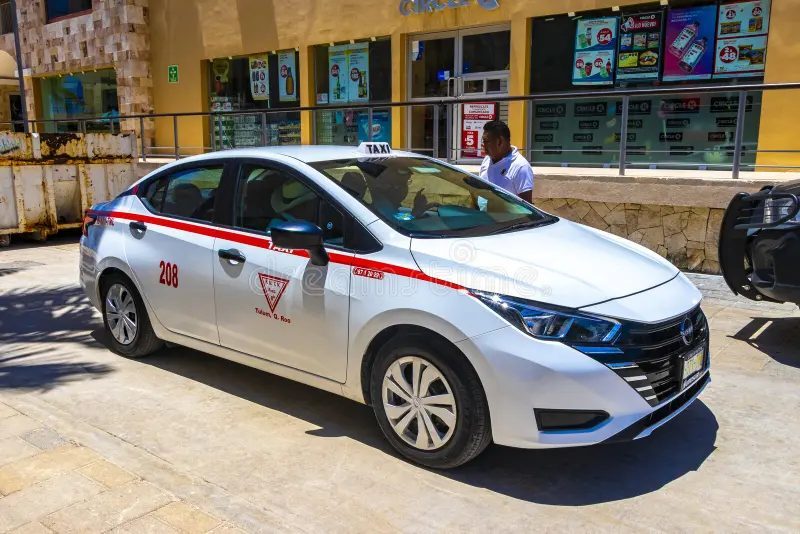
Airport transfers are one of the most underrated costs in travel. I’ve had airport rides that cost more than my nightly hotel rate. That’s not rare in certain cities.
Think about it: every flight has at least two transfers—one at departure, one at arrival. If you’re doing a multi-city trip, that number multiplies quickly.
Common options include:
- Airport trains or metros: Often the cheapest and most predictable.
- Airport buses or shuttles: Mid-range cost, but can be slow.
- Taxis and rideshares: Convenient, but can be very expensive, especially late at night or in heavy traffic.
- Hotel shuttles: Sometimes free, sometimes not. The word
shuttle
doesn’t automatically mean no cost.
In some destinations, a single airport taxi can easily hit $40–$80. Do that both ways and you’ve quietly added $80–$160 to your trip. On a tight budget, that’s huge.
How I avoid transfer shock:
- Research before booking flights: If one airport has cheap, fast public transport and another doesn’t, that matters.
- Check arrival time: Landing at midnight might kill your public transport options and force you into a pricey taxi.
- Look for all-in packages: Some hotels include airport transfers. Sometimes that’s worth paying a bit more per night.
- Use maps and official sites: Don’t rely only on hearsay. Check the airport’s official transport page and compare options.
When you compare airport transfer vs taxi cost, don’t just look at price. Factor in arrival time, luggage, and how tired you’ll be. The cheapest option on paper isn’t always the smartest at 1 a.m. in a new city.
5. Airport Time: Parking, Fast-Track Security, and Other Ground Costs
Even before you board, the airport itself can drain your wallet. Some of these costs are obvious; others sneak up on you.
Parking: At many major airports, daily parking rates have climbed steadily. A week-long trip can mean a parking bill in the triple digits. That’s money you could have spent on a better hotel or an extra experience.
Fast-track programs: Services like TSA PreCheck, Global Entry, and CLEAR promise shorter lines and less stress. They can be worth it, but they’re not cheap:
- TSA PreCheck: Around $78–$85 for five years
- Global Entry: Around $100 for five years (includes PreCheck)
- CLEAR: Often over $200 per year
These aren’t impulse buys; they’re long-term decisions. If you fly often, the time savings can be huge. If you fly once a year, maybe not.
Other ground costs:
- Lounges: Day passes or memberships can be a good deal if you’d otherwise spend a lot on food and drinks in the terminal.
- Wi-Fi and power: Some airports still charge for decent Wi-Fi or have limited free access.
- Last-minute purchases: Headphones, chargers, neck pillows—everything costs more airside.
My approach:
- Compare parking vs. rideshare: For longer trips, a taxi or rideshare to the airport can be cheaper than parking.
- Use credit card perks: Some cards reimburse Global Entry/PreCheck fees or include lounge access. If you already pay the annual fee, use the benefits.
- Pack smart: Bring your own charger, headphones, and comfort items. Airport markups are brutal.
When you’re figuring out how much to budget for airport days, don’t forget these ground costs. They’re easy to overlook and just as easy to avoid with a bit of planning.

6. Currency, Cards, and Fees: The Invisible Percentage
Even when you think you’ve nailed the big costs, there’s another layer: financial friction. Exchange rates, ATM fees, and foreign transaction charges quietly skim a percentage off everything you spend.
Common culprits:
- Foreign transaction fees: Many cards charge around 3% on every foreign purchase.
- ATM fees and bad rates: Using random airport ATMs or currency exchange kiosks can mean terrible rates and extra fees.
- Dynamic currency conversion: When a terminal offers to charge you in your home currency, it often uses a worse rate than your bank.
On a $1,000 trip, a few percent here and there can easily become $30–$50 in invisible costs.
How I reduce this:
- Use a no-foreign-fee card: This is one of the easiest wins in travel finance.
- Withdraw cash strategically: Fewer, larger withdrawals from reputable bank ATMs instead of lots of small ones.
- Always pay in local currency: Decline dynamic currency conversion when offered.
These aren’t the dramatic unexpected travel fees at airports you see on receipts, but they’re part of the same story. A small percentage here, a small fee there—and your trip quietly gets more expensive.

7. Putting It All Together: How to See the Real Cost of a Flight
When I look at flights now, I don’t just see a ticket price. I see a chain of costs that starts when I leave home and ends when I reach my hotel. If you want to avoid budget shock, you have to see the whole chain too.
Here’s a simple way to do it.
Step 1: Start with the base fare.
Then immediately add:
- Baggage: Checked and carry-on fees, round-trip.
- Seat selection: If you care where you sit, assume you’ll pay.
- Meals: Airport food plus onboard food for each direction. Think about airport food vs bringing your own and budget accordingly.
- Transfers: Home to airport + airport to accommodation, both ways.
- Parking or rideshare: If you’re driving to the airport.
Step 2: Compare flights by total trip cost, not just fare.
Sometimes the expensive
flight with a free bag, included meal, and cheap airport train ends up cheaper than the cheap
flight with high baggage fees, no food, and a $70 taxi. That’s the flight cost chain in action.
Step 3: Decide what you actually value.
Maybe you’re fine with a long metro ride to save $40 on a taxi. Maybe you’d rather pay for Global Entry than stand in line for an hour. There’s no universal right answer—just trade-offs.
The point is to make those trade-offs consciously, not at the last minute when you’re hungry, tired, or standing at a check-in counter with an overweight bag.
If you start treating every flight as a chain of costs instead of a single number, you’ll make better decisions, spend less on things you don’t care about, and have more left for the parts of travel that actually matter to you. That’s how you stay ahead of the extra costs on flights and keep your budget focused on the trip, not the airport.