

I used to brag about how cheap my flights were. Then I started adding up what my layovers were really costing me.
Not just money. Energy. Sleep. Missed work. Extra food. Airport lounges. That weird neck pain you get from trying to nap on a metal chair at 3 a.m.
Eventually I realised something uncomfortable: My “cheap” layover flights were often more expensive than the nonstop I’d refused to book.
This is my attempt to put real numbers behind that feeling and look at the true price of long airport waits. These are the questions I now ask every time I see a tempting layover fare and wonder: Is this actually cheaper, or am I just pre-paying for misery?
1. The First Decision: Is the Fare Difference Really Worth Your Time?
Most of us start with the same thought: The layover option is cheaper. Done.
But cheaper on the screen doesn’t always mean cheaper in real life.
Nonstop flights are often about 20–30% more expensive than routes with layovers, as sites like PassingThru point out. That sounds like a lot… until you put a price on your time and factor in the real cost of long layovers.
Here’s how I sanity-check it now when I’m comparing a long layover vs direct flight cost:
- Step 1: Calculate the time difference. How many extra hours does the layover itinerary add door-to-door?
- Step 2: Put a value on your hour. Use your hourly wage, or a simple number like $15–$30/hour for your time and energy.
- Step 3: Compare. If the nonstop is $120 more but saves 6 hours, that’s $20/hour. Is 6 hours of your life worth more or less than $20/hour to you?
My personal rule now:
If the layover saves me less than $15–$20 per extra hour of travel, I usually book the nonstop.
Because those extra hours aren’t neutral. They’re spent in a place designed to extract money from you when you’re tired, bored, and slightly stressed. That’s where the hidden costs of airport time start to creep in.

Before you click Book
, I now ask myself:
- Would I work an extra 6 hours in an airport for $80?
- Would I pay $100 to arrive rested instead of wrecked?
Once I started answering honestly, my booking habits changed fast.
2. The Hidden Bill: What Long Layovers Make You Spend Without Noticing
Airports are like casinos: no clocks, lots of lights, and everything is slightly overpriced. A long layover quietly turns into a spending trap, and that’s where the long layover cost breakdown gets interesting.
Here’s what I now assume I’ll pay on a 6–10 hour layover if I stay in the terminal:
- Food & drinks: $25–$60 (two meals + snacks + coffee or a drink)
- Wi‑Fi / data / roaming: $0–$20 (if airport Wi‑Fi is bad and I tether)
- Lounges or sleep pods: $30–$80 (day pass, Priority Pass copay, or a few hours in a pod)
- Impulse buys: $10–$40 (books, neck pillow, random stuff you didn’t need)
Suddenly that $120 you “saved” by choosing the layover is down to maybe $30–$40. And that’s before you factor in the cost of arriving exhausted.
These days, when I’m figuring out how much money to budget for layovers, I do a quick mental budget:
- Under 3 hours: I assume 1 snack or coffee. Maybe $10–$15.
- 3–6 hours: One proper meal + snack. $25–$35 minimum.
- 6+ hours: Food + some kind of comfort (lounge, pod, or hotel). $50–$100 is realistic.
Compare that to the fare difference. If the nonstop is $80 more, but I know I’ll spend $60 surviving a 9‑hour layover, I’m not really saving $80. I’m saving $20 and paying with my sanity.
So I ask myself:
Am I okay trading a full wasted day, bad sleep, and $60 in airport layover expenses for $20–$40 in “savings”?
Most of the time, the answer is no.
3. The Comfort Question: Gate Zombie, Lounge Lizard, or Day-Use Hotel?
Once I accept that a long layover has a real price tag, the next decision is How comfortable do I want to be?
Because each comfort level has its own cost, and it changes the time vs money long layover decision.
Option A: Suffer at the gate (cheapest, most expensive in energy)
For layovers under 3 hours, guides like HotelsByDay are blunt: don’t wander, don’t relax too much, just make your connection. I agree.
But for anything longer, sitting at the gate is a false economy. You pay in:
- Neck and back pain
- Zero real rest
- Crankiness that bleeds into the next day
On paper it’s the cheapest option. In reality, it’s one of the classic long layover mistakes to avoid.
Option B: Lounge or sleep pod (mid-price, mid-comfort)
For 3–6 hour layovers, I usually aim for a lounge:
- Food and drinks included
- Better chairs, outlets, Wi‑Fi
- Sometimes showers
But lounges aren’t perfect. They’re not truly quiet, and they’re not great for real sleep. Sleep pods are a step up for rest, but often lack showers and can be noisy or limited in number.

My rule of thumb:
- 3–6 hours: Lounge if it’s under $40 or included with a card.
- 6–9 hours: Lounge + maybe a pod if I’m wrecked.
When I look at airport food and Wi‑Fi costs on layovers, a lounge day pass often ends up cheaper than buying everything separately in the terminal.
Option C: Day-use hotel (higher price, maximum recovery)
Once a layover hits 6+ hours, I start looking at day-use hotels. A private room, shower, and real bed can completely change how I arrive.
Yes, it costs more. But if a day room is $60–$90 and I was going to spend $40–$60 in the airport anyway, the real extra cost is small. And I get:
- Actual sleep
- Quiet to work or decompress
- A shower and reset before the next flight
When you compare the cost of sleeping in airport vs hotel, the hotel often wins once you factor in how you feel the next day.
So when I see a long layover, I don’t just ask How cheap is the ticket?
I ask:
What comfort level will I realistically pay for once I’m tired and stuck there?
4. The “Can I Leave the Airport?” Trap: Freedom vs. Risk
Leaving the airport during a long layover sounds romantic: I’ll just pop into the city for a few hours.
In reality, it’s a math and logistics problem.
From guides like Epic Layover and AppSavvyTraveller, I’ve boiled it down to this:
- Under 5 hours: Don’t leave. Just don’t. By the time you clear immigration, find transport, and come back early enough, you’ll be stressed and rushed.
- 5–8 hours: Maybe. Only if there’s fast transit (ideally a train under 30 minutes each way) and you’re disciplined about time.
- 8–12+ hours: Now it can be a mini-trip. One or two neighborhoods, a meal, a landmark, then back 3 hours before departure.
But there are hidden costs here too that belong in any honest airport layover expenses list:
- Visa or entry fees (sometimes $20–$50+)
- Transport to and from the city
- Meals and coffee in town
- Mental load of watching the clock the whole time
So I ask myself:
- Do I already know the visa rules for this country?
- Is there fast, predictable transit into the city?
- Am I okay spending $30–$80 just to walk around for a few hours?
If the answer to any of those is shaky, I stay airside and invest in comfort instead. A rushed, anxious “bonus city” isn’t worth missing a flight for.
5. When Long Layovers Actually Make Sense (and Save You Real Money)
After all this, it might sound like I’m anti-layover. I’m not. I’m anti-unexamined layover.
There are times when long layovers or stopovers are genuinely smart and are long layovers worth it becomes a yes.
1. When they’re part of a deliberate stopover strategy
Sometimes breaking a long route into two segments is both cheaper and more humane. For example, flying Boston–LAX–Sydney instead of Boston–Sydney direct can save money and give you a real break, as Going explains.
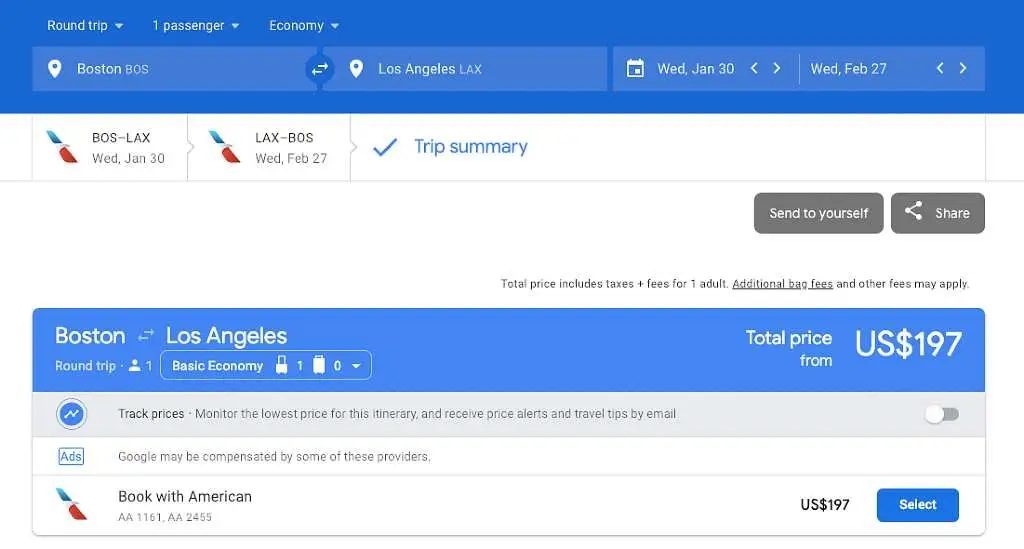
In that case, I treat the stopover city as a mini-destination, not dead time. I book a hotel, plan a meal, maybe see one thing. It’s intentional, not just a side effect of chasing cheap flights with expensive layovers.
2. When airlines offer free or subsidized stopovers
Some airlines quietly offer:
- Free hotel nights on long layovers (STPC – Stopover Paid by Carrier)
- Free or cheap city tours from the airport
- Stopover programs that let you stay a few days at no extra fare
Carriers like Emirates, Turkish Airlines, Singapore Airlines, Icelandair and others have done this on certain routes. You usually have to ask or dig into their stopover pages.
When the airline is paying for the hotel or tour, the math changes. Your layover time becomes a bonus, not a cost sink.
3. When your schedule is flexible and your budget isn’t
If you’re traveling long-term, working remotely, or simply have more time than money, a long layover can be a smart trade. Especially if you:
- Pack properly for comfort (layers, eye mask, entertainment)
- Plan how you’ll use the time (work, reading, sleep)
- Choose airports with good amenities (showers, lounges, quiet zones)
In that case, you’re not just killing time
. You’re using it, and the overnight layover cost comparison can actually tilt in your favour.
6. The Risk Factor: Separate Tickets, Missed Connections, and Stress
There’s one more cost that doesn’t show up on your booking screen: risk.
When you book a simple one-ticket itinerary, the airline owns the problem if you miss a connection due to delays. When you book separate tickets to engineer your own layover or stopover, you own the risk.
So I ask myself:
- Are these flights on one ticket or two?
- Is this a big, messy hub with long walks and extra security?
- Is the connection domestic–domestic, or international–international with immigration?
From there, I set my minimums:
- Same ticket, domestic–domestic: 1.5–2 hours minimum.
- Same ticket, international connection: 2.5–3 hours minimum.
- Separate tickets, any international element: 4–6 hours minimum, sometimes more.
Because the cost of a missed connection on separate tickets isn’t just money. It’s:
- Last-minute walk-up fares
- Lost hotel nights at your destination
- Stress, calls, and hours at a service desk
That’s when a “cheap” layover itinerary can explode into the most expensive travel day of your year.
7. A Simple Framework: When Your Layover Is Actually More Expensive Than Your Flight
Here’s the checklist I now run through before I book any layover-heavy itinerary or try to save money with a long connection:
- Time vs. money: How many extra hours is this adding? What’s the real hourly “wage” I’m accepting?
- Airport spending: Realistically, how much will I spend on food, comfort, and boredom?
- Comfort plan: Am I going to pay for a lounge, pod, or hotel anyway? Add that in now, not later.
- City temptation: Will I try to leave the airport? What will that cost in visas, transport, and stress?
- Risk level: One ticket or two? Domestic or international? How much buffer do I really need?
- Alternatives: Is there a slightly more expensive nonstop or shorter layover that becomes cheaper once I add all this up?
When I’m honest with myself, I often discover:
The layover flight isn’t actually cheaper. It’s just moving the cost from the booking page into the airport.
And once you see that clearly, you start booking differently. You stop bragging about the lowest fare and start optimising for something more valuable: arriving with your energy, time, and sanity intact.
Next time you see that tempting $150 cheaper itinerary with a 9‑hour layover, pause and ask yourself:
Am I really saving $150… or am I just agreeing to spend a full day in an airport for less than minimum wage?
Your answer to that question will tell you which flight you should actually book.