
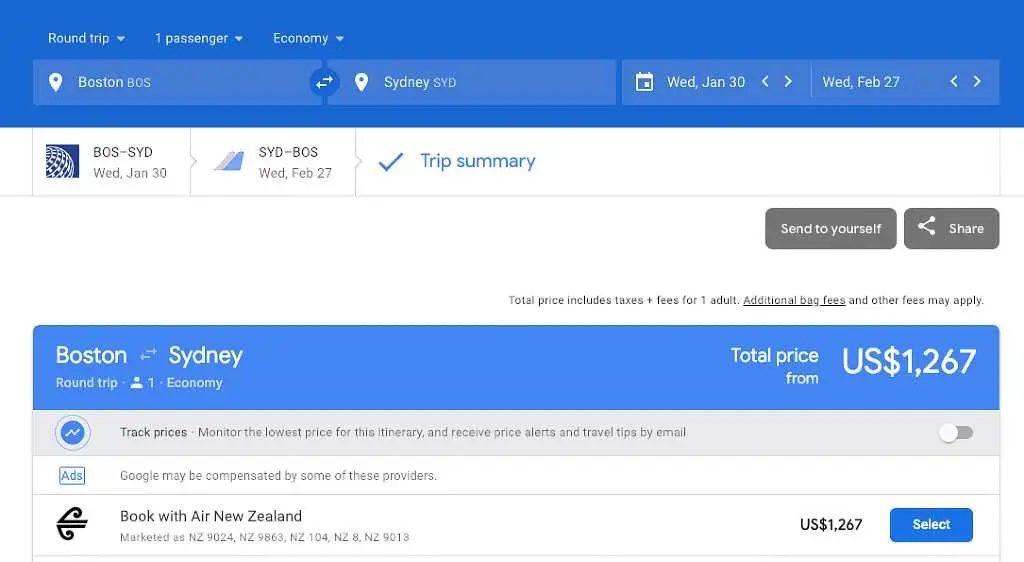
I used to sort flight results by lowest price
and feel smug about it. Then I started adding up everything else I was paying for: airport hotels, 5 a.m. taxis, $18 salads during a 7-hour layover, lost work time, and the kind of exhaustion that wipes out your first day in a new city.
That’s when it hit me: the cheapest ticket is often the most expensive trip.
In this guide, I’ll walk through how layovers, flight times, and airport choices quietly inflate your total trip cost—and how to flip that so you only accept inconvenience
when it genuinely pays you back.
1. The Door-to-Door Trap: Why the Cheapest Fare Isn’t the Cheapest Trip
See a $179 fare next to a $245 fare and your brain instantly grabs the $179. Mine does too. But that price is only for the metal tube in the sky. The real cost is door-to-door: from your front door to your accommodation and back.
Now, whenever I’m judging the real cost of cheap flights, I force myself to price in:
- Ground transport: trains, buses, taxis, rideshares at both ends.
- Time cost: hours lost in transit or airports (and what I could have done instead).
- Food and coffee: airport prices add up fast on long layovers.
- Hotels: overnight layovers, 6 a.m. departures, or midnight arrivals often mean an extra night somewhere.
- Fatigue: the invisible cost that can ruin your first day and make you spend more just to cope.
Articles like this breakdown from TripSense show how long layovers, secondary airports, and awkward timings quietly add these hidden costs. Once you include them, that cheap
flight often loses the cheap flights total trip cost battle.
Quick rule I use: before I call a flight cheap
, I write down:
- Extra transport costs vs. a better-timed or better-located flight
- Extra meals I’ll likely buy in airports
- Any hotel nights caused by the schedule
- How many extra hours the itinerary adds door-to-door
If the savings don’t clearly beat those costs, I treat the cheap
option as fake. It’s not a bargain; it’s a trap.
2. Layovers: Money Saver, Time Suck, or Bonus City?
Layovers are where a lot of us get fooled. A connecting flight is often cheaper than nonstop—sometimes by 20–25% or more. But that discount comes with strings.
From comparisons of nonstop vs. layover flights and various fare analyses, a few patterns keep showing up:
- Nonstops are usually around 25% more expensive, but save hours and reduce risk.
- Layovers can cut the ticket price, but add time, stress, and more chances for delays.
- Airport quality matters: a 5-hour layover in a great hub is very different from 5 hours in a bare-bones terminal.
So I ask myself one blunt question: What is this layover doing for me?
- If the answer is
nothing
, I treat it as a cost, not a feature. - If it’s a buffer that protects a tight connection, that’s value.
- If it’s a mini-trip (a long layover or stopover in a city I want to see), that can be a win.
Guides like Going’s long layover playbook and Airglitch’s stopover examples show how a 9–30+ hour layover can actually add value: you break up a long-haul, reduce fatigue, and get a bonus city for little or no extra airfare. In those cases, the hidden costs of layovers can flip into benefits.
When I say yes to a layover:
- The savings are meaningful (not $30–40 for 5 extra hours of misery).
- The airport or city is somewhere I don’t mind spending time.
- I have enough buffer to absorb a delay without panic.
- I’ve checked whether I can realistically leave the airport (visa rules, transit time, opening hours).
When I pay more for nonstop: tight schedule, important event, or when the layover airport is notoriously bad and the savings are small. In those cases, the nonstop is often the real budget choice once you factor in the overall direct vs connecting flight cost.

3. Early Birds, Red-Eyes, and Midnight Arrivals: The Hidden Price of Flight Times
Flight time is one of the most underrated cost drivers. I used to think time of day
only mattered for sleep. Then I started tracking what awkward timings actually cost me.
From fare data and tools like Google Flights, there’s a clear pattern: early-morning and late-night flights are often 10–15% cheaper than peak daytime departures. TripSense notes this too: airlines discount off-peak times because fewer people want them.
But here’s what those times can trigger:
- 4–6 a.m. departures: often mean an airport hotel or a very early, expensive taxi because public transit isn’t running.
- Midnight or 1 a.m. arrivals: same problem on the arrival side—limited transit, higher taxi fares, safety concerns in some cities.
- Red-eyes: can save a hotel night, but if you arrive wrecked and lose your first day, you may spend more on convenience (taxis, room service, early check-in).
On the flip side, early flights are often more reliable. Delays tend to cascade through the day, so that 6 a.m. departure might be your best bet to avoid missed connections and rebooking costs. When you’re weighing early morning flight cost vs convenience, reliability is part of the equation.
Here’s how I decide if a weird
time is worth it:
- I check the cost of getting to/from the airport at that hour.
- I estimate how much sleep I’ll lose and how that affects my first day.
- I compare the total cost (fare + transport + potential hotel) to a better-timed option.
My rule of thumb: if an awkward time forces an extra hotel night or a pricey taxi on either end, the flight has to be significantly cheaper to be worth it. Otherwise, I treat the better-timed flight as the smarter budget choice when I look at flight timing and travel expenses together.
4. Secondary Airports: Cheap Ticket, Expensive Commute
Budget airlines love secondary airports. They’re cheaper for the airline, and the fares look fantastic in search results. But those airports can quietly wreck your travel budget.
TripSense and others point out the same pattern:
- Secondary airports are often farther from the city.
- They may have limited public transit or awkward schedules.
- You end up paying more in taxis, shuttles, or long train rides.
So that $60 you saved on the ticket? It disappears into a $45 taxi each way.
When I’m comparing airports now, I literally do this:
- Look up the actual distance and transit options from each airport to where I’m staying.
- Price the cheapest realistic route (not the one that runs twice a day at 5 a.m.).
- Add that to the ticket price for each option.
Often, the main airport with a higher fare but cheap, frequent transit ends up being the better deal—and far less hassle. This is where airport choice and travel budget really intersect.
When I still choose a secondary airport:
- The total cost (ticket + transport) is clearly lower.
- Transit is straightforward and safe at my arrival time.
- I’m not on a tight schedule, and I’m okay with a longer commute.
5. Budget Airlines and Add-Ons: The Fee Avalanche
Budget airlines are masters of the cheap headline, expensive reality
game. Their base fares look unbeatable. But their business model depends on ancillary fees: bags, seat selection, priority boarding, printing your boarding pass at the airport, and more.
TripSense notes that for some low-cost carriers, these fees are a huge chunk of revenue. That’s not an accident. The whole system is designed so you only see the real price at the end of the booking funnel—or at the airport.
When I compare a budget airline to a full-service one now, I do this:
- Start with the base fare.
- Add: one carry-on or checked bag (whichever I realistically need).
- Add: seat selection if I care about sitting with someone or avoiding middle seats.
- Add: any payment or check-in fees that are common for that airline.
Then I compare that total to a regular airline that includes a bag and seat selection. The cheap
option often isn’t cheap anymore once you factor in cheap airfare hidden fees and low cost airline extra charges.
When a budget airline still makes sense for me:
- I can travel with personal item only.
- I don’t care where I sit.
- The schedule and airport are reasonable.
- The total price is still clearly lower than full-service options.
If I need bags, flexibility, or a decent schedule, I usually find that paying a bit more upfront with a full-service carrier is cheaper and less stressful overall.
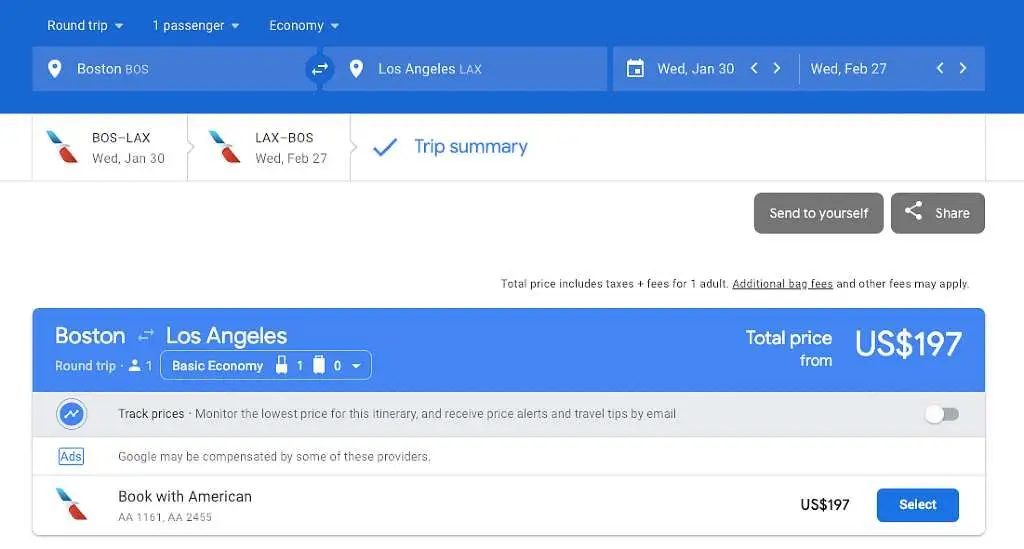
6. Smart Layovers and Stopovers: When Extra Time Actually Pays You Back
Not all layovers are bad. Some are incredibly smart—if you design them on purpose.
There are two main ways I use layovers to my advantage and turn the cost of layovers into value:
Intentional long layovers (9–23 hours)
Instead of a miserable 3-hour wait, I’ll sometimes choose a 9–12 hour layover in a city I actually want to see. Guides from Going and Airglitch show how this can even lower your fare on some routes.
Benefits:
- Break up long-haul fatigue and jet lag.
- Turn dead time into a mini-city break.
- Sometimes pay less than a standard connection or multicity ticket.
But I only do this when:
- I’ve checked visa rules and entry requirements.
- I have enough time to leave the airport and get back without stress.
- I’m okay not having access to checked luggage during the layover.
True stopovers (24+ hours)
Some airlines actually encourage this. Think of Icelandair’s famous stopover program, or carriers that offer STPC (Stopover Paid by Carrier) hotels when their schedule forces a long layover. As Going explains, you can sometimes get a free hotel night or even a free city tour out of it.
When I’m planning a big trip, I now:
- Run a normal roundtrip search.
- Run a multi-city search with a 1–7 day stopover in a hub I like.
- Test a long layover version (e.g., 20–30 hours) on a single ticket.
Sometimes the stopover version is the same price—or cheaper—than the simple route. When that happens, I’ve basically turned a tiring travel day into two manageable legs plus a bonus destination.
One warning: if you build your own layovers with separate tickets, you take on more risk. If your first flight is delayed, the second airline doesn’t have to help you. I only do self-made connections when:
- I have a big buffer (often 6+ hours, or an overnight).
- There are multiple later flights I could buy in a worst-case scenario.
- I’m okay with the risk and have travel insurance that covers disruptions.
7. Hidden-City Tickets and Pricing Quirks: Tempting, But Know the Risks
If you’ve ever seen a flight with a layover in your destination city that’s cheaper than flying there directly, you’ve seen airline pricing weirdness in action. This is where hidden-city ticketing comes in.
Sites like Skiplagged specialize in finding these deals. The idea is simple:
- You book a ticket from City A to City C with a layover in City B.
- You actually want to go to City B.
- You get off at City B and skip the final leg.
Because of how airlines price routes (hub-and-spoke networks, demand forecasting, competition), the A–C ticket with a B layover can be cheaper than A–B direct. It feels like a cheat code.
But there are serious caveats:
- You can’t check bags (they’ll go to the final destination).
- You can’t do this on a roundtrip and skip the first leg—your whole ticket may be canceled.
- Airlines don’t like it; they can penalize frequent flyers or cancel onward segments.
I treat hidden-city tickets as an advanced move for specific cases, not a default strategy. If I use them at all, it’s with:
- Carry-on only.
- No loyalty number attached.
- One-way tickets, not complex itineraries.
For most trips, I’d rather use legit long layovers or stopovers to work with the system instead of against it.
8. A Simple Framework: How to Decide If a Flight Is Truly
Cheap
Here’s the checklist I now run through before I book anything. It’s not fancy, but it keeps me from getting fooled by low headline prices and helps me compare a cheap flight vs overall travel cost in a realistic way.
- Start with total door-to-door time.
How many hours from my front door to my accommodation? I compare options, not just flights. - Add all obvious cash costs.
Ticket + bags + seat fees + airport transport + likely airport meals + any hotel nights caused by timing. This includes budgeting for airport transfers and potential layover hotel and food costs. - Price my time and energy.
Is saving $60 worth 6 extra hours, a 4 a.m. wake-up, or a midnight arrival? Sometimes yes, often no. - Check the purpose of every inconvenience.
Does this layover, airport, or timing give me something back (a bonus city, better reliability, a free hotel)? If not, it’s just a cost. - Compare total trip value, not just fare.
If a more expensive nonstop or better-timed flight leaves me less tired, with fewer add-on costs, I treat it as the smarter budget choice.
Once you start thinking this way, you’ll notice something: the truly cheap flights are often the ones that look boring. Reasonable times. Main airports. Sensible layovers. No heroic 3-connection odysseys to save $40.
That’s the point. You’re not just buying a seat on a plane. You’re buying the entire experience of getting from your home to somewhere else—and back—without your wallet or your energy getting quietly drained along the way.