
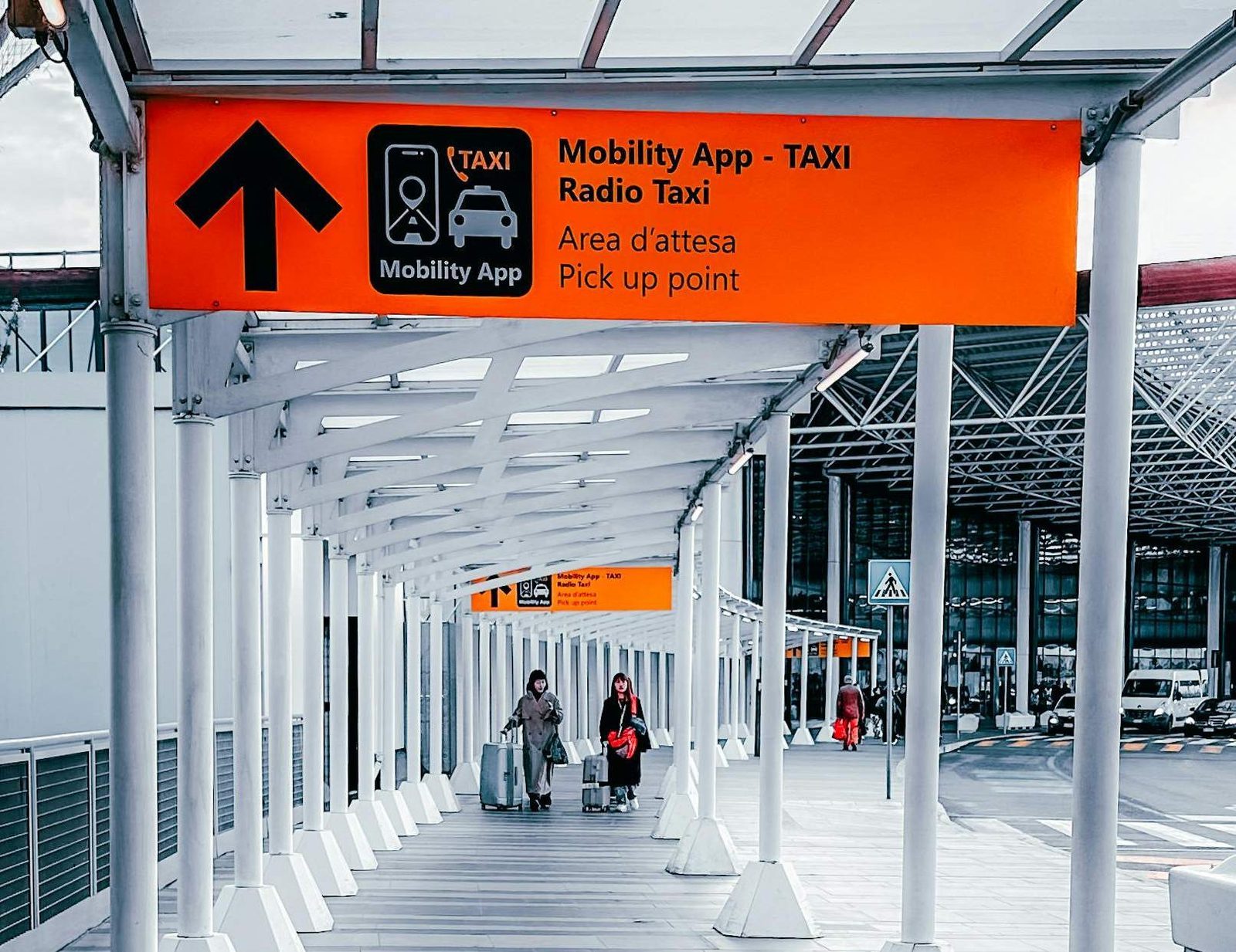
I love convenience when I travel. I also hate feeling ripped off.
Over the last few years, I’ve noticed a pattern: the more stressed and tired I am, the more I’m willing to pay for convenience
—and the easier it is for that convenience to quietly blow up my budget.
Airport transfers, early hotel check‑ins, late checkouts, shuttles, rideshares, even airport parking… they all promise to save time and hassle. But do they really? And at what price?
Let’s walk through the biggest time‑saving travel traps—from airport transfer cost comparison to hotel convenience fees—and figure out when convenience is worth paying for, and when it’s just expensive laziness.
1. Airport Transfers vs Uber vs Taxi: Are You Paying for Certainty or Panic?
Landing in a new city, jet‑lagged and half‑awake, it’s tempting to tap Uber and be done with it. Or to pre‑book a private airport transfer so someone is waiting with your name on a sign. Both feel convenient. But they’re not the same kind of convenience, and the real cost of travel convenience shows up here fast.
Here’s how I think about it:
- Rideshares (Uber, Lyft, etc.) are on‑demand and flexible, but the price is a moving target. Surge pricing can double or triple fares during rain, rush hour, holidays, or big events. That
$35 estimate
can become $90 by the time you land. - Taxis are more old‑school, but in many cities they have flat airport–city fares and no surge. Think JFK–Manhattan flat rate, or fixed zones in places like Tokyo. You lose app tracking, but you gain predictability.
- Private transfers are the
business class
of ground transport: fixed price, meet‑and‑greet, flight tracking, no queue. They usually cost €40–€70 from major airports into the city, sometimes $20–$50 more than a taxi, but the price is locked in before you fly.
The real question isn’t Which is cheapest?
It’s:
- How much is it worth to you to know the price in advance?
- How much chaos can you tolerate when you land?
On a quiet Tuesday afternoon, rideshare might be cheaper than a taxi or transfer. On a rainy Friday night, that same Uber can cost more than a private driver with a sign and a bottle of water. As real‑world comparisons show, surge pricing is the wild card that turns cheap and convenient
into expensive and still stuck in traffic
.
My rule of thumb:
- Short solo trips, off‑peak hours: I’ll gamble on rideshare and check the estimate when I land.
- Peak times, bad weather, or big events: I compare taxi flat fares and pre‑booked transfers before I fly. If surge risk is high, a fixed‑price transfer is often the smarter and calmer choice.
- Groups or families: A private transfer can actually be cheaper per person than two Ubers or taxis—and far less chaotic with kids and luggage.
Takeaway: You’re not just paying for a ride. You’re paying for certainty vs flexibility. Decide which one you actually need for that specific trip, not in theory.

2. The Hidden Price of Just Getting a Taxi or Uber
from the Airport
We love to say, I’ll just grab an Uber
or I’ll just take a taxi
as if that’s a simple, universal solution. It isn’t. This is where a lot of hidden travel convenience charges sneak in.
Depending on the airport and country, that simple
choice can mean:
- A long walk or shuttle to a remote rideshare lot (hello, LAX).
- Standing in a taxi queue for 30 minutes after a 10‑hour flight.
- Discovering rideshares are restricted or banned (think Germany, Denmark, parts of Thailand and Ireland) and your app is basically useless.
- Paying extra for luggage, night surcharges, or airport fees that weren’t obvious in the first place.
According to several airport transport guides, including Fodor’s and CheapFareGuru, there is no one‑size‑fits‑all answer. In some cities, taxis are cheaper and more regulated. In others, rideshares win—until surge hits. In many places, public transit is both cheaper and faster than either.
So what’s the real cost of convenience here?
- Time cost: Are you saving time, or just swapping a taxi line for a rideshare pickup walk?
- Stress cost: Are you okay troubleshooting apps, roaming, and pickup zones when you’re exhausted?
- Information cost: Did you actually check local rules, or are you assuming your home setup works everywhere?
My pre‑trip checklist now looks like this:
- Search
[airport name] taxi vs Uber
and look for recent posts or official airport pages. - Check if there’s a flat taxi fare from the airport to the city center.
- Look up whether rideshares are legal and active in that country.
- Check if there’s a train or express bus that avoids traffic entirely.
Takeaway: I’ll figure it out when I land
is the most expensive sentence in travel. Ten minutes of research can save you an hour of chaos and a pile of fees—and help you avoid expensive airport transfers that don’t actually save time.
3. Public Transit, Shuttles, or Parking: The Convenience You Don’t Notice
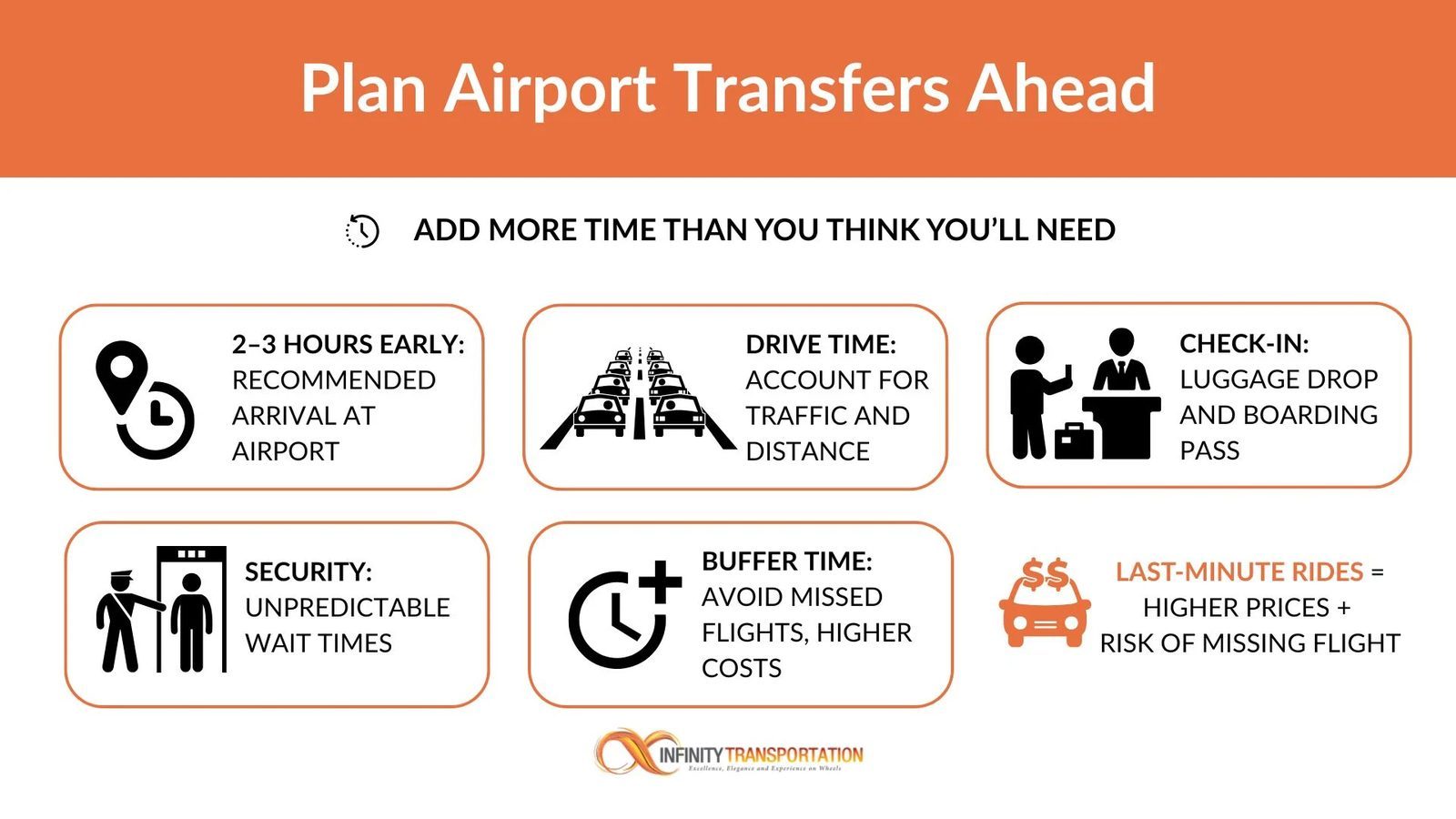
We tend to obsess over the ride from the airport, but ignore the cost of getting to the airport at home. That’s where a lot of quiet money leaks out and where the cost of time‑saving travel add‑ons can surprise you.
In the U.S. especially, airport transport is a patchwork. As one airport guide points out, every city has its own mix of:
- Rideshares (great for short or late‑night trips, but pricey for long distances).
- Public transit (usually cheapest, sometimes fastest, often least comfortable with luggage).
- Airport shuttles (middle ground for groups and visitors with lots of bags).
- Driving + parking (surprisingly economical for longer trips).
Here’s where the math gets interesting:
- For a 3‑day trip, two Uber rides might be cheaper than parking your car.
- For a 7‑day trip, parking often beats rideshare both ways—especially if you use off‑site lots.
- For a family of four, a shuttle or parking can be far cheaper than four train tickets or two Ubers.
But there’s also the risk cost:
- Relying on the last train or bus to the airport is cheap—until it’s delayed or canceled.
- Booking the cheapest off‑site parking is great—until you’re waiting 40 minutes for a shuttle at midnight.
My approach now:
- If my flight is very early or very late, I pay a bit more for a reliable option (parking or a known shuttle) rather than gambling on the last bus.
- For trips longer than 5–7 days, I always compare round‑trip rideshare vs total parking cost. Parking wins more often than you’d think.
- For solo city trips with good transit, I’ll happily take the train and spend the savings on a better meal at my destination.
Takeaway: Convenience isn’t just about comfort. It’s about reducing the chance of a disaster (missed flight, stranded at night) at a price you’re okay with. That’s the real travel convenience vs budget balance.
4. Early Check‑In: Are You Paying $40 Just to Shower?
We’ve all been there: you land at 8 a.m., you’re at the hotel by 9, and check‑in is at 3 p.m. The front desk smiles and says, We can get you in early… for a fee.
Early check‑in sounds like a small luxury, but the numbers add up. Many hotels now charge:
- $20–$50 flat fee, or
- 25–50% of the nightly rate for guaranteed early access.
Some U.S. hotels go even higher, with early check‑in fees commonly in the $25–$75 range, even if the room is already clean and empty. It’s become a standard revenue stream, not just a special favor. This is one of the most common early check in hotel fees that quietly eats into your budget.
So what are you really buying?
- A shower and a nap.
- A place to drop your bags safely.
- A few extra hours of air‑conditioning and Wi‑Fi.
Sometimes that’s worth every dollar—especially after a red‑eye or with kids in tow. But often, you have alternatives:
- Most hotels will store your luggage for free and let you use the lobby, Wi‑Fi, and sometimes even the pool or gym.
- You can plan a low‑energy activity for those hours: a slow brunch, a park, a museum with lockers.
- If you’re staying multiple nights, that $40 early check‑in is a big percentage of your total cost for very little extra time.
When I pay for early check‑in:
- After an overnight flight when I know I’ll be useless without sleep.
- When I have to work that day and need a quiet space and reliable Wi‑Fi.
- When I’m traveling with kids or older relatives who can’t comfortably kill six hours in a city.
When I don’t:
- Short city breaks where I’d rather drop bags and start exploring.
- When the fee is more than about 30–40% of the nightly rate.
- When the hotel seems flexible and I have a decent chance of a free early check‑in if I just show up and ask nicely.
Takeaway: Don’t auto‑accept early check‑in. Ask yourself: What will I actually do with those extra hours, and is that worth $30–$70 to me?
That’s how you avoid overpaying for hotel convenience services you don’t really need.
5. Late Checkout: Buying Time or Just Delaying Reality?
Late checkout feels like the ultimate indulgence. Sleep in, pack slowly, maybe squeeze in one more shower. But hotels have figured out how much we love that feeling—and they charge accordingly.
Many properties now treat late checkout as a formal product:
- Fees often run from $25 up to $100, especially after 2 p.m. or on busy days.
- About 40% of guests request early check‑in or late checkout, so hotels know there’s demand.
- It’s become a reliable ancillary revenue stream, not just a courtesy.
Here’s the mental trap: you’re not just paying for a few extra hours. You’re paying because you didn’t plan what to do with your last day.
Alternatives that cost nothing or very little:
- Ask if the hotel can store your bags after checkout.
- Plan a nearby café or coworking space where you can sit with Wi‑Fi and coffee.
- Use a luggage storage service near the station or in the city center.
When late checkout makes sense:
- You have a late flight and need a private place to shower and change.
- You’re traveling with kids who need naps or a quiet space.
- You’re on a work trip and need a guaranteed, quiet room until a specific time.
Also, don’t forget the loyalty angle:
- Many hotel loyalty programs and some credit cards include early check‑in or late checkout as perks.
- Even without status, politely asking at check‑in (
If you’re not full tomorrow, could I check out at 1 p.m. instead of 11?
) often works—especially at independent hotels.
Takeaway: Late checkout is a luxury, not a right. Treat it like buying extra time at the end of your trip—and only pay for it when you’ll actually use that time well. Otherwise, it’s just another line in the late checkout fee cost guide of things you didn’t need to buy.
6. How to Decide: A Simple Framework for Travel Convenience
Every convenience decision—Uber vs taxi, transfer vs train, early check‑in vs luggage storage, priority boarding vs regular—boils down to the same trade‑offs:
- Money (obvious).
- Time (how much you save or risk losing).
- Energy (how tired, jet‑lagged, or stressed you’ll be).
- Risk (of delays, confusion, or things going wrong).
This is the lens I use now for everything from airport transfer cost comparison to fast track security cost vs benefit and whether priority boarding is worth the cost.
Here’s the framework that’s made my trips smoother and cheaper:
- Identify your
non‑negotiables
for this trip.
Is this a work trip where you must be sharp on arrival? A family vacation where meltdown prevention is priority #1? A budget backpacking trip where every $20 matters? Your priorities change the value of convenience. - Price the realistic options, not the ideal ones.
Don’t just compareUber vs taxi
. Compare Uber with possible surge vs flat taxi fare vs train + short taxi. Don’t just look athotel price
; factor in early check‑in or late checkout if you know you’ll want them. That’s how you avoid the worst money traps at airports and hotels. - Put a number on your time.
Ask yourself:Is saving 45 minutes worth $30 to me on this day?
Sometimes the answer is yes. Sometimes you’d rather keep the $30 and read a book on the train. - Plan for your worst self, not your best self.
You at home, well‑rested, thinks you’ll happily take the bus at midnight. You after a 12‑hour flight with no sleep will not. Plan for that version of you. - Decide in advance where you’ll allow yourself to pay for convenience.
For example:I’ll pay for a private transfer on arrival, but I’ll take the train back to the airport.
Or:I’ll pay for early check‑in after the red‑eye, but never for late checkout.
Or:I’ll skip fast track security unless the lines are truly awful.
Final takeaway: Convenience isn’t the enemy. Mindless convenience is.
If you choose your shortcuts deliberately—knowing what they really cost in money, time, and stress—you can arrive calmer, spend smarter, and save your budget for the parts of travel that actually matter to you. That’s how you cut travel convenience costs without making your trip miserable.